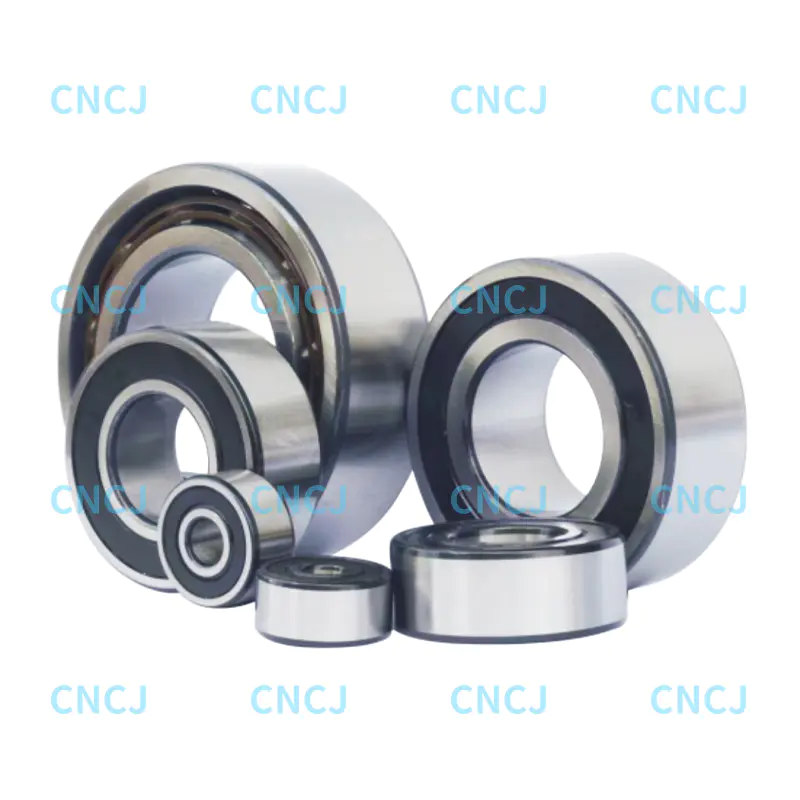
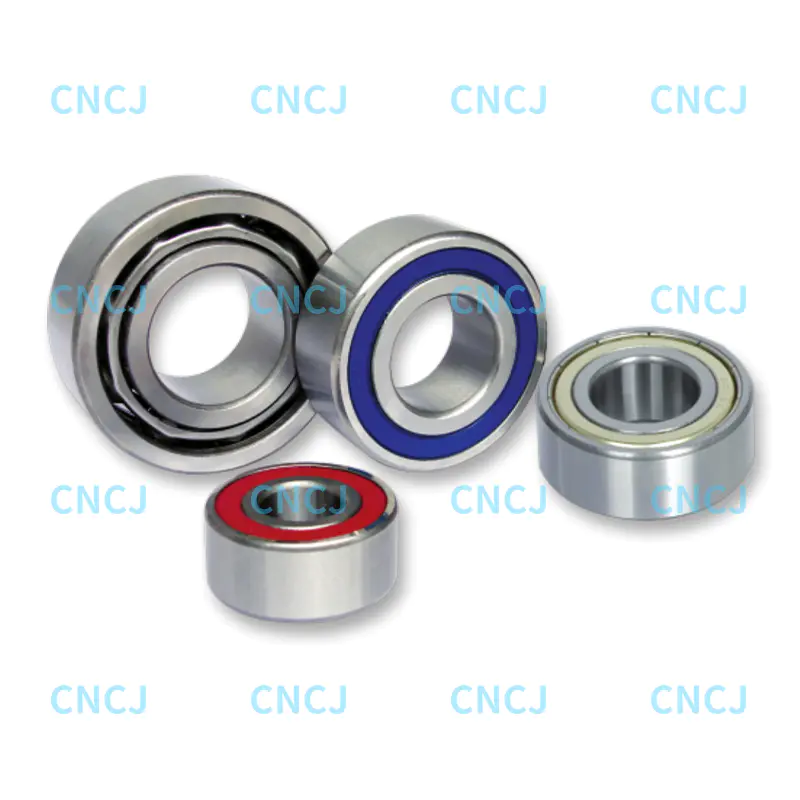
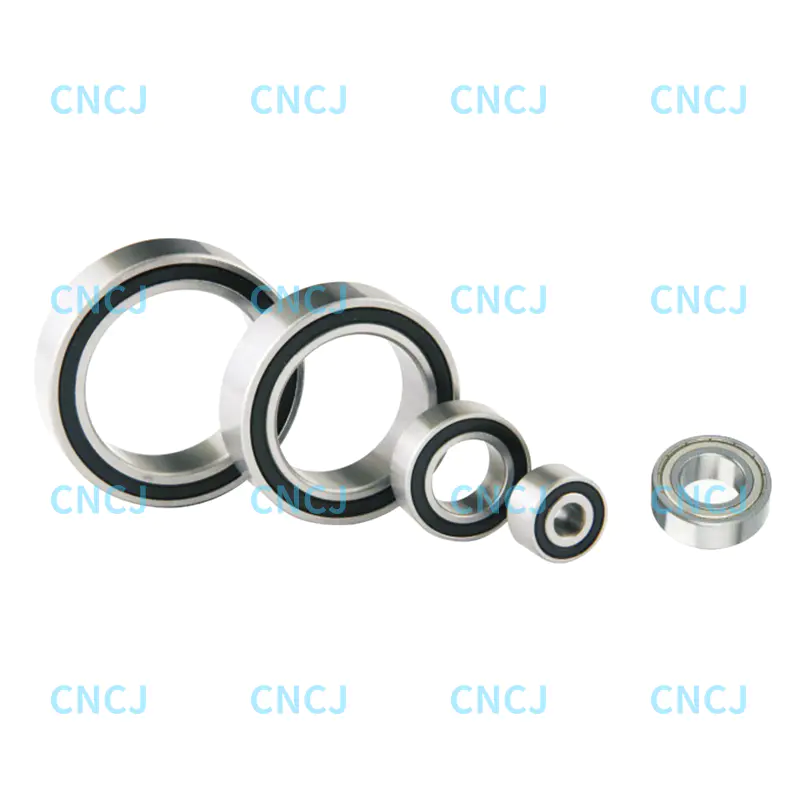
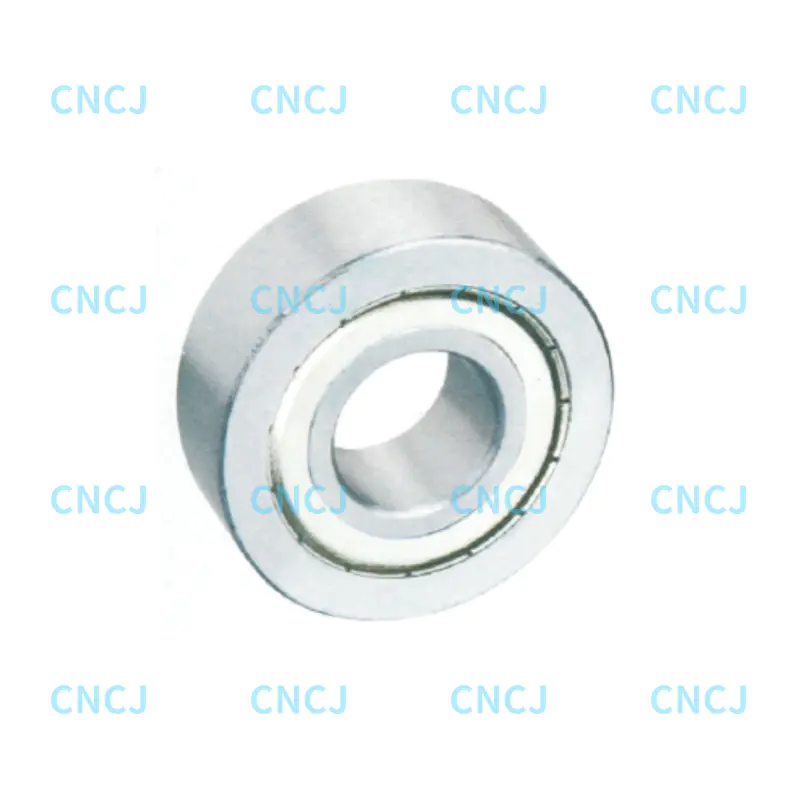
In the world of mechanical engineering, space and load capacity are often at odds with each other. Engineers are constantly searching for components that can handle heavier stresses without increasing the machine's footprint. This is where Double Row Ball Bearings come into play. By integrating two rows of rolling elements into a single outer ring, these bearings offer a significant upgrade in radial and axial load capacity compared to their single-row counterparts. But when exactly should you choose a double row design, and what are the specific technical advantages? This comprehensive guide explores everything you need to know about these essential industrial components.
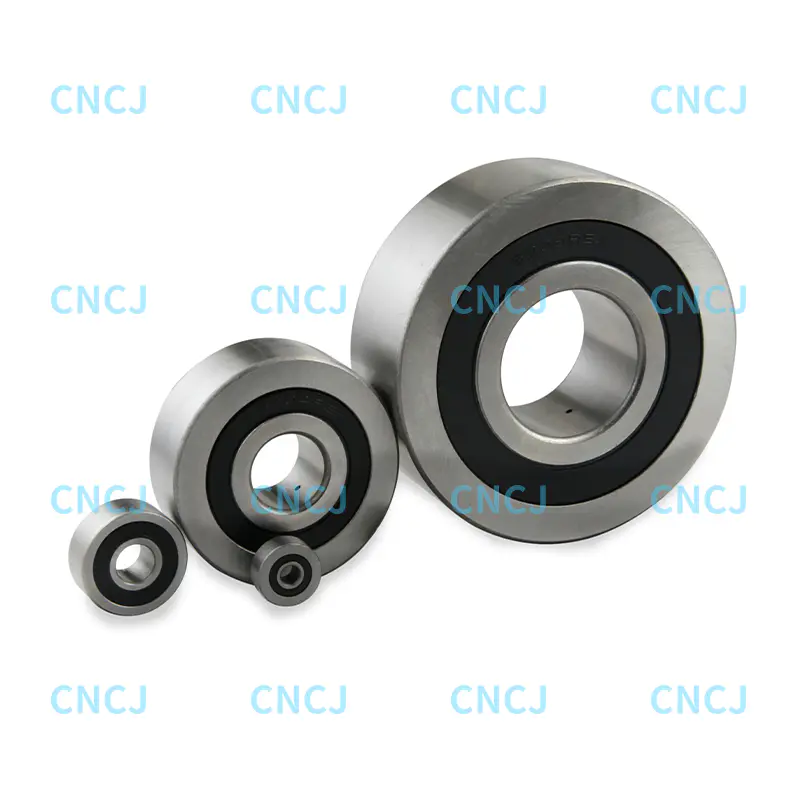
The fundamental difference lies in the geometry. A Double Row Ball Bearing features two sets of balls and two sets of raceways. This architecture allows the bearing to distribute forces across a larger surface area. While a single-row bearing might struggle with tilting moments or high combined loads, the double row configuration provides enhanced rigidity and stability.
Increased Load Rating in Minimal Space
One of the most significant advantages is the load rating. For applications where the shaft diameter is fixed but the load requirements have increased, Double Row Ball Bearings provide a solution without requiring a complete redesign of the housing. They effectively double the number of rolling elements within a width that is only slightly larger than a single-row bearing. This makes them indispensable in heavy-duty industrial machinery and automotive transmissions.
Key Types: Deep Groove vs. Angular Contact
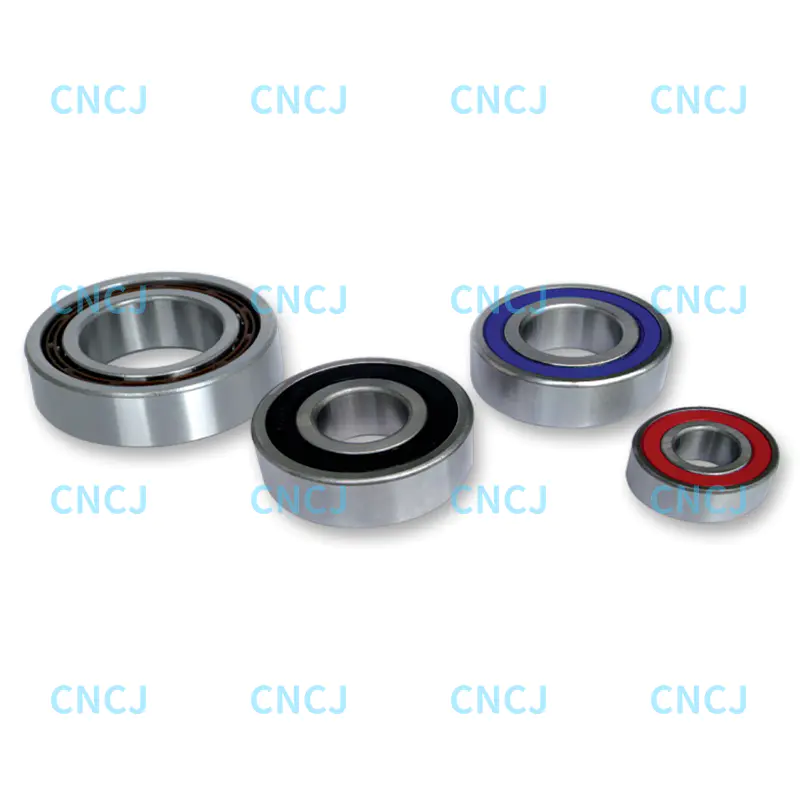
Not all Double Row Ball Bearings are created equal. Depending on the direction of the forces involved, you must choose between the Deep Groove and Angular Contact variations.
1. Double Row Deep Groove Ball Bearings
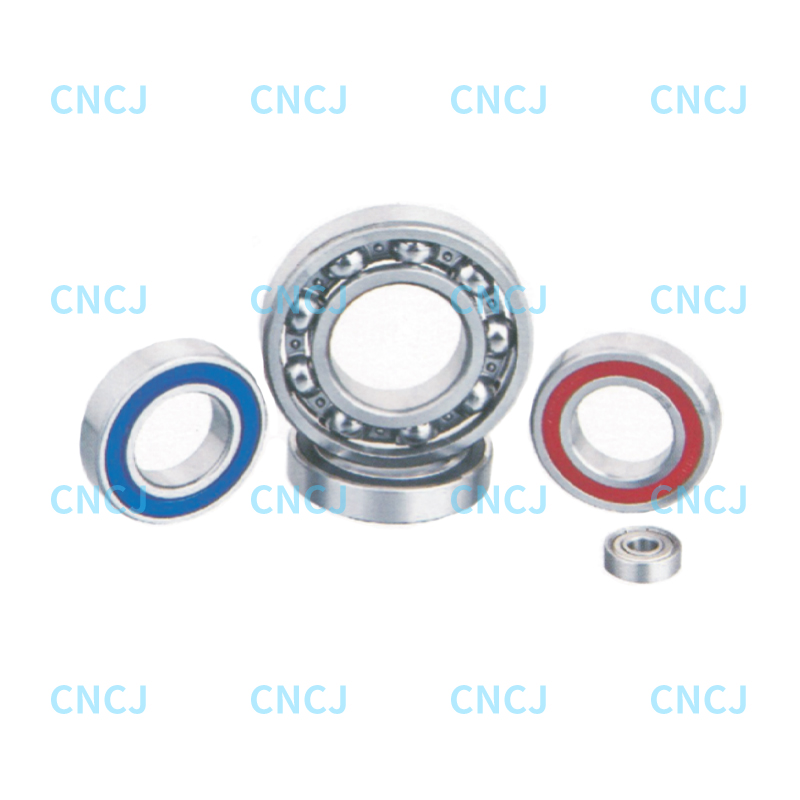
The Double Row Deep Groove Ball Bearing (often in the 42 and 43 series) is designed primarily for radial loads. Because the raceway grooves are deep and closely follow the curvature of the balls, these bearings can also handle some axial loads from both directions. They are known for their low friction and high-speed capabilities, making them a preferred choice for electric motors and household appliances where quiet operation is a priority.
2. Double Row Angular Contact Ball Bearings
When tilting moments and heavy axial loads are present, Double Row Angular Contact Ball Bearings are the superior choice. These bearings have a contact angle that allows them to support high combined loads. Their design is comparable to two single-row angular contact bearings arranged back-to-back, but in a much more compact unit. This design is exceptionally rigid and is commonly used in centrifugal pumps, industrial fans, and agricultural equipment.
Why Rigidity and Stability Matter
In high-precision applications, bearing rigidity is a critical performance metric. Double Row Ball Bearings excel here because the two rows of balls create a wider effective spread between the load centers. This "wide base" resists the tendency of the shaft to deflect under load.
For example, in a CNC spindle or a high-speed gearbox, any microscopic tilting of the shaft can lead to vibration, noise, and eventual bearing failure. By using a double row system, manufacturers ensure that the shaft remains perfectly aligned, which in turn protects other components like gears and seals. This enhanced stability is a primary reason why Double Row Ball Bearings are frequently found in precision instrumentation and high-speed processing lines.
Common Applications Across Industries
Due to their versatile nature, Double Row Ball Bearings are utilized in a wide array of sectors. Their ability to manage high-speed rotation and heavy loads simultaneously makes them a "jack of all trades" in the engineering world.
- Automotive Industry: Used in wheel hubs and alternators to handle the constant stress of vehicle movement.
- Agricultural Machinery: Found in tractors and harvesters where dust-resistant seals and high load capacities are required.
- Material Handling: Essential for conveyors and cranes that move heavy palletized goods.
- Pumping Systems: Double Row Angular Contact Bearings are the standard for centrifugal pumps to manage the hydraulic thrust.
Maintenance and Lubrication for Long Service Life
Even the most robust Double Row Ball Bearing requires proper care to reach its full L10 life potential. Because there are more rolling elements, lubrication is paramount. Heat dissipation can be more of a challenge in double-row designs than in single-row ones.
Choosing the right grease or oil depends on the operating temperature and speed. For most industrial applications, a high-quality lithium-based grease is sufficient. However, for high-speed or high-temperature environments, synthetic lubricants may be necessary. It is also vital to check the bearing seals regularly. If contaminants like water or grit enter the double row raceways, they will cause rapid pitting and fatigue, leading to a catastrophic mechanical failure.
Conclusion: Is a Double Row Bearing Right for You?
In conclusion, Double Row Ball Bearings represent a smart investment for any machinery that demands high radial and axial load capacity within a compact design. Whether you are prioritizing rigidity in a precision machine tool or durability in a piece of heavy farm equipment, the double-row architecture provides a reliable and efficient solution.
Looking for High-Performance Bearing Solutions?
Our company specializes in a full range of Double Row Ball Bearings, including both Deep Groove and Angular Contact types. We use premium grade steel and advanced heat treatment to ensure your equipment runs smoother and longer.
Contact our technical team today for a custom quote or engineering consultation!
 English
 中文简体
中文简体 Deutsch
 Español