Start with the answer: once a plant has more than about 20 to 30 bearings that need regular greasing, an automatic bearing lubrication system almost always beats manual greasing on bearing life, downtime and labor cost. Below that threshold, single point lubricators or a disciplined manual routine often make more sense, and buying the wrong system size is one of the most common purchasing mistakes in this category.
Consider a typical case. A conveyor line carries 60 bearing points spread along 40 meters of frame, some of them behind guards and above head height. The schedule calls for greasing every 500 running hours, but production pressure keeps pushing the task back, so the crew greases every third week and gives every point the same full stroke of the grease gun. Points near the walkway get attention, points behind guards get less, and nobody records how much grease actually went in. After a year of this pattern, the maintenance log shows hot housings, two blown seals and one unplanned stoppage that cost more than the entire lubrication hardware ever would.
Why Bearings Fail Without Them
Reliability surveys across heavy industry keep reaching the same conclusion: incorrect lubrication is the single largest cause of premature bearing failure. Figure 1 summarizes the pattern that most failure analysts report when they sort damaged bearings by root cause.
Figure 1: Leading causes of premature bearing failure
Industry failure surveys keep arriving at a similar split, and the bars above reflect the pattern most reliability engineers report. Improper lubrication, covering too much grease, too little grease, the wrong grease and missed intervals, accounts for close to half of premature failures. Contamination ranks second because every manual greasing event opens a fitting and can press dust past a seal. Mounting errors, overload and moisture complete the picture, and they are harder to automate away. The practical reading is simple: the two largest causes sit squarely inside the lubrication process, which is the one input an automatic system controls on every single cycle.
How an Automatic Bearing Lubrication System Works
An automatic lubrication system is a small network with one job: move a precise volume of fresh lubricant from a sealed reservoir to each bearing, on schedule, while the machine keeps running. The main building blocks are:
A reservoir and pump that store and pressurize the grease or oil
A controller that sets the interval and run time of each lubrication cycle
Metering devices, such as progressive divider blocks or single line injectors, that split the flow into fixed, calibrated doses
Supply tubing routed out to each lubrication point
Monitoring parts, typically a pressure switch or cycle sensor, that confirm the cycle actually completed
During a cycle, the pump charges the main line, the metering devices discharge their preset volumes, and the controller verifies line pressure before venting and waiting for the next interval. Because the bearing is lubricated while it rotates, fresh grease is worked evenly into the rolling contacts instead of being dumped into a stationary housing all at once.
Choosing the Right System Type for Your Bearings
No single design fits every plant. The right choice depends on point count, line length, grease stiffness and how far the equipment sits from a workable pump location. Table 1 compares the system families you will encounter most often.
Table 1: The main automatic lubrication system families and where each fits best
System type
How it delivers lubricant
Best suited for
Main limitation
Single point lubricator
Self contained cartridge discharges a set volume over months
Isolated motors, fans and conveyors with one or two bearings
Limited capacity and no central monitoring
Single line resistance
Pump pressurizes small bore lines and metering pistons backfill
Compact machines with up to about 40 points
Line length and grease stiffness limits
Single line parallel
Injectors discharge preset volumes as the main line charges
Mid sized plants with scattered point clusters
Injectors need periodic verification
Progressive
Divider blocks feed points in strict sequence
Machine tools, presses and compact high value assets
One blocked point stalls the whole block
Dual line
Two main lines alternate pressure to piston distributors
Long runs with hundreds of points, such as mills and kilns
Higher hardware and commissioning cost
Oil circulating and air oil
Continuous or air carried oil feeds the point and drains away
High speed spindles, large gears and large bearings
Needs oil conditioning and drain management
As a rule of thumb, single point lubricators suit isolated equipment, single line parallel systems cover most mid sized plants, and dual line systems take over once point counts and distances grow into the range typical of steel mills and mining. Progressive systems remain the default on machine tools because the divider block itself acts as a blockage detector.
What the Numbers Look Like in Practice
Delivery pattern: batch greasing versus metered dosing
The clearest way to see the difference is to plot how much grease a single point receives over time.
Figure 2: Grease delivered per point per month, manual versus automatic
The gray line shows a familiar manual routine: long gaps followed by a heavy batch of grease whenever someone finds time. The blue line shows what a metered automatic system delivers instead, a small steady dose at every cycle. Bearings need a thin fresh film of lubricant, not a flood, so the steady pattern matches the actual need far better. The spikes also explain a common complaint after manual greasing, when bearings run hot because excess grease churns inside the housing. Across a full year both approaches may deliver a similar total volume, but the metered path spreads it out, protects the seals and wastes far less. Steady delivery is the single biggest reason automatic systems extend bearing life.
Annual cost view per 100 lubrication points
Cost differences follow directly from that delivery pattern.
Figure 3: Where the annual savings come from
The figures here are illustrative, modeled on a line with roughly 100 lubrication points, but the proportions are typical. Labor shows the steepest drop because a technician no longer walks the route with a grease gun every week. Downtime falls since lubrication happens while machines run, removing scheduled stops and preventing many emergency failures. Lubricant waste drops because each metering device releases a fixed, calibrated volume rather than a full stroke into every housing. Actual savings depend on wage rates, machine criticality and current failure rates. Even a conservative estimate usually shows the system paying back within one to three years on mid sized installations.
Automatic Versus Manual: Where Each One Wins
The comparison is not one sided, so it helps to score both approaches across the factors that actually drive the buying decision.
Figure 4: Automatic and manual lubrication compared across six factors
The blue area shows where automatic lubrication scores highest: consistency, coverage of hard to reach points, labor saved and safety, since technicians no longer climb to grease points behind guards. Fault detection is another automatic win, because pressure monitoring exposes a blocked line on the very cycle it happens. Manual greasing keeps one clear advantage, low upfront cost, which is why single point lubricators remain popular on small equipment with only a few bearings. Manual routines also stay reasonable when an experienced lubrication technician is available and the point count is low. The decision usually comes down to point count, accessibility and failure history. The more bearings you have and the harder they are to reach, the faster the case for automation grows.
Two practical thresholds help you decide. First, point count: past roughly 30 points, central systems usually justify their hardware and commissioning cost. Second, accessibility: if reaching a bearing requires lockout, ladders or entry permits, automation removes that risk on every cycle instead of managing it again and again.
Matching Bearing Selection to Automatic Lubrication
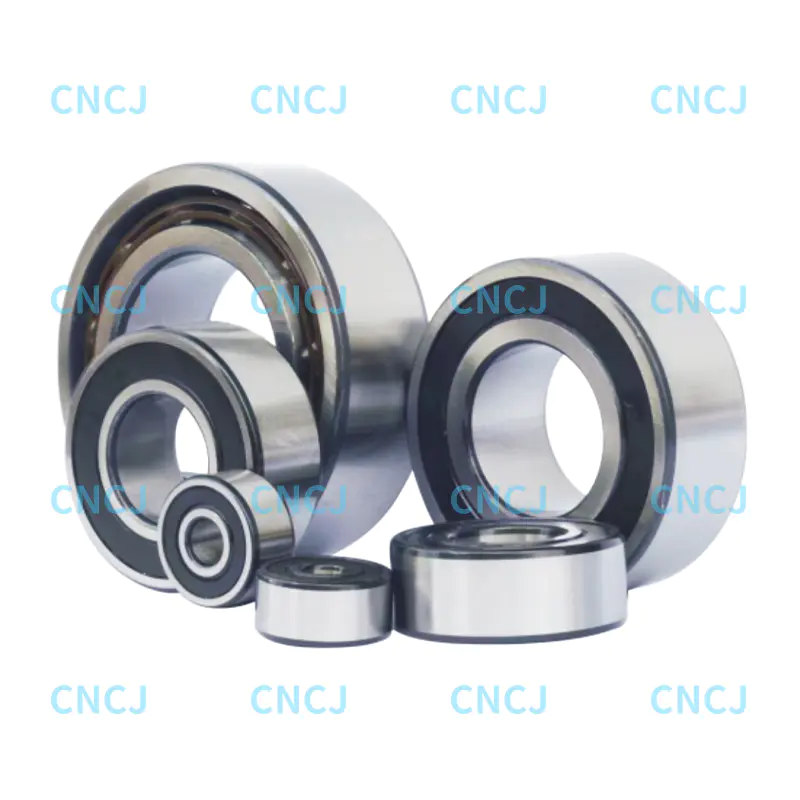
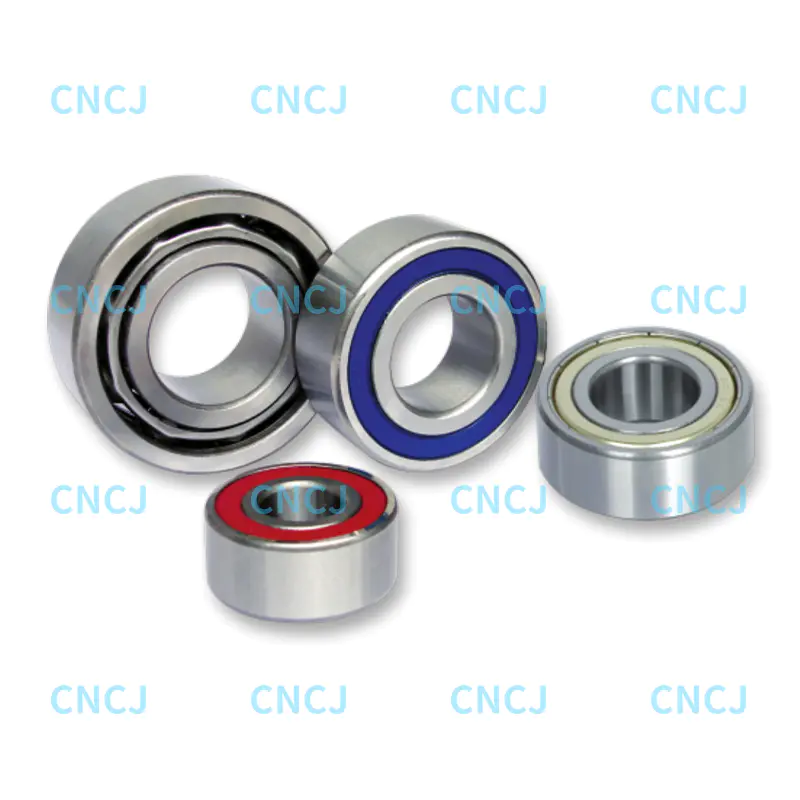
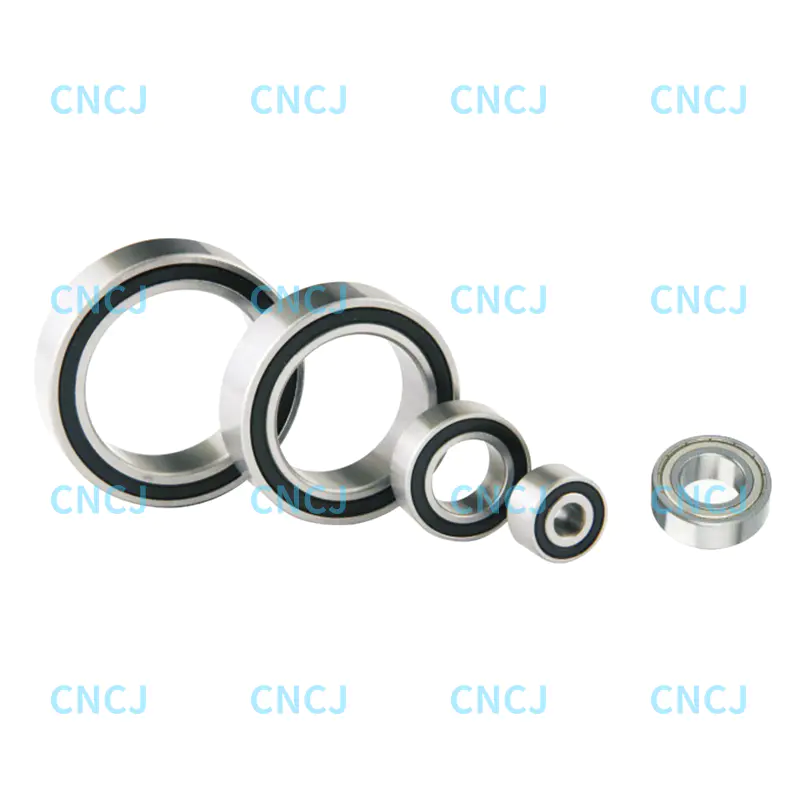
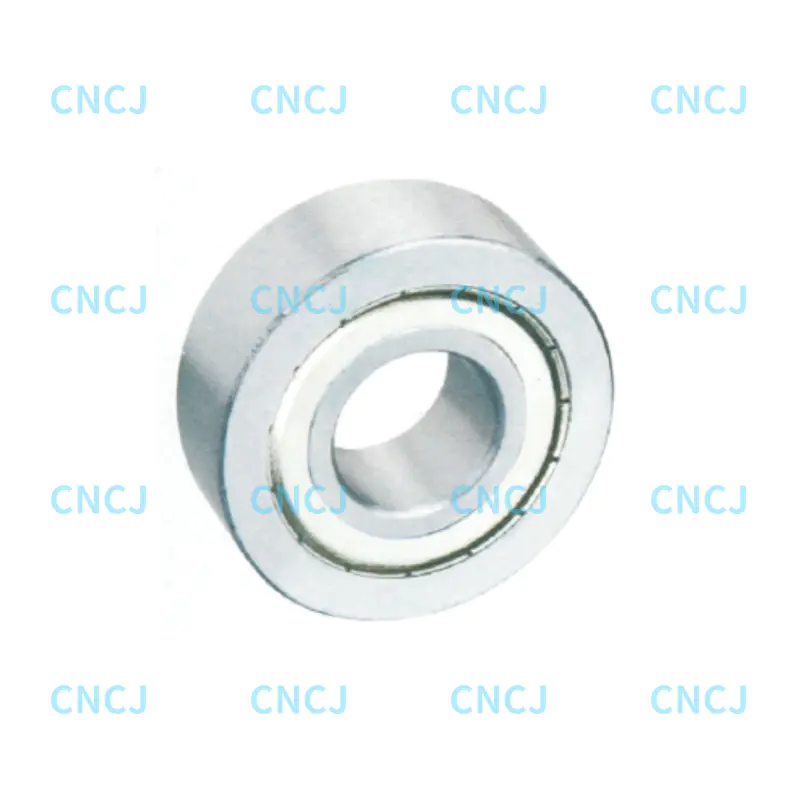
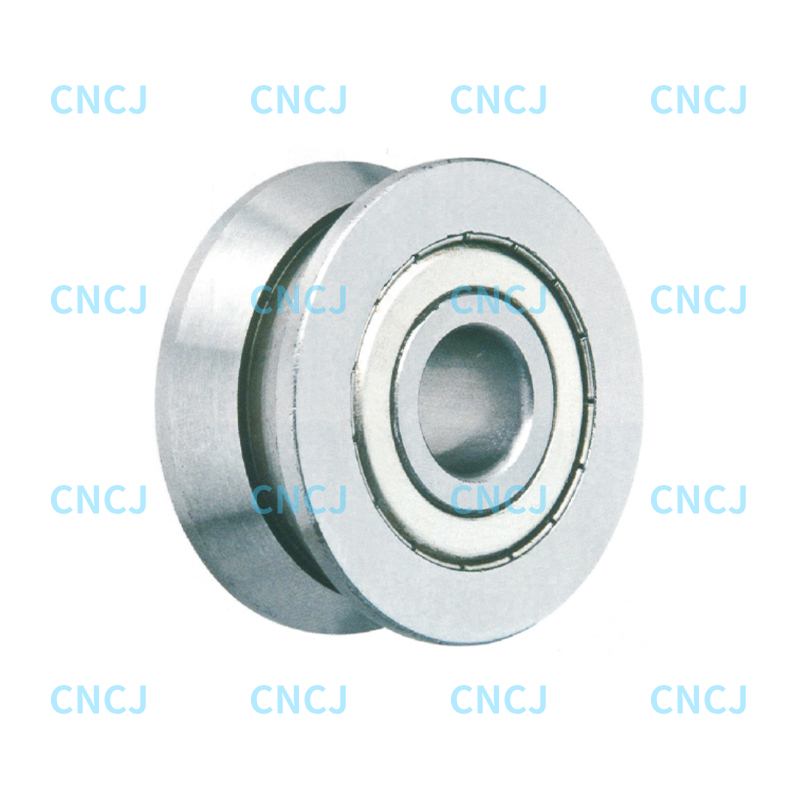
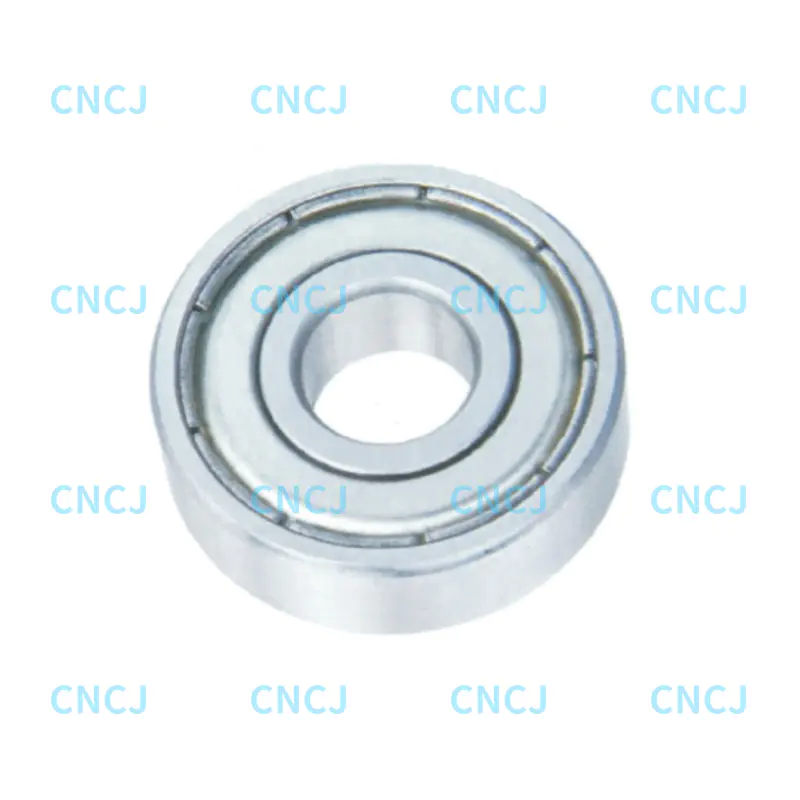
The system and the bearings have to be designed together, not ordered separately. Sealed for life options, such as the 2RS versions of the 30 and 38 series double row angular contact ball bearings, need no external greasing and pair naturally with single point units on isolated equipment. Open or ZZ shielded versions, by contrast, accept a relubrication path and suit central systems where fresh doses arrive on schedule.
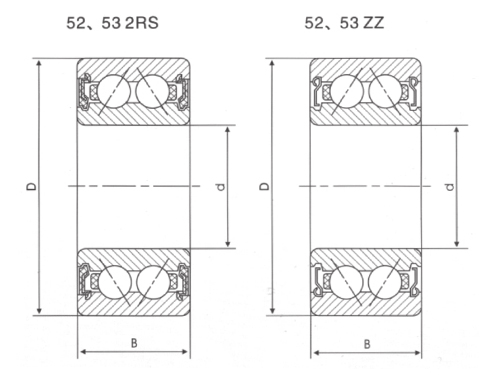
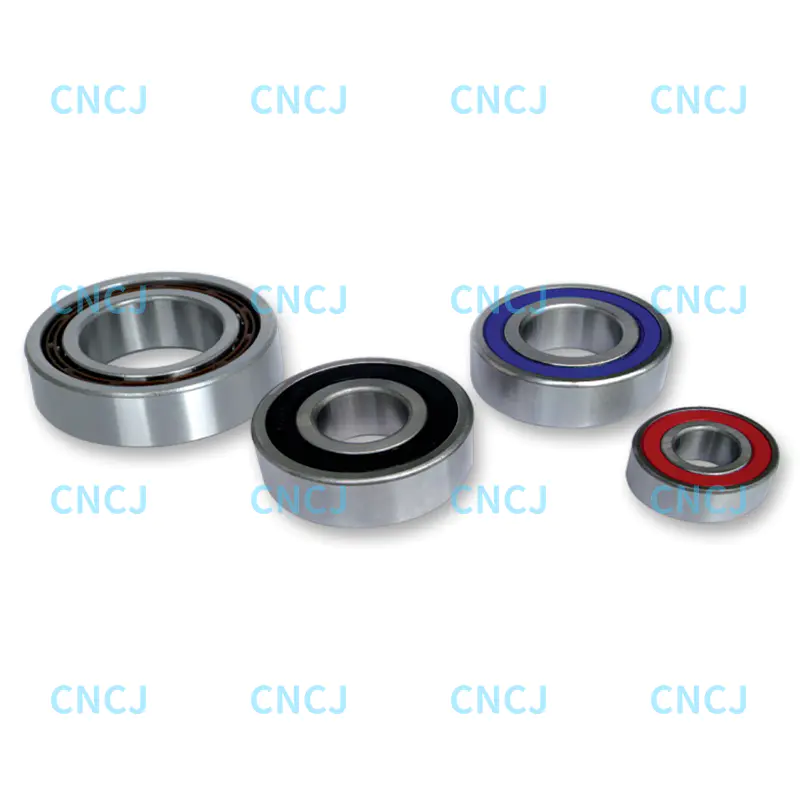
Preloaded arrangements deserve special care. Double row angular contact ball bearings in the 52 and 53 series run under constant preload, so excessive grease volume causes churning, heat and premature seal damage. Their lubrication cycle needs tighter, smaller doses rather than generous fills, which is exactly what a correctly sized metering device provides.
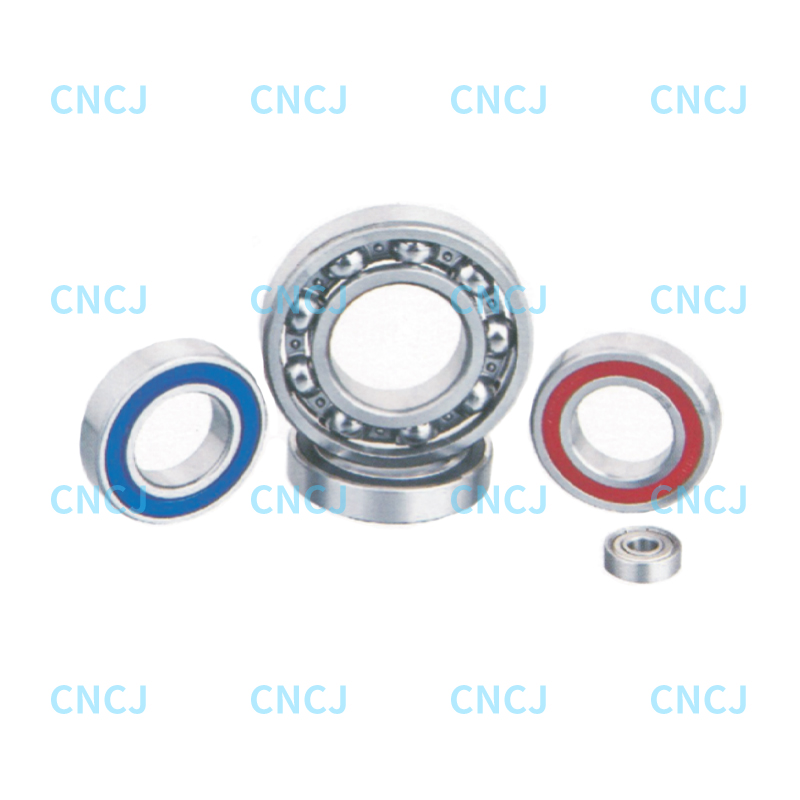
Standard deep groove ball bearings are the most common recipients of automatic lubrication, and getting their grease type, quantity and interval right is well documented. For a deeper look at grease selection and relubrication practice, our guide to the lubrication and maintenance methods for deep groove ball bearings covers the details. A bearing manufacturer such as Ningbo Wanshun Bearing Co., Ltd., which produces high precision, low noise double row angular contact ball bearings and small and medium deep groove ball bearings, can also help you match a series to the lubrication approach you plan to run.
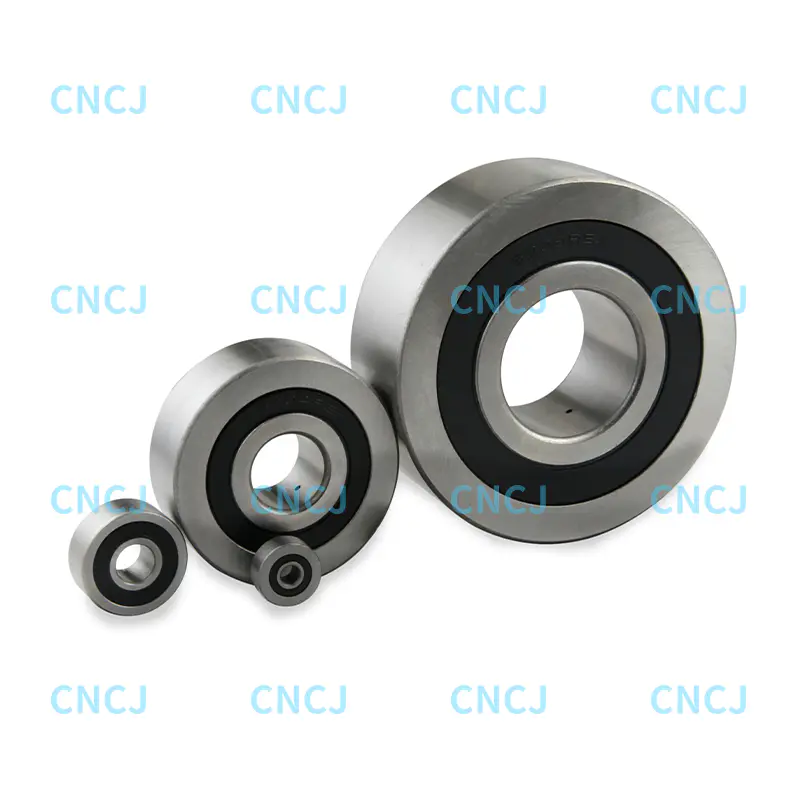
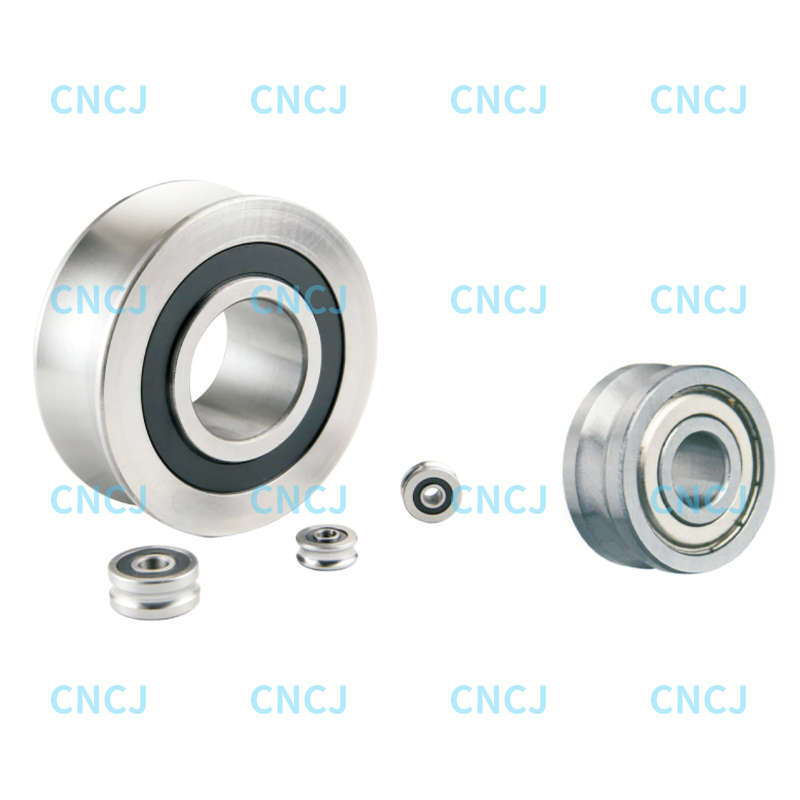
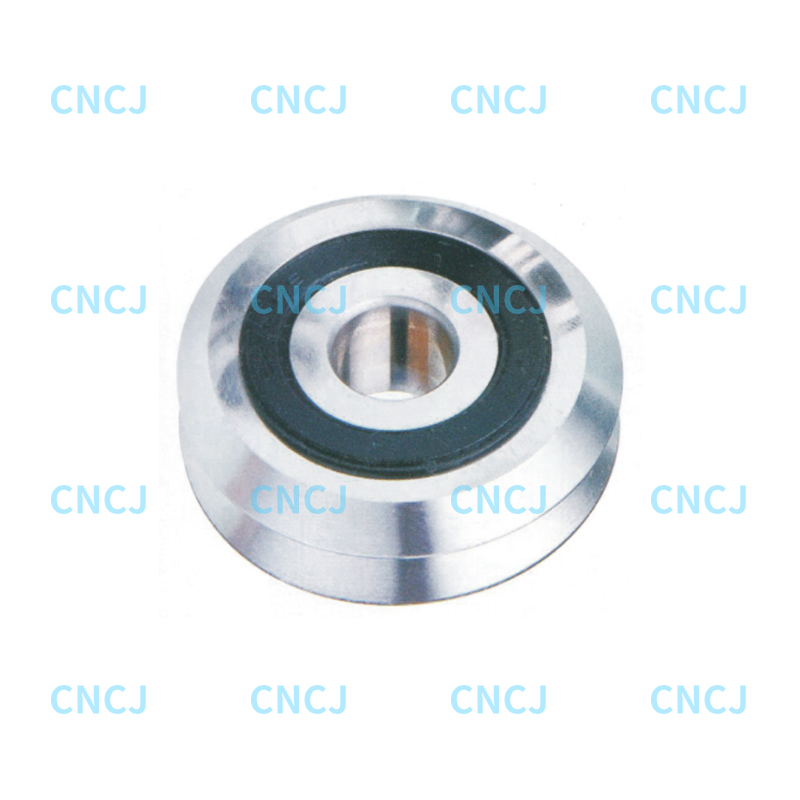
Automated linear axes add their own lubrication points. W series line track rollers and similar guide rollers ride along rails in industrial automation, and a small progressive system can feed rollers and rail surfaces from one compact unit. Because these rollers carry concentrated point loads, film loss shows up quickly as flat spots, noise and erratic travel, so they benefit from metered delivery as much as any rotating bearing.
An automatic system fails quietly if nobody watches it, so a short routine keeps it honest:
Verify that the reservoir level drops steadily, since a full reservoir weeks after refilling usually signals a blocked line
Check the controller log or cycle indicator at least weekly and investigate any fault alarm immediately
Listen to bearings right after a cycle, because fresh grease should never raise noise levels
Confirm grease compatibility before switching products, since mixing incompatible thickeners can break down the lubricant
During overhauls, flush the main lines and replace any metering device that cycled out of tolerance
One more habit matters: record the grease type on a label at the controller cabinet, not only in a manual on a shelf. Most field problems trace back to an unknown grease being added on a night shift by someone who could not find the specification.
Automatic bearing lubrication systems are not exotic technology; they are plumbing plus control, applied consistently. Start by counting your lubrication points and measuring how far each one sits from a workable pump location. Pick the system family that matches those numbers, choose bearings that accept the lubrication approach you intend to run, and keep the monitoring routine tight. Bearings that receive a small, clean, on time dose will outlast any bearing that waits for someone with a grease gun and a spare hour.
 English
 中文简体
中文简体 Deutsch
 Español