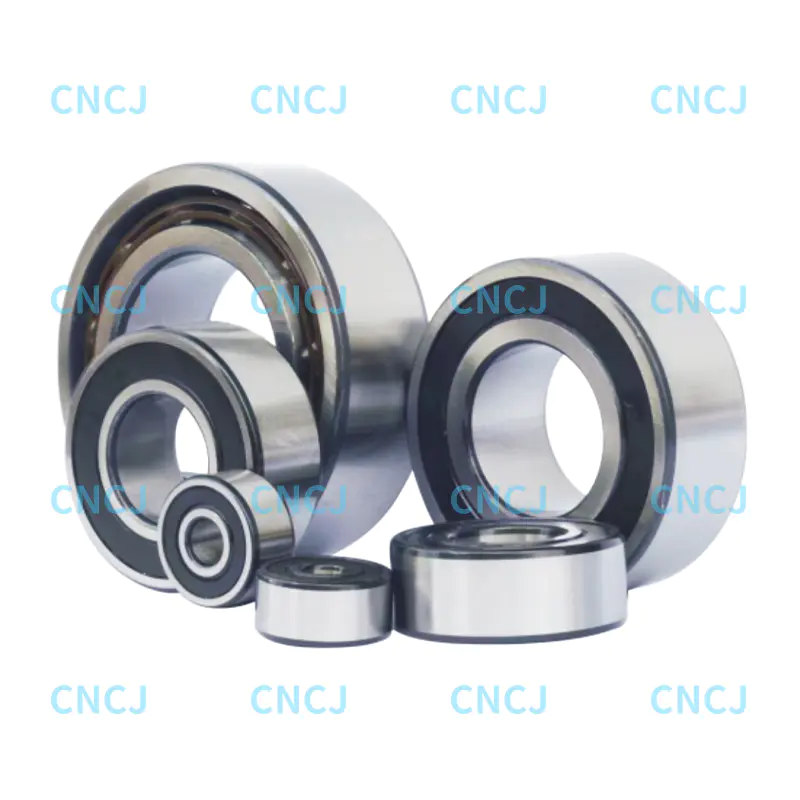
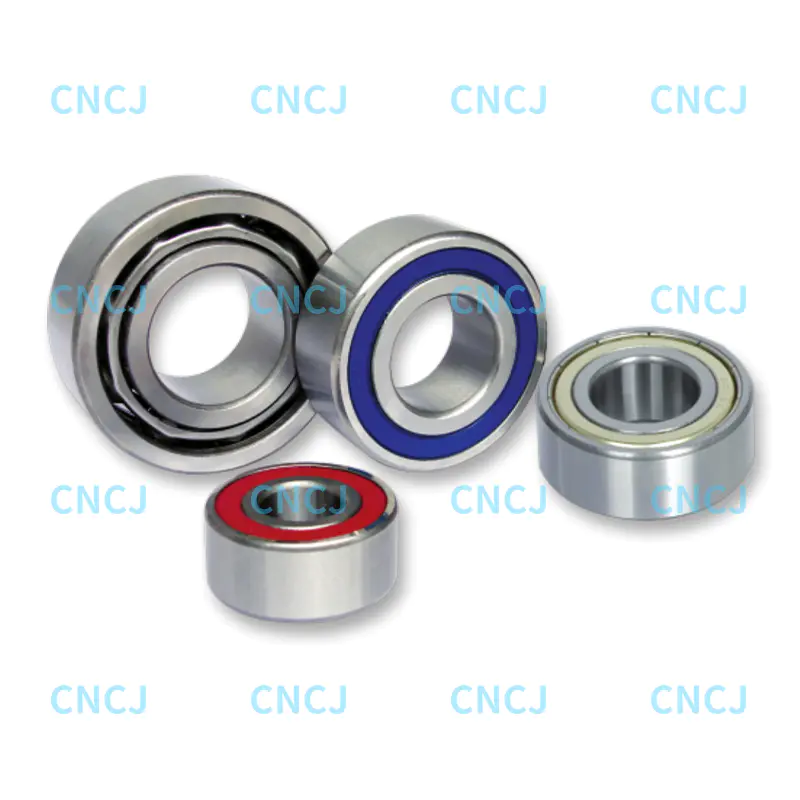
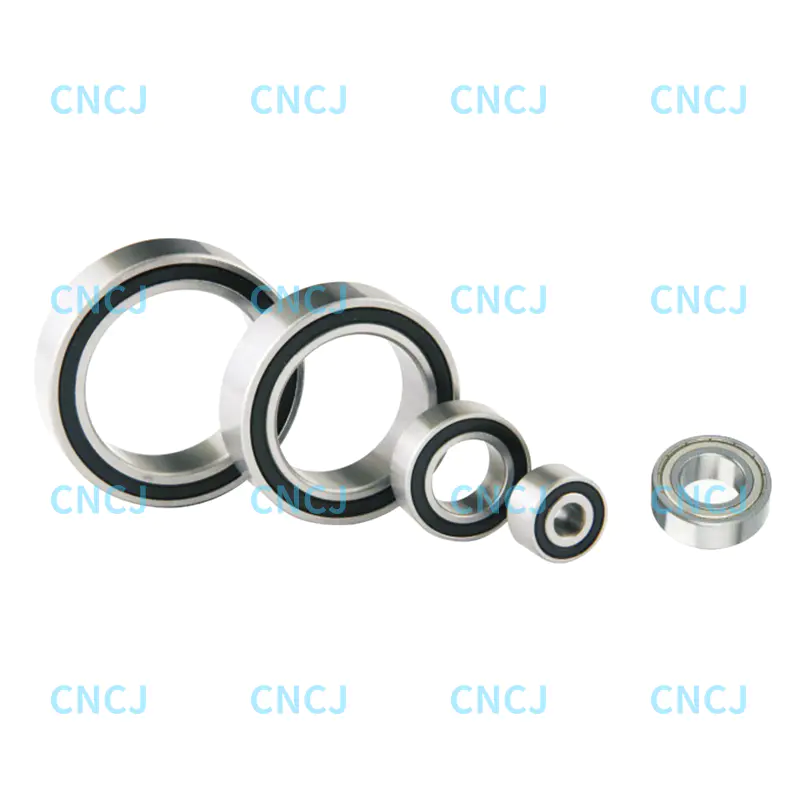
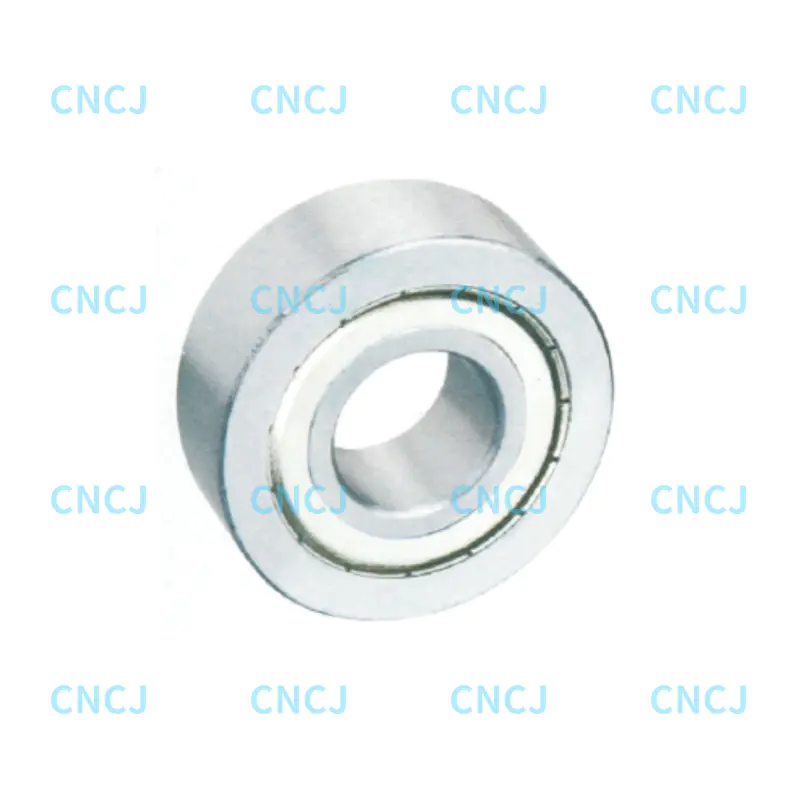
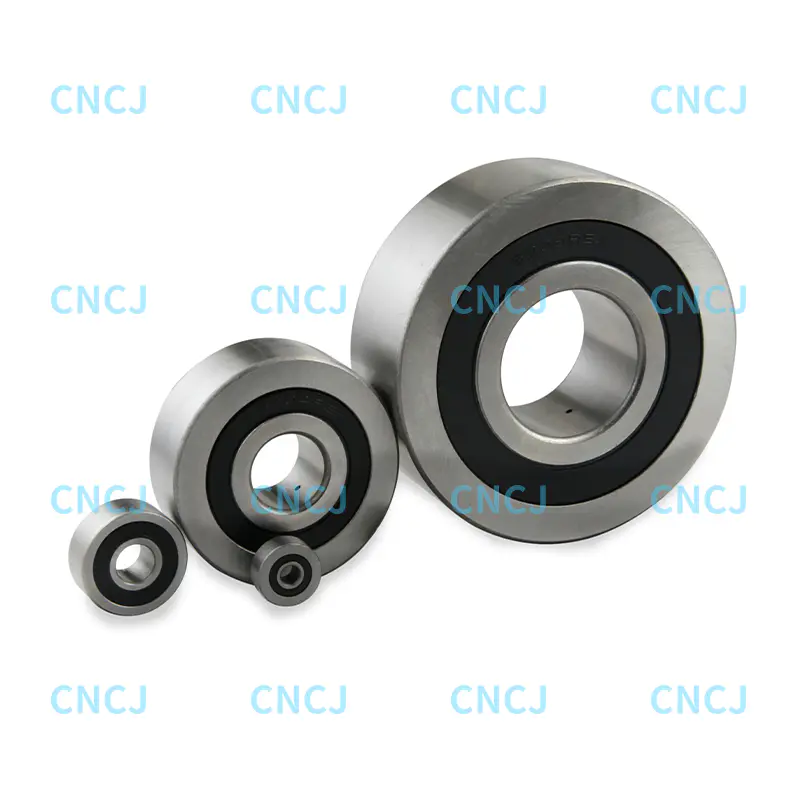
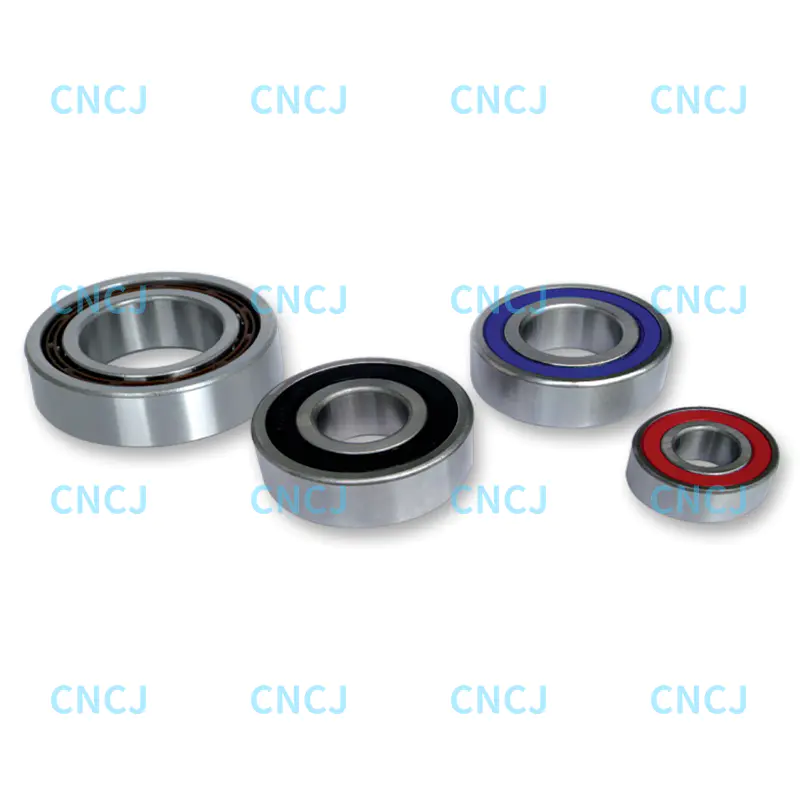
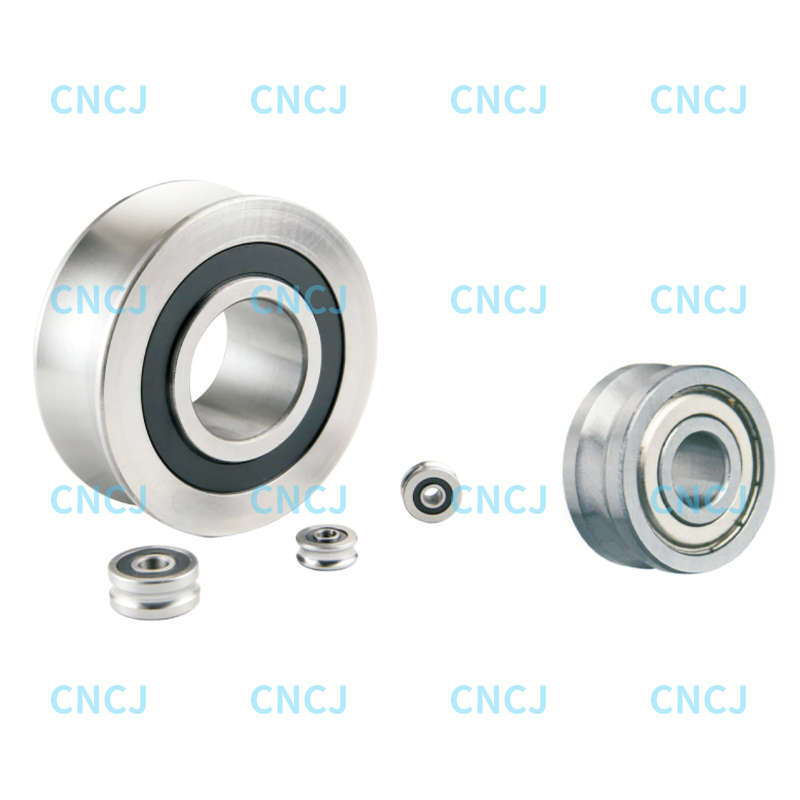
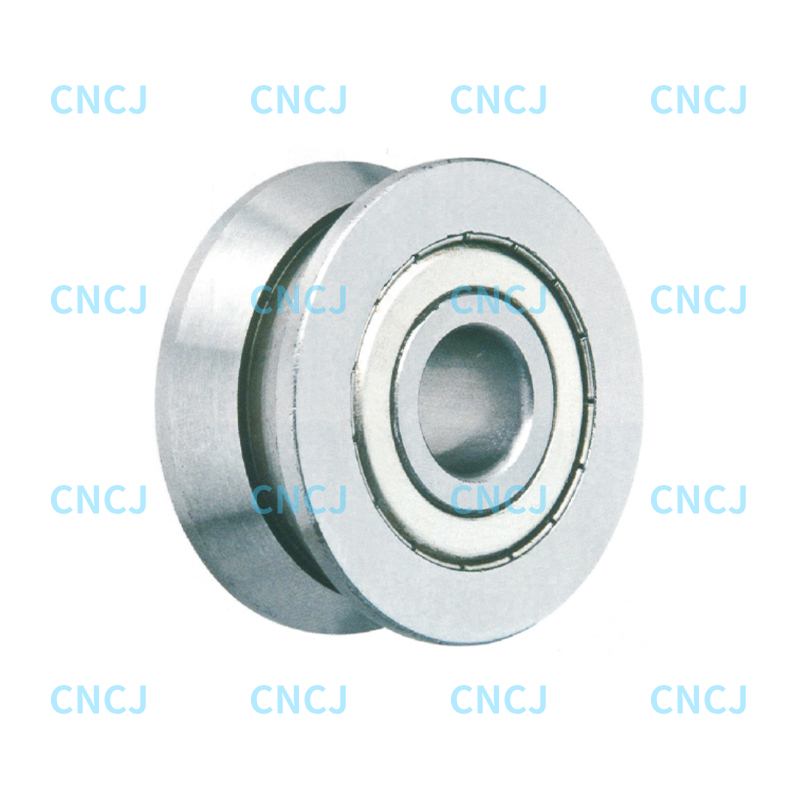
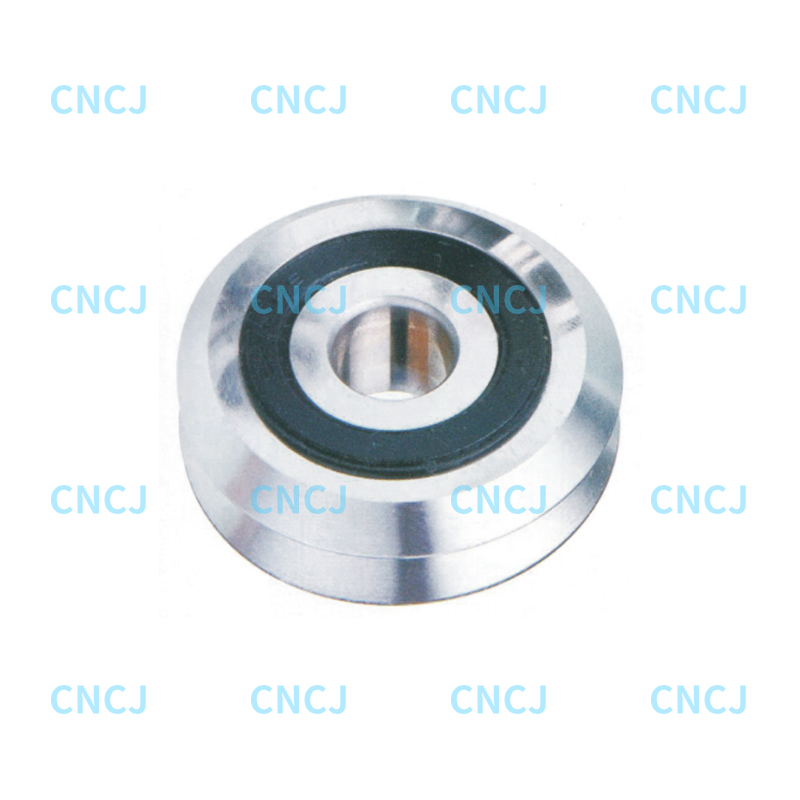
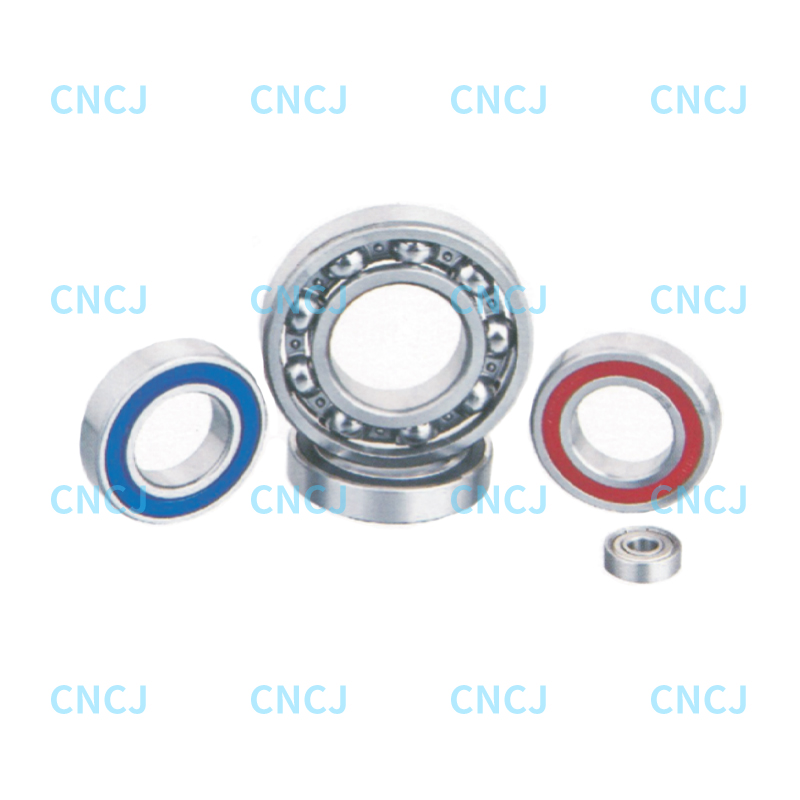
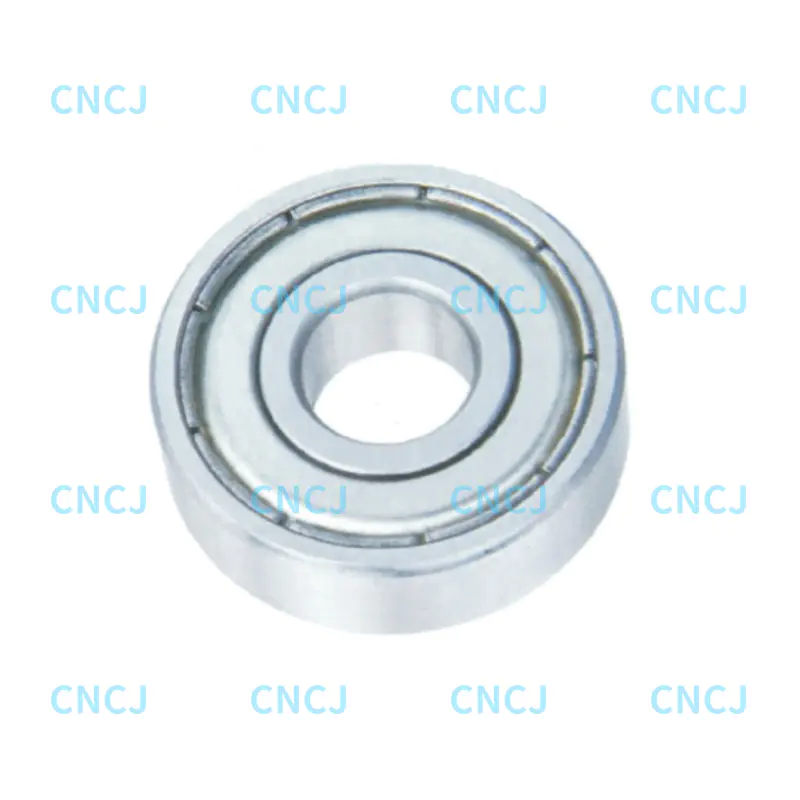
Double Row Ball Bearings are widely used in various mechanical equipment due to their high load-carrying capacity and stable performance, and are widely used in automobiles, industrial equipment, home appliances, and precision instruments. However, with long-term use or improper maintenance, double row ball bearings may experience some common faults, affecting the normal operation of equipment. Understanding the causes and solutions to these faults helps extend the bearing's service life and improve the operating efficiency of mechanical equipment.
1. Overheating of the Bearing
Fault Symptoms: The bearing overheats during operation, which may lead to bearing damage, lubricant deterioration, and decreased equipment efficiency.
Causes:
Insufficient Lubrication: Lack of lubrication or poor-quality lubricant leads to increased friction and severe overheating.
Overload Operation: Long-term overload operation of the bearing, resulting in insufficient load-carrying capacity, can also lead to overheating.
Bearing Defects: Internal defects in the bearing, such as mismatch between the rolling elements and raceways, may cause excessive friction.
Improper Installation: Improper bearing installation creates uneven friction, leading to localized overheating.
Solutions:
Check Lubrication Condition: Regularly check the oil level and quality to ensure proper lubrication. Replace the oil promptly if it deteriorates.
Appropriate Load: Ensure the bearing operates within its normal load range and avoid prolonged overloading.
Bearing Replacement: Replace the bearing promptly if it is defective, selecting a reliable bearing.
Correct Installation: Ensure the bearing is installed precisely, avoiding misalignment or excessive tightness.
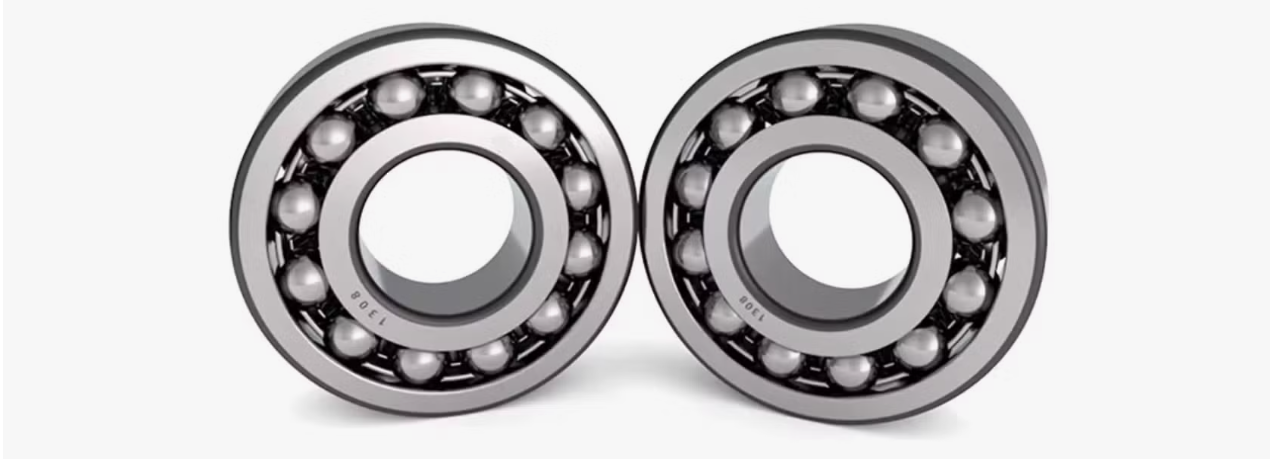
2. Abnormal Bearing Noise
Fault Symptom: The double row ball bearing emits abnormal noise during operation, which may be accompanied by vibration or irregular running behavior.
Causes:
Rolling Element Damage: The rolling elements (such as balls or rollers) inside the bearing may be damaged due to external impact or wear, resulting in noise.
Poor Lubrication: Insufficient or deteriorated lubricating oil increases friction and generates noise.
External Contaminants: Dust, moisture, or impurities enter the bearing, contaminating the lubricating oil and causing bearing wear, thus generating noise.
Improper Bearing Installation: Axial or radial misalignment of the bearing during installation may lead to uneven contact and generate noise.
Solutions:
Inspect Bearing Surface: Remove the bearing and inspect its rolling elements and raceways for wear. Replace it promptly if damage or defects are found.
Check Lubrication: Ensure the lubricating oil level is appropriate and the oil quality is good. If the lubricating oil is contaminated, replace it.
Clean Bearing: Use a specialized cleaning agent to clean the bearing, removing external contaminants and ensuring the interior is clean. Precise Installation: Ensure bearing concentricity and alignment during installation to avoid noise caused by improper installation.
3. Bearing Failure (Bearing Seizure)
Fault Symptoms: The bearing seizes during operation, preventing normal equipment rotation. The bearing may become completely locked.
Causes:
Insufficient Lubricating Oil: Severely insufficient lubricating oil or failure to replace it over a long period leads to loss of lubrication, increased friction, accelerated bearing wear, and ultimately, seizure.
Overload Operation: Prolonged exposure to loads exceeding the rated load causes excessive pressure on the rolling elements and raceways, resulting in seizure.
Overheating: Prolonged operation of the bearing in high-temperature environments causes lubricating oil evaporation, increasing friction and ultimately leading to seizure.
Solutions:
Check and Replenish Lubricating Oil: Regularly check the lubricating oil level to ensure it is sufficient and uncontaminated. Replace the lubricating oil promptly if it is ineffective.
Avoid Overload Operation: Ensure the equipment operates within a reasonable load range and avoid prolonged overload operation.
Monitor Bearing Temperature: Employ a temperature monitoring system to ensure the bearing operates within its normal temperature range and promptly detect overheating issues.
4. Bearing Surface Corrosion
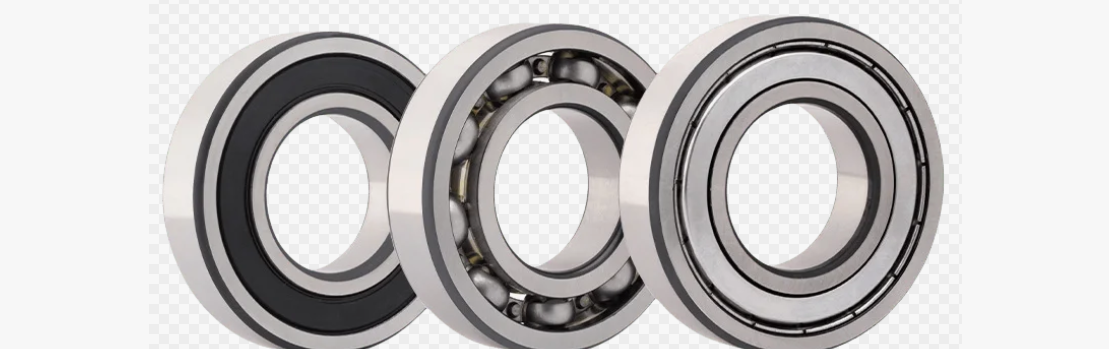
Symptoms: Rust or corrosion appears on the bearing surface, especially in humid environments. The outer surface of the bearing may rust, affecting its normal operation.
Causes:
Moisture and Water: When the bearing is exposed to a humid environment, moisture enters the bearing, leading to corrosion.
External Contamination: Contaminants (such as acidic gases, chemical liquids, etc.) come into contact with the bearing surface, causing corrosion.
Lubricating Oil Failure: The anti-corrosion properties of the lubricating oil decrease, failing to effectively protect the bearing.
Solutions:
Strengthen Protection: Use corrosion-resistant bearings in humid environments to prevent moisture intrusion. For particularly humid environments, use sealed bearings or add protective measures.
Keep Clean: Regularly inspect the bearing surface and remove contaminants promptly to prevent corrosion.
Change Lubricating Oil: Use lubricating oil with good anti-corrosion properties to ensure good protection of the bearing surface.
5. Excessive Bearing Vibration
Symptoms: Severe vibration occurs during equipment operation, affecting working accuracy and efficiency, and may be accompanied by abnormal noises.
Cause Analysis:
Bearing Wear: Long-term use causes wear on the rolling elements and raceways inside the bearing, resulting in uneven bearing clearance and vibration.
Misalignment: Incorrect bearing installation or misalignment between bearing assemblies leads to unbalanced operation and vibration.
Bearing Damage: Cracks, deformation, or other mechanical damage to the bearing cause unstable operation.
Solutions:
Regular Inspection and Replacement: Regularly inspect bearings used for extended periods and replace them promptly if severe wear or damage is found.
Equipment Alignment: Ensure accurate alignment when installing bearings to avoid vibration caused by improper installation.
Balance Verification: For equipment requiring high-precision operation, perform balance verification to ensure the balance of all components.
Double-row ball bearings are common mechanical components, and their long-term efficient operation is crucial for ensuring normal equipment operation. Understanding common bearing failures and their solutions is essential for improving equipment reliability and extending service life. In practical applications, regular maintenance, correct use, and selection of appropriate bearing types and lubricants are effective means of preventing bearing failures. When encountering bearing failure, troubleshooting should be carried out promptly based on the symptoms, and corresponding solutions should be taken to ensure smooth operation of the equipment.
 English
 中文简体
中文简体 Deutsch
 Español