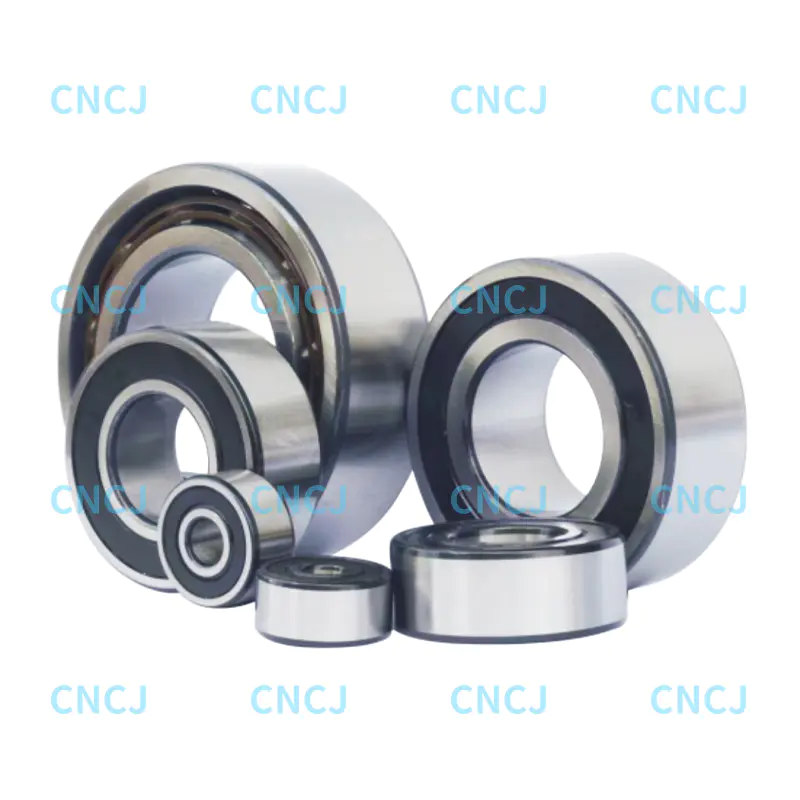
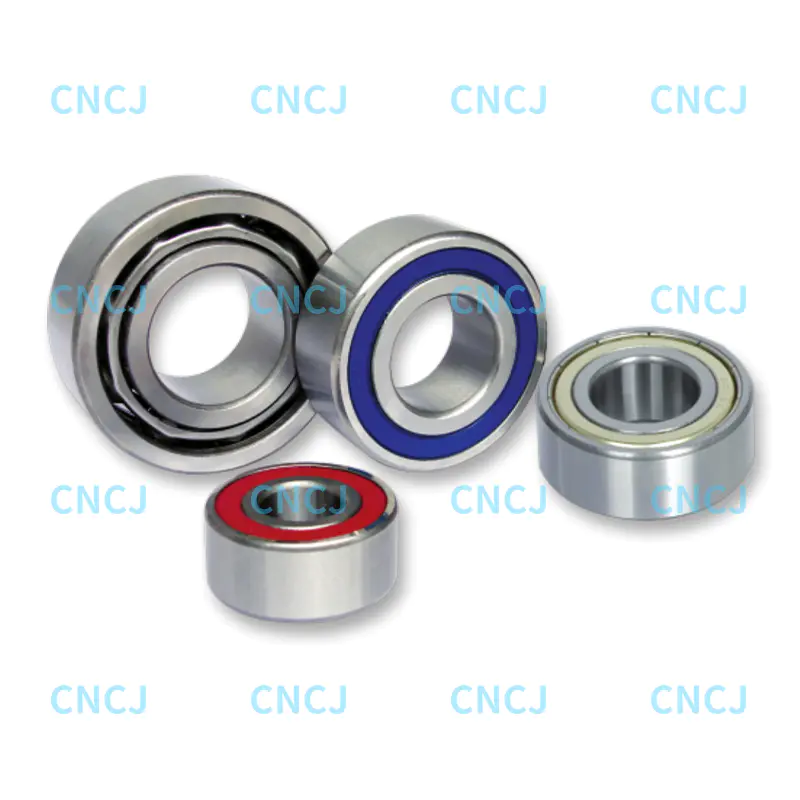
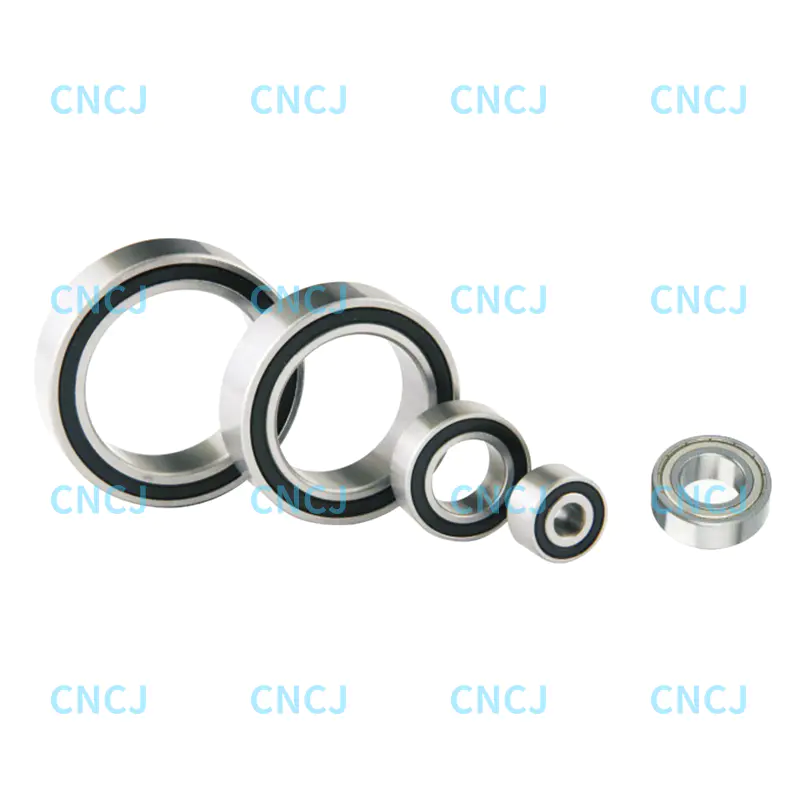
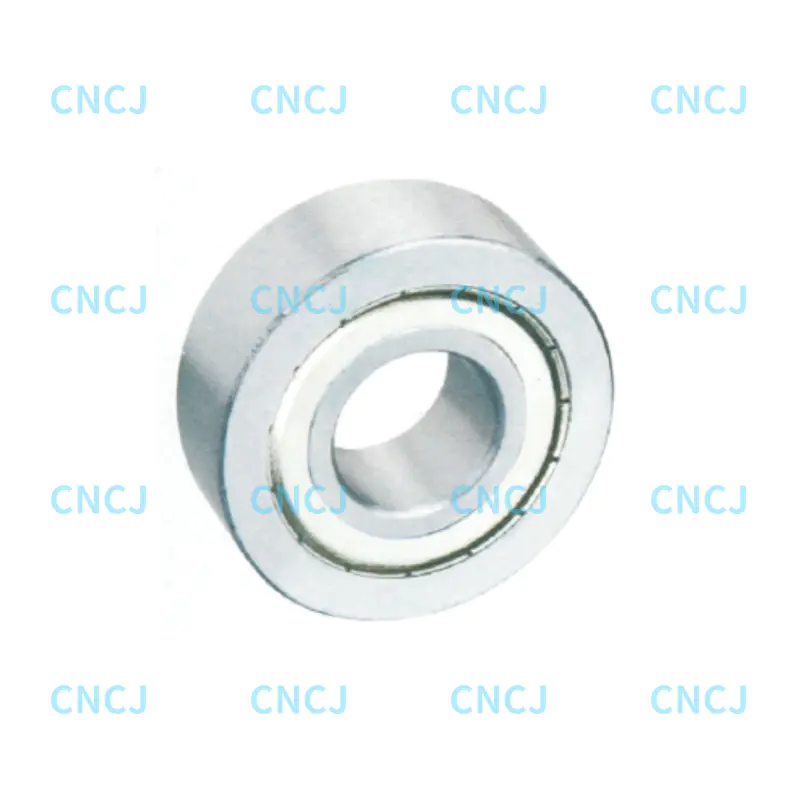
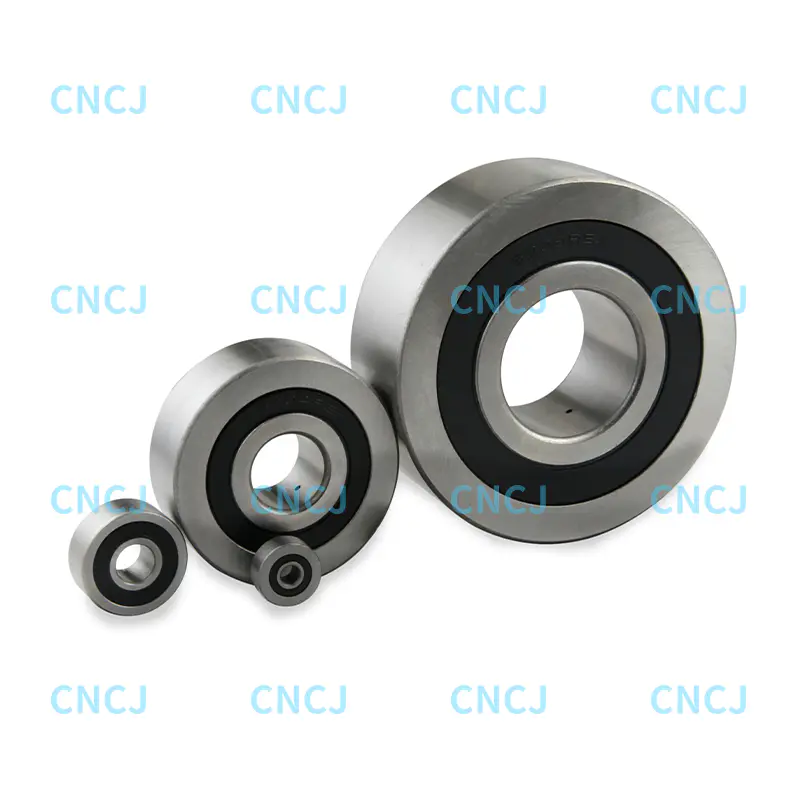
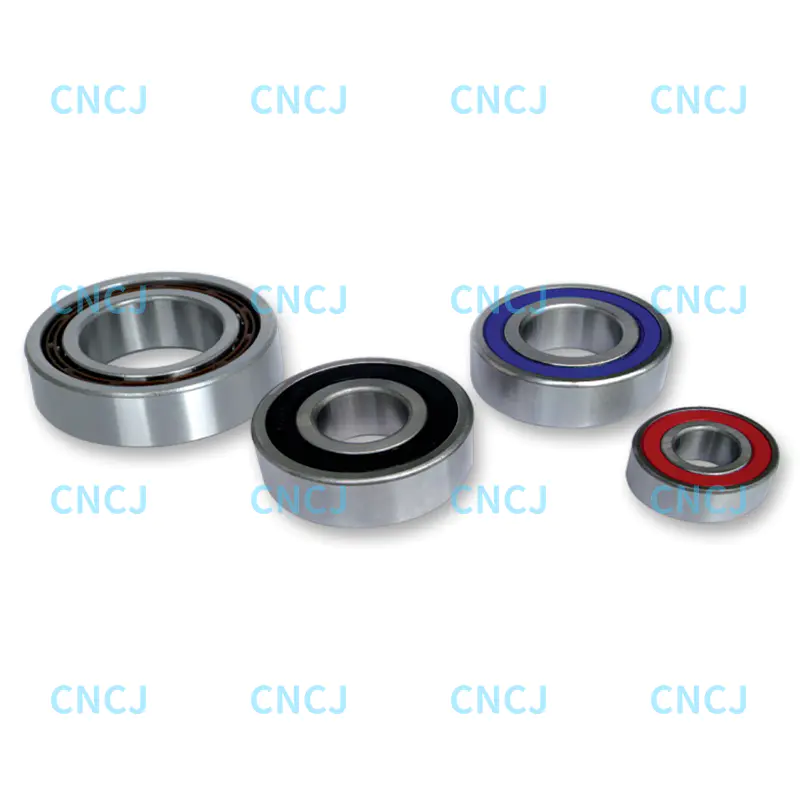
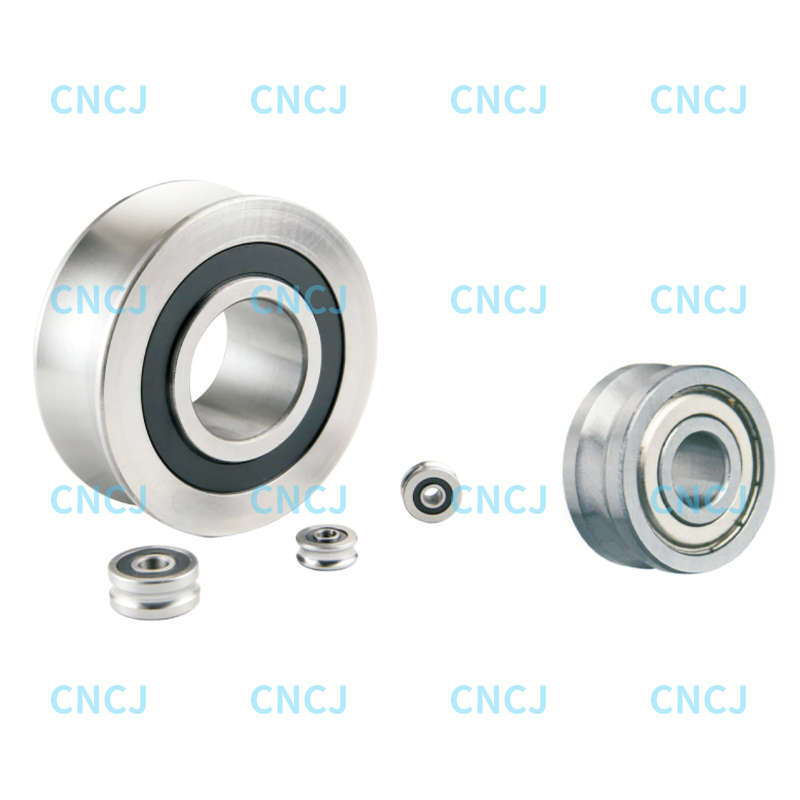
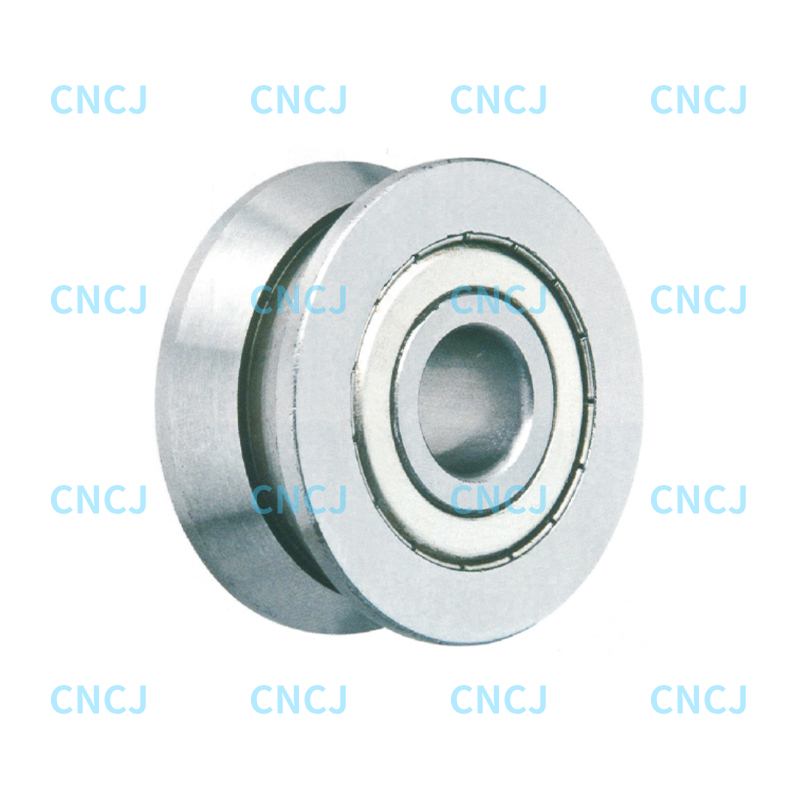
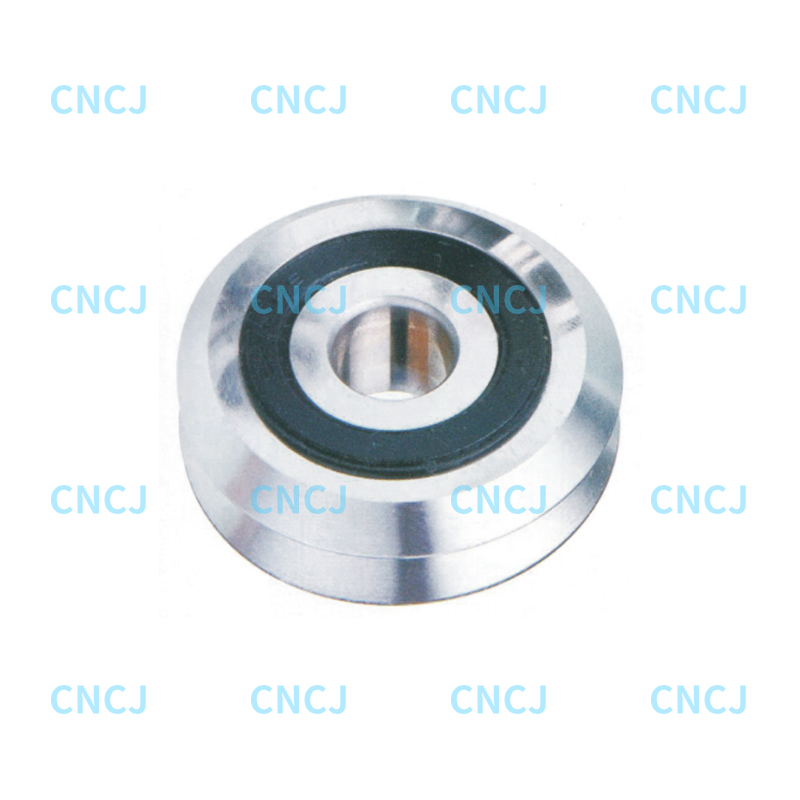
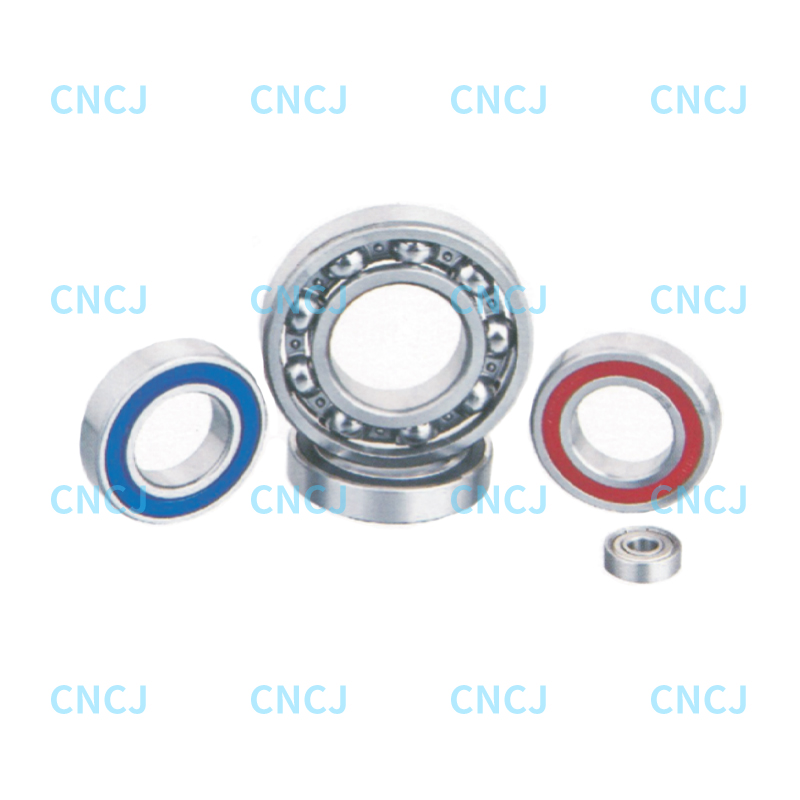
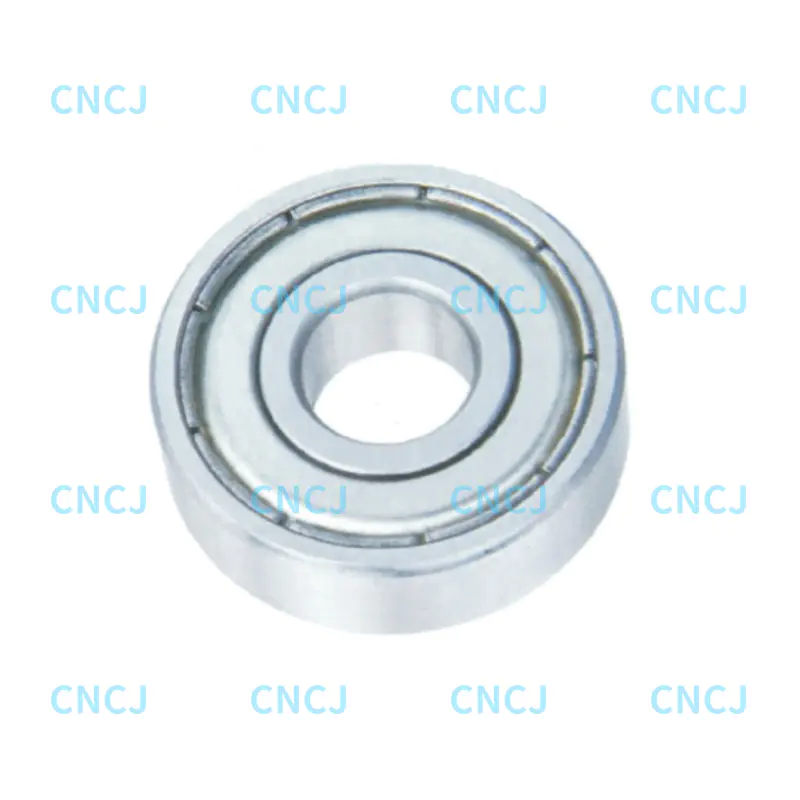
Double row ball bearings are widely used in motors, mechanical equipment, fans, automotive parts, and other applications because they can simultaneously withstand radial and bidirectional axial loads. However, in actual use, if a double row ball bearing makes abnormal noise, it not only affects the stability of equipment operation but may also indicate potential failure risks, requiring timely investigation and handling.
1. Common Causes of Abnormal Noise in Double Row Ball Bearings
(1) Insufficient Lubrication or Deterioration of Lubricating Grease
Poor lubrication can lead to direct friction between metal surfaces, resulting in a sharp, piercing friction sound. Dry, blackened, water-containing, or contaminated grease can also cause abnormal noise. Many bearing noise problems are ultimately related to the lubrication condition.
(2) Foreign Matter Ingress: Dust, Metal Shavings, or Particulate Impurities
If dust, metal shavings, or particles get into the double row ball bearing during operation, it can cause irregular friction between the rolling elements and raceway surfaces, resulting in a hissing or clicking sound.
(3) Improper Installation: Tilting, Insufficient or Excessive Preload
If eccentricity, incorrect angle, or improper preload setting occurs during installation, it will lead to abnormal running trajectory of the double-row ball bearing, generating irregular noise.
(4) Bearing Wear or Raceway Damage
Prolonged high-speed operation, excessive load, or impact can cause damage to the raceway and balls, resulting in a noticeable continuous knocking sound or a low, muffled noise. This is generally a typical signal that the bearing has reached the end of its lifespan.
(5) Improper Bearing Selection
If the selected double-row ball bearing has insufficient rated load or is unsuitable for the working conditions, it will also generate abnormal noise during operation due to overload or excessive speed.
(6) Equipment Resonance or Shaft Imbalance
Not all abnormal noises originate from the bearing itself. Equipment vibration, shaft eccentricity, and abnormal belt tension can also amplify the noise through the bearing structure.
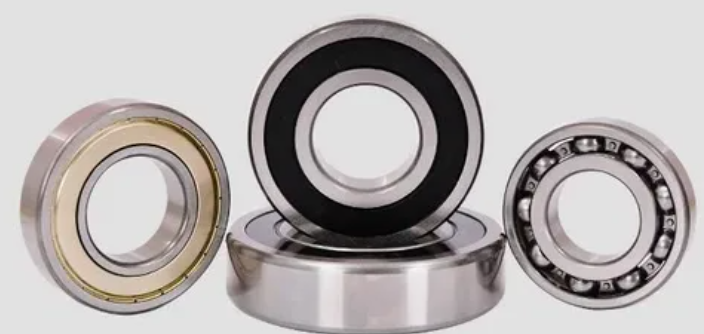
2. How to determine the type of abnormal noise from a double-row ball bearing?
(1) Harsh Friction Sound
This usually indicates a lubrication problem or the entry of foreign objects.
(2) Continuous clicking or knocking sounds: May indicate damaged balls, a broken cage, or raceway spalling.
(3) Low-frequency buzzing or vibration sounds: Often caused by improper installation, shaft misalignment, or inappropriate preload.
(4) Irregular metallic impact sounds: May indicate severe wear or impending bearing failure.
3. What to do if a double-row ball bearing makes abnormal noise? Effective solutions
(1) Check lubrication and replenish or replace grease promptly. If the grease is found to be dry, black, or contains water, it should be thoroughly cleaned and refilled.
Use high-quality bearing grease that matches the equipment to avoid secondary damage caused by low-quality grease.
Maintain the appropriate amount of grease; too much or too little will affect performance.
(2) Remove foreign objects from inside and around the bearing.
Open the casing to check for dust or metal shavings.
Check for damage to the seals or dust cover.
Clean the bearing if necessary (only for removable structures).
(3) Reinstall and align the shaft
Check if the bearing is tilted and if the preload is accurate. Use professional tools for press-fitting, avoiding hammering during installation. Ensure the bearing housing and shaft fit are within acceptable limits.
(4) Replace damaged double-row ball bearings
If there is obvious damage such as peeling, cracks, or plastic deformation, replace them immediately. Continued use will lead to equipment damage or even safety accidents.
4. How to effectively avoid abnormal noise from double-row ball bearings?
(1) Choose a reliable brand and appropriate model. Model selection should be based on factors such as load, speed, and operating environment; avoid blindly substituting.
(2) Ensure proper installation process. Use professional tools to ensure correct concentricity and preload.
(3) Establish a regular maintenance system. Add grease according to the usage cycle and regularly check vibration and temperature rise.
(4) Keep the operating environment clean. Prevent dust and particulate matter from entering the bearing system.
(5) Avoid overloading. Adjust operating conditions or upgrade the bearing model to ensure that the bearing does not wear prematurely due to overloading.
 English
 中文简体
中文简体 Deutsch
 Español