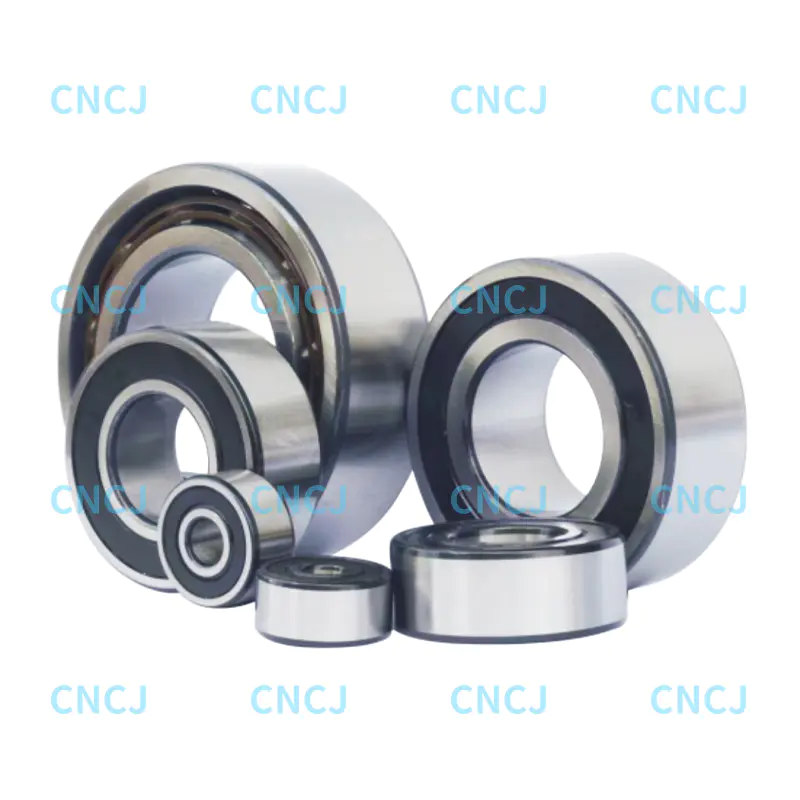
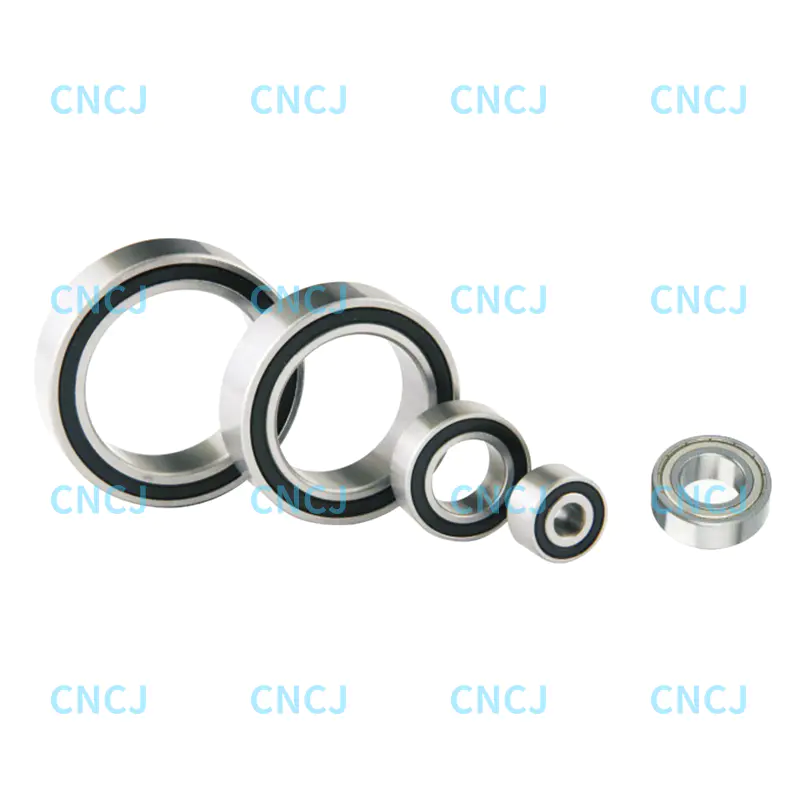
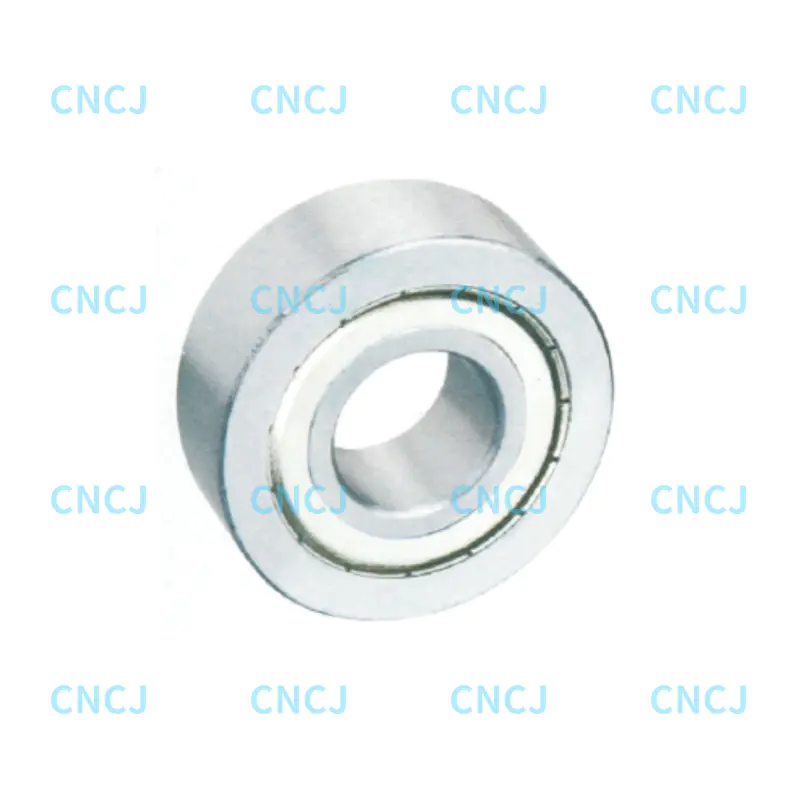
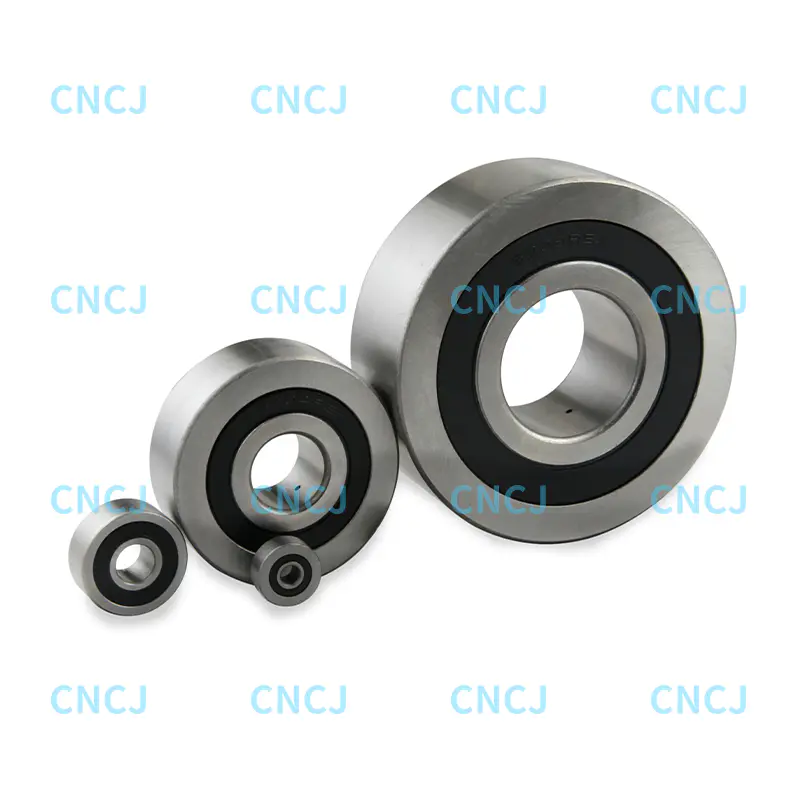
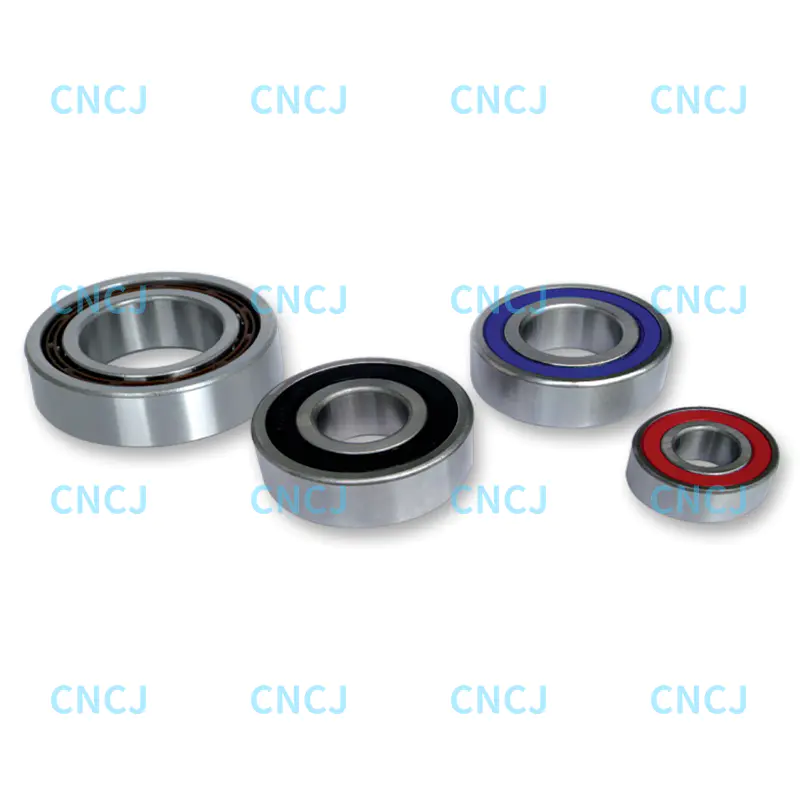
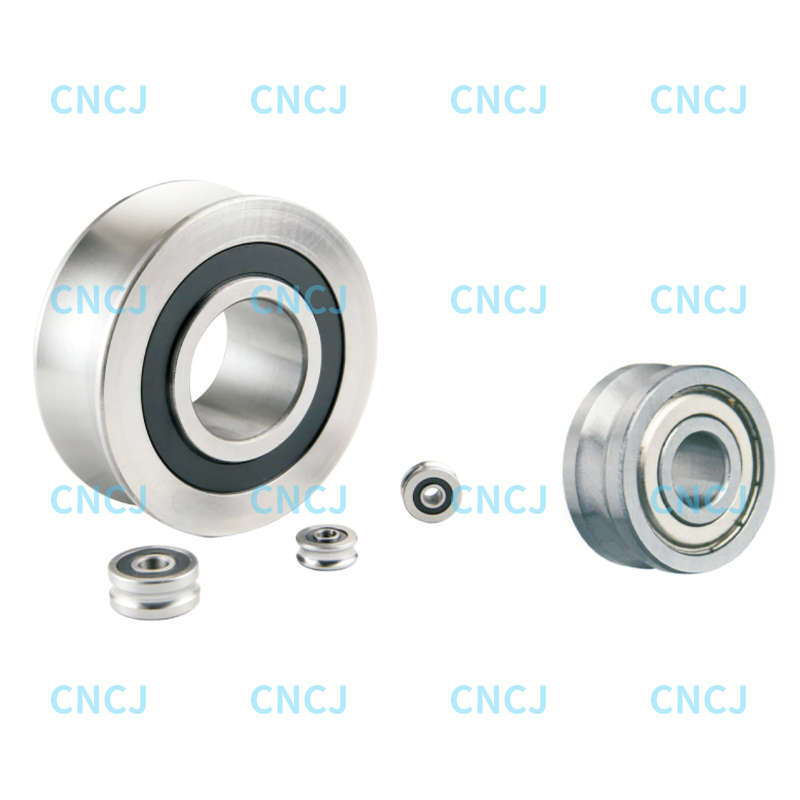
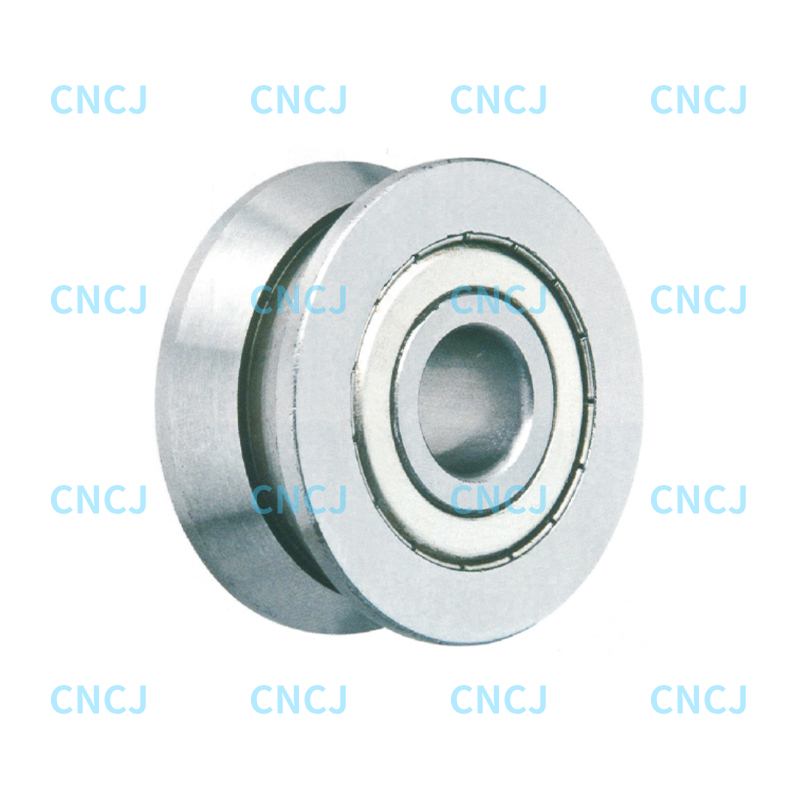
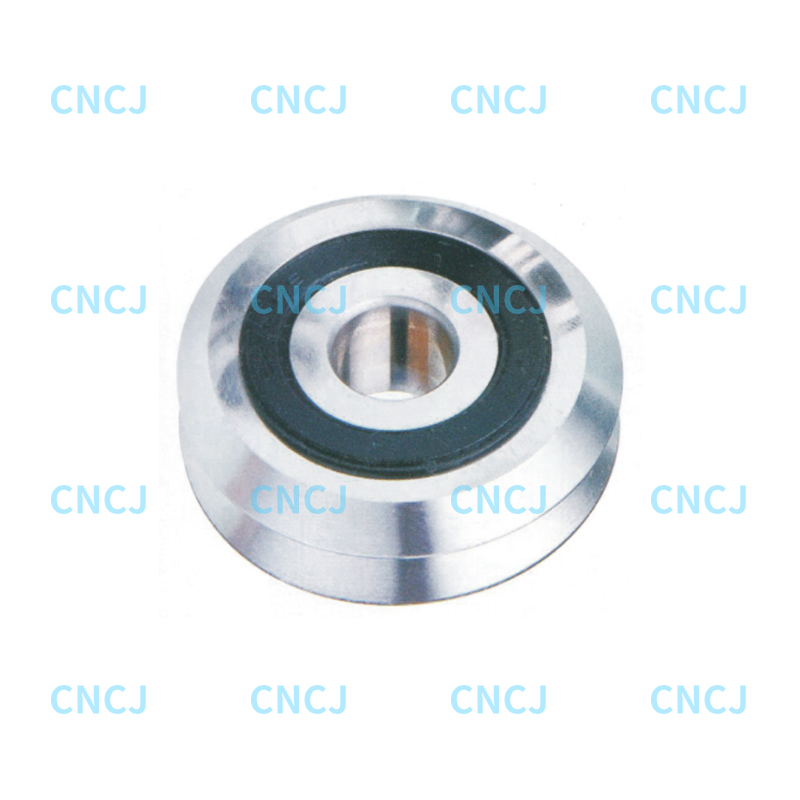
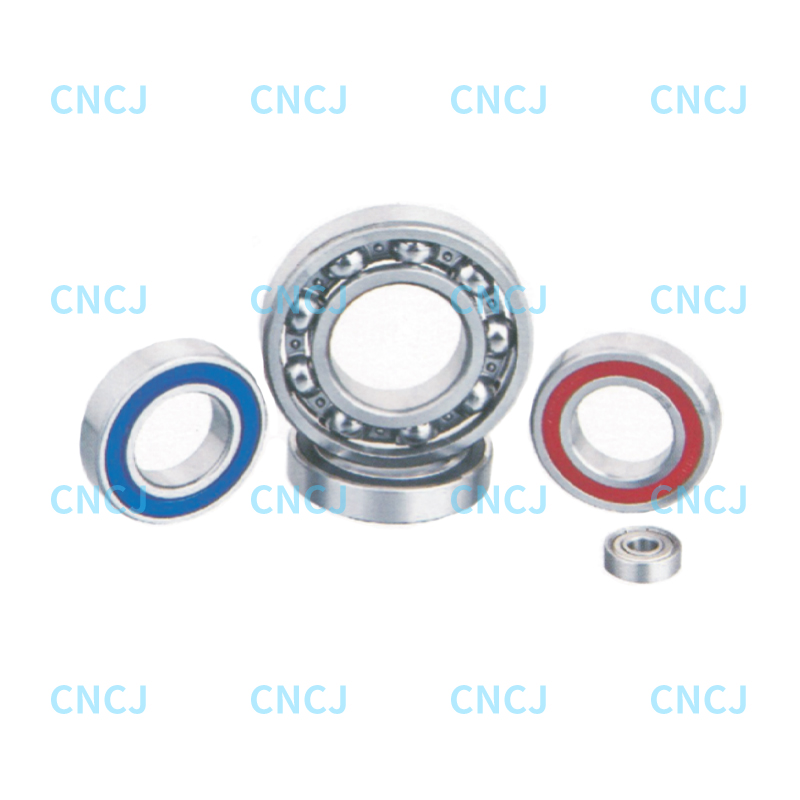
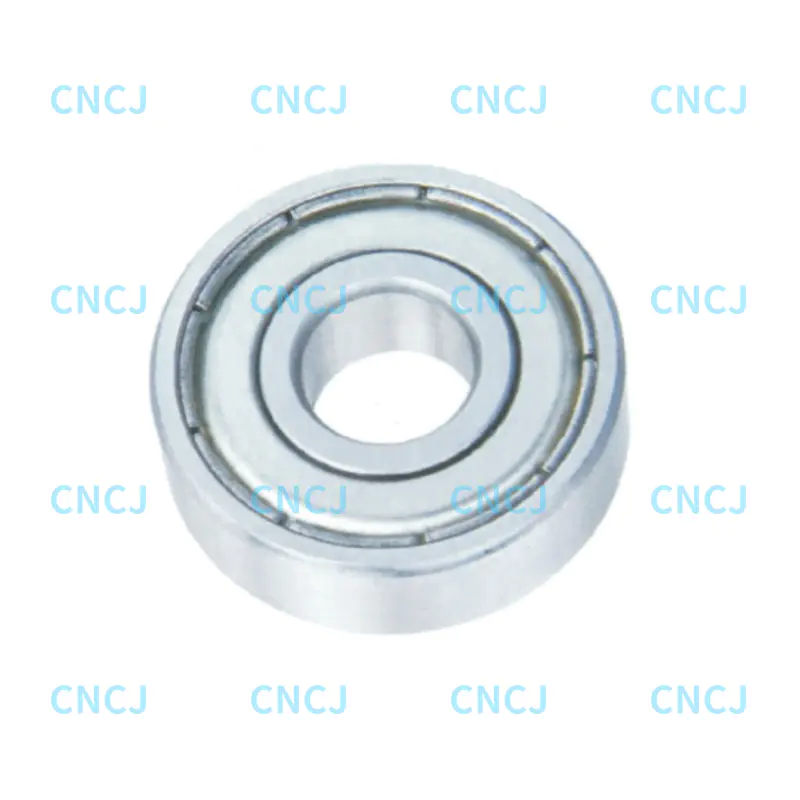
The world of industrial machinery is often hidden from the average consumer’s eye, yet it remains the backbone of modern life. From the electric motors that power household appliances to the massive gearboxes in wind turbines, everything depends on the smooth rotation of shafts and gears. At the heart of this mechanical harmony lies a critical component that has seen significant technological leaps in recent years: the Double Row Angular Contact Ball Bearings.
While these components may seem like simple metal rings filled with steel balls, they represent a peak of mechanical engineering. Recent shifts in the manufacturing landscape have placed a renewed focus on these specific bearings, as industries demand higher speeds, greater load capacities, and longer service lives without increasing the footprint of their machines.
The Core Advantage: Two Rows, One Solution
To understand why these bearings are currently dominating the industrial news cycle, one must first understand what makes them unique. In traditional machinery setups, engineers often had to use two single-row bearings placed side-by-side to handle heavy loads from multiple directions. This took up valuable space and required precise, often difficult, alignment.
The integrated double-row design solves this by placing two sets of balls within a single inner and outer ring. This "two-in-one" approach provides several immediate benefits:
-
Space Saving: By merging two bearings into one unit, manufacturers can design smaller, more compact machines.
-
Rigidity: The internal geometry is designed so that the rows of balls act against each other, creating a very "stiff" bearing that resists tilting and wobbling.
-
Simplified Installation: Handling one component instead of two reduces the risk of assembly errors, which is a major cause of early machine failure.
Handling the Pressure: Radial and Axial Loads
In the world of physics, moving parts are subject to two main types of forces: radial loads (pushing down or out from the center) and axial loads (pushing along the length of the shaft). Many bearings are good at handling one or the other, but few excel at both simultaneously.
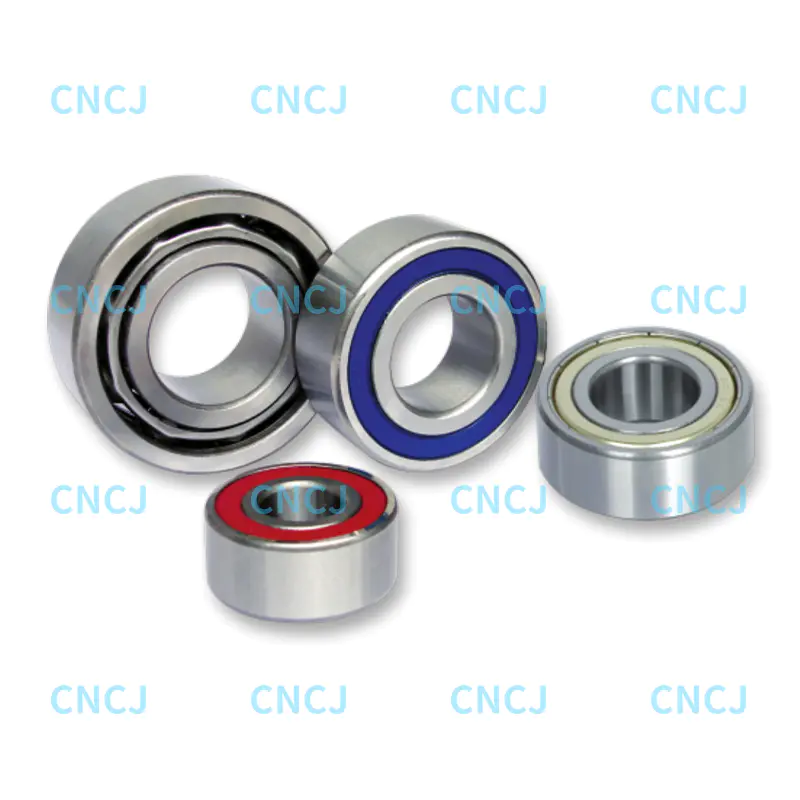
The angular contact design features raceways in the inner and outer rings that are displaced relative to each other in the direction of the bearing axis. This means the load is transmitted from one raceway to the other at a specific angle. Because the double-row version features these angles in opposing directions, the bearing can support heavy "thrust" or axial loads from both the left and the right, all while supporting a heavy radial weight.
This versatility is why these bearings have become the "gold standard" for applications like centrifugal pumps, where the spinning fluid creates constant axial pressure, and automotive hubs, which must withstand the lateral forces of a car turning a corner.
Innovations in Material and Sealing Technology
A major reason these bearings are making headlines today isn't just their shape, but the materials they are made from. Modern metallurgy has allowed for the creation of ultra-clean steel. By reducing impurities in the metal, manufacturers have drastically reduced the "pitting" and fatigue that usually kills a bearing over time.
Furthermore, the latest iterations of these bearings feature advanced sealing technologies. In the past, bearings often failed because grease leaked out or dust and water got in. Today’s high-performance versions use "contact seals" made of synthetic rubber that act like a fortress. These seals are designed to maintain a perfect barrier even when the shaft is spinning at thousands of revolutions per minute, ensuring that the internal lubrication lasts for the entire life of the part.
"The goal is 'set it and forget it,'" says a leading industrial maintenance consultant. "Companies no longer want to stop production every six months to regrease a bearing. They want components that can survive five years of continuous operation without being touched."
Driving the Green Energy Transition
As the world pivots toward sustainable energy, the demand for efficient mechanical components has skyrocketed. In the wind energy sector, for example, the gearboxes and generators require bearings that can handle unpredictable wind gusts and extreme weather conditions.
Because the double-row configuration offers such high rigidity, it is increasingly being used in the auxiliary systems of wind turbines. By reducing internal friction, these bearings ensure that more of the wind's kinetic energy is converted into electricity rather than being lost as heat.
Similarly, in the electric vehicle (EV) market, every ounce of efficiency counts. Engineers are looking for bearings that offer low "rolling resistance." The more easily the wheels and motor turn, the further the car can travel on a single charge. The high-precision manufacturing of these angular contact units is helping EV manufacturers squeeze extra miles out of their battery packs.
Maintenance and the Future of "Smart" Bearings
Perhaps the most exciting development in this field is the move toward "intelligent" rotation. As part of the Industry 4.0 movement, some high-end double-row bearings are now being fitted with sensors that monitor temperature, vibration, and speed in real-time.
Instead of waiting for a machine to break down, these sensors send data to the cloud. AI algorithms can then predict exactly when a bearing is starting to wear out, allowing the factory to schedule maintenance during a planned break. This "predictive maintenance" can save companies millions of dollars in avoided downtime.
Even without sensors, the move toward "maintenance-free" designs is a major trend. Many of these bearings are now supplied "greased for life." This means the exact right amount of high-performance lubricant is sealed inside at the factory, eliminating the risk of a technician using the wrong grease or over-filling the bearing—both common causes of failure.
Why Precision Matters to the End User
It is easy to get lost in the technical jargon of metallurgy and load vectors, but for the end user, it comes down to reliability and cost. When a bearing fails in a municipal water pump, a neighborhood loses water. When a bearing fails in a food processing plant, thousands of dollars of product may have to be discarded.
The evolution of these double-row components is fundamentally about peace of mind. By providing a stiffer, more durable, and more compact solution than traditional single-row pairings, they allow designers to push the boundaries of what machines can do. Whether it's a high-speed CNC machine carving a medical implant or a heavy-duty pump moving chemicals, the stability provided by this specific geometry is irreplaceable.
A Quiet Revolution
As we look toward the future of manufacturing, the trend is clear: smaller, faster, and smarter. The Double Row Angular Contact Ball Bearings are a perfect reflection of this trend. They take a complex problem—supporting forces from multiple directions in a tight space—and provide an elegant, integrated solution.
While they may not be as flashy as a new software update or a sleek new vehicle design, these bearings are the literal wheels of progress. As material science continues to improve and manufacturing tolerances get even tighter, these components will continue to shrink in size while growing in importance, ensuring that the machines our society relies on keep turning, day and night, without a hitch.
 English
 中文简体
中文简体 Deutsch
 Español