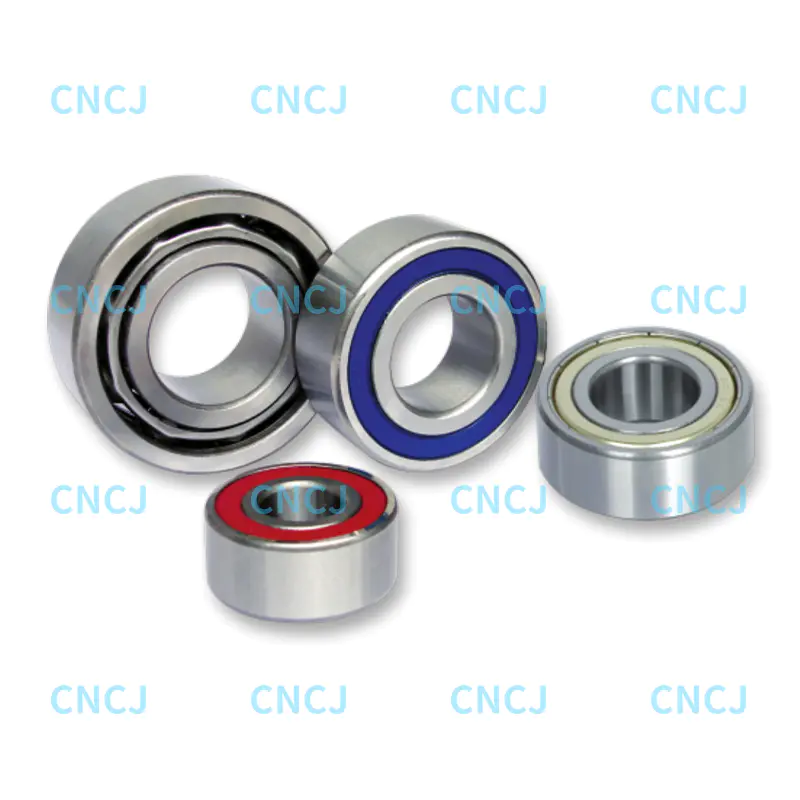
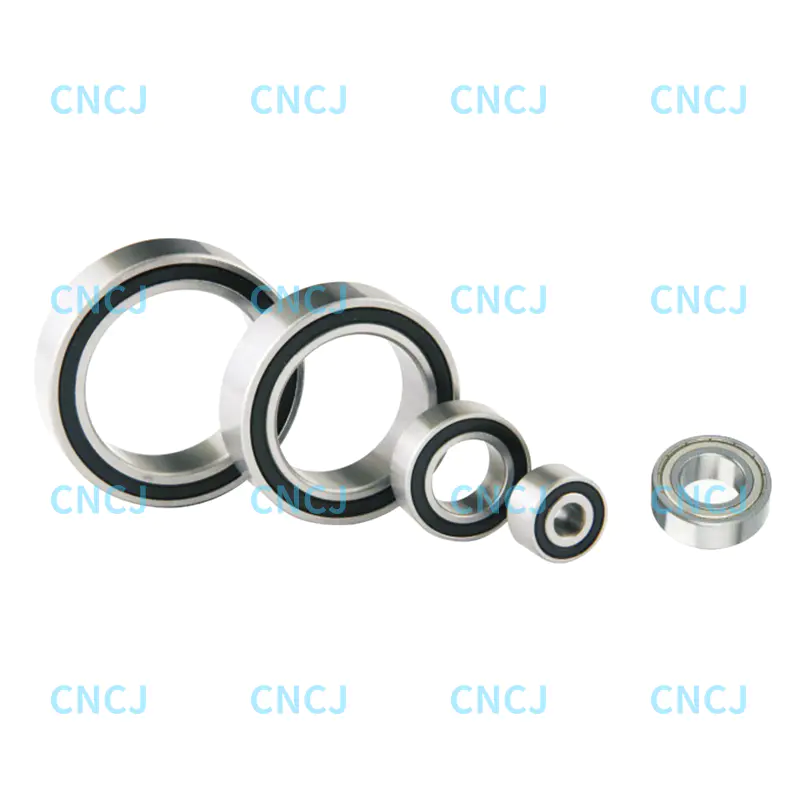
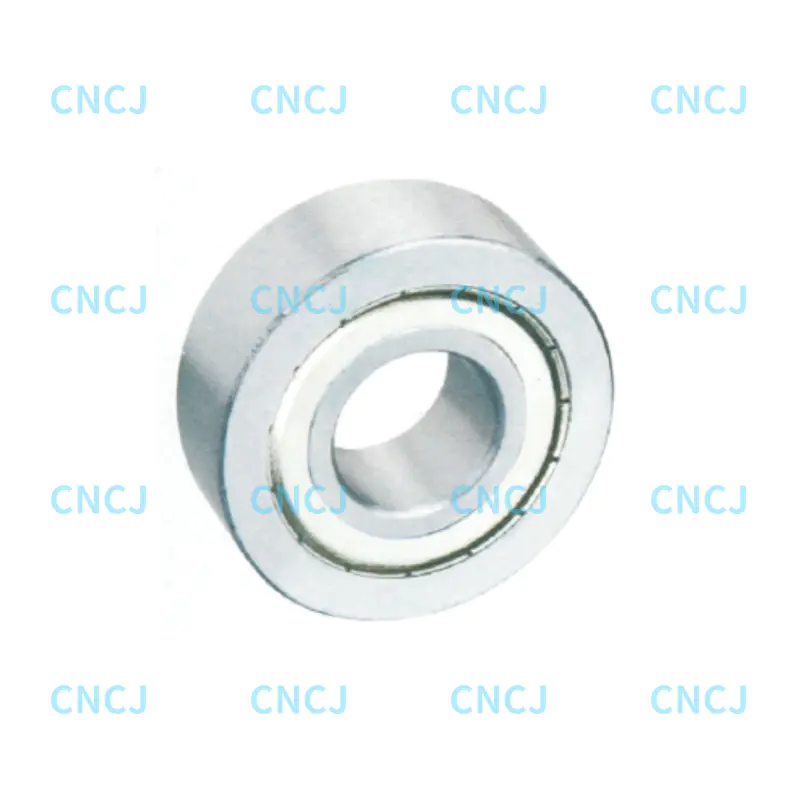
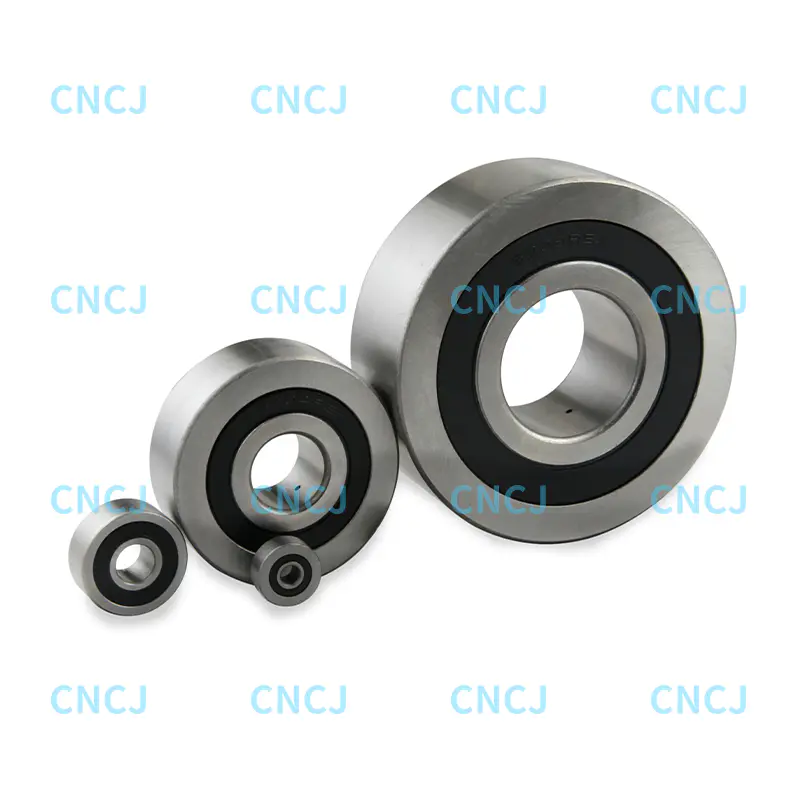
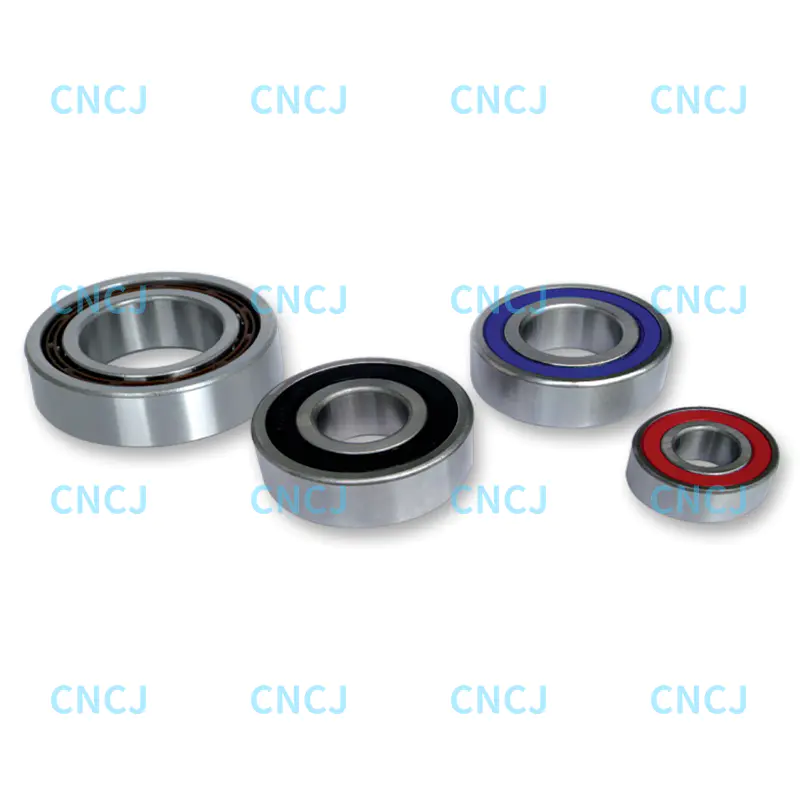
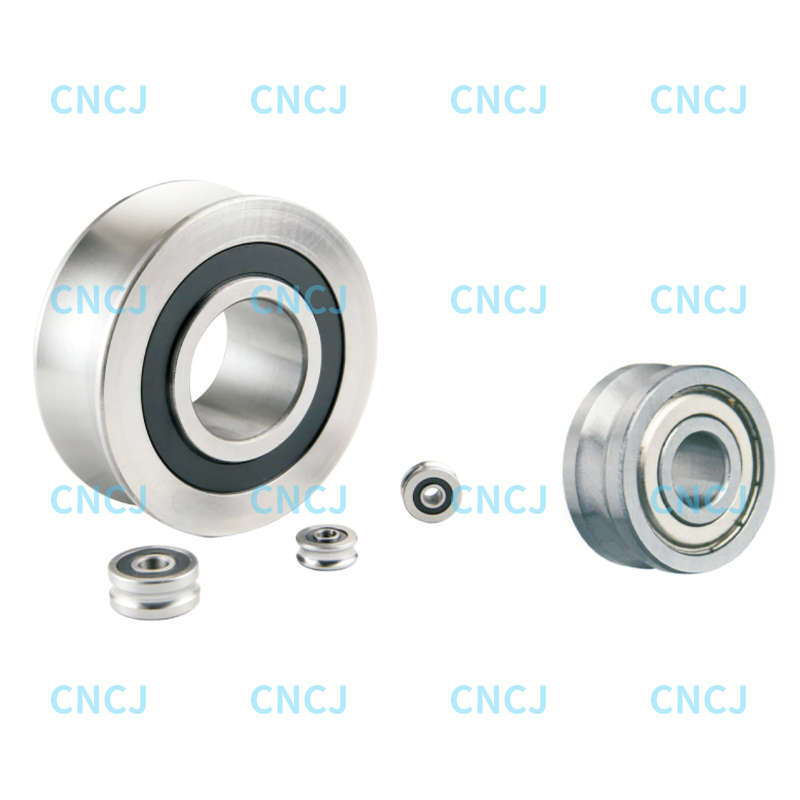
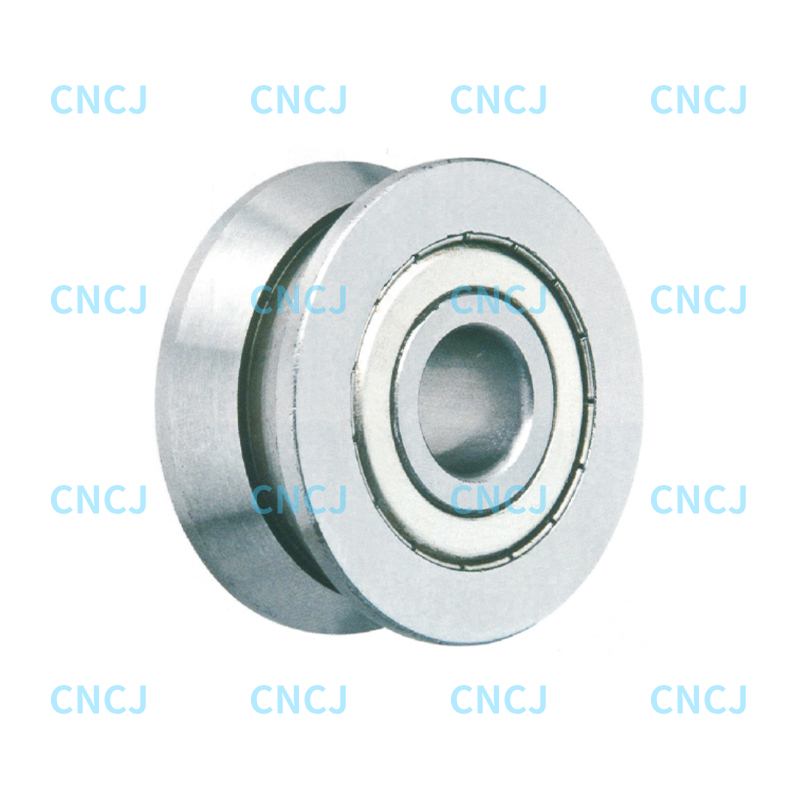
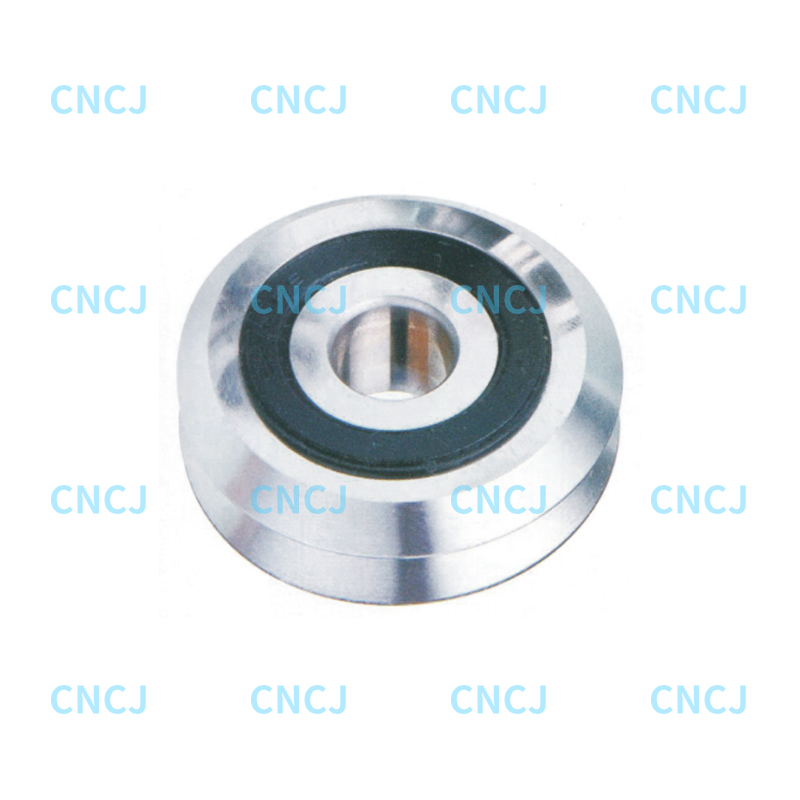
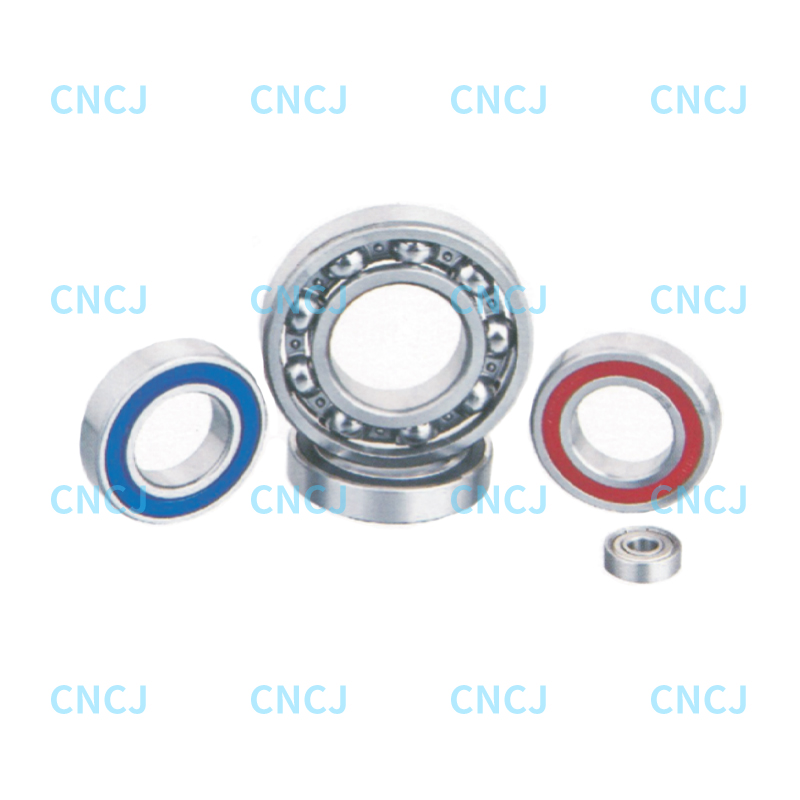
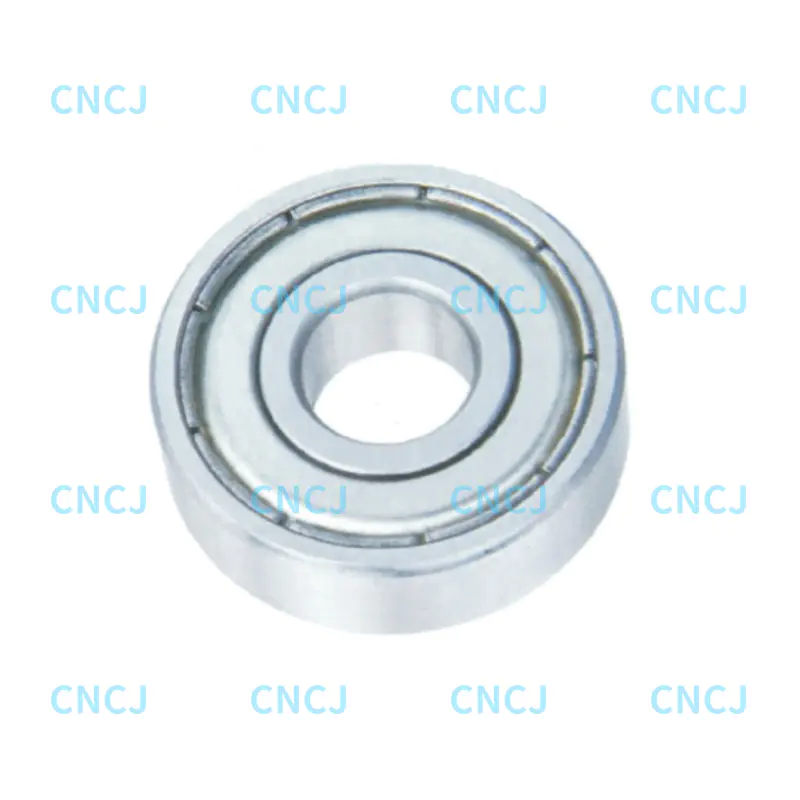
In the fast-paced world of industrial machinery, the quest for efficiency, durability, and space-saving design never ends. Engineers and maintenance managers are constantly looking for components that can handle more stress while taking up less room. One of the most significant shifts in recent years has been the widespread adoption of Double Row Angular Contact Ball Bearings, a specialized category of components designed to bridge the gap between heavy-duty performance and compact engineering.
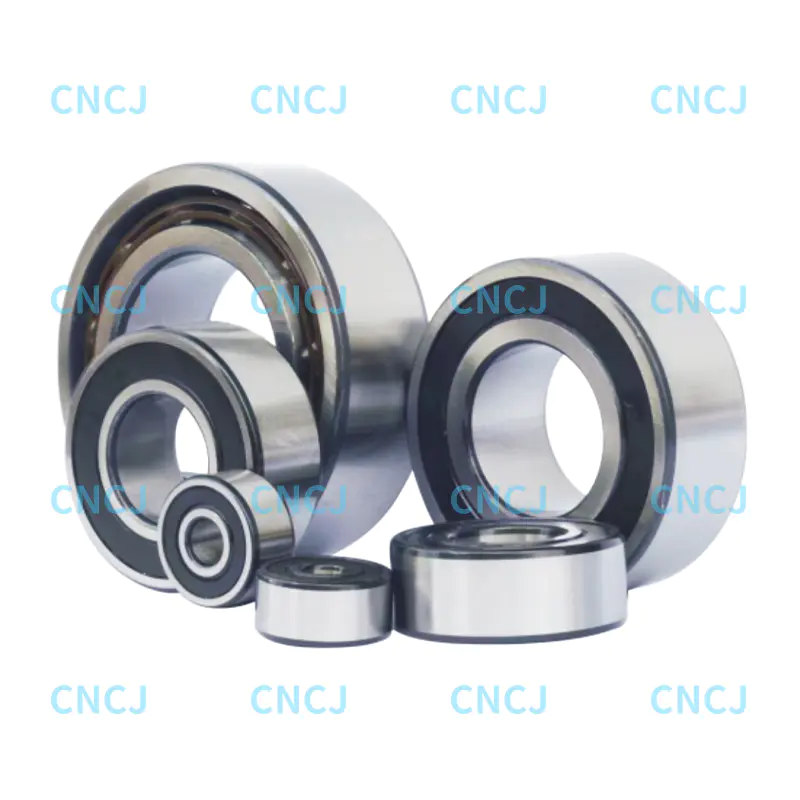
But what exactly makes these bearings so special? Why are they becoming the go-to choice for everything from automotive hubs to industrial pumps? This report explores the engineering marvels behind these dual-layered solutions and why they are essential for the next generation of mechanical design.
Understanding the Fundamental Shift in Bearing Design
To appreciate the value of a double-row system, one must first understand the limitations of standard single-row bearings. A traditional angular contact bearing is designed to handle "combined loads"—meaning both radial forces (pushing down) and axial forces (pushing from the side). However, a single-row version can only handle axial loads in one direction. To handle thrust from both sides, engineers traditionally had to mount two separate bearings back-to-back.
The innovation of the double-row design effectively integrates two single-row angular contact bearings into one unit. This isn't just a matter of convenience; it changes the physics of the machine. By sharing a single inner and outer ring, the bearing becomes significantly narrower than a pair of single bearings, allowing for shorter shafts and more rigid housings.
Maximum Support in Minimal Space
Space is a premium in modern engineering. Whether it is an electric vehicle motor or a high-speed centrifugal pump, there is rarely enough room for bulky mechanical assemblies. One of the primary reasons for the popularity of this specific bearing series is its "envelope efficiency."
Rigid Accommodation of Tilting Moments
Because the contact angles are arranged in a diverging "O" configuration, these bearings offer a high degree of stiffness. This makes them exceptionally good at resisting tilting moments. If you imagine a wheel or a rotating arm that wants to "wobble" or lean to one side under pressure, this bearing acts as a stabilizing anchor, keeping the rotation perfectly centered.
Simplifying the Assembly Process
From a manufacturing standpoint, using a integrated double-row unit reduces the number of parts on a bill of materials. It eliminates the need for complex spacers and simplifies the installation process. For factory floor managers, this means fewer errors during assembly and a lower risk of "human element" failures caused by incorrect bearing orientation.
Versatility Across Materials and Environments
Not all industrial environments are created equal. Some bearings must survive the blistering heat of a steel mill, while others operate in the sterilized, wash-down environments of food processing plants. To meet these diverse needs, these bearings are manufactured in a variety of material grades.
-
High-Chrome Steel: The standard for most industrial applications, offering incredible hardness and fatigue resistance.
-
Stainless Steel Options: Used in environments where moisture or chemicals would cause standard steel to rust, ensuring a long service life in marine or medical applications.
-
Specialized Seals and Shields: To protect the internal rolling elements from dust and debris, these bearings are often equipped with high-tech rubber seals or metal shields. These "sealed-for-life" options are particularly popular in the automotive industry, where maintenance-free operation is a major selling point.
Handling High Speeds and Heavy Loads
The internal geometry of these bearings is optimized for high-speed rotation. Because the contact between the balls and the races is at an angle, the friction generated is much lower than in a standard deep-groove bearing when subjected to side loads.
Heat Dissipation and Longevity
Heat is the primary enemy of any rotating part. When a bearing generates too much friction, the lubricant breaks down, the metal expands, and the system eventually seizes. The sophisticated design of the dual-row contact paths allows for better distribution of stress. By spreading the load over twice as many rolling elements as a single-row unit, the temperature remains stable even during continuous, high-speed operation.
Quiet Operation for Consumer Comfort
In applications like household appliances or luxury vehicle components, noise is a critical factor. The precision-ground raceways and high-grade balls used in these series ensure that vibration is kept to an absolute minimum. This results in a "whisper-quiet" performance that enhances the end-user experience.
Beyond the Basics: Advanced Surface Finishes and Lubrication
A bearing is only as good as the film of oil or grease that protects it. Modern versions of these components come pre-filled with high-performance synthetic greases designed to last the entire life of the machine.
Furthermore, advanced surface finishes are often applied to the raceways. Through a process of precision honing, the metal surfaces are made so smooth that they are almost mirror-like. This reduces the "micro-friction" that occurs when the bearing first starts moving, leading to smoother startups and less energy consumption. In an era where "Green Energy" and "Energy Efficiency" are corporate mandates, these small gains in mechanical efficiency add up to massive savings across a fleet of machines.
Where Will You Find Them?
If you look around, you will find these components in almost every sector of modern life. Their ability to handle radial and axial loads simultaneously makes them indispensable in:
-
Automotive Air Conditioning Compressors: Where they must withstand high speeds and the constant engagement/disengagement of the clutch.
-
Industrial Pumps and Blowers: Where the force of moving fluids creates significant back-pressure (axial load).
-
Agriculture Machinery: Where equipment is subjected to uneven terrain and heavy, unpredictable loads.
-
Conveyor Systems: Specifically in the drive rollers where stability and long-term reliability are required to prevent costly factory downtime.
The Future of Rotation: Why Quality Matters
As we move toward Industry 4.0, the demands on mechanical components are only increasing. Sensors are now being integrated into bearing housings to monitor heat and vibration in real-time. Choosing a high-quality bearing today is an investment in the "uptime" of tomorrow.
Lower-quality imitations may look the same to the naked eye, but they lack the metallurgical purity and the microscopic precision required to handle high-stress loads. A failure in a $50 bearing can lead to the destruction of a $50,000 motor. This is why industry leaders prioritize components that are manufactured to the highest global standards, ensuring that every ball and every race is perfectly balanced.
A Small Component with a Massive Impact
The Double Row Angular Contact Ball Bearings might be hidden deep inside a machine, but their impact on our daily lives is undeniable. They allow our cars to run smoother, our factories to produce faster, and our home appliances to last longer. By combining the power of two bearings into one sleek, efficient package, they represent the pinnacle of mechanical optimization.
As industries continue to push the boundaries of what is possible, the humble bearing will continue to evolve, proving that sometimes, the most important innovations are the ones that keep the world turning behind the scenes.
 English
 中文简体
中文简体 Deutsch
 Español