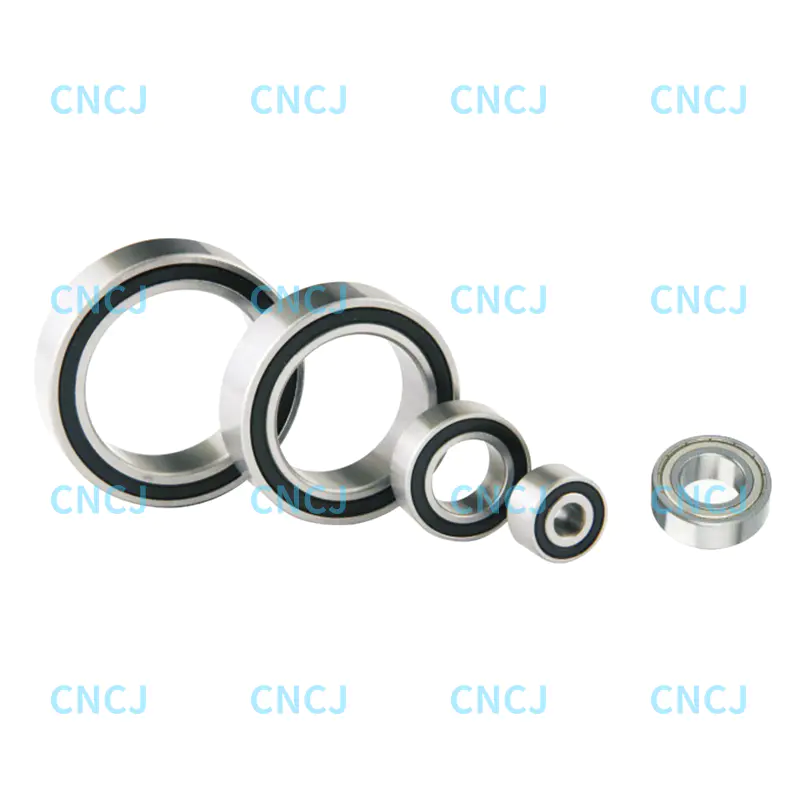
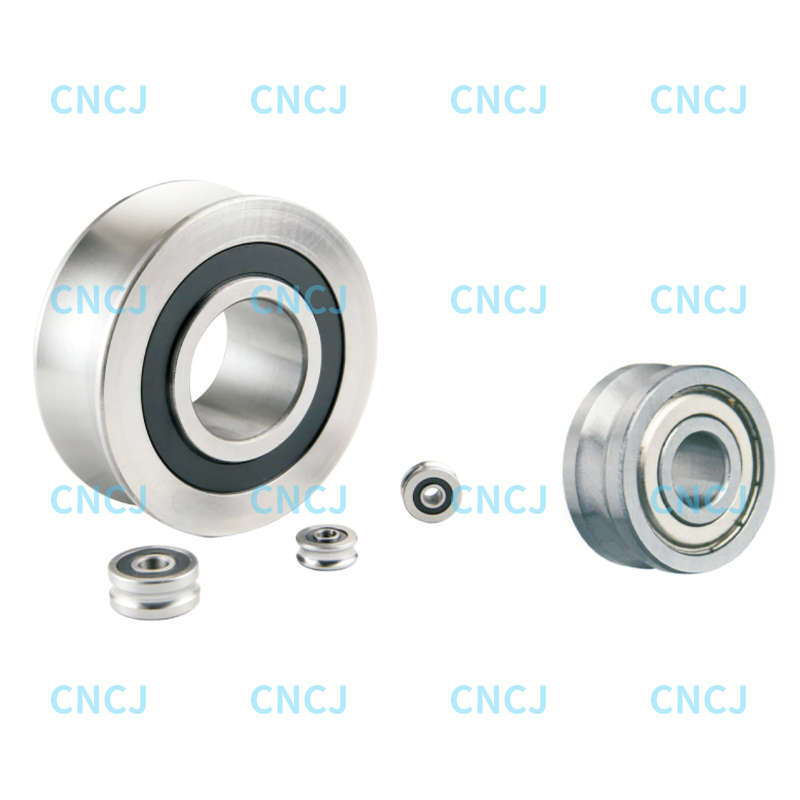
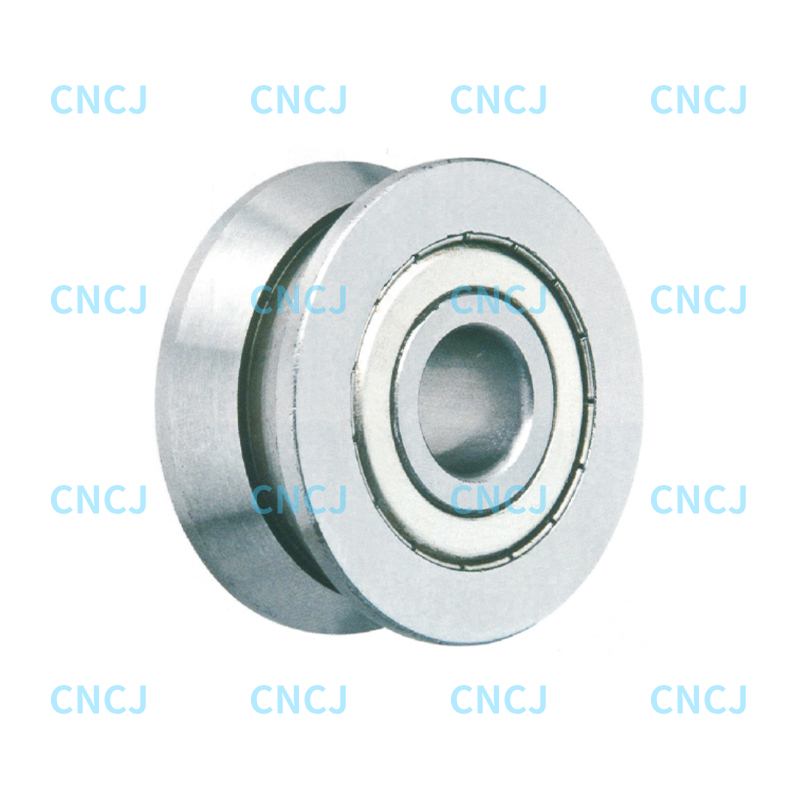
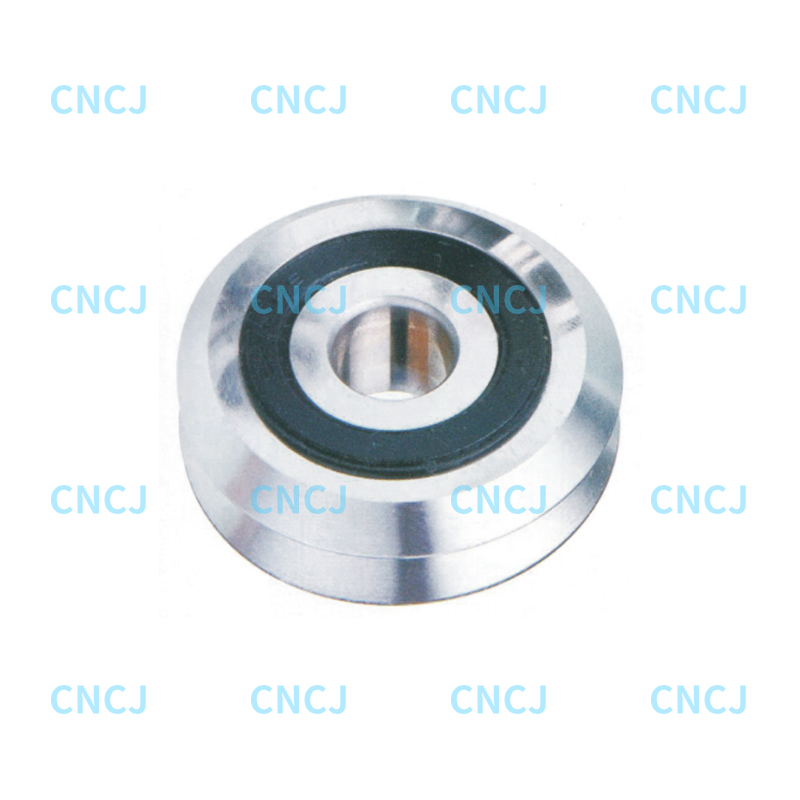
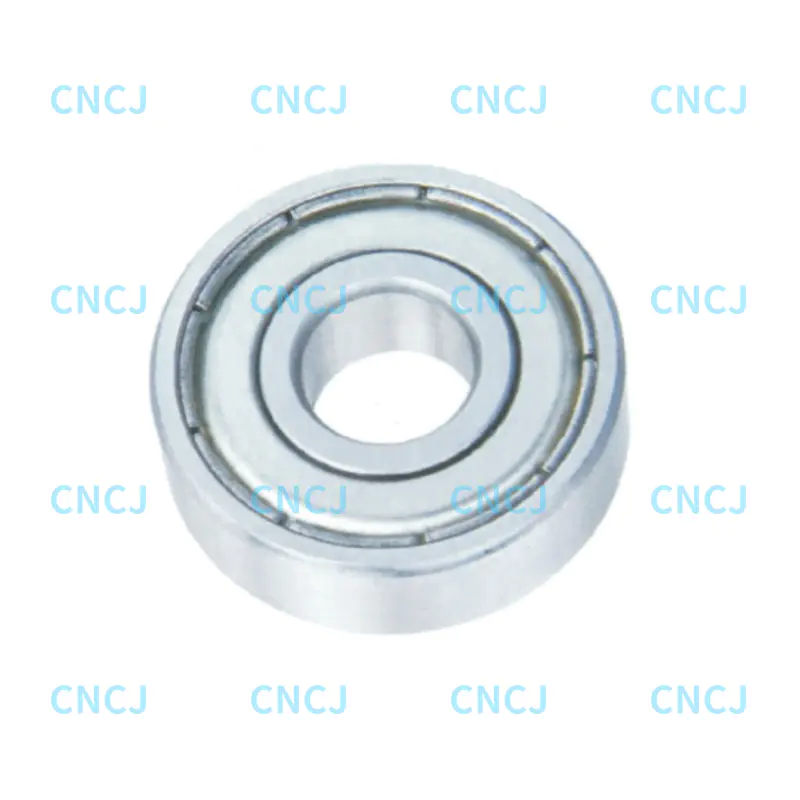
A dry seal on a 6205-2RS bearing pulled from a gearbox is a familiar sight on the maintenance bench. The instinct is to work a little grease under the lip before pressing the bearing back in. In most cases that is the wrong move. A sealed deep groove ball bearing leaves the factory with the right amount of grease for its whole service life, and the seal exists to keep that fill in and contamination out.
There are exceptions. Some bearings are built for relubrication, shielded bearings can be topped up with care, and occasionally a hard-to-reach bearing has to survive until the next planned shutdown. Whether a top-up works comes down to three things: the type of closure, the compatibility of the grease, and the amount you add.
The Short Answer: Factory Grease Is Meant to Last
A sealed bearing is not packed to the brim. Manufacturers fill roughly 25 to 35 percent of the free internal volume, enough to coat the raceways, balls and cage without forcing the rolling elements to churn through a reservoir. Because the seal holds that fill in place, grease life usually matches or exceeds the fatigue life of the bearing.
Adding grease through the seal tends to cause three problems. The lip is lifted or rolled, breaking the contact that keeps dust and wash-down water out. The cavity is overfilled, so friction, drag torque and temperature rise. The new grease may be incompatible with the original fill and soften, separate or harden into lumps.
Temperature is the clearest signal. An overfilled bearing often runs 10 to 20 degrees Celsius hotter than before, and as a working rule every 15 degrees above roughly 70 C halves the remaining grease life.
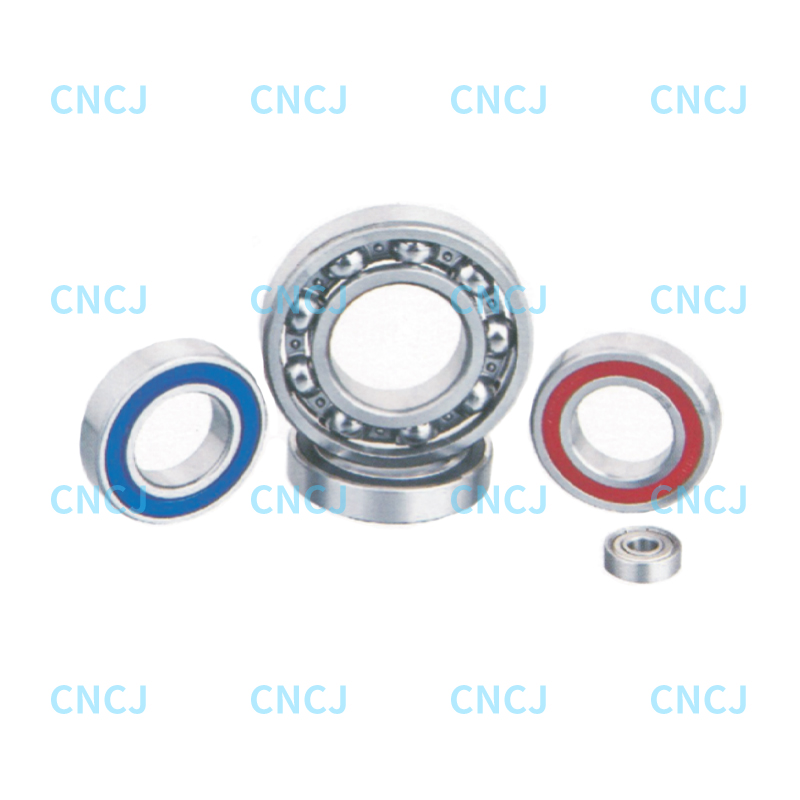 Deep Groove Ball Bearings from Ningbo Wanshun BearingDeep groove ball bearings for mechanical equipment transmission systems, shown with practical notes on bearing temperature and when regreasing may be justified.View Product →
A top-up is reasonable only in a few cases: the bearing has a regreasing groove, filling slot or grease fitting with a published interval; it is a shielded design running clean, where a small amount can be injected through the shield gap; the original grease was washed out during solvent cleaning; or a slow, hard-to-source bearing must last until the next planned stop. A bearing that is already noisy, rough or discolored will not be rescued by grease.
Identify the Closure Before You Touch It
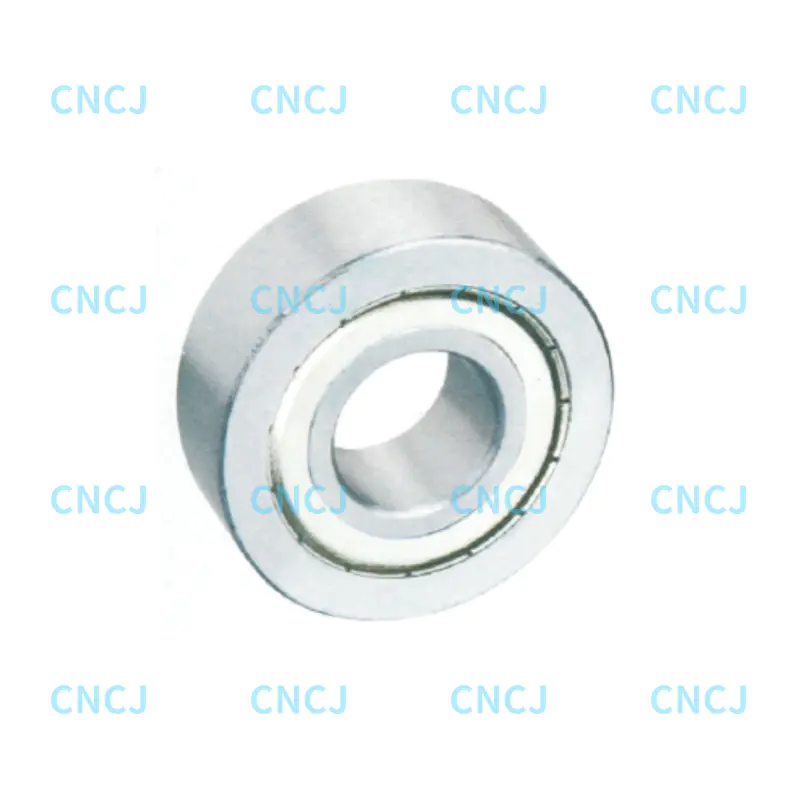
2RS, 2RSH, RS, ZZ and open designs behave very differently at the seal lip, so read the suffix first. A rubber seal on a 2RS bearing makes light contact with a groove in the inner ring, wiping the surface and blocking fine particles. A ZZ metal shield does not touch the inner ring at all; it deflects larger debris but leaves a narrow gap. An open bearing has no closure.
Table 1: Common bearing closures and what each one allows during maintenance
| Closure |
Example |
Sealing principle |
Top-up in place |
Practical method |
| 2RS rubber seal |
6205-2RS |
Contact lip in an inner ring groove |
Possible, only if the seal lifts and reseats cleanly |
Ease the lip up at several points with a plastic pick, add a small amount, reseat square |
| ZZ metal shield |
6205-ZZ |
Non-contact shield with a narrow gap |
Yes, within limits |
Inject through the gap with a needle nozzle, keeping the tip clear of the balls |
| 2RS double row angular contact |
3205-2RS |
Contact seals on both sides |
Not recommended |
Replace, or specify a version with a regreasing facility |
| Open, no closure |
6205 |
None |
Yes, and preferred |
Repack by hand to about one third of free volume |
| Shielded with a filling slot |
Special order |
Non-contact shield plus a slot in the outer ring |
Yes, if the slot is accessible |
Turn the slot to the loaded zone and add grease slowly while rotating the shaft |
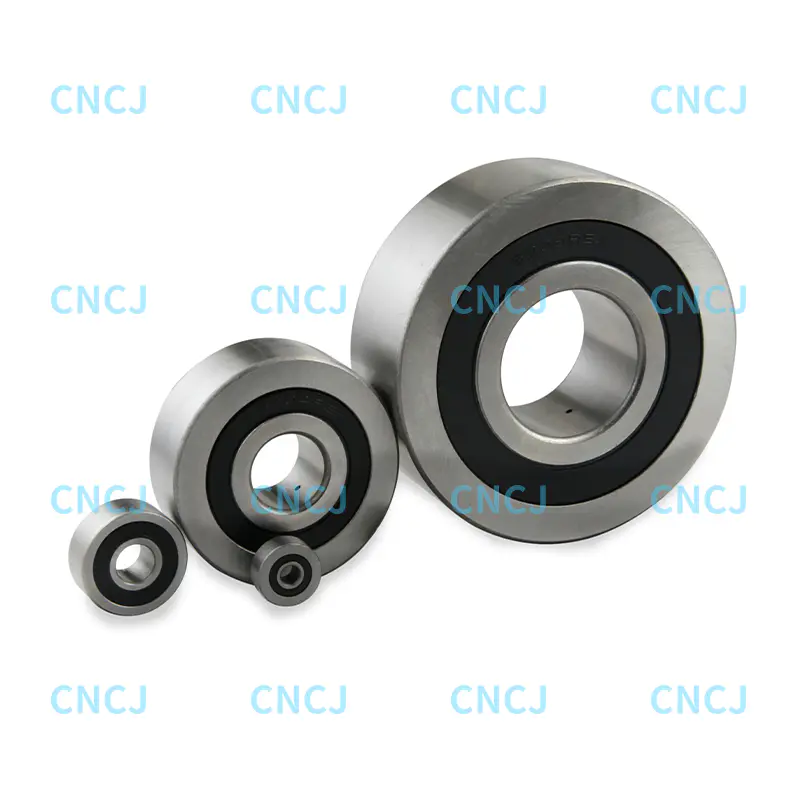
Closure choice is also a specification decision. In the 30 and 38 series double row angular contact range, 2RS and ZZ versions share the same boundary dimensions and differ only in closure, so a machine that will need relubrication can be ordered with the version that makes the job realistic.
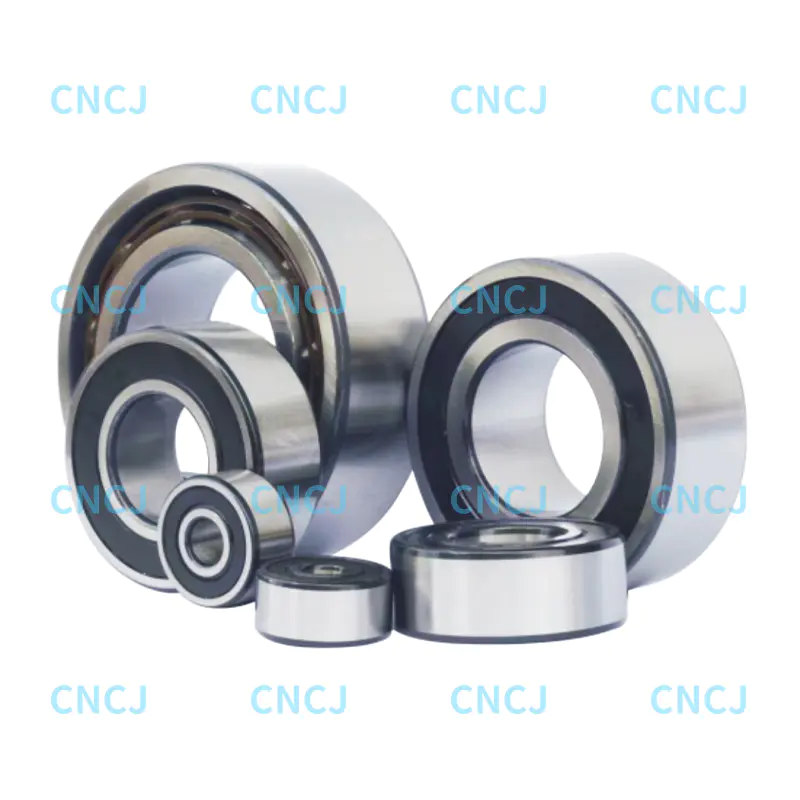 30 and 38 Series Double Row Angular Contact Ball Bearings from WanshunDouble row angular contact ball bearings in 30 and 38 series; 2RS and ZZ closures support axial and radial load duties.View Product →
Choosing a Grease That Will Not Fight the Original Fill
Most general purpose sealed bearings carry an NLGI grade 2 lithium complex grease with a mineral base oil of roughly 100 cSt at 40 C. Polyurea thickeners appear in electric motor and high temperature bearings, calcium sulfonate in wet environments, and synthetic base oils in high speed or low temperature duties.
Mixing families is the trap. Polyurea mixed with lithium complex grease often stiffens into a waxy deposit that starves the raceway. If the original fill cannot be identified, either match the thickener family or flush the old grease out completely.
Base oil viscosity is what actually carries the load film. Bearings below a speed factor of about 200,000, calculated as bore diameter in millimeters multiplied by shaft speed in rpm, are usually comfortable with 100 cSt at 40 C, while small high speed motors do better with 30 to 50 cSt. Very slow, heavily loaded shafts want a higher viscosity and often an EP additive package, though greases built on sulfur and phosphorus chemistry should be checked against brass or plastic cages first.
Step by Step: Re-greasing a Sealed Bearing Without Damaging It
- Decide whether the bearing is worth saving. Turn it by hand: it should feel smooth with light drag and no rattle. Dull grey raceways, pitting or blue rings mean it is finished.
- Clean the outside. Wipe the seal faces with a lint free cloth dampened with isopropyl alcohol. Avoid acetone, which attacks many nitrile seals.
- Mark the orientation. Scribe a line across the seal and outer ring so the seal goes back in the same position.
- Lift the seal gradually. Work around the circumference in small steps with a plastic pick. Never lever at one point and never use a screwdriver; the lip sits in a groove only 1 to 2 mm deep.
- Flush the old grease with clean solvent until the run-off is clear, then dry with low pressure filtered air. Do not spin a dry bearing with an air jet.
- Inspect before refilling. Corrosion, fretting, a dented shield or a worn cage all mean the bearing should be scrapped.
- Add the new grease. Fill 25 to 35 percent of the free volume and work it into the cage and raceways by rotating the bearing slowly by hand.
- Reseat the seal squarely with a flat faced sleeve or a seal driver until it meets the shoulder. A crooked seal runs hot and leaks.
- Check before installation. Rotate by hand, then watch temperature and noise for the first hour of running; a steady climb or a weeping seal usually means too much grease.
Fill Amounts, Speed and Temperature Limits
- Fill: about 25 to 35 percent of free space for normal horizontal shafts, less at high speed, more only for very slow rotation.
- Speed: above a speed factor of roughly 300,000, in millimeters times rpm, churning dominates and grease life falls sharply.
- Temperature: every 15 degrees above about 70 C roughly halves grease life, and a sealed bearing cannot shed heat as fast as an open one.
- Pressure: grease guns deliver far more pressure than a shield or lip can take. Injecting hard through a ZZ shield can deform it and push it out of its groove.
The maintenance notes on deep groove ball bearing lubrication look at the same question from the design side, including how cage and raceway geometry change the amount of grease a bearing can tolerate.
Warning Signs After a Top-Up
- Grease weeping at the seal within the first hour: too much grease, or one that softens at operating temperature.
- Temperature climbing instead of leveling off: the bearing is churning its fill.
- A rolled or pushed out seal lip: the seal was levered instead of lifted, or pressed in crooked.
- New roughness or noise: dust or swarf entered during the work.
- Hard lumps or separated oil after a few weeks: two incompatible greases were mixed.
- Rattle at no load that disappears under load: worn or brinelled raceways. Replace the bearing.
Replace or Re-grease: How to Decide
State the decision in numbers before the machine goes back together. A small deep groove ball bearing costs a few dollars, while an hour of unplanned downtime on a production line can cost many times that. Anything easy to reach and easy to replace should be replaced rather than rebuilt.
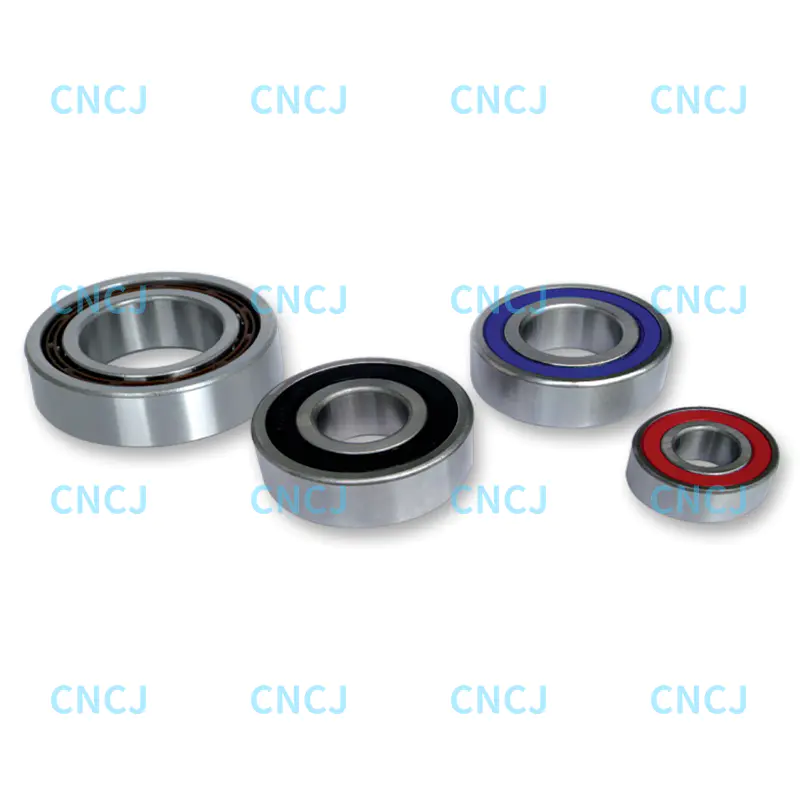
Re-greasing earns its place when the bearing is large, expensive, slow to source, or buried in an assembly where the puller and press work costs more than the part. Imperial sizes deserve a second look as well: inch series deep groove ball bearings remain common in older conveyors, pumps and textile machinery, and their seal designs and fill volumes often differ from the metric versions people are used to.
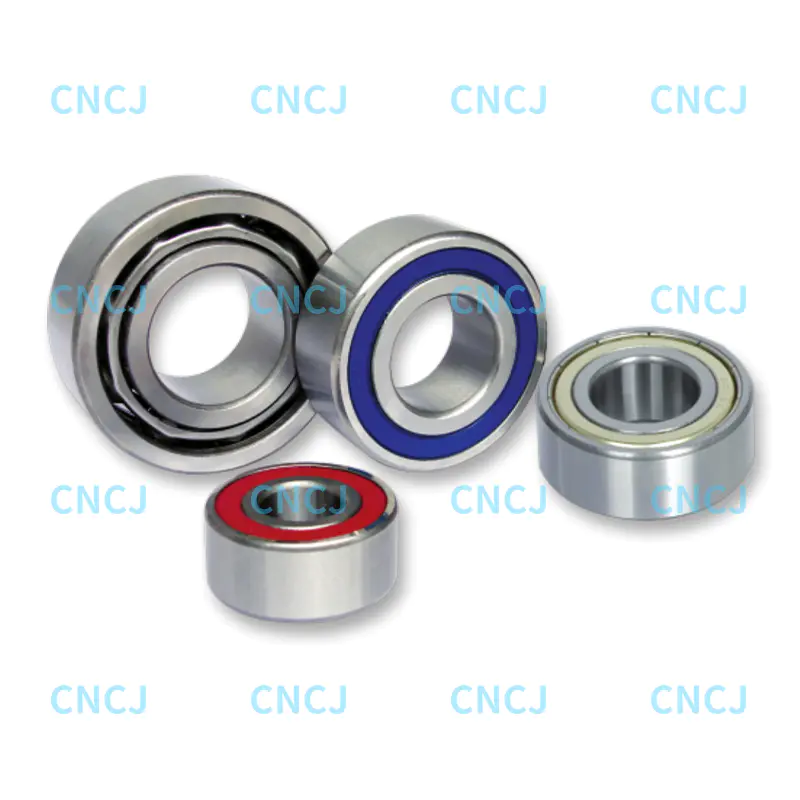 Inch Series Deep Groove Ball Bearings from Ningbo WanshunInch series deep groove ball bearings for motors, machinery, and older conveyors, pumps, or textile equipment; 42 and 43 series suit higher speed and load.View Product →
What to Ask Before You Order a Replacement
Most greasing problems disappear if the replacement is specified properly in the first place. Four questions cover the essentials:
- Is the bearing filled for life, or does the supplier expect relubrication at fixed intervals?
- What thickener, base oil viscosity and temperature range does the factory fill use, and is it a low noise grade?
- What is the seal material? Nitrile is standard to about 100 C, while fluoroelastomer seals handle roughly 200 C at a higher cost.
- What is the limiting speed for grease lubrication, and is there a shielded or open variant with a filling slot in case relubrication is planned?
The grease in a sealed bearing goes in once, in a measured amount, in a controlled environment, and the seal keeps it there. If a top-up cannot be avoided, keep the quantity small, keep the grease compatible with the original fill, and watch the temperature for the first hour of running.
 English
 中文简体
中文简体 Deutsch
 Español