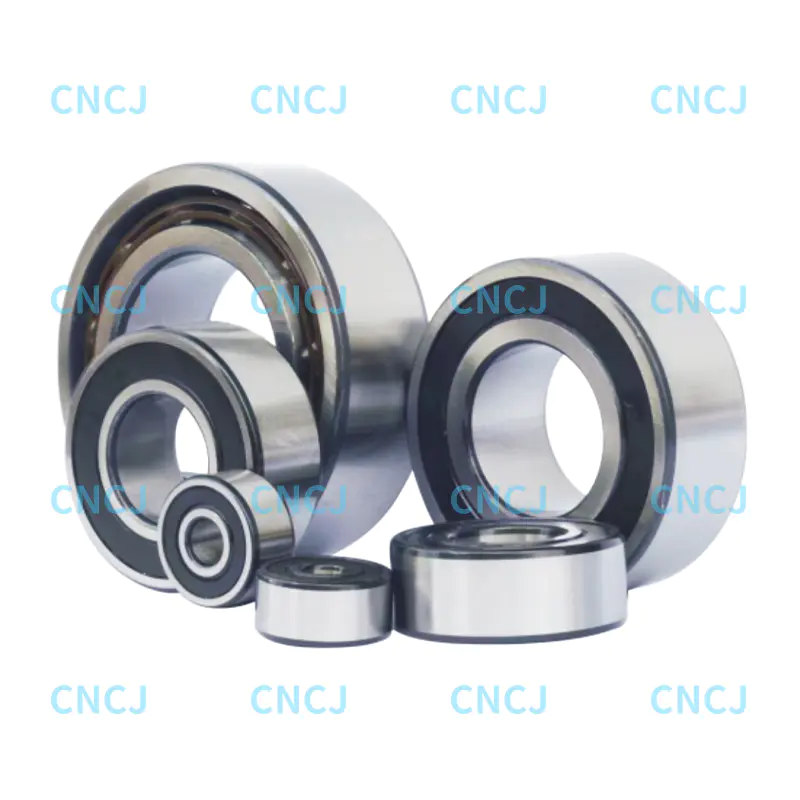
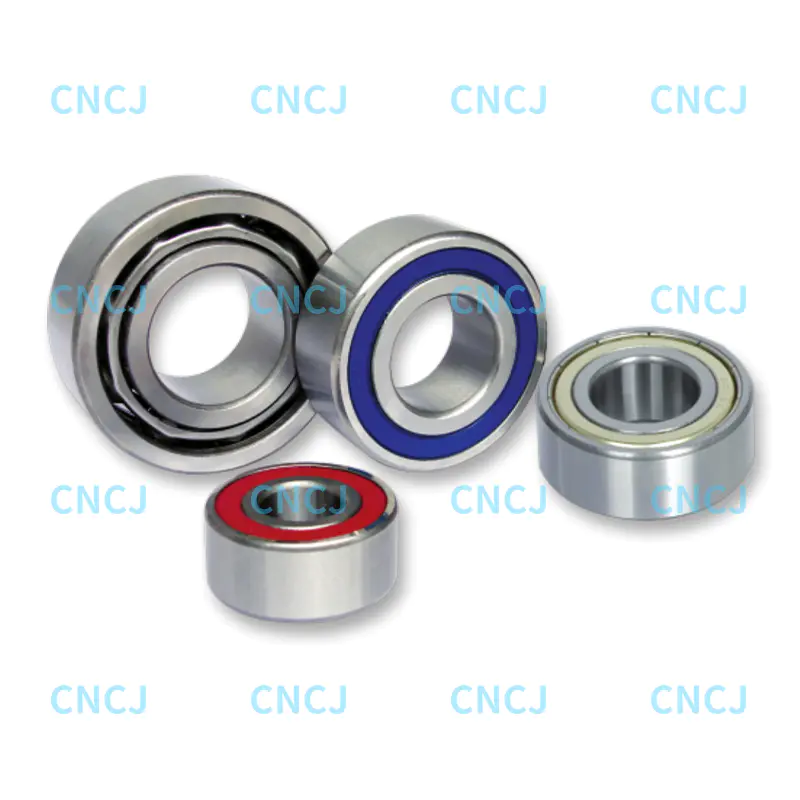
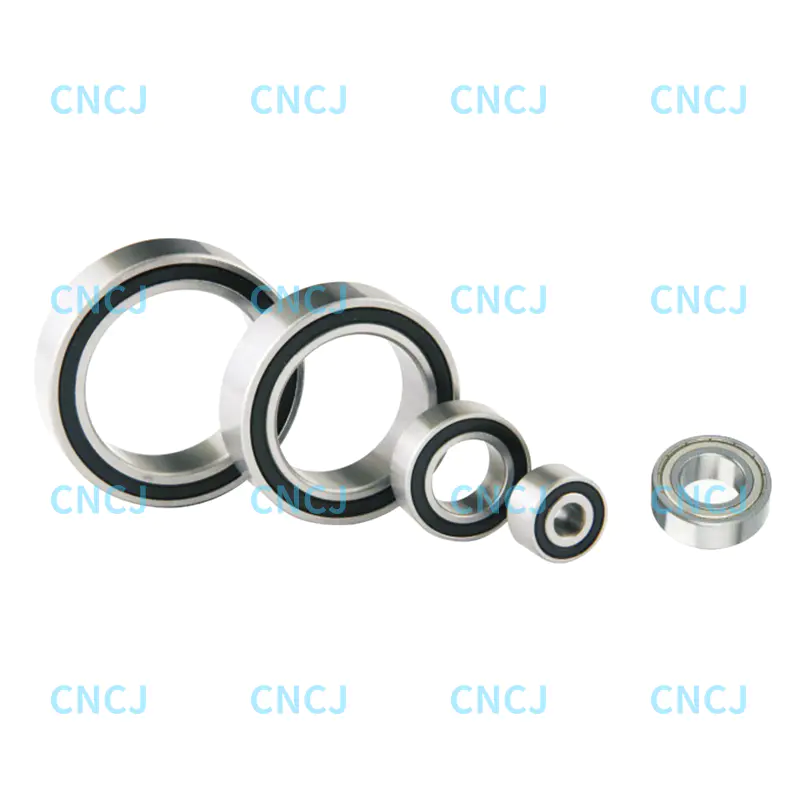
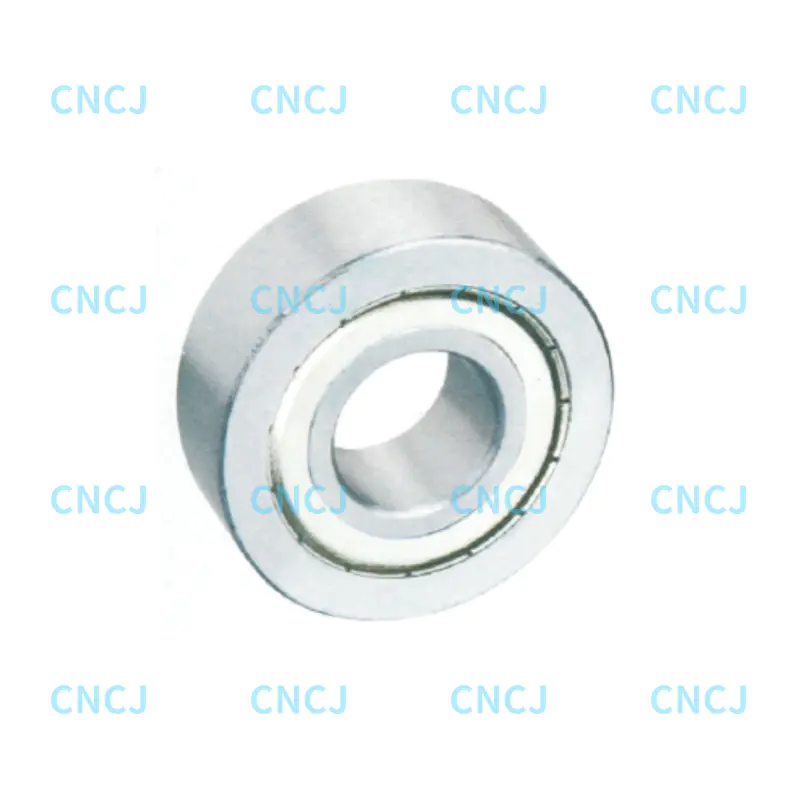
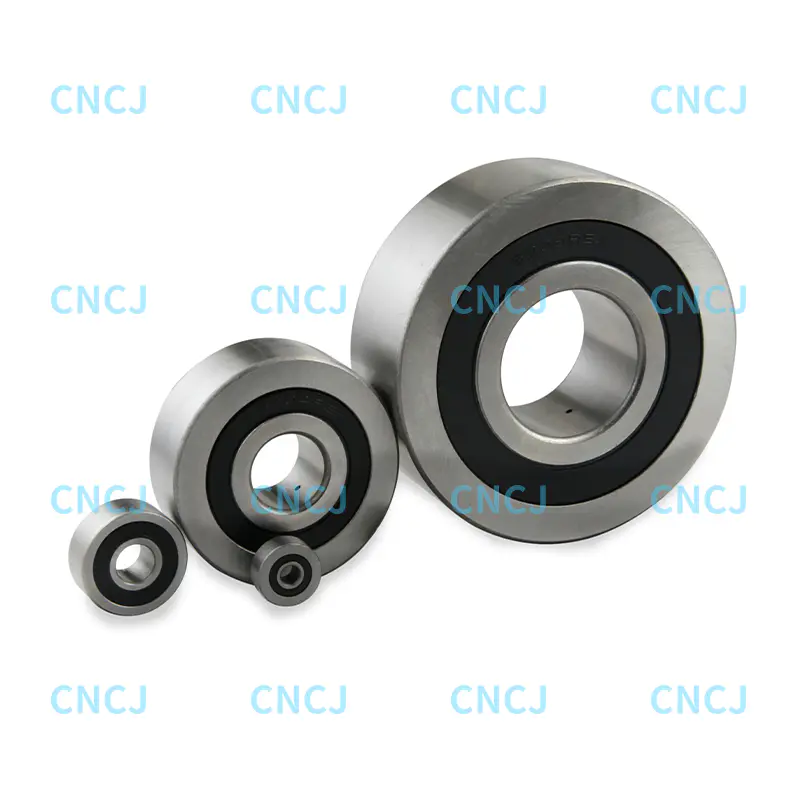
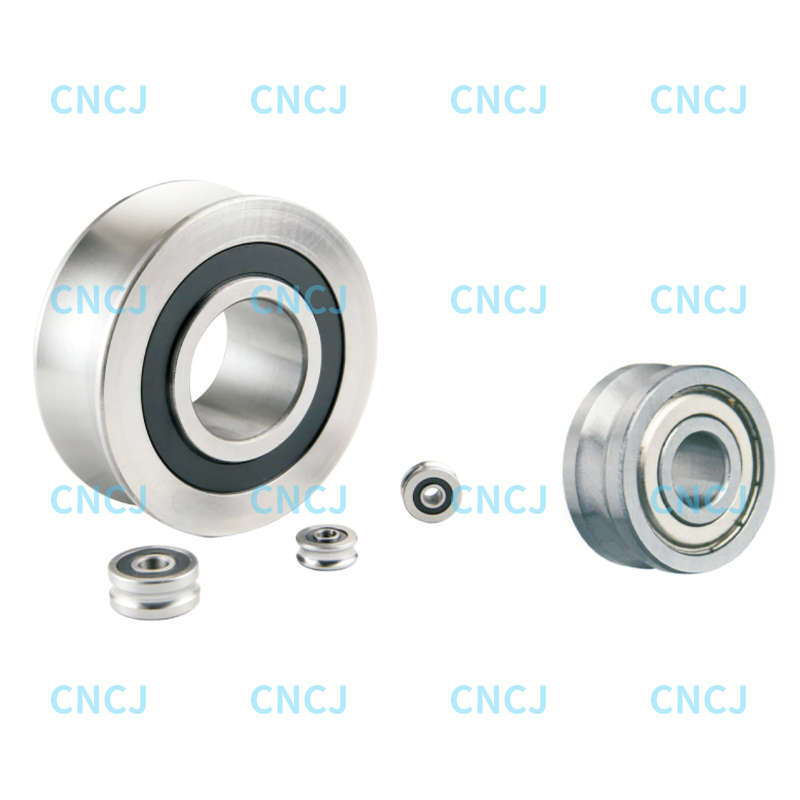
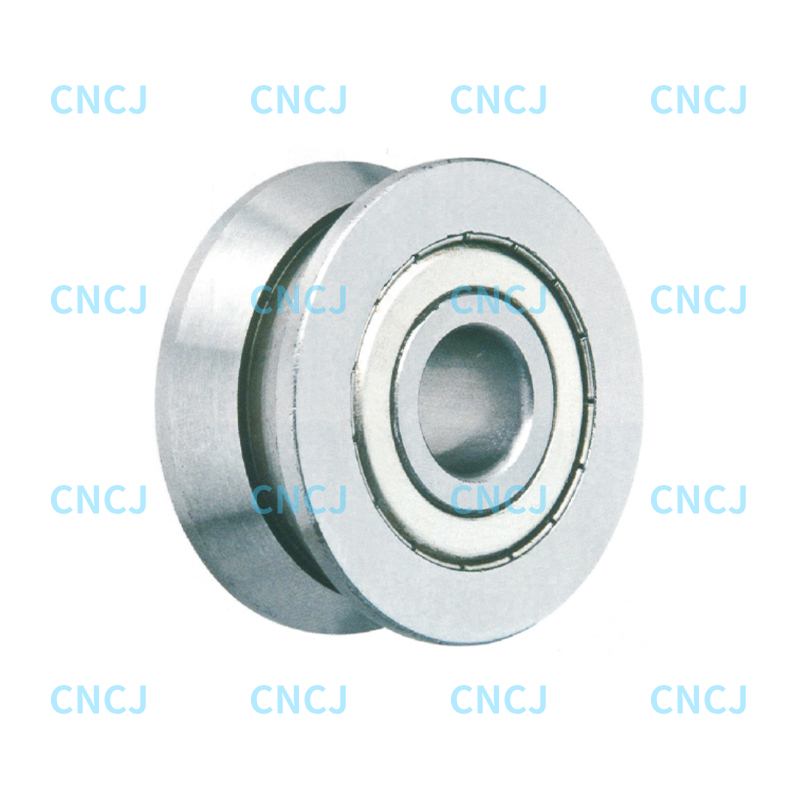
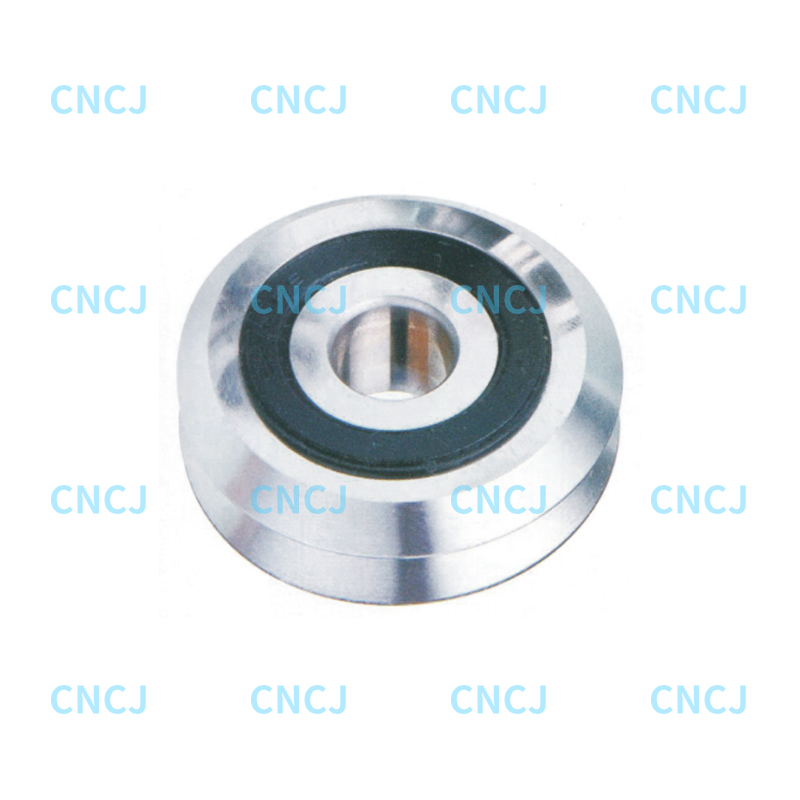
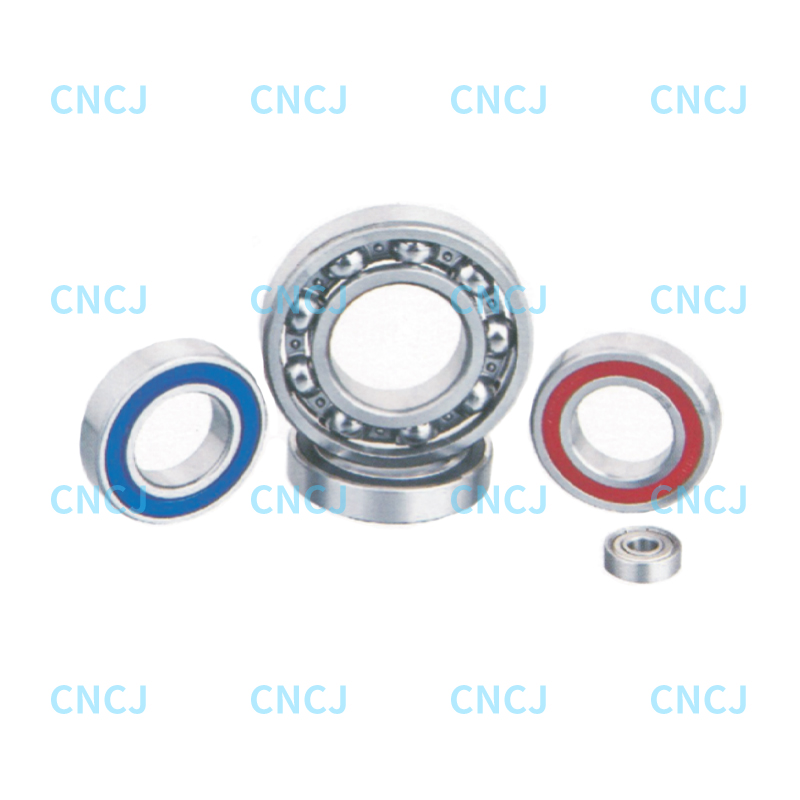
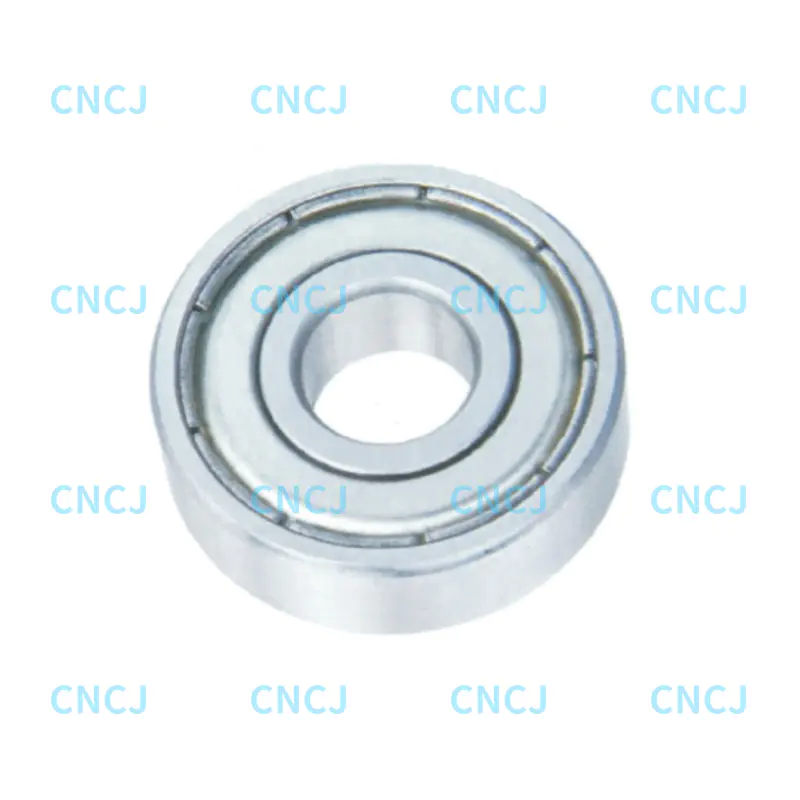
Double row ball bearings are used in applications that require high radial load capacity combined with some axial load handling, in a compact axial space. Typical uses include electric motors, gearboxes, agricultural machinery, textile machinery, pumps, conveyor systems, and automotive wheel hubs, where a single row bearing would either be too wide or lack sufficient load capacity for the space available. Below, we break down the specific industries and mechanisms where Double Row Ball Bearings are the preferred choice, along with the engineering reasons behind each application.
Core Reason Double Row Ball Bearings Are Chosen for These Applications
A double row ball bearing has two rows of balls arranged side by side within a single outer ring, which effectively doubles the number of load-carrying contact points compared with a single row deep groove bearing of the same width. According to bearing design references published by major bearing standards bodies such as ISO and ABMA, this configuration allows the bearing to support radial loads roughly 60 to 90 percent higher than an equivalent single row bearing occupying the same axial footprint.
This higher load density is exactly why double row bearings show up in machinery where space is limited but load demands are significant, such as compact gearboxes, motor shafts, and wheel hub assemblies. The design also tends to run cooler at high speed than some equivalent-capacity roller bearing alternatives, since ball bearings generate less friction than rollers under moderate load conditions.
Electric Motors and Generators
Double row ball bearings are widely used to support the rotor shaft in small and medium electric motors, including motors used in fans, pumps, and household appliances. The two rows of balls help the bearing resist both the radial load from the rotor weight and minor axial thrust caused by shaft misalignment or fan blade airflow pressure.
Motor manufacturers commonly select double row designs when the shaft diameter is constrained by the motor housing but the application still demands a longer service life under continuous operation, since the added contact points reduce the stress per ball compared to a single row design carrying the same load.
Automotive Wheel Hubs and Steering Components
In vehicles, double row ball bearings are used in wheel hub units, steering columns, and some transmission components. Wheel hub bearings in particular must handle a combination of radial load from the vehicle weight and axial load from cornering forces, making the double row configuration a practical fit.
Wheel hub assemblies
Many passenger vehicle front wheel hubs use double row angular contact ball bearing units because they can absorb combined loading from braking, acceleration, and turning in a single compact unit, eliminating the need for separate inner and outer bearings.
Steering and suspension linkages
Double row bearings also appear in steering knuckle assemblies and certain suspension pivot points, where consistent radial support under repeated directional load changes is critical for steering precision and reduced play over time.
Industrial Gearboxes and Speed Reducers
Gearbox manufacturers frequently specify double row ball bearings for input and output shafts where the shaft must resist gear mesh forces acting in both radial and axial directions. A Double Row Ball Bearings unit positioned at a gear shaft support point can reduce shaft deflection, which in turn improves gear tooth contact accuracy and reduces noise during operation.
This is particularly relevant in helical gear systems, where the angled gear teeth naturally produce axial thrust in addition to radial load. A single row deep groove bearing may struggle to manage this combined load without a secondary thrust bearing, while a double row design often handles both in one component.
Agricultural and Construction Machinery
Farm equipment such as combine harvesters, balers, and tillage equipment often operates in dusty, high-vibration environments where bearing durability under shock loading is critical. Double row ball bearings are commonly used in these machines because the doubled contact surface distributes sudden impact loads, such as those from uneven field terrain, across more balls rather than concentrating stress on a single row.
- Rotary tiller shafts, where soil resistance creates fluctuating radial loads.
- Baler roller supports, which experience repeated cyclic loading during compression cycles.
- Conveyor idler rollers on harvesting equipment, which need consistent rotation under variable material weight.
Construction machinery, including compact loaders and excavator swing mechanisms, uses similar double row bearing configurations for the same reason, since equipment in these industries is rarely used under clean, low-vibration conditions.
Textile Machinery and High-Speed Spindles
Textile manufacturing equipment, such as spinning frames and winding machines, often runs spindles at very high rotational speeds for extended periods. Double row ball bearings are used here because they maintain stable radial support at high RPM while keeping friction losses low, which is essential for machines that run continuously in production environments.
Bearing suppliers commonly note that the reduced axial footprint of a double row design also allows textile machinery builders to keep spindle assemblies compact, which supports tighter spindle spacing and higher overall production density per machine.
Pumps and Fluid Handling Equipment
Centrifugal pumps and rotary pumps use double row ball bearings to support the impeller shaft against both the radial load from shaft weight and the axial thrust generated by fluid pressure differences across the impeller. This combined load handling is one of the main reasons pump manufacturers avoid using two separate single row bearings in this position, since a double row unit reduces the number of components and potential misalignment points in the shaft assembly.
Comparing Double Row Ball Bearings to Other Bearing Types
The table below outlines how double row ball bearings compare to common alternatives across the load and space factors most relevant to selection.
| Bearing Type |
Radial Load Capacity |
Axial Load Handling |
Axial Space Required |
| Double Row Ball Bearing |
High |
Moderate |
Compact |
| Single Row Deep Groove Bearing |
Moderate |
Low |
Narrow |
| Cylindrical Roller Bearing |
Very High |
Very Low |
Wide |
| Angular Contact Ball Bearing (paired) |
High |
High |
Wide |
This comparison, consistent with general bearing selection guidance published by ISO standards documentation, shows why double row ball bearings occupy a middle ground: they are chosen specifically when engineers need more radial capacity than a single row bearing but cannot spare the extra axial length that roller bearings or paired angular contact sets require.
Key Selection Factors When Specifying a Double Row Ball Bearing
Engineers typically evaluate a few core factors before specifying a double row ball bearing for a new application.
- Expected radial load range and any intermittent shock loading conditions the shaft will experience.
- Operating speed, since higher RPM applications require tighter tolerance control and appropriate lubrication intervals.
- Available axial space within the housing or shaft assembly.
- Environmental exposure, including dust, moisture, or temperature extremes, which affects seal type selection.
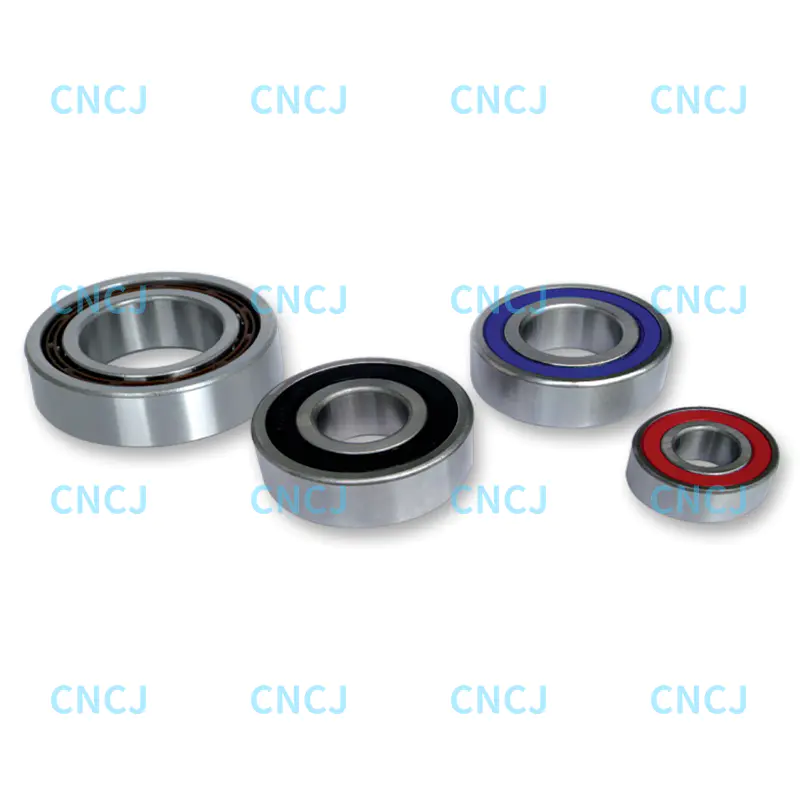
Our Double Row Ball Bearings are manufactured to accommodate this range of operating conditions, with sealed and shielded variants available depending on the application environment, making them suitable across the motor, automotive, agricultural, and industrial machinery uses outlined above.
 English
 中文简体
中文简体 Deutsch
 Español