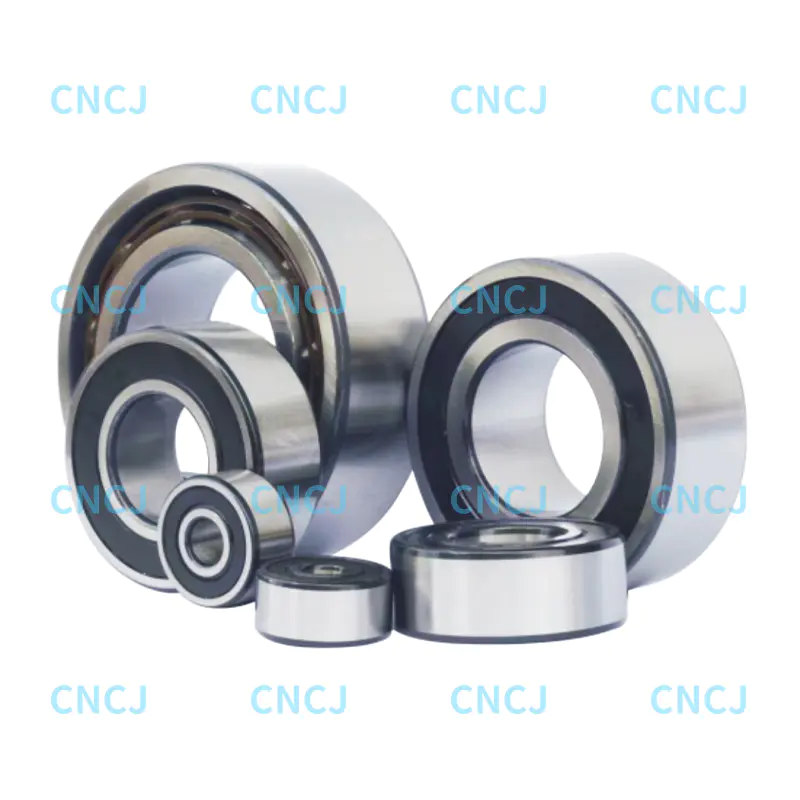
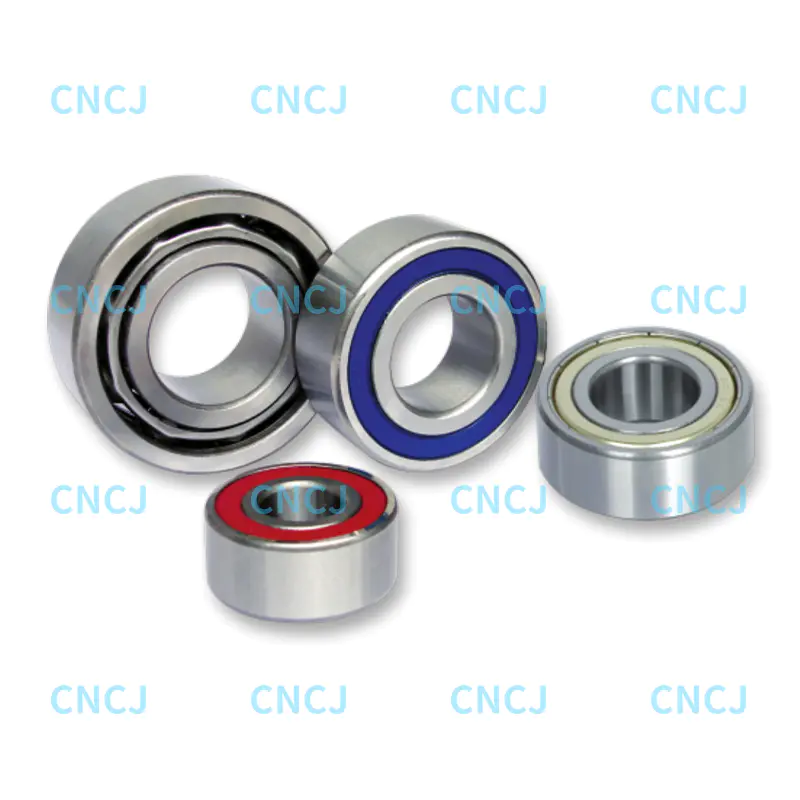
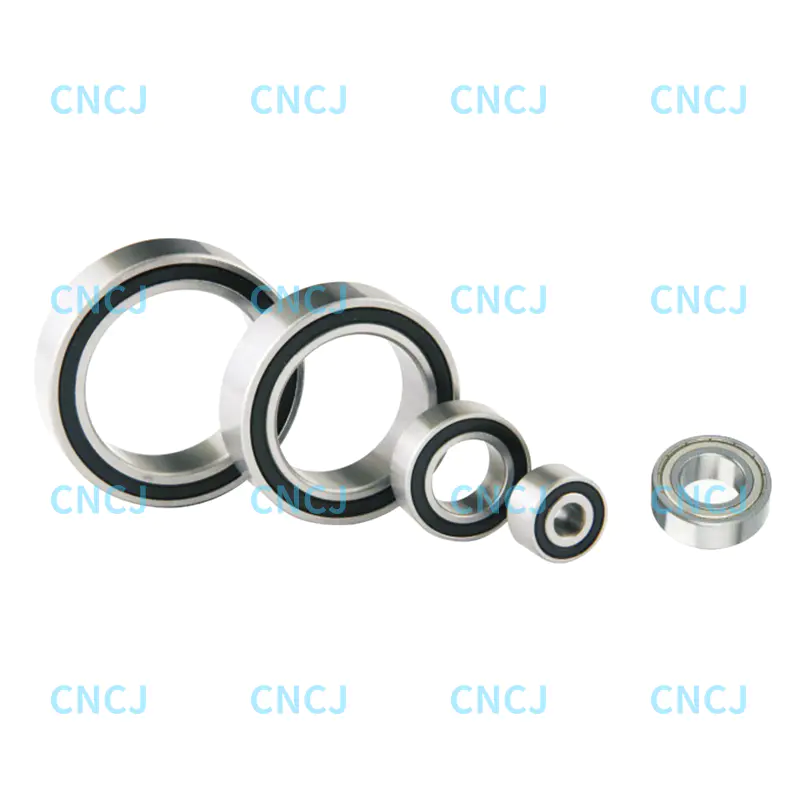
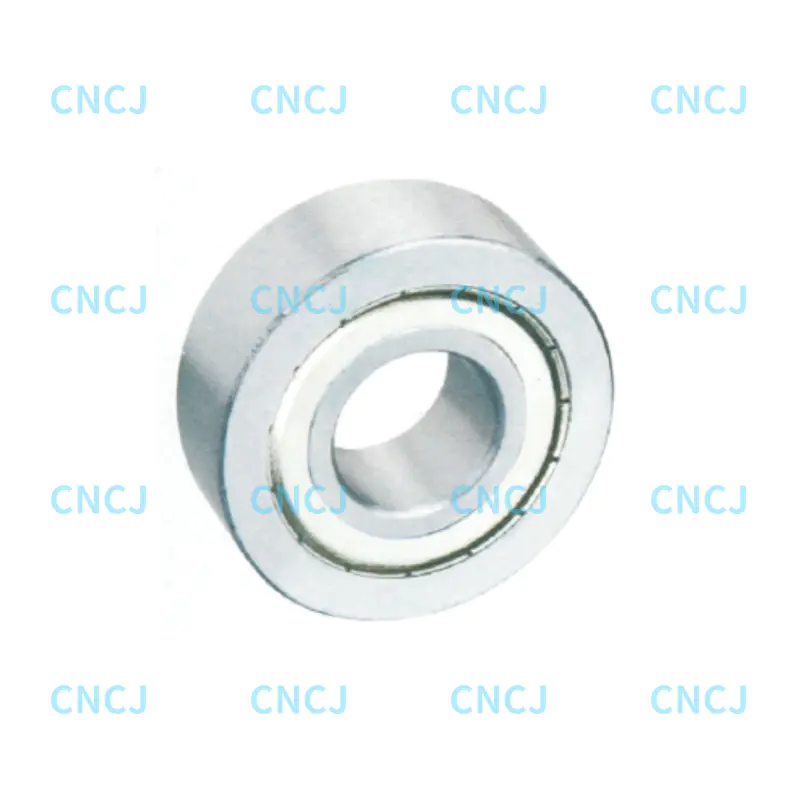
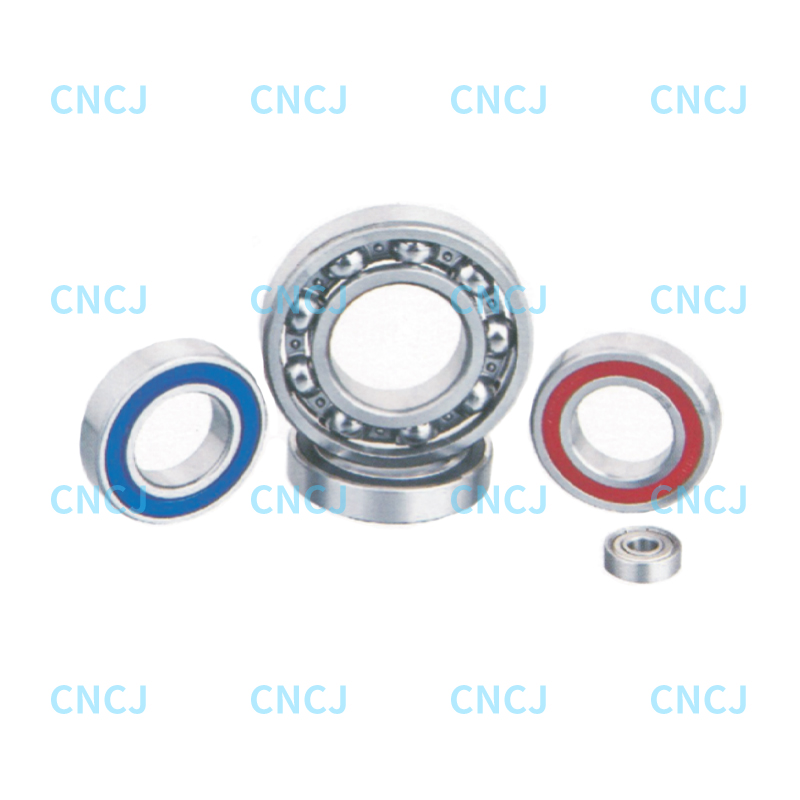
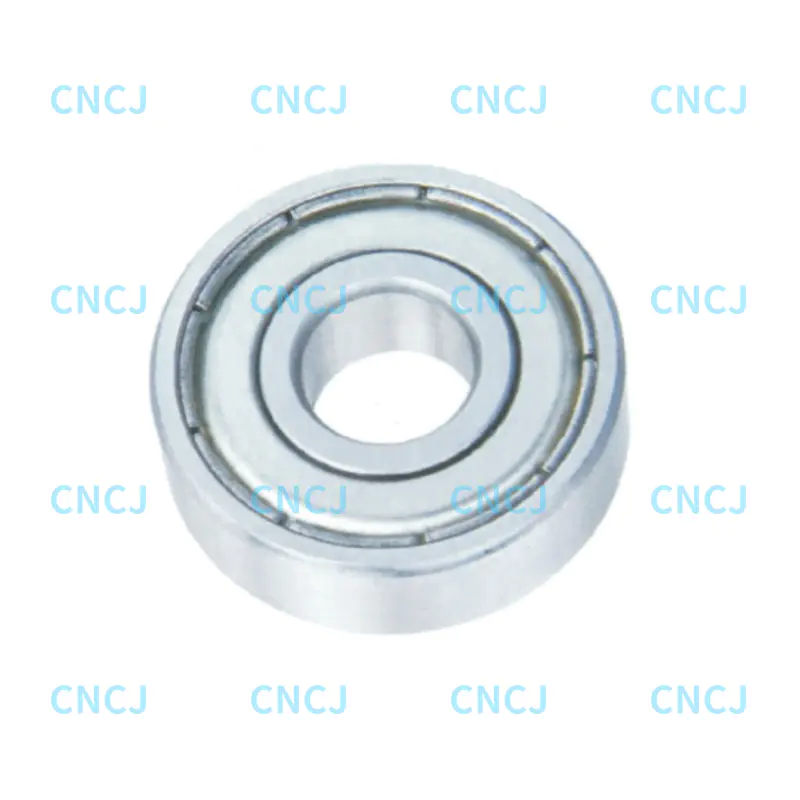
Yes, double row ball bearings generally deliver a longer service life than single row deep groove bearings under equivalent radial load conditions, because the added row of balls spreads the load across more contact points and reduces stress on each individual ball. According to fatigue life principles defined in the ISO 281 bearing life standard, load per rolling element has a cubic relationship with calculated bearing life, meaning even a modest reduction in per-ball stress can significantly extend expected operating hours. Below, we explain the mechanics behind this longer life, the conditions where the advantage is largest, and the factors that can still shorten a double row bearing's lifespan if ignored.
Bearing fatigue life is primarily governed by the repeated stress cycles each rolling element experiences as it passes through the load zone. In a single row bearing, the full radial load is carried by whichever balls happen to be in the load zone at a given moment. In a Double Row Ball Bearings design, that same load is distributed across two parallel rows, which lowers the peak stress on any single ball.
Because bearing life calculations under the ISO 281 standard use a load-life exponent of 3 for ball bearings, a reduction in load per ball translates into a disproportionately larger increase in calculated life. For example, a 20 percent reduction in load per rolling element can increase theoretical fatigue life by roughly 95 percent under the standard formula, which is why double row configurations are often selected specifically for extended-duty applications rather than for load capacity alone.
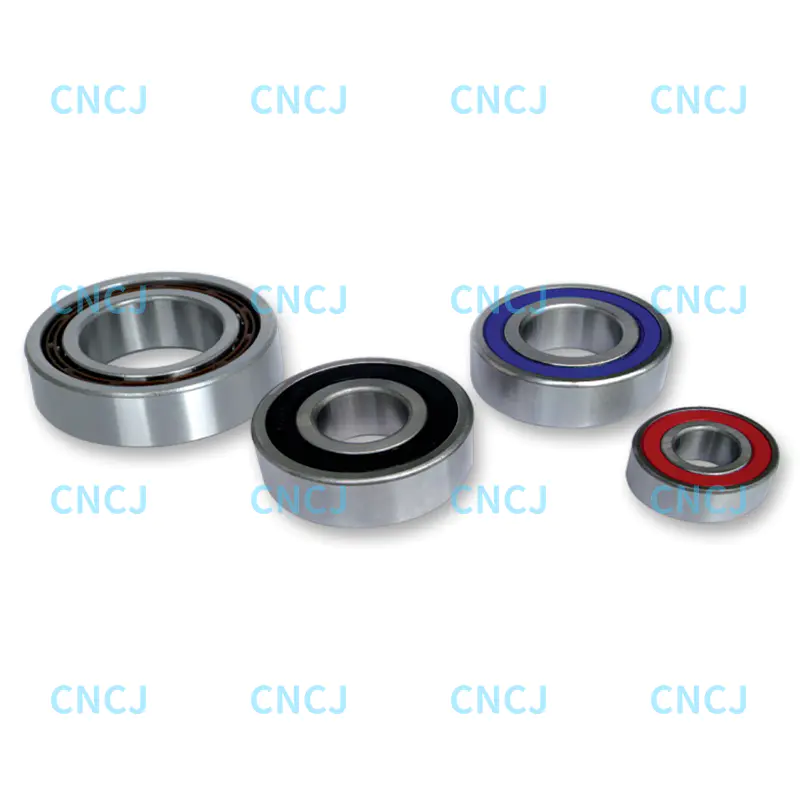
Life Comparison Against Single Row and Roller Bearings
The table below summarizes typical relative life expectations under similar radial load and speed conditions, based on general fatigue life relationships described in bearing engineering references.
| Bearing Type |
Relative Load Per Ball |
Relative Fatigue Life |
Best Suited Duty Cycle |
| Single Row Deep Groove Bearing |
Higher |
Baseline |
Light to moderate |
| Double Row Ball Bearing |
Lower |
Significantly higher |
Moderate to heavy |
| Cylindrical Roller Bearing |
Lowest |
Highest under pure radial load |
Heavy, low axial load |
Roller bearings can still edge out double row ball bearings under pure radial load at very high load levels, since line contact distributes stress more evenly than point contact. However, roller bearings handle axial load poorly, so in mixed-load applications a double row ball bearing frequently achieves a longer practical service life once combined loading is factored in, not just radial capacity alone.
Conditions Where the Life Advantage Is Largest
The longer service life of a double row design is not automatic in every scenario. It is most pronounced under specific operating conditions.
Combined radial and axial loading
Applications like wheel hubs and pump shafts apply both radial and axial forces simultaneously. A single row bearing under this combined load experiences uneven stress distribution across the ball path, accelerating localized fatigue. A double row bearing manages this combined loading more evenly, which is where the life extension is most measurable.
Shock and vibration environments
In agricultural and construction machinery, sudden load spikes from uneven terrain or impact events can cause brief but severe overloading. Distributing this shock across two rows rather than one reduces the chance of surface indentation on the raceway, which is a common early failure mode called brinelling.
Factors That Can Shorten Life Regardless of Bearing Design
A longer theoretical service life only holds if the bearing is properly installed and maintained. Several factors can offset or eliminate the life advantage of a double row design entirely.
- Insufficient or contaminated lubrication, which increases friction and accelerates surface wear regardless of load distribution.
- Shaft or housing misalignment, which concentrates load unevenly across both rows instead of distributing it as designed.
- Operating temperatures above the rated range, which degrades lubricant viscosity and accelerates fatigue.
- Incorrect fit or preload during installation, which can introduce internal stress before the bearing even begins operating.
Bearing manufacturers commonly note that improper lubrication and contamination account for a large share of premature bearing failures across all bearing types, which means selecting a double row bearing does not remove the need for correct maintenance practices.
Real-World Example: Motor Shaft Application
Consider a mid-size electric motor operating continuously under moderate radial load with slight axial thrust from cooling fan airflow. Under a single row deep groove bearing, engineering estimates using standard fatigue life formulas typically project a service life in the range of several years under continuous duty before replacement becomes necessary. Switching to an equivalent-size double row ball bearing under the same load conditions can extend that projected service life meaningfully, often allowing the bearing to reach the motor's full expected operating lifespan without a mid-cycle replacement, based on standard load-life relationships defined in ISO 281.
This is one of the main reasons motor and pump manufacturers specify double row bearings in applications where unplanned downtime for bearing replacement is costly, since the extended service interval reduces both maintenance frequency and labor cost over the equipment's operating life.
How to Maximize Service Life in Practice
Selecting a double row ball bearing is only the first step toward achieving its full potential lifespan. The following practices help ensure the theoretical life advantage translates into real-world performance.
- Follow the manufacturer's recommended lubrication interval and grease type for the expected operating temperature range.
- Verify shaft and housing tolerances match the bearing's fit specifications before installation.
- Use proper mounting tools to avoid applying installation force directly through the balls or raceways.
- Monitor for unusual noise or vibration, which often signals early-stage wear before catastrophic failure occurs.
Our Double Row Ball Bearings are manufactured with tight tolerance control and appropriate sealing options to support these long-life outcomes across motor, automotive, agricultural, and industrial applications where extended service intervals directly reduce downtime and maintenance costs.
 English
 中文简体
中文简体 Deutsch
 Español