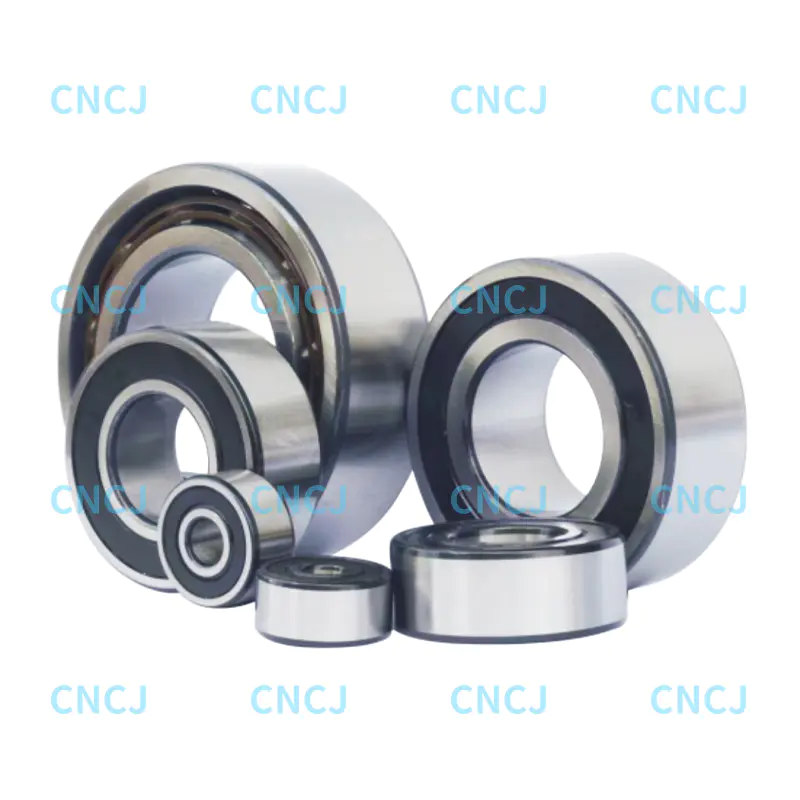
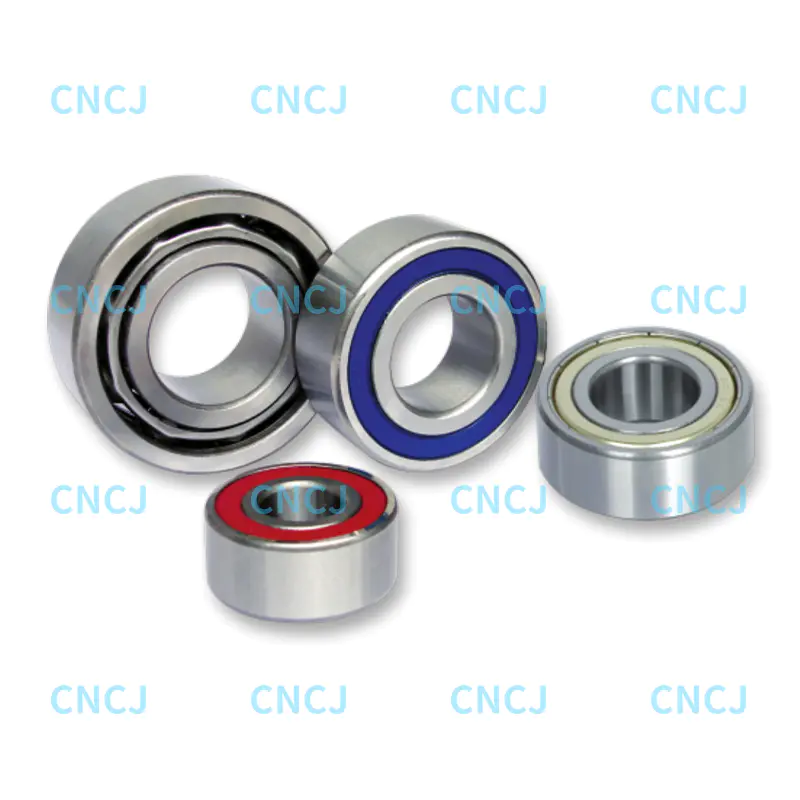
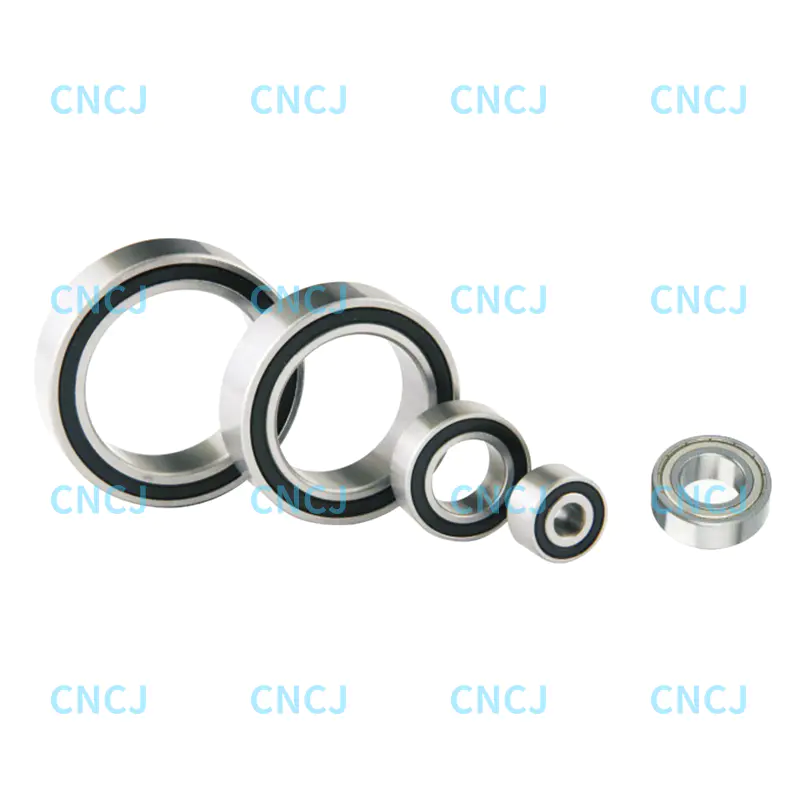
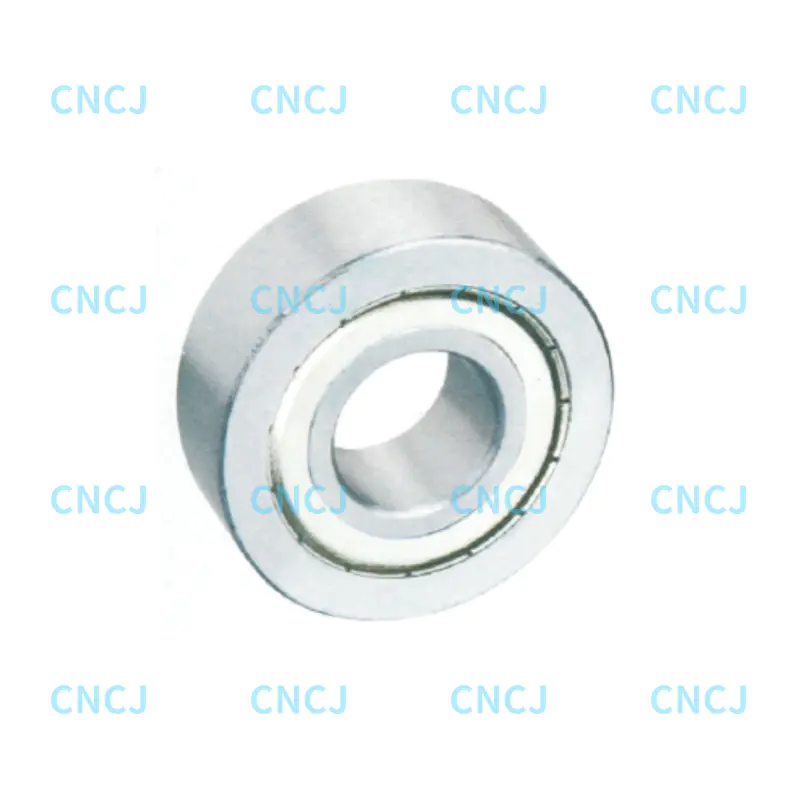
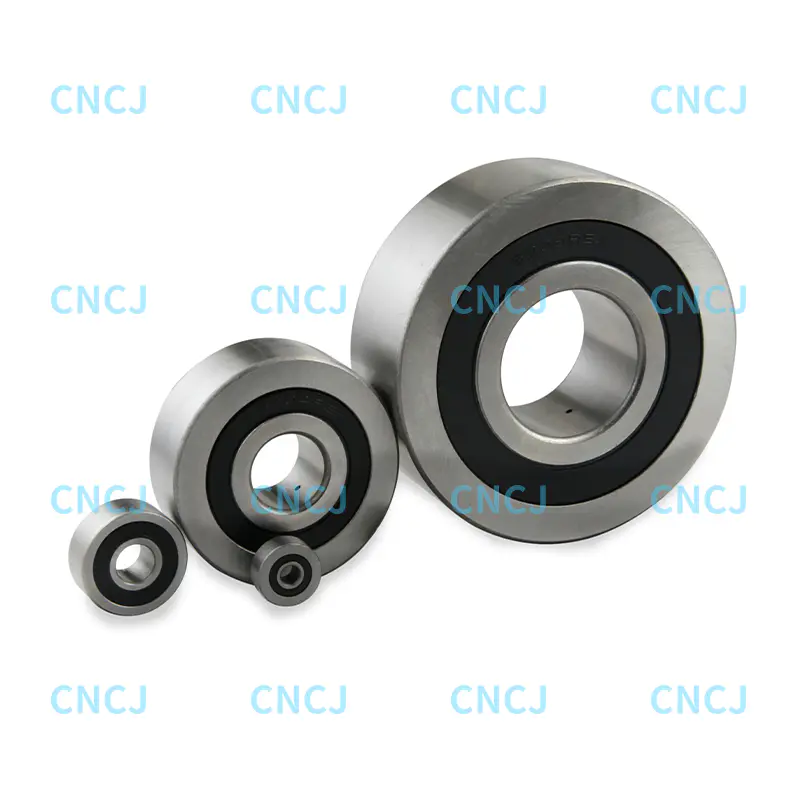
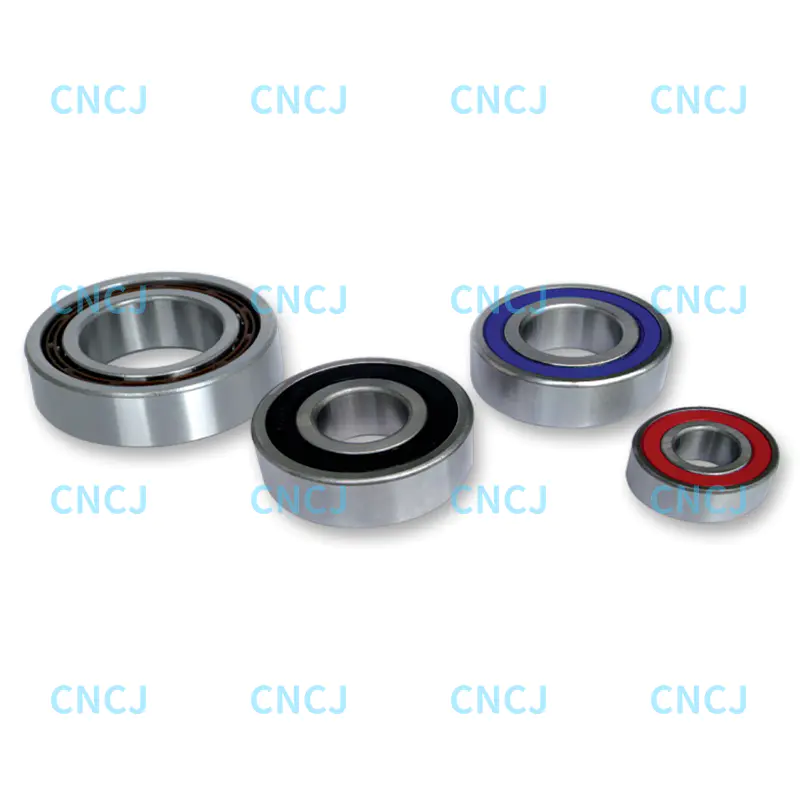
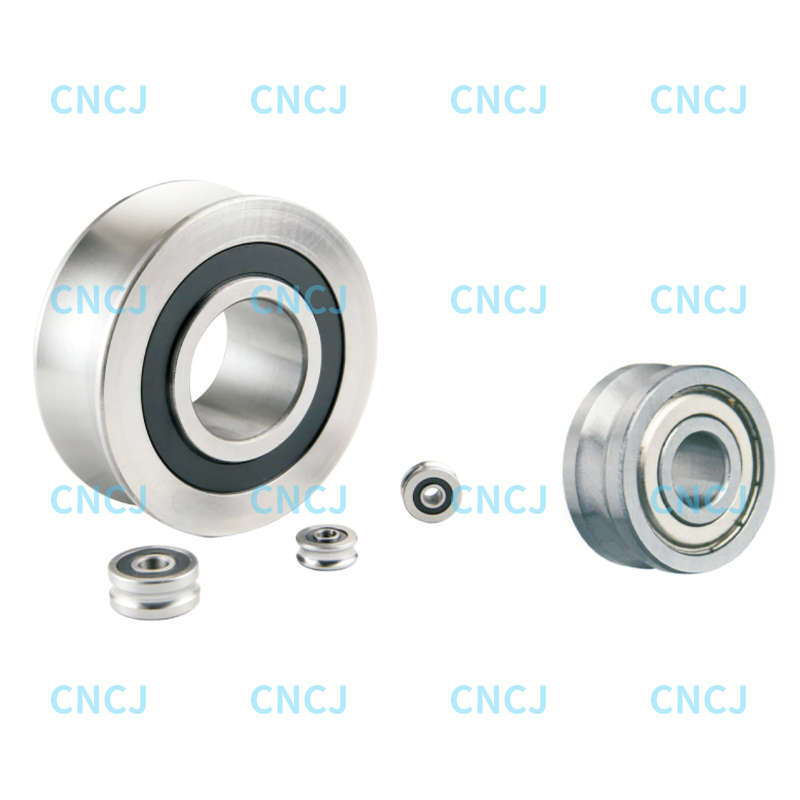
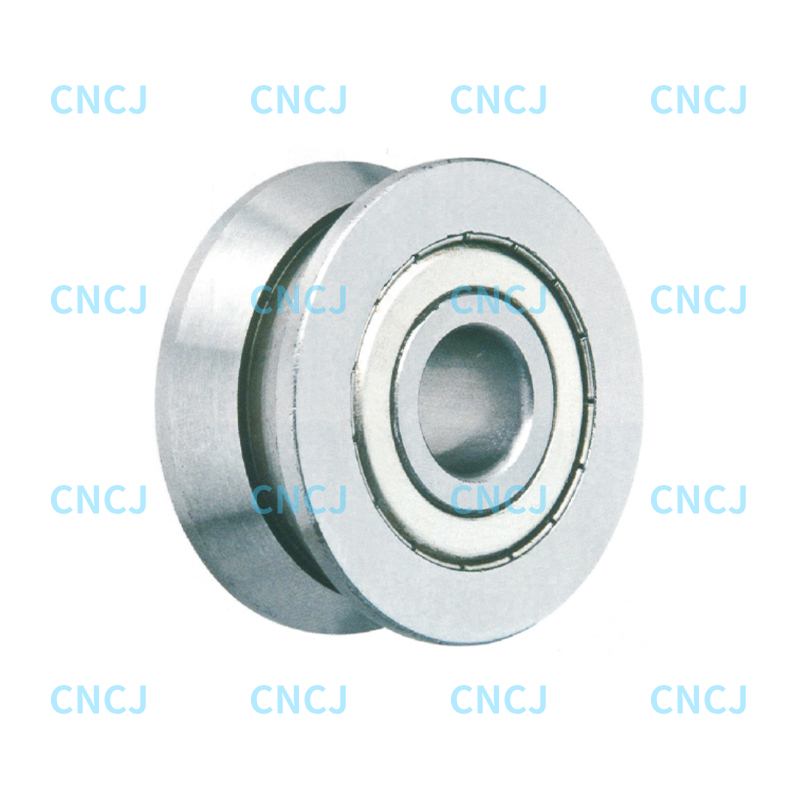
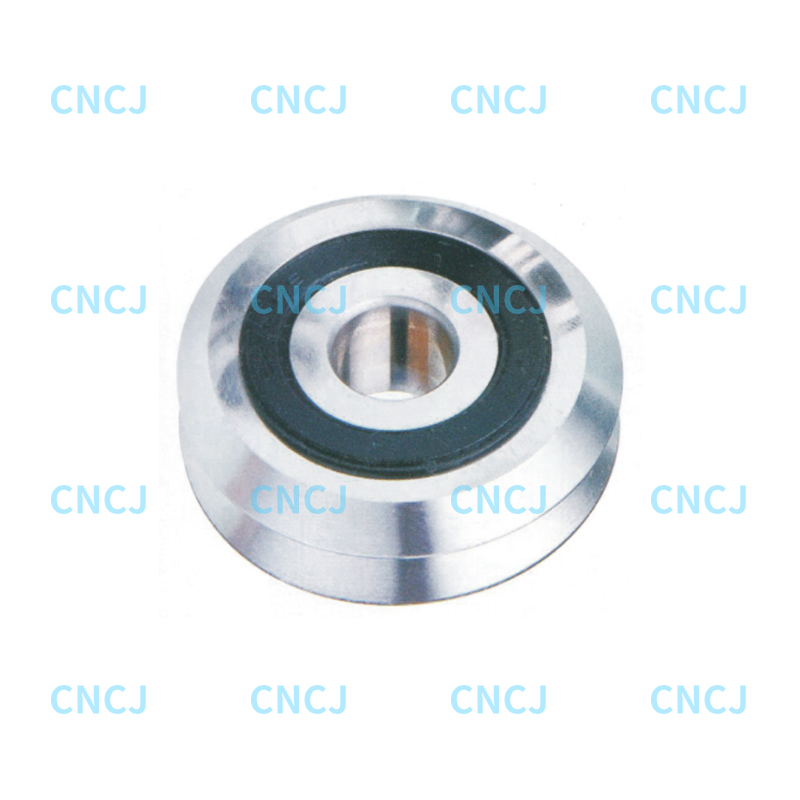
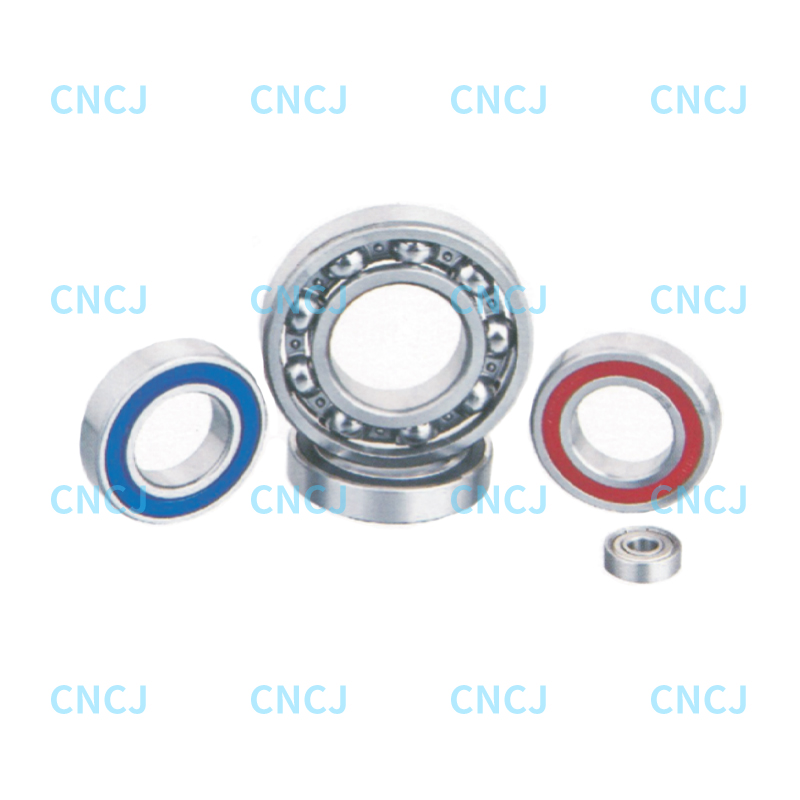
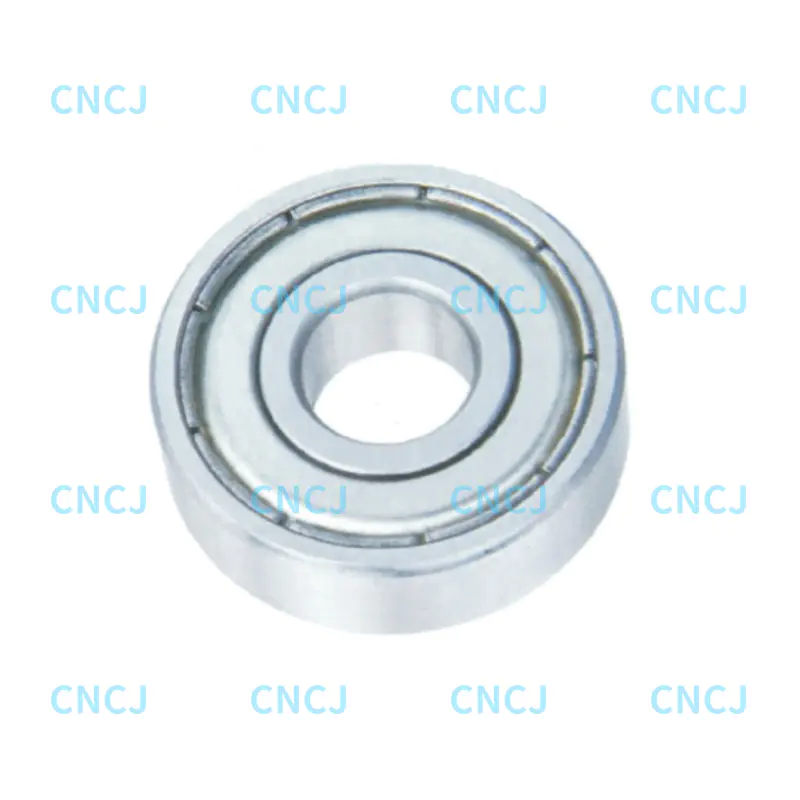
In the sophisticated realm of linear motion control, the efficiency of a system is often dictated by the smallest components. Among these, Track Rollers With Gothic Arch Groove-Type LFR stand out as a pinnacle of engineering precision. Designed specifically for high-performance linear guidance, the LFR series is the go-to solution for engineers who require smooth motion, high load capacity, and long-term durability. But what sets the Gothic Arch Groove apart from standard V-grooves or cylindrical profiles? This comprehensive guide will explore the technical nuances, material advantages, and industrial impact of this specialized track roller.
The Technical Science of the Gothic Arch Groove
The defining feature of the Type LFR roller is its Gothic Arch Groove profile. Unlike a standard circular arc, a Gothic Arch is formed by two intersecting arcs, creating a pointed peak at the center of the groove. This specific geometry is not merely aesthetic; it is designed to facilitate four-point contact between the internal balls and the raceways.
In a four-point contact system, each rolling element makes contact at four distinct points on the raceway. This drastically reduces the "differential slip" common in traditional V-grooves, where the balls often slide rather than roll at certain speeds. By ensuring pure rolling motion, the Gothic Arch design minimizes friction, reduces heat generation, and allows the track roller to operate at significantly higher velocities without compromising positioning accuracy.
Structural Integrity and Load Capacity
One of the core reasons for the widespread adoption of Track Rollers With Gothic Arch Groove-Type LFR is their exceptional load-bearing capability. These rollers are typically constructed with a thick-walled outer ring made from high-grade GCR15 chrome steel. This material choice ensures that the roller can withstand high radial loads and substantial axial thrusts simultaneously.
Double Row Internal Design
Most LFR series rollers are built with a double-row ball structure. This internal configuration provides a wider effective spread, which translates to superior tilting stiffness. For applications involving moment loads—where the force is not perfectly centered—the double-row LFR roller remains stable, preventing the "tilting" effect that often plagues single-row bearings. This stability is critical for maintainining the linear rail guidance integrity in heavy-duty automation.
Why Choose LFR Type Rollers for Industrial Automation?
When comparing Type LFR to other series like the SG or LV series, the Gothic Arch version offers distinct advantages in installation flexibility. These rollers are designed to run on cylindrical tracks or V-profile rails with a 60-degree or 90-degree angle. This compatibility makes them a versatile choice for retrofit projects and new CNC machinery designs alike.
- Low Noise and Vibration: The precision-ground Gothic Arch profile ensures a whisper-quiet operation, which is vital for medical and laboratory equipment.
- High Running Accuracy: The four-point contact ensures that the roller "hugs" the rail, providing a zero-play environment that is essential for 3D printing and laser cutting.
- Maintenance-Free Options: Many LFR rollers come pre-greased and equipped with 2RS contact seals, protecting the internal raceways from dust, sawdust, and metallic debris.
Common Applications Across Diverse Sectors
The Track Roller With Gothic Arch Groove-Type LFR is a "multitasker" in the engineering world. In the Logistics and Material Handling sector, they are the backbone of high-speed sorting conveyors, where they must handle millions of cycles with minimal wear. In Woodworking and Textile Machinery, their robust sealing and thick-walled design prevent the ingress of fine particles that would otherwise cause a standard bearing to seize.
Furthermore, they are extensively used in the Automotive Assembly lines for precision robotic positioning. The LFR series ensures that robotic arms can move along tracks with repeatable accuracy, reducing scrap rates and increasing production efficiency. For any industry that relies on linear motion, these rollers provide a cost-effective and highly reliable guidance solution.
Installation Best Practices and Longevity
To achieve the full service life of your Gothic Arch Track Rollers, proper installation is non-negotiable. Most systems utilize a combination of concentric and eccentric bolts. The eccentric bolt allows for the adjustment of the preload. A common mistake is applying too much preload, which creates excessive pressure on the four-point contact zones, leading to "pitting" and rapid fatigue.
Regular inspection of the track surface is also recommended. Since the LFR roller is harder than many standard aluminum tracks, ensuring the track is clean and slightly lubricated will prevent "track galling." By following these maintenance tips, the total cost of ownership (TCO) for the linear system is greatly reduced, as the intervals between replacements are significantly lengthened.
Conclusion: The Future of Linear Guidance
In conclusion, Track Rollers With Gothic Arch Groove-Type LFR represent a sophisticated marriage of geometry and material science. By offering high load capacity, low friction, and exceptional stability, they enable the high-precision movements that define modern industry. Whether you are prioritizing speed in a packaging line or accuracy in a medical scanner, the Type LFR with its Gothic Arch is the definitive choice for engineers who refuse to compromise on quality.
 English
 中文简体
中文简体 Deutsch
 Español