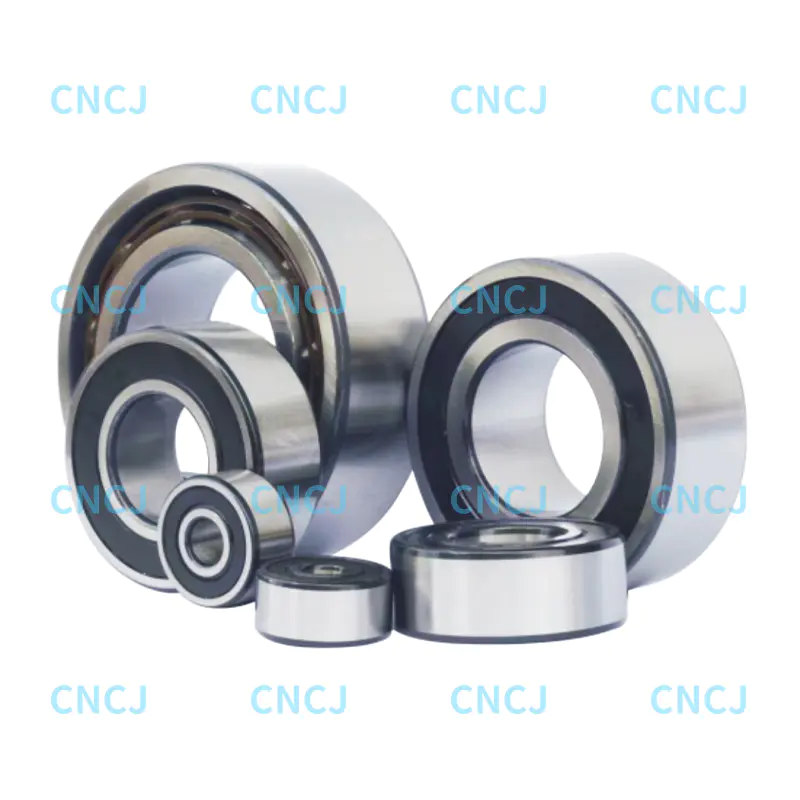
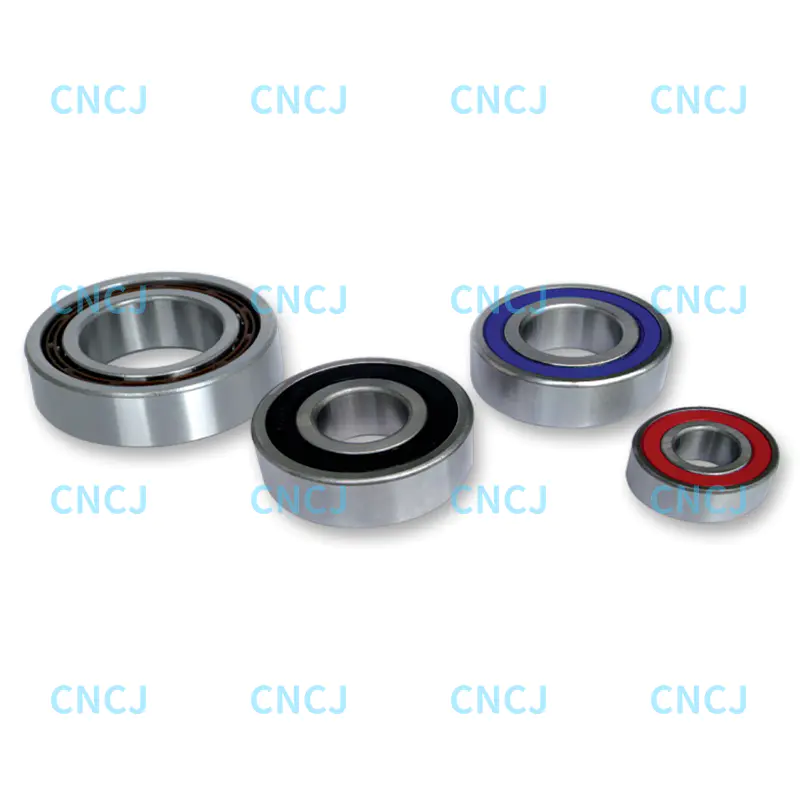
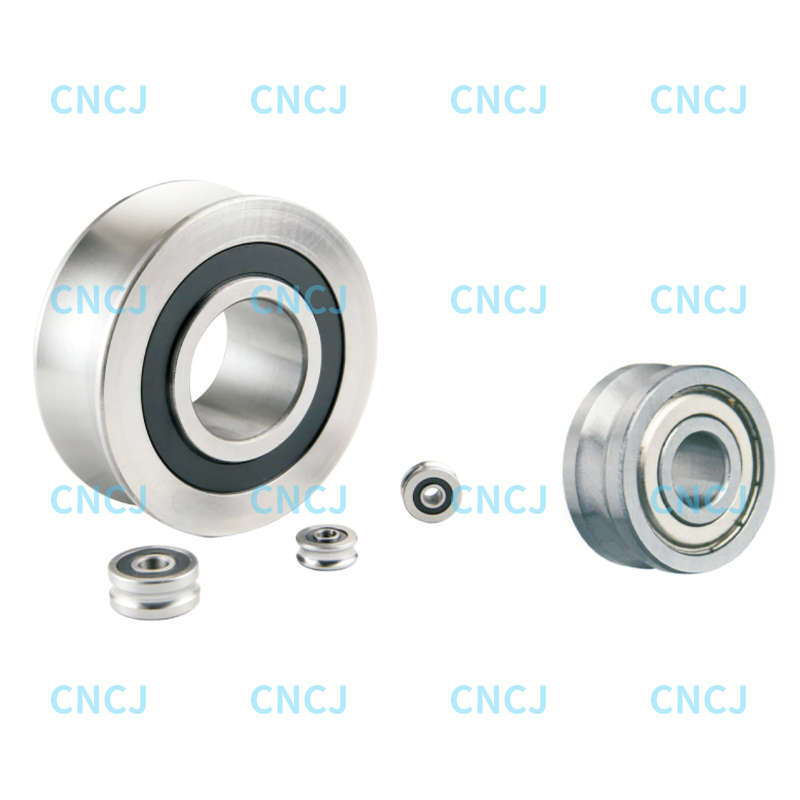
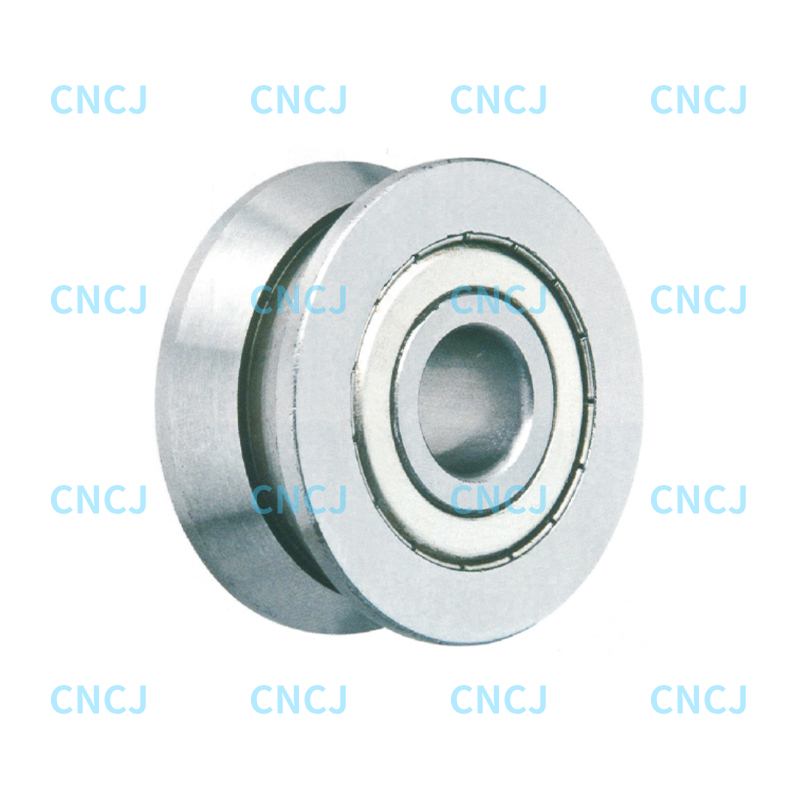
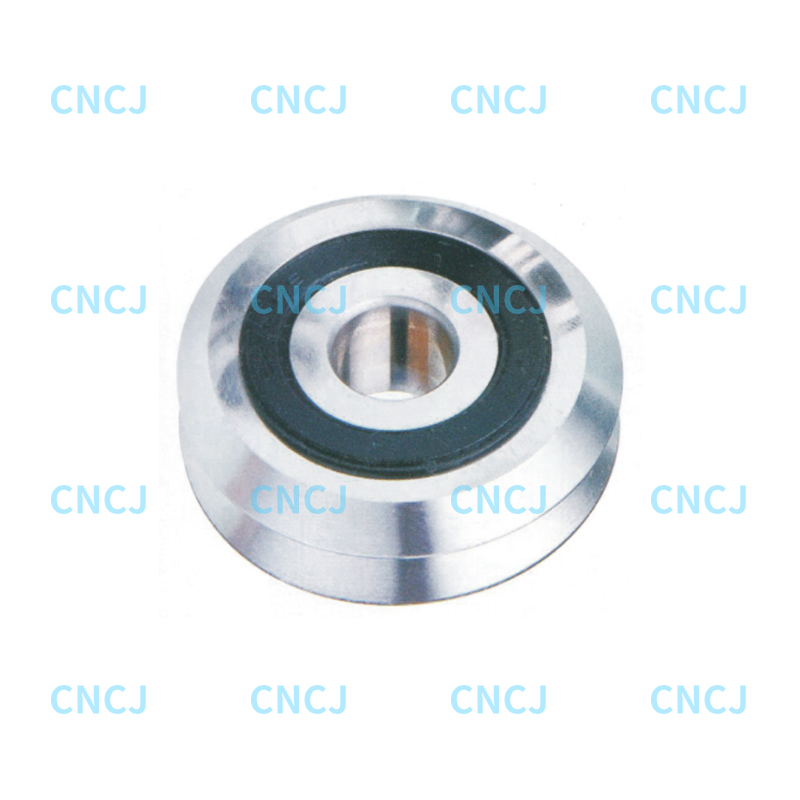
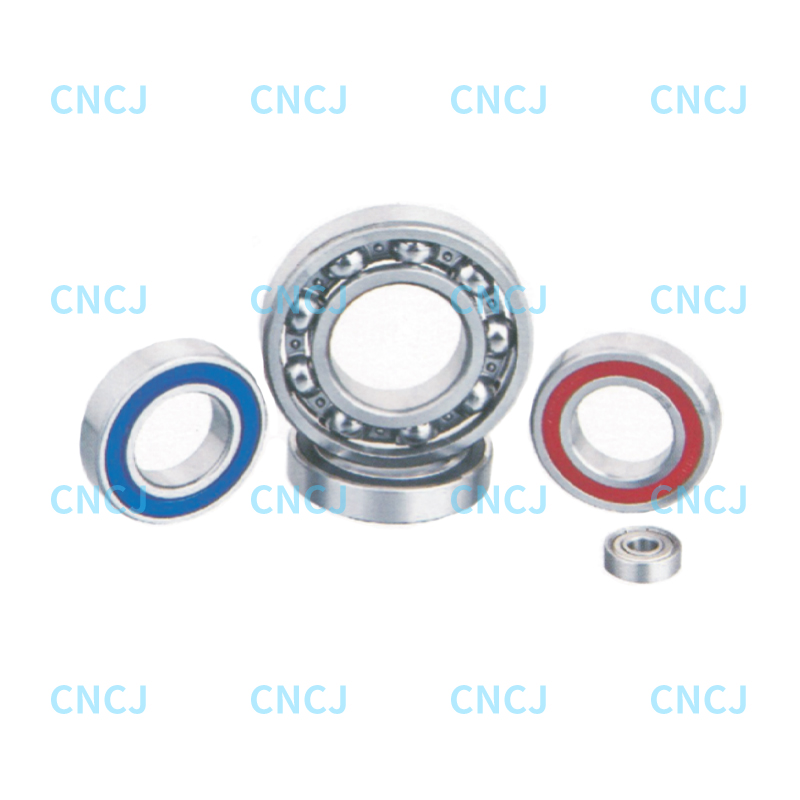
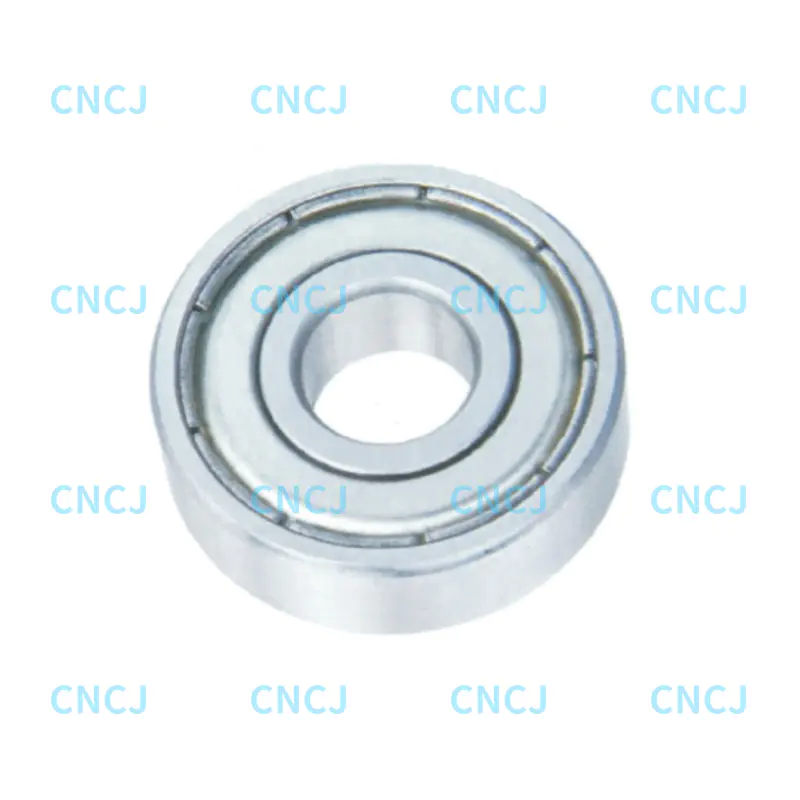
In the rapidly evolving landscape of industrial machinery, the demand for components that offer both durability and high-speed precision has never been higher. Manufacturers are constantly seeking ways to reduce downtime and increase the efficiency of their equipment. At the heart of this mechanical revolution lies a critical component: Double Row Angular Contact Ball Bearings.
These bearings have become the silent heroes of modern engineering, providing the necessary support for rotating shafts in everything from automotive hubs to complex agricultural machinery. Recent advancements in sealing technology and internal geometry have pushed the boundaries of what these components can achieve, leading to a new era of reliability in heavy-duty applications.
Understanding the Advantage of Double Row Design
Standard single-row bearings are often limited in their ability to handle combined loads—forces that act both radially (perpendicular to the shaft) and axially (parallel to the shaft). The transition to a double-row configuration effectively mimics the performance of two single-row angular contact bearings mounted back-to-back, but in a much more compact footprint.
The primary advantage of this design is rigidity. By having two rows of balls, the bearing can accommodate tilting moments and heavy thrust loads from both directions. This makes them indispensable for applications where space is at a premium but high load capacity is non-negotiable.
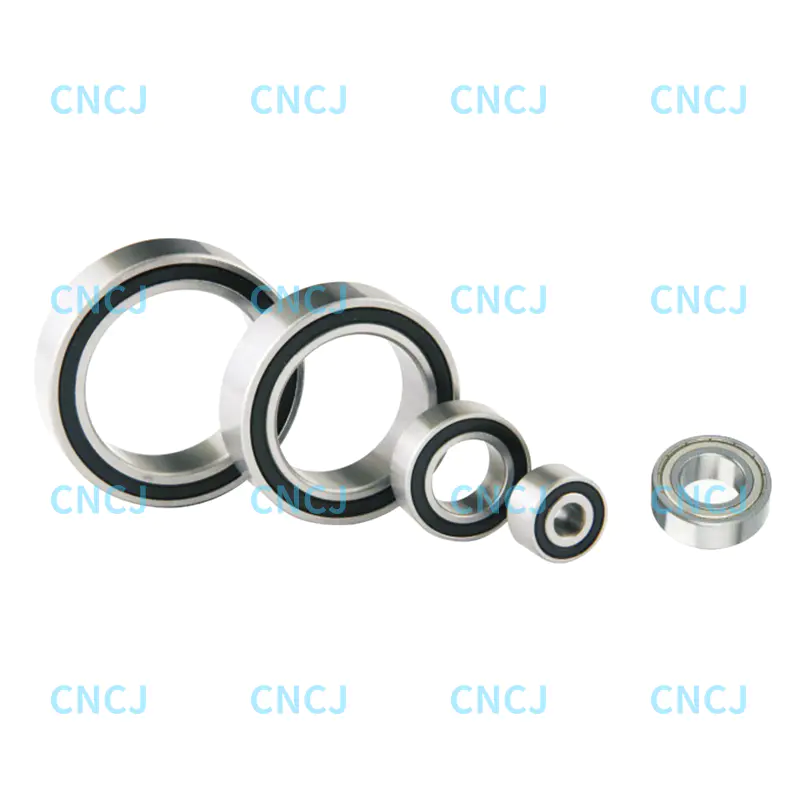
Key Performance Benefits
-
Space Efficiency: Replaces two single-row bearings, reducing the axial space required.
-
Enhanced Stiffness: Provides a rigid arrangement capable of resisting moment loads.
-
Bi-directional Thrust: Handles axial loads in both directions seamlessly.
-
Simplified Installation: Fewer components mean faster assembly and reduced risk of mounting errors.
Decoding the Protection: Seals vs. Shields
One of the most frequent questions from procurement managers and engineers is the difference between contact seals and metal shields. The longevity of a bearing is often determined not by the steel itself, but by how well the internal components are protected from the environment.
The RS Series: Maximum Protection
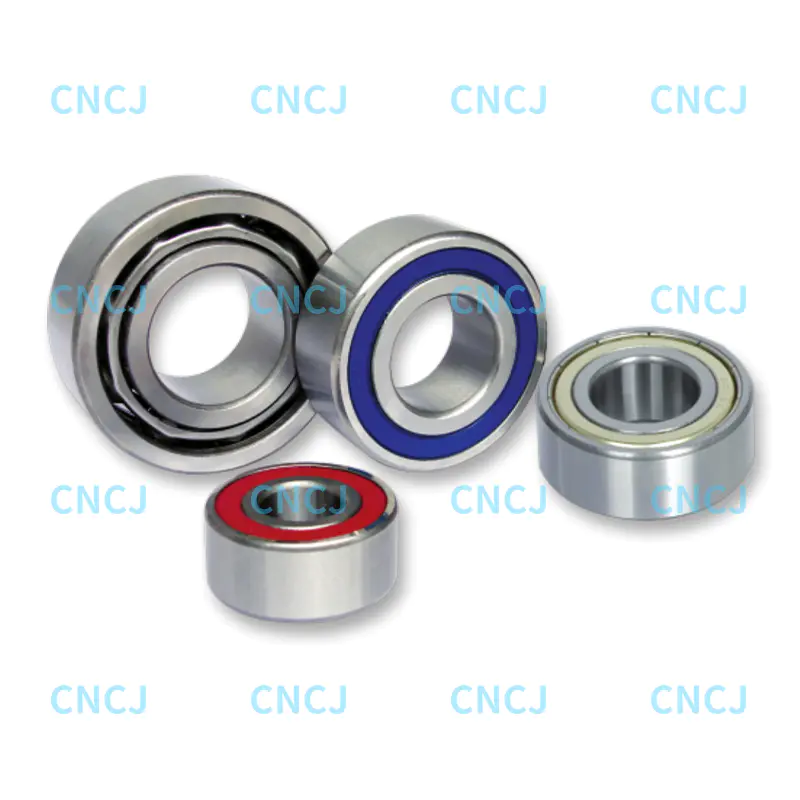
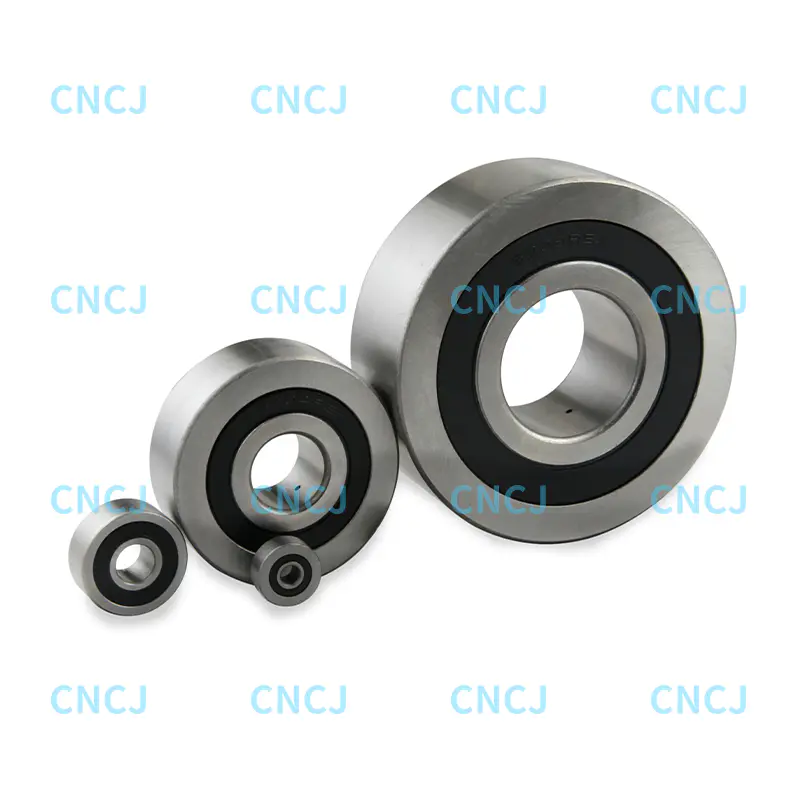
The "RS" designation refers to rubber contact seals. These are designed for environments where dust, water, and grime are constant threats. The rubber lip makes physical contact with the inner ring, creating a pressurized barrier that keeps high-quality grease in and contaminants out.
The ZZ Series: High-Speed Efficiency
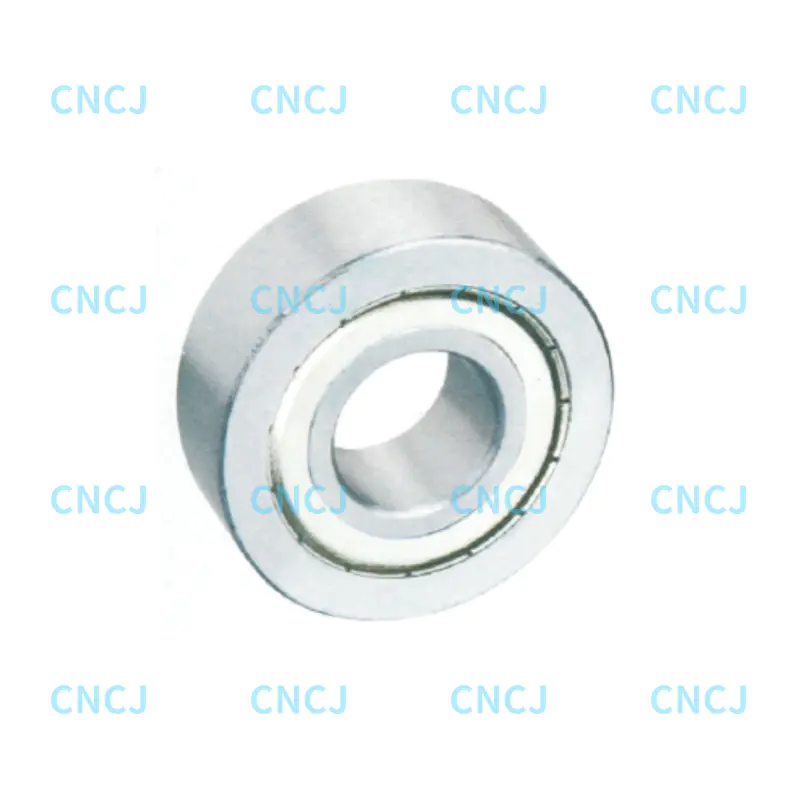
The "ZZ" designation identifies non-contact metal shields. These are ideal for cleaner environments where friction must be kept to an absolute minimum. Because the shield does not touch the inner ring, there is less heat generation, allowing the bearing to reach higher rotational speeds without degrading the lubricant.
Technical Specifications and Dimensional Data
To help our partners select the correct component for their specific mechanical requirements, we have compiled a comprehensive guide to the physical dimensions and load ratings of our latest series.
Metric Series Dimension Overview
| Basic Type |
Inner Diameter (mm) |
Outer Diameter (mm) |
Width (mm) |
Static Load (kN) |
Dynamic Load (kN) |
| Series 30 Small Bore |
10 |
30 |
14.3 |
4.5 |
7.5 |
| Series 30 Medium Bore |
15 |
35 |
15.9 |
6.0 |
11.0 |
| Series 38 Precision |
12 |
28 |
12.0 |
3.8 |
6.2 |
| Series 38 High Load |
17 |
35 |
14.0 |
5.2 |
9.8 |
Closure Options and Usage
| Closure Code |
Material |
Description |
Best For |
| 2RS |
Nitrile Rubber |
Dual Contact Seals |
Outdoor use, washdown areas, dusty factories. |
| ZZ |
Pressed Steel |
Dual Metal Shields |
High-speed electric motors, enclosed gearboxes. |
Application Focus: Where Performance Matters Most
The versatility of these bearings allows them to be utilized across a vast spectrum of industries. By choosing the right closure (2RS or ZZ), engineers can tailor the bearing to the specific environmental stresses of their sector.
Automotive and Transportation
In the automotive world, these bearings are frequently found in air conditioning compressors and wheel hubs. The double-row design ensures that even during high-speed cornering—where axial forces are extreme—the bearing remains stable and quiet.
Agriculture and Off-Road Gear
Farm equipment operates in the toughest conditions imaginable. From harvesters to tractors, the 2RS sealed versions are the industry standard. They prevent the ingress of soil and moisture, ensuring that a simple bearing failure doesn't halt an entire harvest.
Industrial Automation and Robotics
Precision is the name of the game in robotics. The stiffness provided by the angular contact design ensures that robotic arms can move with repeatable accuracy. In these clean environments, the ZZ shielded versions are preferred for their low torque and high-speed capabilities.
Maintenance-Free Longevity
Modern manufacturing techniques have allowed these bearings to be "lubricated for life." During the assembly process, a precise volume of high-performance lithium-based grease is injected into the bearing.
For the 2RS series, this grease is effectively locked in, meaning the end-user never has to worry about re-greasing. This "fit and forget" philosophy reduces maintenance costs and eliminates the risk of using the wrong type of lubricant during field service, which is a leading cause of premature bearing failure.
Choosing the Right Fit for Your Project
Selecting a bearing involves more than just matching the inner and outer diameters. You must consider the operating temperature, the speed of rotation (RPM), and the nature of the environment.
Pro Tip: If your machine operates in an environment with fine particulates (like wood dust or flour), always opt for the 2RS contact seal. While it has a slightly lower top speed due to friction, the protection it offers will extend the bearing's life by up to 300% compared to an open or shielded bearing.
We are committed to providing the global market with components that meet the highest international standards of ISO and ANSI. Our latest series represents a commitment to engineering excellence, ensuring that your machinery stays in motion, day and night.
 English
 中文简体
中文简体 Deutsch
 Español