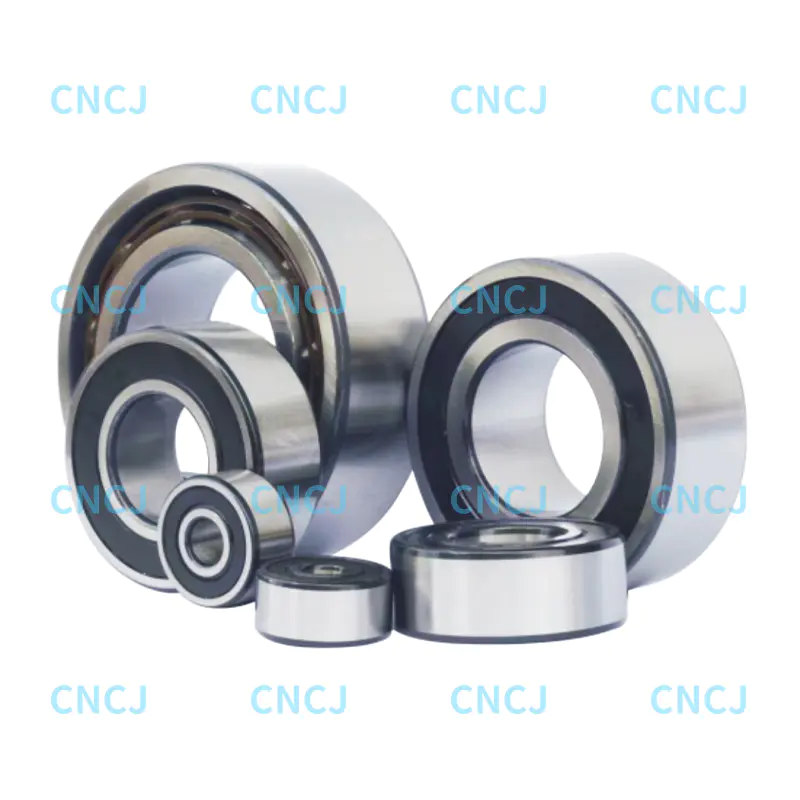
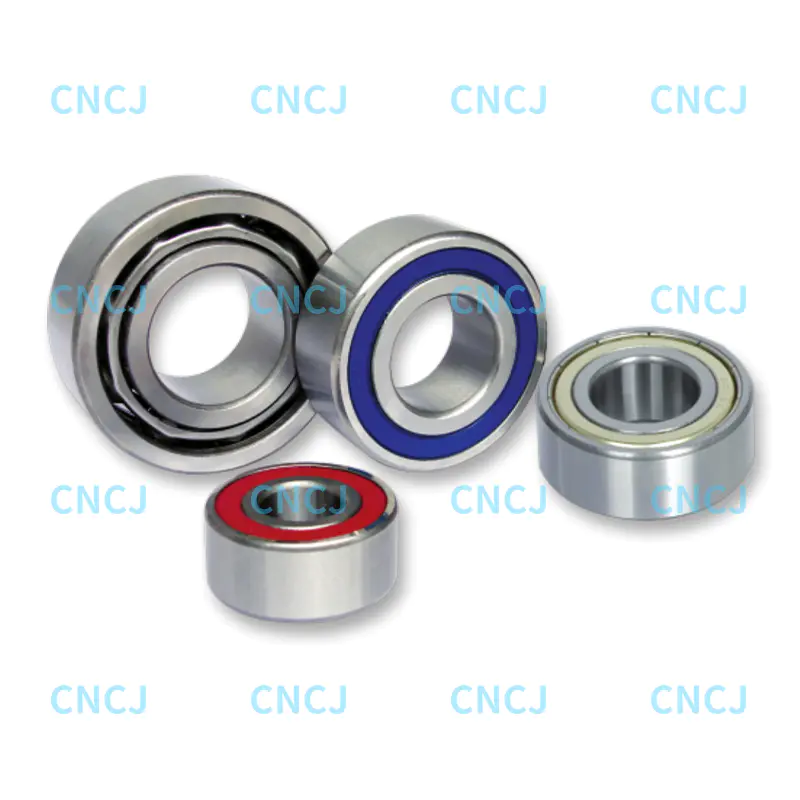
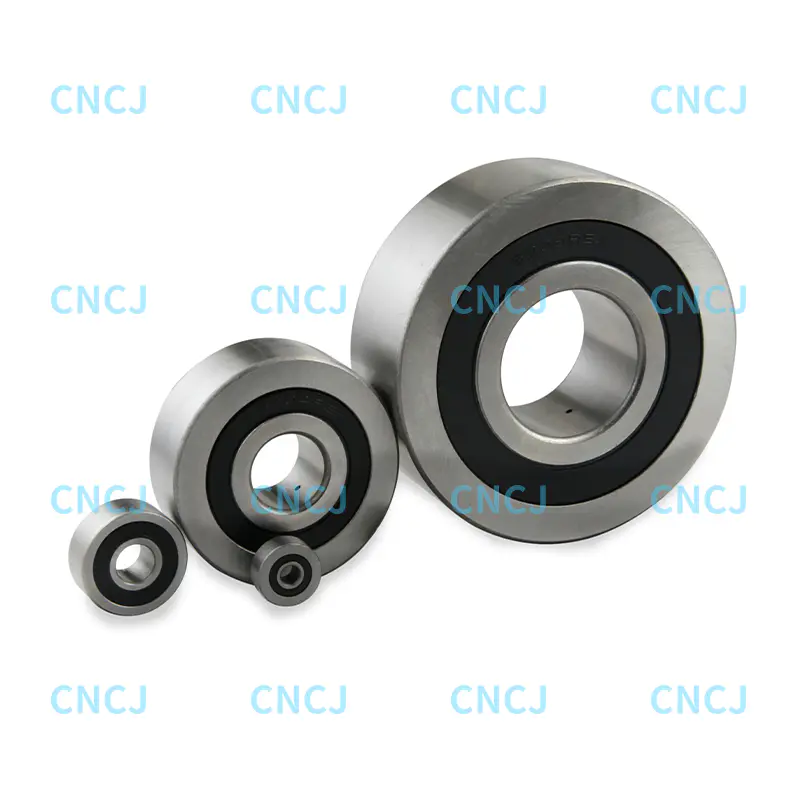
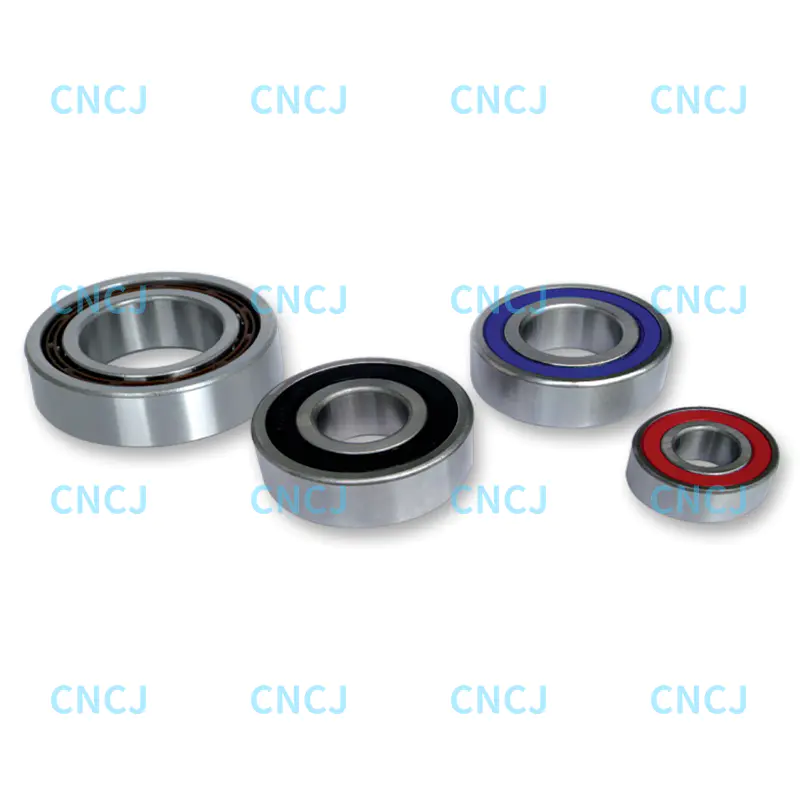
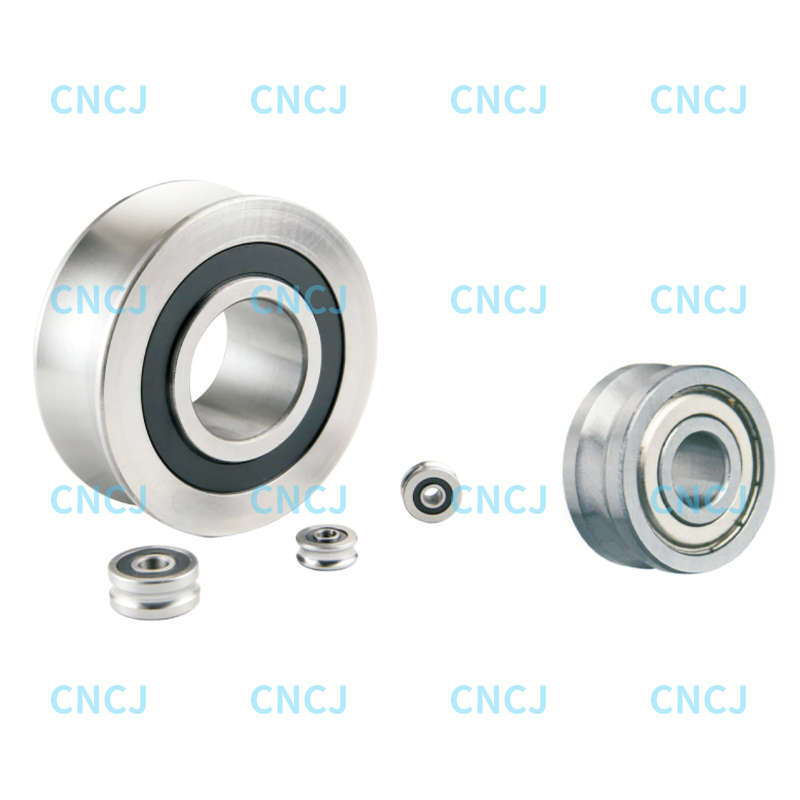
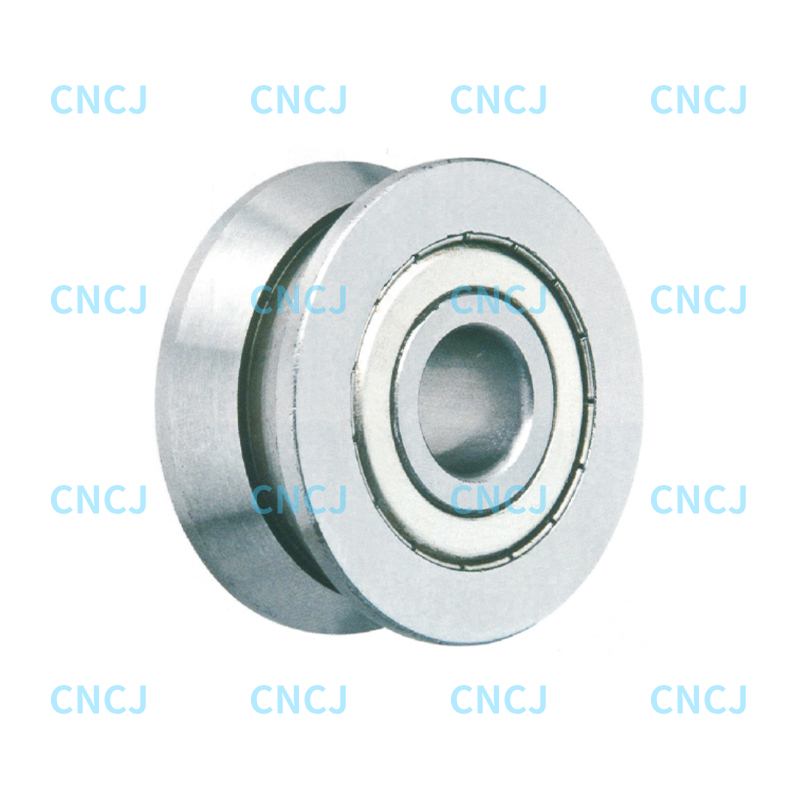
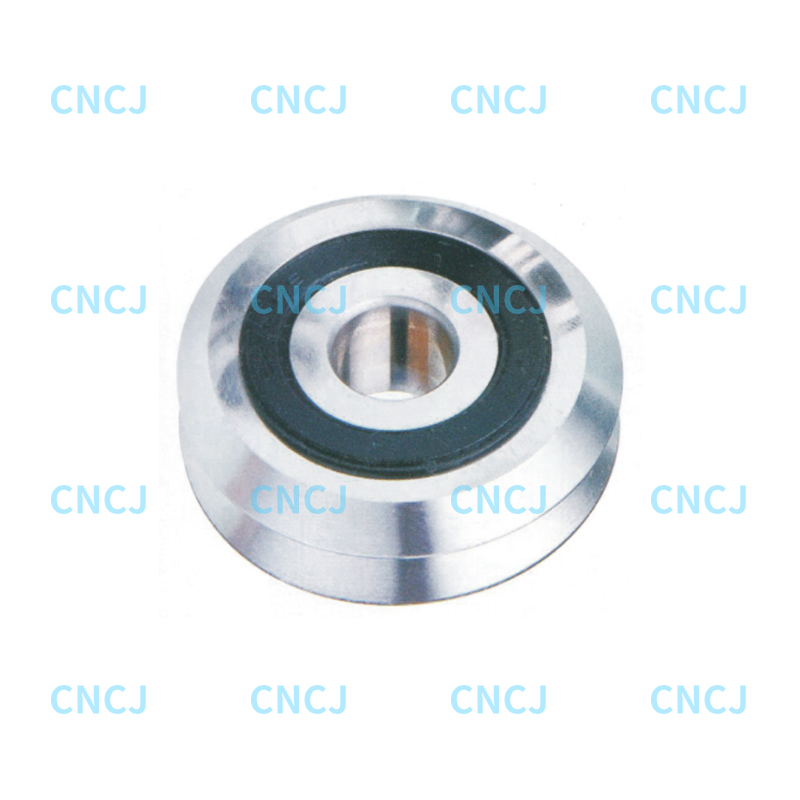
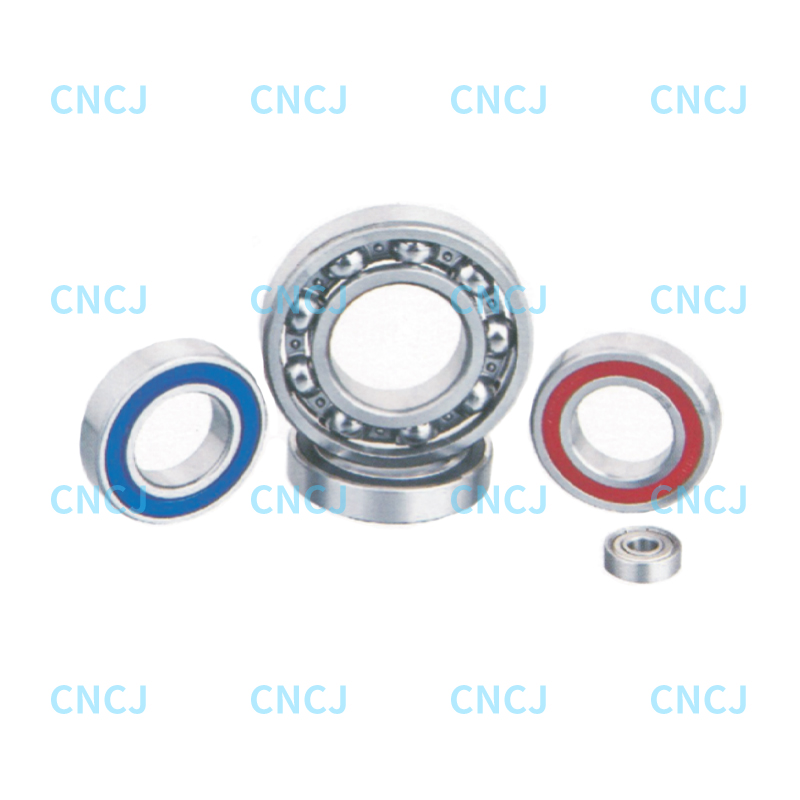
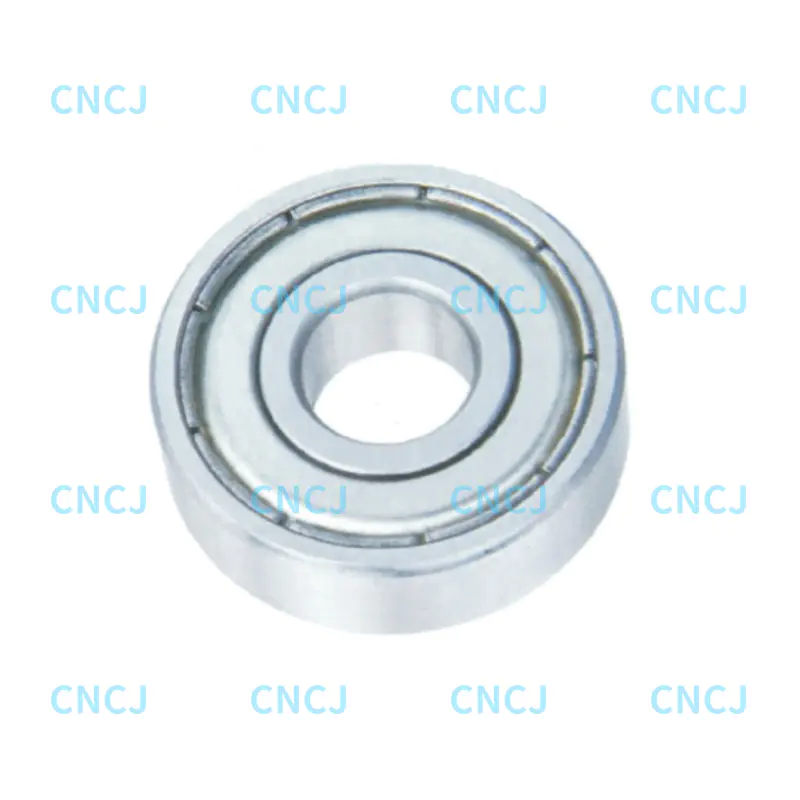
Double row angular contact roller bearings are primarily used in applications that require simultaneous handling of high radial loads, substantial axial loads from both directions, and moment loads — all within a compact, single-unit bearing arrangement. They are the engineering solution of choice whenever a shaft or rotating assembly must be supported rigidly at a single location without the complexity of pairing two separate single-row bearings.
In practical terms, these bearings appear in machine tool spindles, rolling mill roll necks, heavy industrial gearboxes, pump and compressor shafts, wind turbine pitch systems, and precision aerospace actuators — anywhere that combined load capacity, axial stiffness, and precise running accuracy must coexist in a single bearing position. Their contact angles typically range from 25° to 40°, with higher angles providing greater axial load capacity and lower angles favoring higher speeds and radial capacity.
Understanding the Design: Why Two Rows Make a Difference
To understand the applications, it helps to understand what distinguishes this bearing type structurally. A double row angular contact roller bearing consists of two rows of rolling elements — either tapered rollers or cylindrical rollers with angled raceways — arranged in an opposed configuration (either back-to-back or face-to-face) within a single outer ring and often a single inner ring assembly.
This opposed arrangement creates two load lines that converge (face-to-face / O-arrangement) or diverge (back-to-back / X-arrangement) relative to the bearing axis. The result is a bearing unit that can:
- Carry radial loads that a purely thrust bearing cannot handle
- Resist axial forces in both the positive and negative shaft directions simultaneously
- Oppose tilting moments (bending loads) that would cause single-row bearings to fail prematurely
- Provide a wider effective load spread than two separate bearings at the same axial spacing
The back-to-back (X) arrangement offers superior moment load resistance because the load lines diverge outward, creating a wider virtual bearing span. The face-to-face (O) arrangement is more tolerant of shaft misalignment and thermal expansion. The choice between these configurations determines suitability for specific application environments.
Machine Tool Spindles: The Precision Application
One of the most demanding and common applications for double row angular contact roller bearings is in machine tool spindles — the rotating shafts that hold and drive cutting tools or workpieces in lathes, milling machines, grinding machines, and machining centers.
In this context, the bearing must satisfy contradictory demands simultaneously: it must be stiff enough to resist cutting forces (which create both radial and axial loads plus bending moments) while running with sufficient accuracy to produce machined surfaces within micrometer-level tolerances. Spindle bearings in precision grinding machines may be required to maintain radial runout below 1 micrometer (0.001 mm) at operating speeds that can exceed 15,000 RPM.
Double row angular contact ball bearings in the 15° to 25° contact angle range dominate the high-speed end of this application, while double row tapered roller bearings with 30° to 40° contact angles serve the heavier-duty, lower-speed spindles found in heavy turning centers and boring mills. The key advantage in both cases is that a single bearing position handles all load directions — simplifying spindle design, reducing housing length, and improving thermal management compared to two-bearing arrangements.
Rolling Mills: Handling Extreme Radial and Axial Forces
Rolling mills used in steel, aluminum, and copper production subject bearings to some of the most severe combined loading conditions in industrial machinery. The work rolls and backup rolls in a hot or cold rolling mill experience enormous radial forces from the rolling pressure — forces that can reach several million Newtons in heavy plate mills — while simultaneously experiencing significant axial forces from the lateral crown of the roll and the material being shaped.
Four-row tapered roller bearings (which are essentially two double-row units assembled together) are the dominant choice for heavy rolling mill roll neck positions, but double row angular contact roller bearings serve a critical role in the intermediate positions, thrust positions, and adjustment systems of these mills. Their ability to accommodate axial displacement from thermal growth while still carrying full radial load makes them particularly suited to backup roll positioning systems where precise axial location of the roll is required.
In cold rolling applications where surface finish quality is paramount, the low deflection and high stiffness of double row angular contact roller bearings directly contribute to roll gap consistency — which translates into strip thickness uniformity across the full width of the rolled product.
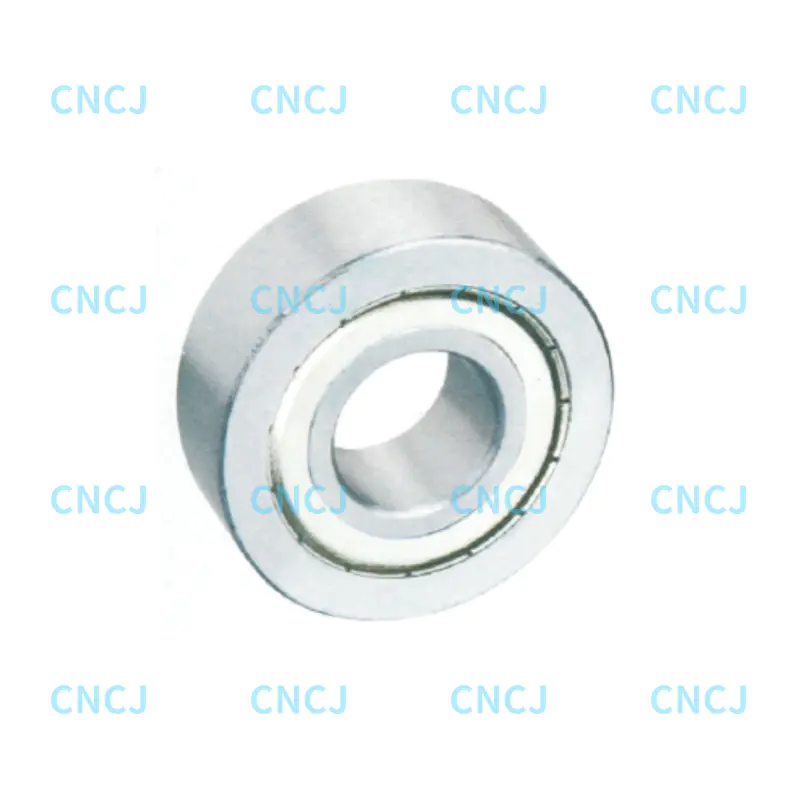
Gearboxes and Transmission Systems
In industrial and heavy-duty gearboxes, gear meshing generates both radial forces (perpendicular to the shaft) and axial forces (along the shaft axis) simultaneously. Helical gears, spiral bevel gears, and worm gears all produce axial thrust that must be absorbed by the shaft bearings. Double row angular contact roller bearings are ideally suited to these shaft positions because they handle the combined load in a single compact unit without requiring a separate thrust bearing alongside a radial bearing.
In a typical helical gearbox, the helix angle of the teeth creates an axial force component proportional to the tangential force multiplied by the tangent of the helix angle. For a helix angle of 20° and a tangential force of 50 kN, the axial force would be approximately 18 kN — a significant load that must be continuously reacted through the bearing into the housing. A double row angular contact bearing at this shaft position eliminates the need for a separate thrust collar or additional bearing, reducing both part count and overall gearbox envelope.
Marine propulsion gearboxes, wind turbine main gearboxes, locomotive traction drives, and large industrial mixer gearboxes are all applications where double row angular contact roller bearings provide this combined load-handling function at shaft positions critical to system reliability.
Pumps and Compressors: Axial Thrust Under Continuous Operation
Centrifugal pumps and compressors generate substantial axial thrust forces on their impeller shafts as a result of the pressure differential across the impeller. In a single-stage centrifugal pump, the net axial thrust is typically absorbed by a dedicated thrust bearing at the non-drive end of the shaft. For multi-stage pumps or high-pressure compressors, this axial thrust can reach tens of kilonewtons and may reverse direction under certain operating conditions — making double row angular contact roller bearings the appropriate bearing type for this position.
Key advantages in pump and compressor applications include:
- Bidirectional axial load capacity eliminates the need for separate thrust collars when pump operating conditions can produce reversed axial thrust (e.g., during startup transients or flow reversal)
- High stiffness reduces shaft deflection at the impeller, improving seal performance and reducing vibration levels that would accelerate seal wear
- Compact axial envelope reduces overall pump length, simplifying installation in space-constrained process plant environments
- Long service life under continuous operation when properly lubricated — well-maintained units in pump applications routinely achieve L10 service lives exceeding 50,000 hours
Wind Turbine Pitch and Yaw Systems
Wind turbines present a unique set of bearing challenges due to the combination of slow rotational speeds, very high loads, reversing load directions, and the need for decades of maintenance-free service life. Double row angular contact roller bearings are widely used in two critical wind turbine subsystems: the blade pitch bearing and the nacelle yaw bearing.
Blade Pitch Bearings
Each rotor blade is connected to the hub via a pitch bearing that allows the blade to rotate about its longitudinal axis, adjusting the blade pitch angle to control power output and protect the turbine in high winds. The pitch bearing must carry the full weight of the blade (which can exceed 20 tonnes for blades longer than 60 meters) as a radial/moment load while simultaneously accommodating the axial aerodynamic thrust and allowing controlled rotation for pitch adjustment.
Double row angular contact slewing ring bearings — essentially large-diameter (1.5 to 3 meter) versions of the double row angular contact principle — are the standard solution for this application. Their moment stiffness prevents blade tilt under asymmetric loading while their axial capacity handles wind thrust forces.
Nacelle Yaw Bearings
The yaw bearing connects the nacelle (the housing containing the generator and drivetrain) to the tower, allowing the entire nacelle to rotate and track changing wind directions. This large-diameter bearing — typically 2 to 4 meters in diameter on utility-scale turbines — must support the full weight of the nacelle and rotor assembly (often 100 tonnes or more) while resisting the overturning moment from wind loading and allowing slow, controlled rotation driven by yaw drive motors. Double row angular contact configurations provide the necessary combination of radial, axial, and moment load capacity in a single integrated ring bearing structure.
Aerospace and Defense Applications
In aerospace engineering, weight, reliability, and performance density are paramount — and double row angular contact roller bearings deliver on all three. Their use spans aircraft engine accessories, flight control actuators, landing gear pivot points, helicopter rotor head components, and missile guidance system gimbals.
Aircraft engine accessory gearboxes, which drive hydraulic pumps, fuel pumps, generators, and oil scavenge pumps from the engine core, rely heavily on double row angular contact bearings on their gear shafts. These bearings must perform reliably across extreme temperature ranges — from -54°C at high-altitude cruise to over +150°C in the gearbox oil environment — while handling the full range of combined gear mesh loads.
In flight control actuator mechanisms, where surface actuation creates bidirectional axial loads on ball screw and actuator rod assemblies, double row angular contact bearings provide the necessary axial stiffness to minimize control surface position error under load — a safety-critical requirement in primary flight control systems.
Mining and Construction Equipment
Heavy mining and construction equipment operates under severe shock and overload conditions that would rapidly destroy lighter bearing types. Double row angular contact tapered roller bearings are widely used in these environments because their line contact between tapered rollers and raceways provides significantly higher shock load capacity than ball bearings of equivalent size.
Specific applications include:
- Wheel hubs on haul trucks and excavators: The wheel bearing must carry vehicle weight as a radial load, cornering forces as a moment load, and braking/traction forces as axial loads — the classic combined-load scenario that double row angular contact bearings handle in a single unit
- Final drive planetary gearboxes: The ring gear and planet carrier positions experience high combined radial and axial loading from the planetary gear mesh, requiring bearings with high combined load ratings
- Crusher main shaft bearings: Jaw crushers and cone crushers impose eccentric, high-magnitude radial loads with simultaneous axial components on the main shaft bearing, requiring robust double row configurations rated for heavy shock loads
- Drilling rig swivel joints and top drive systems: Rotating drilling components must support the weight of the drill string (axial load), drilling torque reactions (moment load), and lateral formation forces (radial load) simultaneously
Automotive and Commercial Vehicle Applications
In automotive engineering, double row angular contact ball bearings are the standard bearing type for front wheel hubs on passenger cars and light commercial vehicles. The front wheel hub bearing must simultaneously support vehicle weight (radial), cornering lateral forces (axial and moment), and braking forces (axial) — all while rotating at speeds corresponding to highway driving and surviving the full vehicle service life without replacement.
Modern wheel hub bearing units (HBU — Hub Bearing Unit generations 1, 2, and 3) integrate the double row angular contact bearing with the wheel hub flange, ABS sensor ring, and sometimes the CV joint interface into a single sealed, maintenance-free assembly. These units are designed for service lives of 200,000 km or more and are engineered to function without any lubrication service throughout their operating life.
In heavy commercial vehicles — trucks, buses, and construction equipment — tapered roller-based double row angular contact wheel bearings remain common, particularly in driven axle positions where the combined radial, axial, and moment loading is more severe than typical passenger car conditions. These units require periodic inspection and re-adjustment of preload, unlike the sealed automotive units.
Comparing Double Row Angular Contact Bearings to Alternative Bearing Types
Selecting the right bearing type requires understanding how double row angular contact roller bearings compare against the alternatives for a given application's load and speed requirements.
Table 1: Comparison of Bearing Types for Combined Load Applications
| Bearing Type |
Radial Load Capacity |
Axial Load (Both Directions) |
Moment Load Resistance |
Speed Capability |
Typical Application |
| Double Row Angular Contact (Ball) |
High |
High |
Good |
Very High |
Machine tool spindles, wheel hubs |
| Double Row Tapered Roller |
Very High |
Very High |
Excellent |
Moderate |
Rolling mills, gearboxes, heavy axles |
| Single Row Deep Groove Ball |
Moderate |
Low |
Poor |
Very High |
Electric motors, light shaft support |
| Cylindrical Roller (Single Row) |
Very High |
None (free axial) |
Poor |
High |
High-speed spindles, floating shaft positions |
| Spherical Roller |
Very High |
Moderate (both directions) |
Moderate (self-aligning) |
Moderate |
Conveyor drives, fans, misaligned shafts |
| Paired Single Row Angular Contact |
High |
High |
Good to Excellent |
High |
Spindles where preload adjustment is needed |
The key differentiator of the double row angular contact bearing is that it handles all three load types — radial, bidirectional axial, and moment — in a single unit with a compact axial envelope. Where a cylindrical roller bearing requires an additional thrust bearing alongside it, and where two single-row angular contact bearings require careful preload setting and additional axial space, the double row unit achieves equivalent or superior combined load performance with fewer components and simpler installation.
Load Capacity and Selection: Key Technical Considerations
When selecting a double row angular contact roller bearing for a specific application, engineers evaluate several interdependent parameters to ensure adequate service life and performance.
Contact Angle Selection
The contact angle is the most fundamental design parameter. Standard contact angles for double row angular contact ball bearings are typically 25°, 30°, or 40°. A 25° angle provides higher speed capability and lower axial stiffness — suitable for machine tool spindles where speeds are high but axial loads are moderate. A 40° angle provides higher axial load capacity and greater stiffness at the cost of reduced speed rating — appropriate for heavily loaded slow-turning applications such as rolling mill positioning systems.
Preload and Stiffness
Double row angular contact bearings are typically supplied with a defined internal preload — a slight compressive force applied to the rolling elements that eliminates all internal clearance and increases bearing stiffness. Preload levels are categorized as light (C), medium (CA), or heavy (CB), with heavier preload increasing stiffness but also increasing heat generation and reducing speed capability. For precision machine tool spindles, medium preload is most common, providing the stiffness needed for dimensional accuracy without excessive heat buildup at operating speeds.
Dynamic Load Rating and L10 Life
Bearing selection for a specific application begins with calculating the equivalent dynamic bearing load P from the actual radial force Fr and axial force Fa, using the formula P = X·Fr + Y·Fa, where X and Y are load factors that depend on contact angle and the Fa/Fr ratio. This equivalent load is then used with the bearing's dynamic load rating C to calculate the L10 service life — the life (in millions of revolutions or operating hours) that 90% of a population of identical bearings will achieve or exceed.
For most industrial applications, a minimum L10 life of 20,000 to 50,000 hours is targeted at operating conditions; critical applications such as steel mill roll necks and power generation equipment often target L10 lives exceeding 100,000 hours, driving the selection of large-diameter, high-capacity double row bearings with generous safety margins on dynamic load rating.
Lubrication Requirements Across Applications
Lubrication method and lubricant selection for double row angular contact roller bearings depend heavily on the application's speed, load, temperature, and maintenance access. The three primary lubrication approaches are:
- Grease lubrication (sealed or shielded bearings): Used in automotive wheel hubs, general industrial gearboxes, and many pump applications. Sealed-for-life units are pre-filled with high-quality grease and require no maintenance. Grease lubrication is suitable up to approximately 70–80% of the bearing's limiting speed.
- Oil circulation lubrication: Used in machine tool spindles, high-speed gearboxes, and rolling mill applications where heat removal is critical. Oil is circulated through the bearing housing, carrying away heat generated by friction and providing fresh lubrication continuously. Oil viscosity is selected based on bearing speed and load — typically ISO VG 32 to VG 68 for spindle applications and VG 68 to VG 220 for heavy industrial gearboxes.
- Air-oil (oil mist) lubrication: Used in very high-speed machine tool spindles where minimizing friction is paramount. Microscopic oil droplets carried by compressed air provide just enough lubrication to prevent wear while generating minimal heat. This method can allow operation at speeds up to the bearing's full speed rating or beyond when combined with appropriate bearing design.
Installation and Mounting Considerations
Correct installation is critical to achieving the rated service life of double row angular contact roller bearings. Poor installation — particularly incorrect fit tolerances, inadequate preload, or misaligned mounting — is one of the leading causes of premature bearing failure in service.
Key installation requirements include:
- Shaft and housing fit: The inner ring typically requires an interference fit on the shaft to prevent creep under rotating load — standard interference for medium loads is approximately 0 to +0.013 mm for shafts up to 100 mm diameter. The outer ring fit in the housing is usually a light interference or transition fit.
- Mounting force application: Force must be applied only to the ring being fitted (inner ring for shaft fitting), never transmitted through the rolling elements, which would damage the raceways and rolling elements during installation.
- Thermal mounting for larger bearings: Bearings with bore diameters above approximately 80 mm are typically heated to 80–100°C before mounting to expand the bore and allow slip fitting over the shaft, avoiding the need for high axial forces that could damage bearing components.
- Preload verification: After mounting, preload should be verified by measuring shaft torque or bearing stiffness against the bearing specification to confirm the internal geometry is correct and has not been altered during installation.
Signs of Wear and End-of-Life Indicators
In service, double row angular contact roller bearings provide several detectable indicators when they are approaching the end of their useful life or experiencing abnormal operating conditions. Condition monitoring of these bearings is especially important in applications where unplanned downtime is costly.
- Elevated vibration: Vibration analysis using accelerometers can detect bearing defects — inner ring defects appear at the ball pass frequency inner (BPFI), outer ring defects at BPFO, and rolling element defects at BSF. A 3–6 dB increase in bearing frequency band energy typically signals the onset of surface fatigue.
- Increased operating temperature: A sustained temperature rise of 10–15°C above the established baseline (measured at the bearing housing outer surface) is a reliable indicator of lubrication degradation, overloading, or early fatigue damage.
- Dimensional growth of shaft position: In precision machine tool applications, dimensional drift in machined parts can indicate bearing preload loss or raceway wear that is allowing increased shaft deflection under cutting forces.
- Lubricant contamination or darkening: In grease-lubricated bearings, darkening or metallic particle content in the grease (detectable during periodic inspection) indicates that surface fatigue or abrasive wear is occurring within the bearing.
Planned replacement at or before the calculated L10 life — combined with regular condition monitoring — is the most cost-effective maintenance strategy for double row angular contact bearings in critical applications where the cost of unplanned downtime significantly exceeds the cost of the bearing itself.
 English
 中文简体
中文简体 Deutsch
 Español