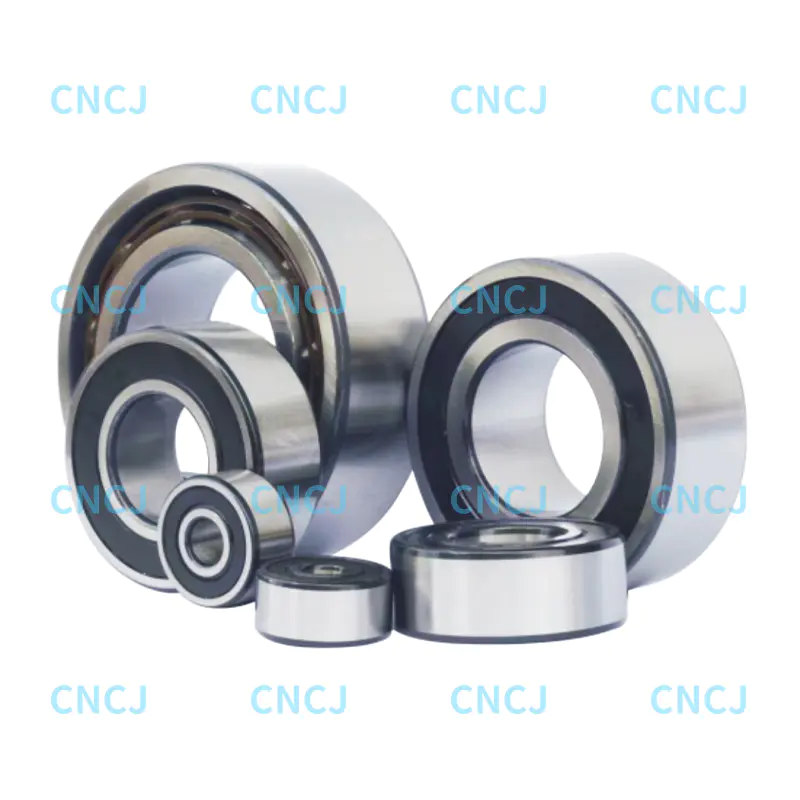
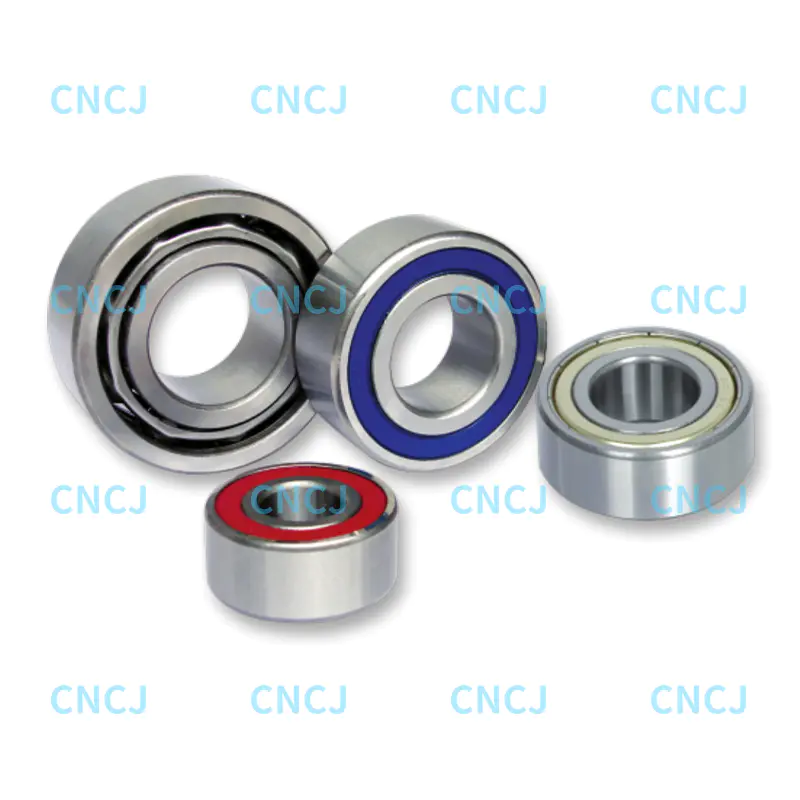
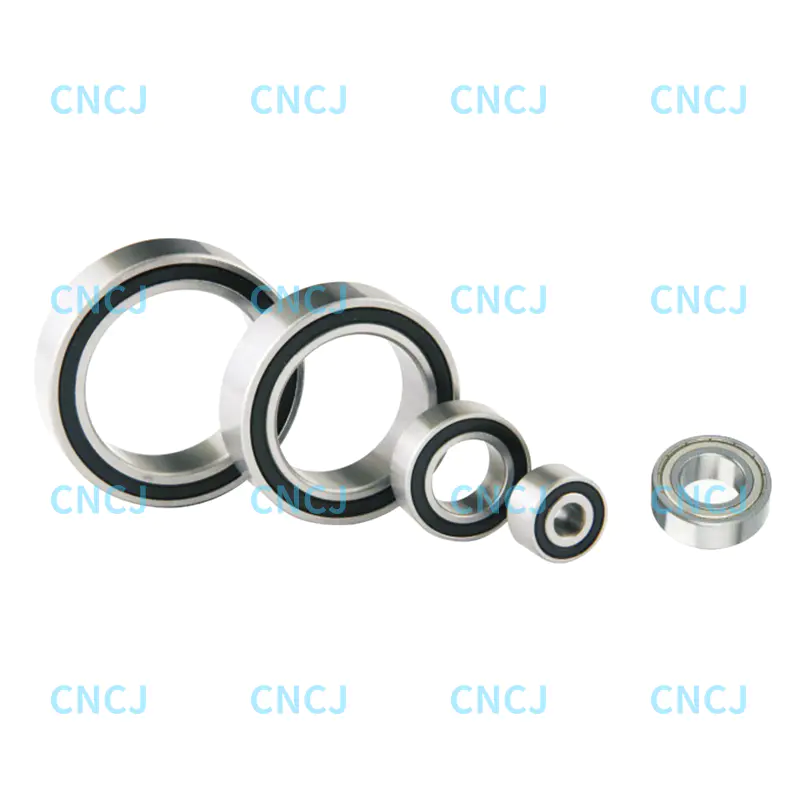
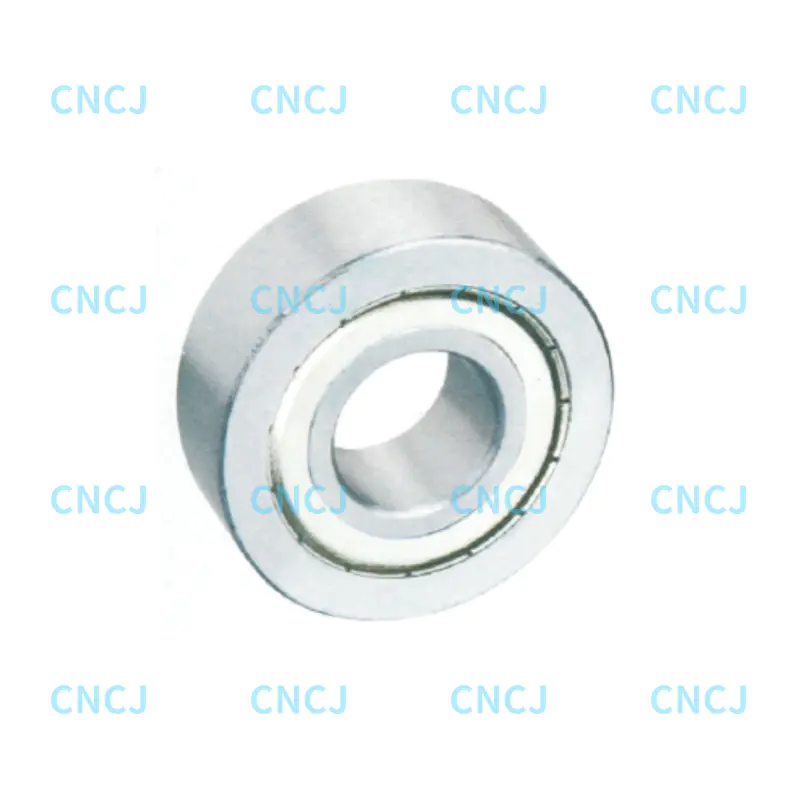
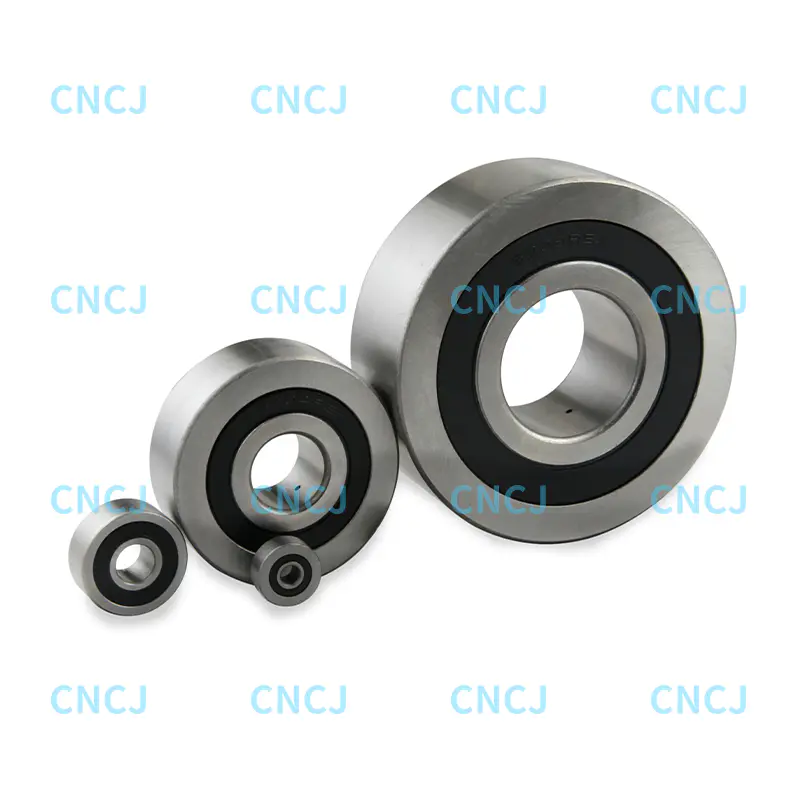
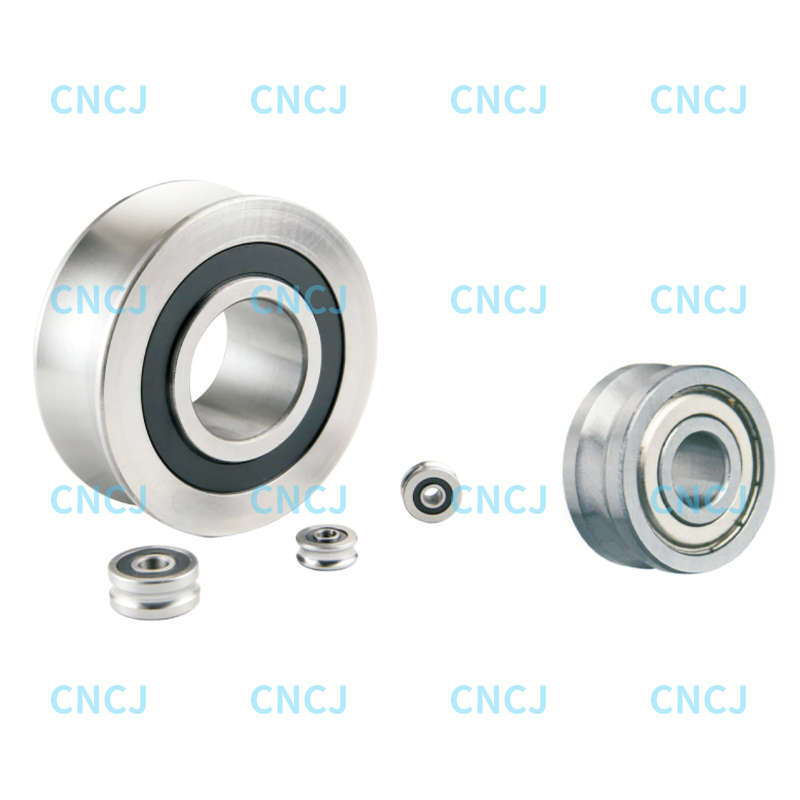
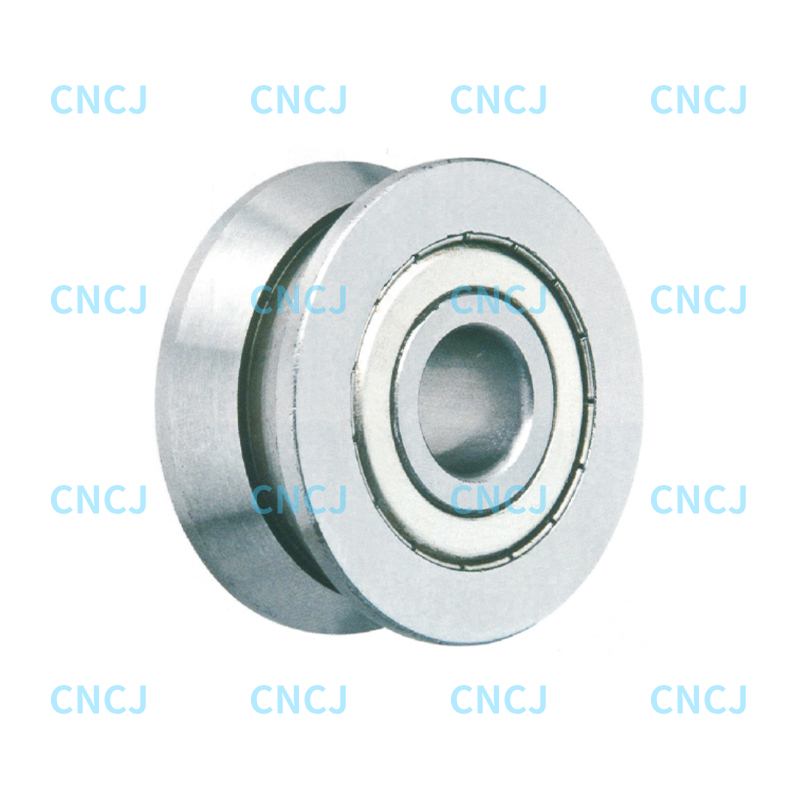
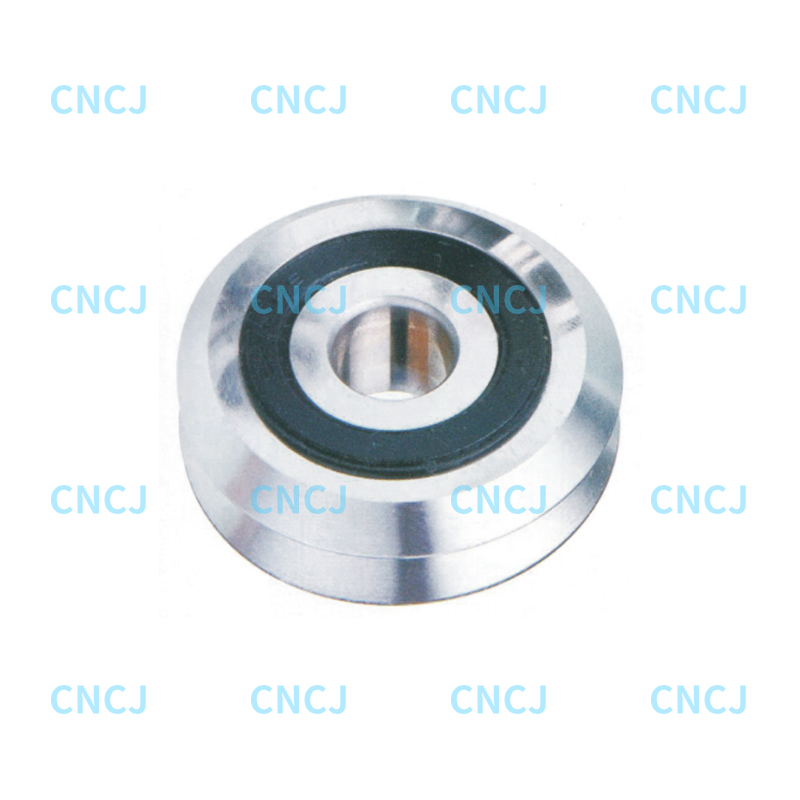
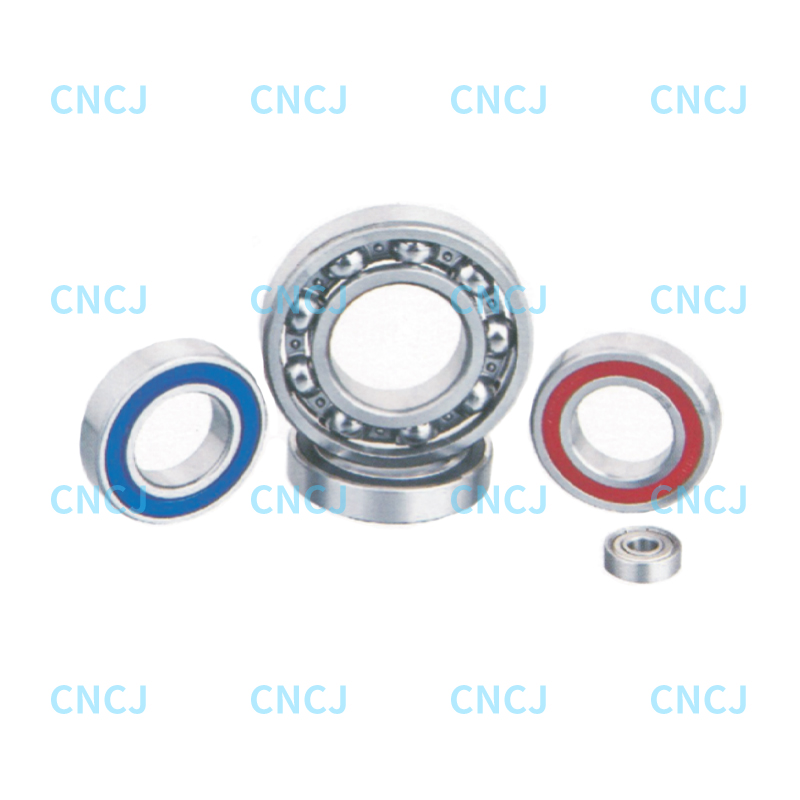
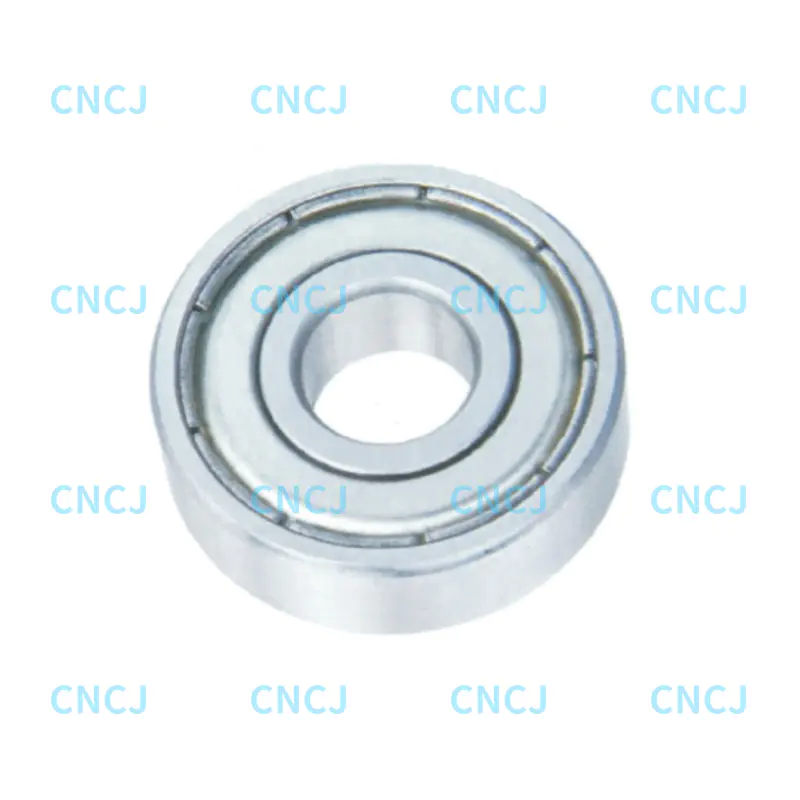
The fundamental difference is that a double row ball bearing contains two parallel rows of balls within a single outer ring, while a single row contains one. This structural difference results in significantly different load capacities, axial rigidity, space requirements, and application suitability. A double row bearing in the same outer diameter as a single row provides approximately 1.5 to 2 times the radial load capacity and much greater axial stiffness — but at the cost of increased width, weight, and slightly reduced maximum operating speed. Single row bearings are better suited for high-speed, lower-load applications; double row bearings for heavier combined loading where axial space is limited.
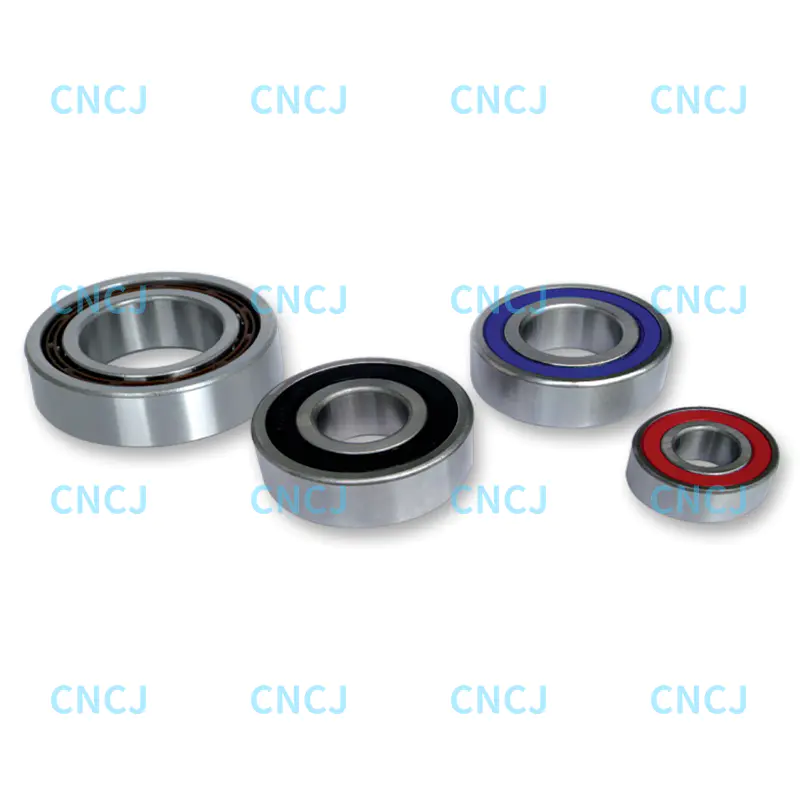
Side-by-Side Technical Comparison
| Property |
Single Row |
Double Row |
| Radial load capacity |
Baseline (1×) |
1.5–2× higher |
| Axial load capacity |
Moderate (one direction per bearing) |
Both directions simultaneously |
| Axial rigidity |
Lower |
Significantly higher |
| Axial width |
Narrow |
Wider (typically 1.5–2× single) |
| Maximum speed |
Higher |
Lower (typically 10–20% less) |
| Moment load handling |
Poor |
Good |
| Misalignment tolerance |
Limited (deep groove: 0.2°) |
Higher (self-aligning: 2–3°) |
| Weight and cost |
Lower |
Higher |
Technical comparison of single row and double row ball bearings across key performance parameters
Structural Difference: What Changes Between One and Two Rows
In a single row deep groove ball bearing, one set of balls runs between a single inner raceway groove and a single outer raceway groove. The contact between each ball and its raceway is a small elliptical area — the total load is distributed across this single line of balls.
In a double row bearing, two such raceway sets are placed side by side within one outer ring. The outer ring is wider, and the inner ring carries two separate raceway grooves machined at a precise spacing. When an axial load is applied, one row takes the thrust in one direction while the second row takes it in the opposite direction — this is why double row bearings handle bidirectional axial loading in a single unit while a single row deep groove bearing handles axial load in only one direction at a time.
For double row angular contact ball bearings, the two rows are configured in either a back-to-back (O-arrangement) or face-to-face (X-arrangement) geometry. The back-to-back arrangement provides greater rigidity against moment (tilting) loads — making it the preferred configuration for machine tool spindles and wheel hub units. The face-to-face arrangement is more tolerant of shaft deflection and misalignment.
Load Capacity: The Numbers Behind the Difference
To illustrate with a concrete example: a 6208 single row deep groove ball bearing (40mm bore, 80mm OD) has a basic dynamic load rating (C) of approximately 29 kN. The equivalent double row bearing in the same envelope — a 4208 series — carries a dynamic load rating of approximately 46 kN — a 59% increase in radial capacity without increasing the outer diameter.
This load capacity advantage is why double row bearings are specified when:
- The required load capacity exceeds what the available single row size can provide
- The housing bore cannot be increased to accommodate a larger single row bearing
- Two separate single row bearings are needed to handle axial loads but insufficient axial space exists to mount them separately
Speed: Where Single Row Has the Advantage
The wider geometry and greater number of rolling elements in a double row bearing generate more heat at high speed — limiting maximum permissible speed compared to the equivalent single row bearing. For a 6208 single row bearing, the reference speed is approximately 12,000 rpm; for the equivalent double row 4208, it is approximately 9,500 rpm — a reduction of about 20%.
For applications such as small electric motors, high-speed spindles, and precision instruments where operating speeds exceed 8,000–10,000 rpm, single row bearings remain the preferred choice — often paired in a duplex arrangement (two single row angular contact bearings mounted back-to-back) when combined load handling is also required.
When to Choose Single Row vs. Double Row
Use this decision guide to select the appropriate bearing type:
- Choose single row when: the primary load is radial with minimal axial component; operating speed is high (above 8,000–10,000 rpm); axial space is abundant; weight and cost must be minimized; or the application uses duplex mounting of two single row angular contact bearings
- Choose double row when: combined radial and bidirectional axial loads must be handled by one unit; moment loads from shaft overhang or eccentric loading are present; two separate single row bearings cannot fit in the available axial space; or shaft misalignment must be accommodated (self-aligning double row)
 English
 中文简体
中文简体 Deutsch
 Español