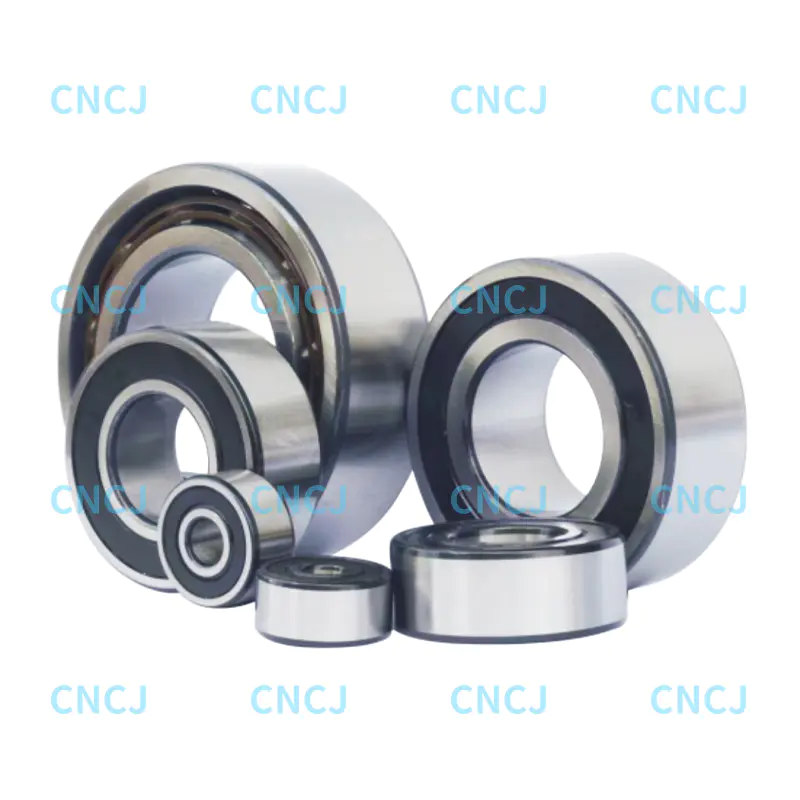
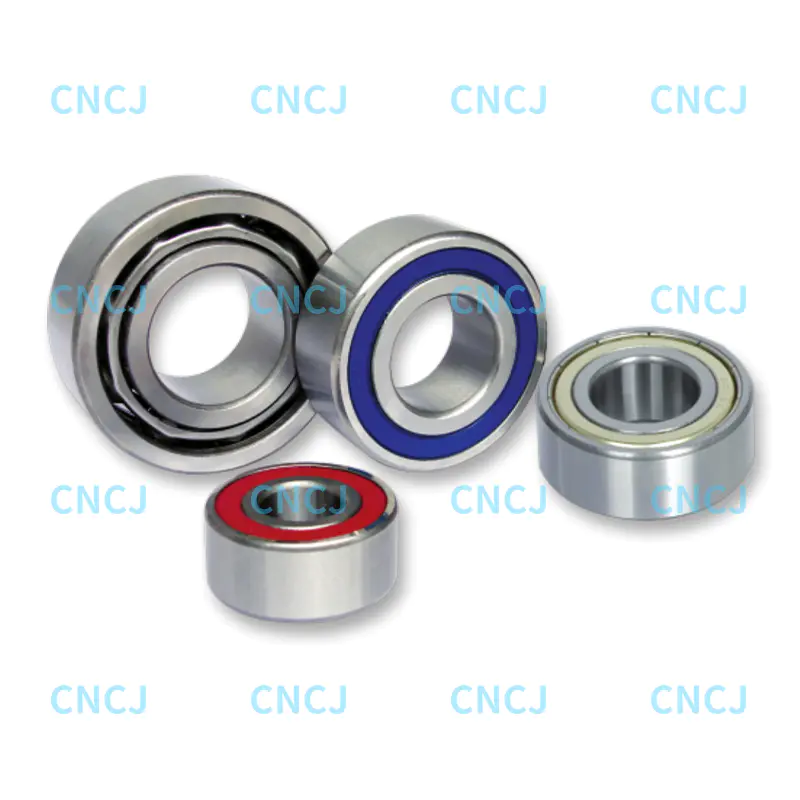
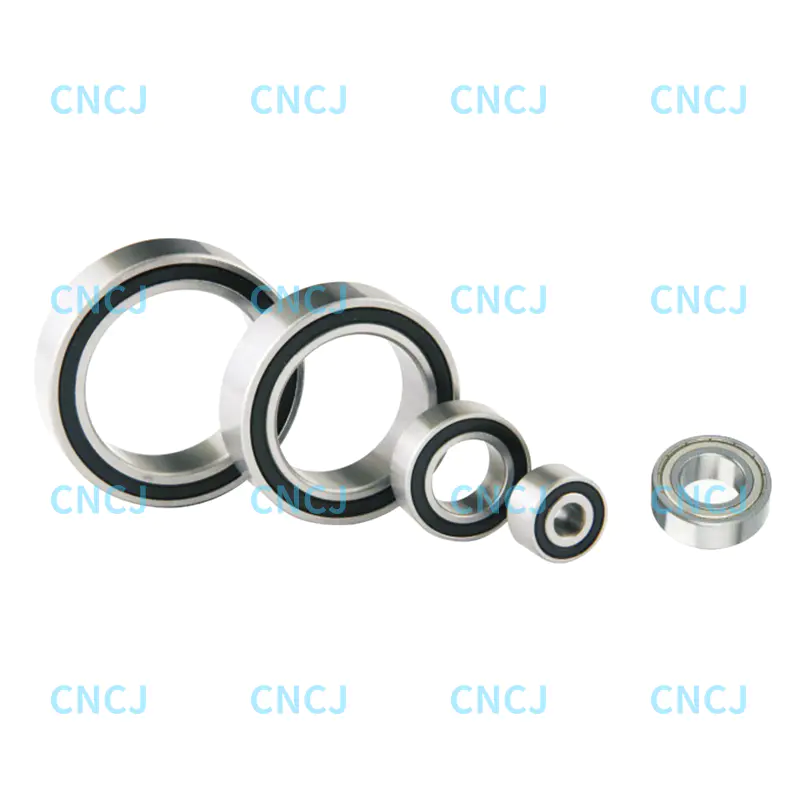
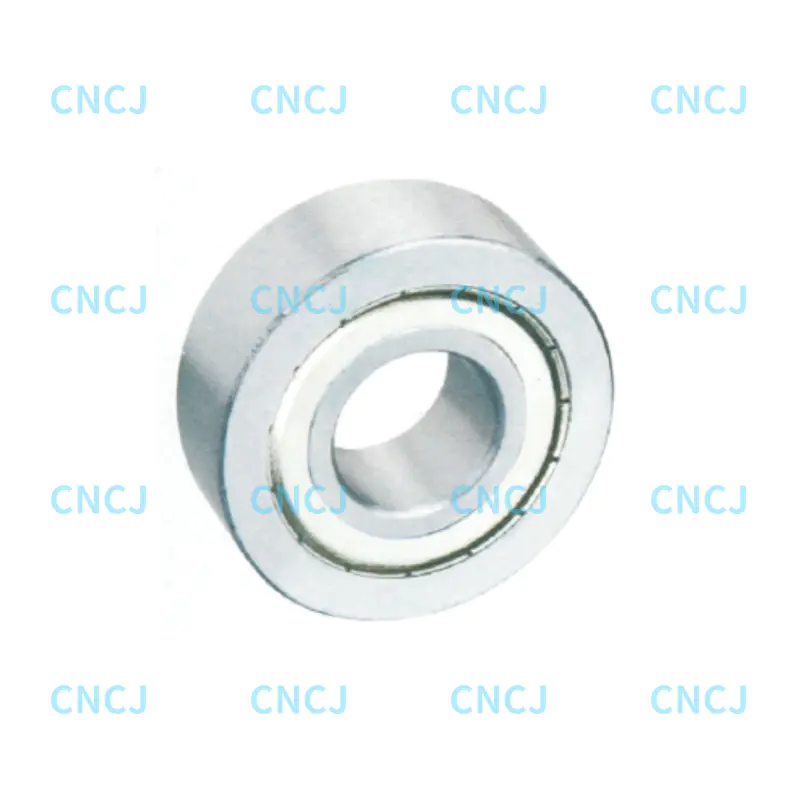
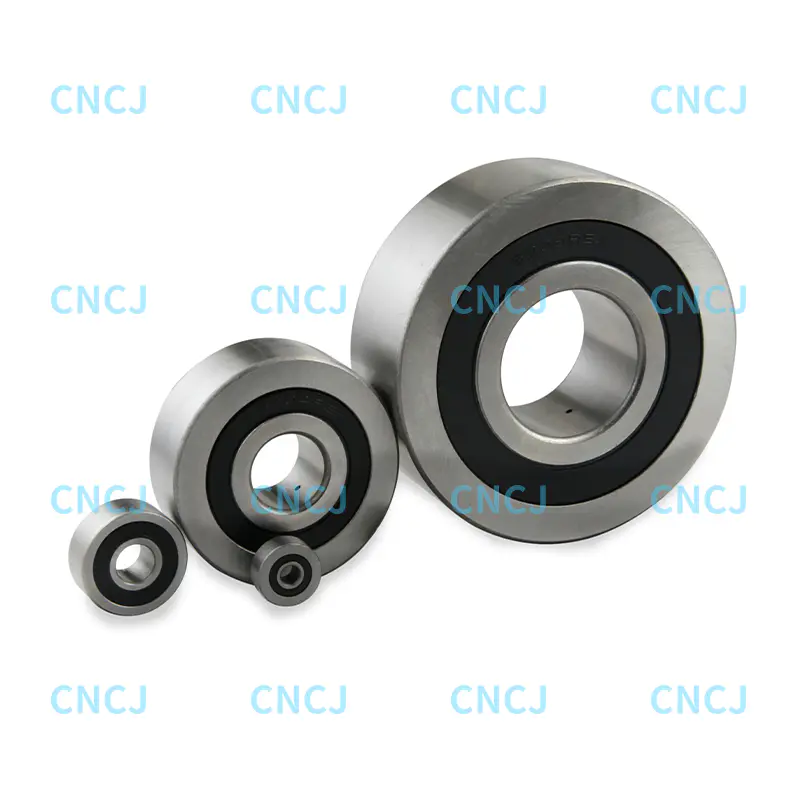
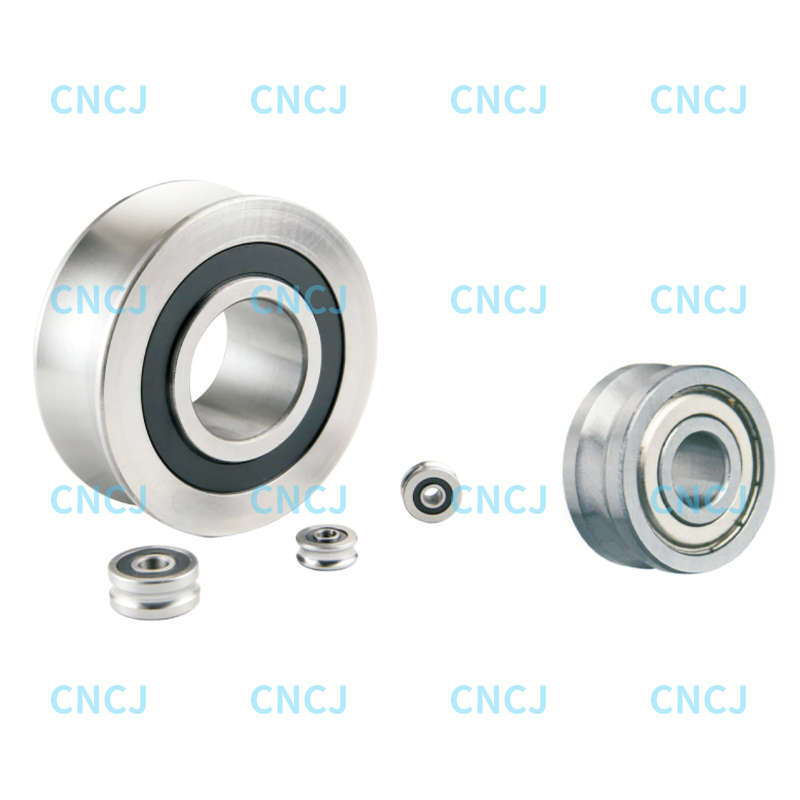
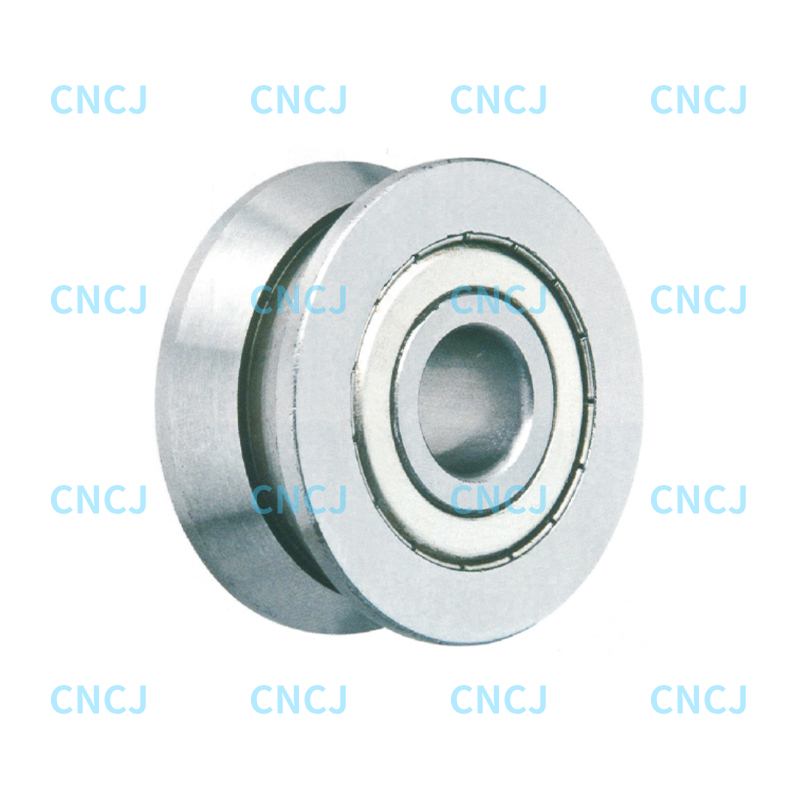
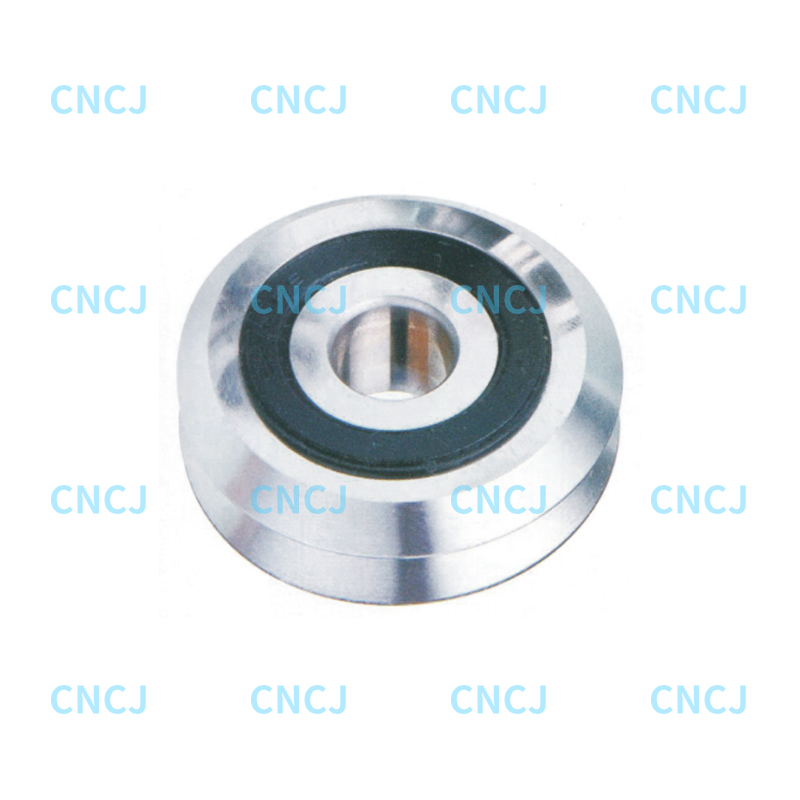
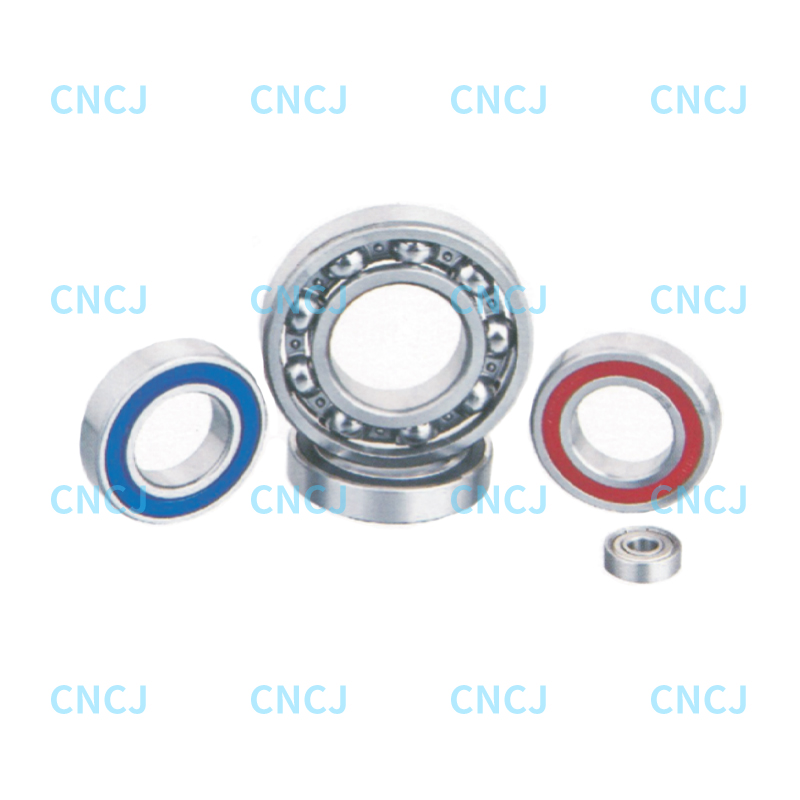
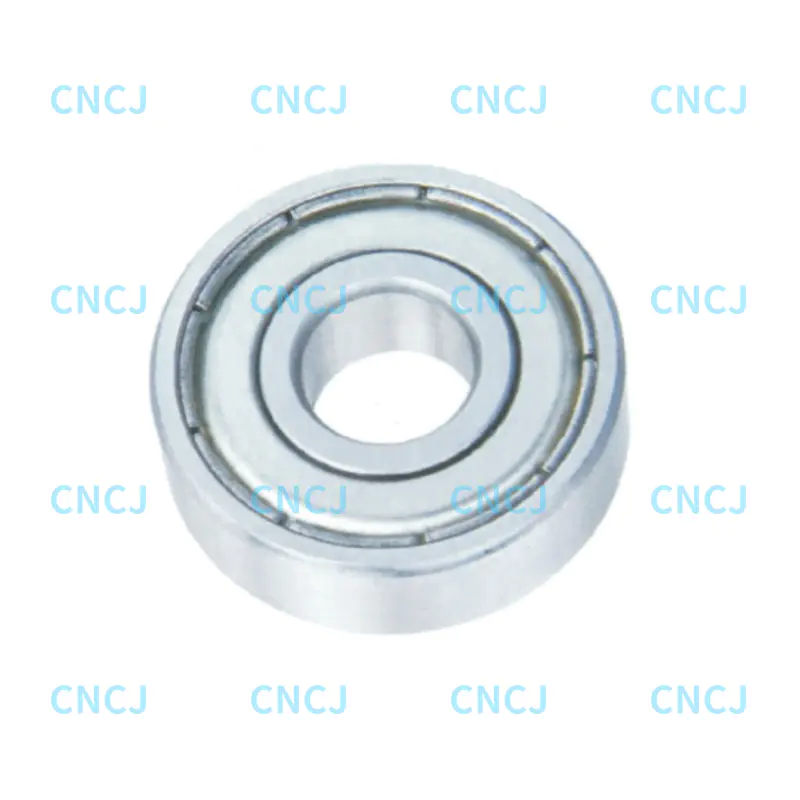
A double row ball bearing is a rolling element bearing that contains two parallel rows of balls running in two raceway grooves machined into a single inner ring and a single outer ring. Compared to a standard single row deep groove ball bearing of equivalent outer diameter, a double row design provides approximately 60–70% higher radial load capacity while occupying the same axial space — making it the preferred solution wherever high radial loads or combined radial and axial loads must be supported within a compact housing.
How a Double Row Ball Bearing Differs from a Single Row Bearing
Comparison of single row and double row ball bearings across key performance parameters
| Parameter |
Single Row Ball Bearing |
Double Row Ball Bearing |
| Ball rows |
1 |
2 |
| Radial load capacity |
Baseline |
~60–70% higher |
| Axial load capacity |
Moderate (both directions) |
Good (both directions) |
| Width |
Narrower |
Wider (same OD) |
| Misalignment tolerance |
Low (standard), higher (angular contact) |
Low to moderate |
| Friction / speed capability |
Lower friction, higher speed |
Slightly higher friction, moderate speed |
| Unit cost |
Lower |
Higher (vs. single, lower vs. two singles) |
Main Types of Double Row Ball Bearings
Double Row Deep Groove Ball Bearing
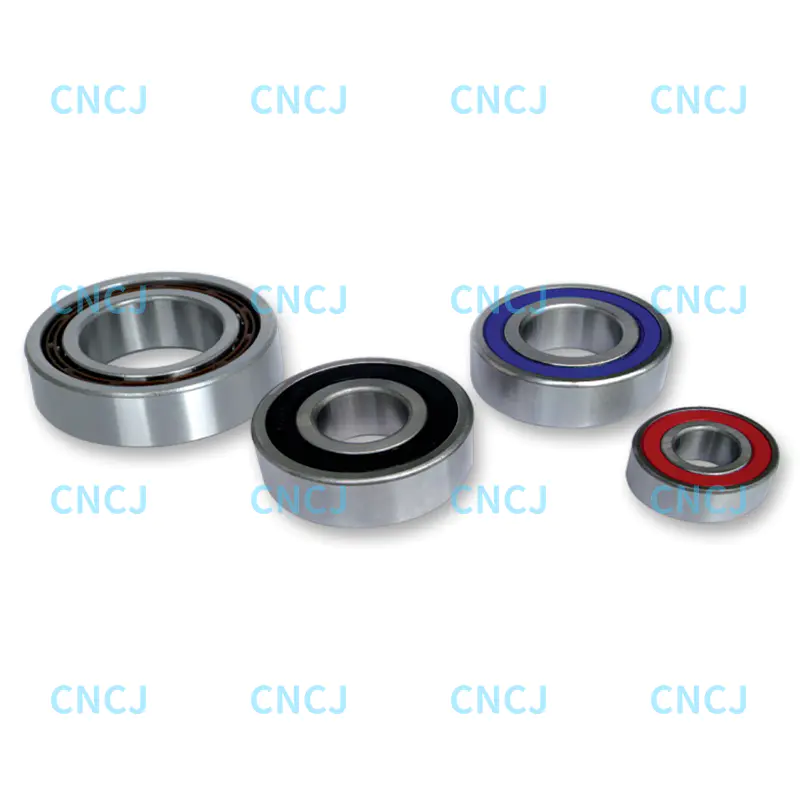
The most common variant. Both rows of balls run in symmetrical deep groove raceways, enabling the bearing to handle radial loads and moderate axial loads in both directions simultaneously. The two rows share a common inner ring, outer ring, and often a two-part pressed steel or machined brass cage. Typical bore sizes range from 10 mm to 200 mm. These bearings are available with seals (2RS) or shields (ZZ) for grease retention and contamination exclusion in demanding environments.
Double Row Angular Contact Ball Bearing
In this design, the balls contact the raceways at a defined angle — typically 15°, 25°, or 40° — which enables the bearing to carry significantly higher axial loads compared to deep groove designs. The two rows are often arranged in an O-configuration (back-to-back) or X-configuration (face-to-face), each suited to different moment load and preload requirements. These bearings are widely used in machine tool spindles, screw drives, and precision gearboxes where combined load capacity and rigidity are critical.
Double Row Self-Aligning Ball Bearing
Features a spherical outer raceway that allows the inner ring and ball assembly to tilt relative to the outer ring, accommodating shaft deflection or housing misalignment of up to 2–3°. This makes them suitable for applications with flexible shafts, long unsupported spans, or housings that cannot be aligned with high precision — such as agricultural machinery, textile equipment, and conveyors.
Typical Applications of Double Row Ball Bearings
- Electric motor front bearings: The bearing nearest the driven side carries higher radial loads from belt tension — a double row design in this position extends service life compared to a single row.
- Automotive wheel hubs (non-driven): Compact double row deep groove bearings carry the full wheel radial and axial loads within the constrained hub geometry.
- Machine tool spindles: Double row angular contact bearings provide the high axial rigidity required for precision cutting and grinding operations.
- Gearbox output shafts: Where combined gear separation forces and torque reaction loads exceed the capacity of a single row bearing.
- Agricultural and construction equipment: Self-aligning double row bearings tolerate the misalignment and shock loads common in field machinery.
- Conveyor pulleys and rollers: High radial capacity in a compact envelope suits heavy-duty bulk material handling installations.
Selection Criteria: When to Specify a Double Row Ball Bearing
Choose a double row ball bearing when the application meets one or more of the following conditions:
- The radial load exceeds the capacity of a single row bearing of the available bore size, and increasing the bore size is not an option due to shaft or housing constraints.
- Combined radial and axial loads are present simultaneously and a single thrust bearing paired with a radial bearing would be too complex or too wide.
- Axial space is constrained — two single row bearings in tandem require more axial length and two separate housings; one double row unit is more compact and simpler to install.
- Shaft misalignment is a concern — specify a double row self-aligning type to prevent premature bearing failure from bending loads transmitted through a misaligned shaft.
 English
 中文简体
中文简体 Deutsch
 Español