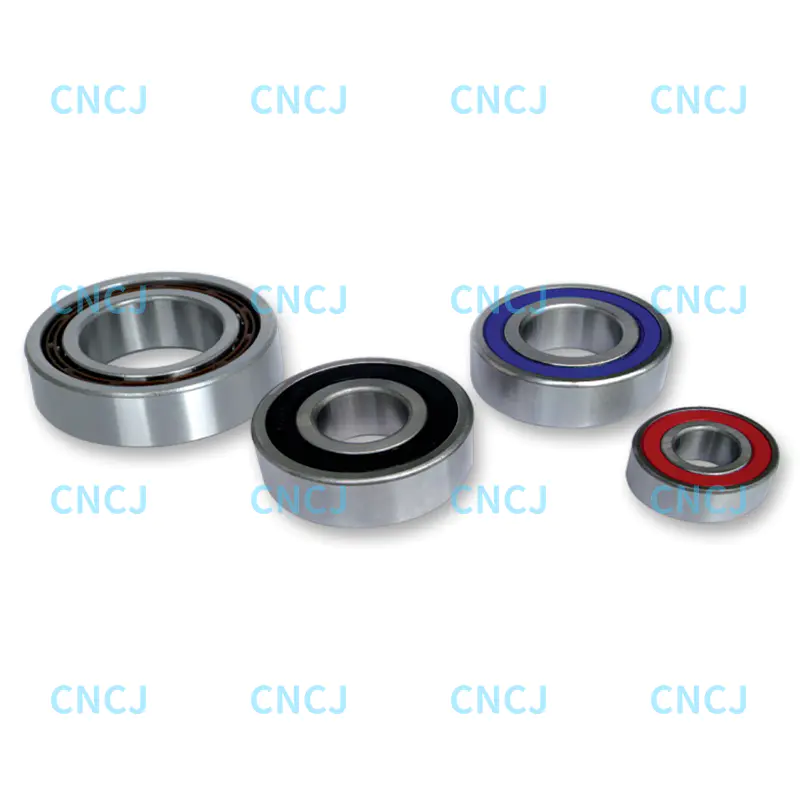
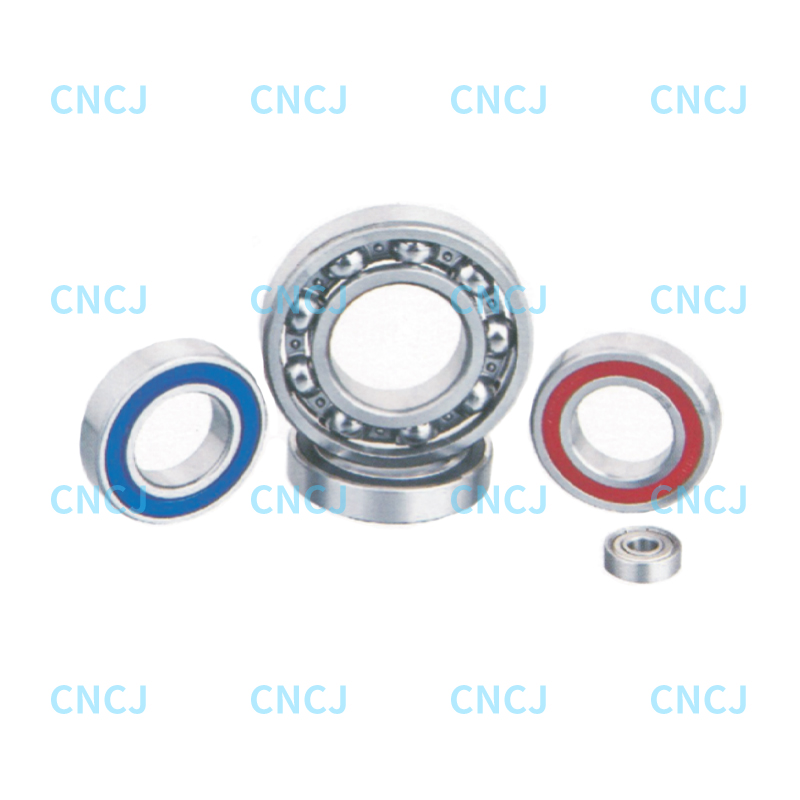
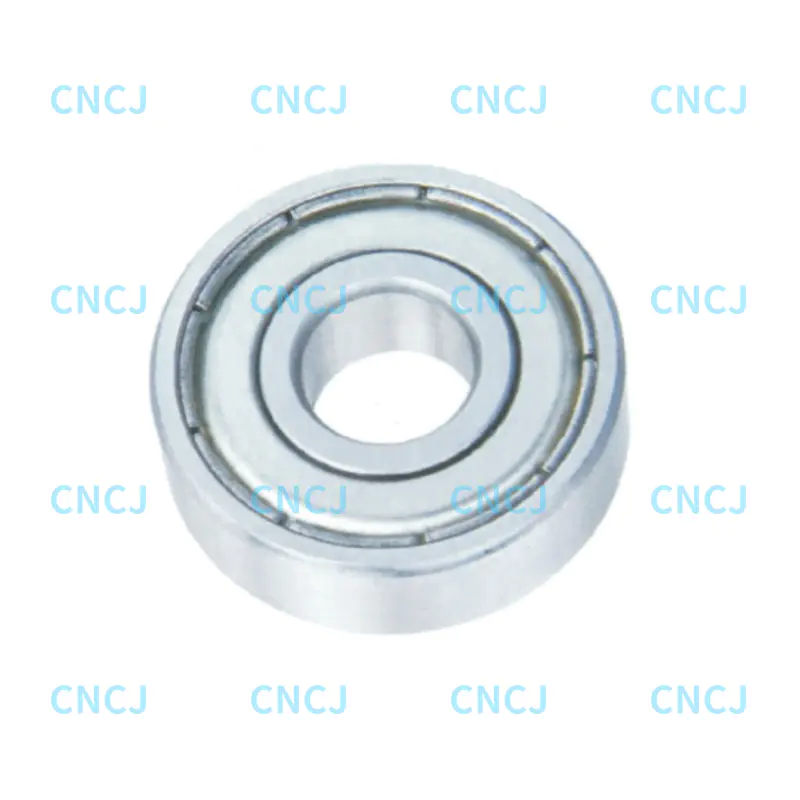
Understanding the Engineering Excellence of Double Row Angular Contact Ball Bearings
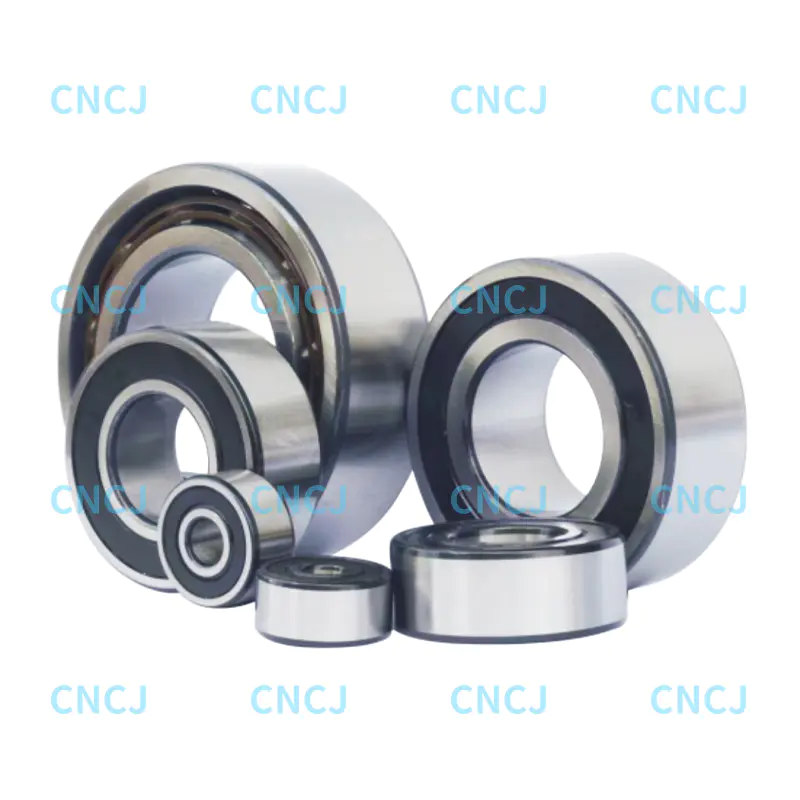
In the precision-driven world of industrial machinery, selecting the right bearing is the difference between seamless operation and costly downtime. The Double Row Angular Contact Ball Bearing stands out as a versatile powerhouse, designed to handle complex load scenarios that would compromise standard single-row alternatives. These components are essentially two single-row angular contact bearings arranged back-to-back, but integrated into a single outer and inner ring. This compact design not only saves axial space but also significantly increases the radial and axial load capacity of the system.
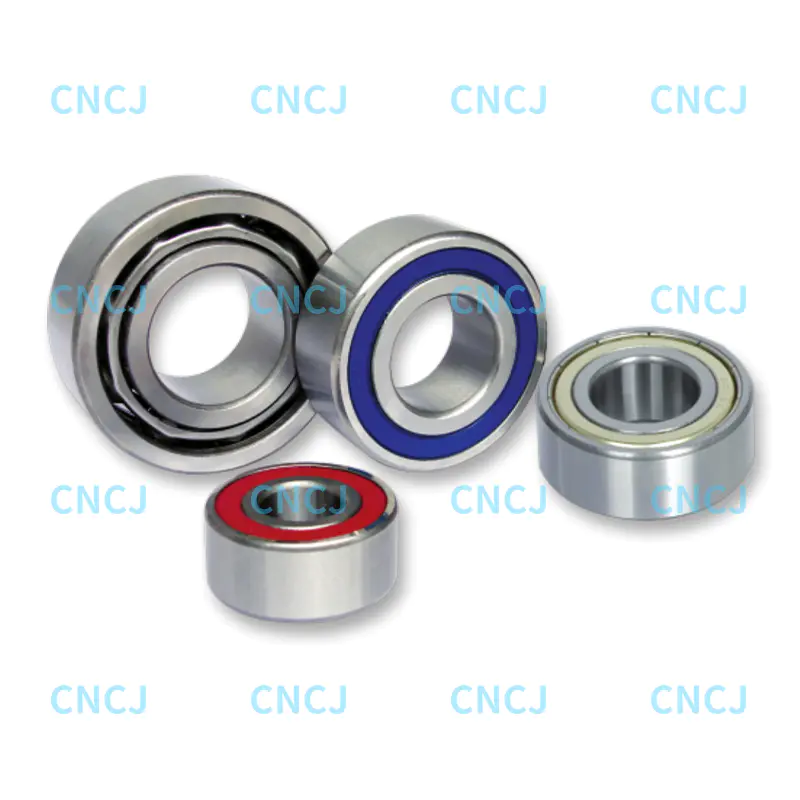
Engineers often prefer these bearings because they provide a high degree of stiffness. In applications where shaft deflection must be minimized—such as in high-speed centrifugal pumps or precision gearboxes—the rigidity of double row bearings ensures that internal clearances are maintained, extending the overall service life of the equipment. By supporting tilting moments and combined loads simultaneously, these bearings eliminate the need for complex multi-bearing housing arrangements.
Key Performance Advantages: Load Capacity and Stability
The primary advantage of the double row configuration is its ability to accommodate axial loads in both directions. Unlike single-row versions which require a matched pair to handle bi-directional thrust, a single Double Row Angular Contact Ball Bearing manages this effortlessly. This is particularly crucial in automotive hubs and industrial fans where the direction of thrust can shift during operation.
Consider the following performance metrics that highlight why these bearings are favored in heavy-duty sectors:
- Space Efficiency: They offer a narrower width compared to two single-row bearings, allowing for shorter shafts and more compact machine designs.
- Enhanced Stiffness: The contact angles (typically 25° to 32°) create a "spread" that effectively resists moment loads.
- Reduced Friction: Optimized internal geometry reduces heat generation, even at high RPMs.
Technical Specifications Comparison
To help procurement managers and engineers make informed decisions, it is vital to compare the Double Row Angular Contact Ball Bearing against other common types. Below is a data-driven comparison of standard 3200 and 3300 series bearings.
Table 1: Performance Characteristics of Double Row Angular Contact Bearings
| Bearing Series |
Load Type |
Moment Rigidity |
Speed Rating |
| 3200 Series |
Medium Combined |
High |
Very High |
| 3300 Series |
Heavy Combined |
Ultra High |
High |
Data suggests that upgrading from a standard deep groove ball bearing to a double row angular contact model can increase the axial load threshold by up to 60% in specific industrial environments.
Common Applications and Industrial Usage
Pumps and Compressors
In the fluid handling industry, Double Row Angular Contact Ball Bearings are indispensable. Centrifugal pumps generate significant axial thrust due to the pressure differential across the impeller. These bearings manage that thrust while maintaining precise shaft alignment, which prevents mechanical seal failure—a leading cause of pump downtime.
Agricultural Machinery
Tractor transmissions and harvesters operate in harsh conditions with varying load vectors. The robust nature of double row bearings allows them to withstand the shocks and vibrations inherent in field work. Using sealed-for-life versions further enhances reliability by preventing the ingress of dust and moisture.
Maintenance and Longevity Tips
While these bearings are engineered for durability, their lifespan is heavily dependent on proper installation and lubrication. Statistics indicate that 36% of premature bearing failures are caused by improper lubrication. For Double Row Angular Contact Ball Bearings, choosing a grease with the correct base oil viscosity is essential to maintain the elasto-hydrodynamic lubricant film at the ball-to-raceway contact points.
- Ensure precise alignment during installation to avoid uneven load distribution across the two rows of balls.
- Monitor operating temperatures; a sudden spike often indicates excessive pre-load or lubricant starvation.
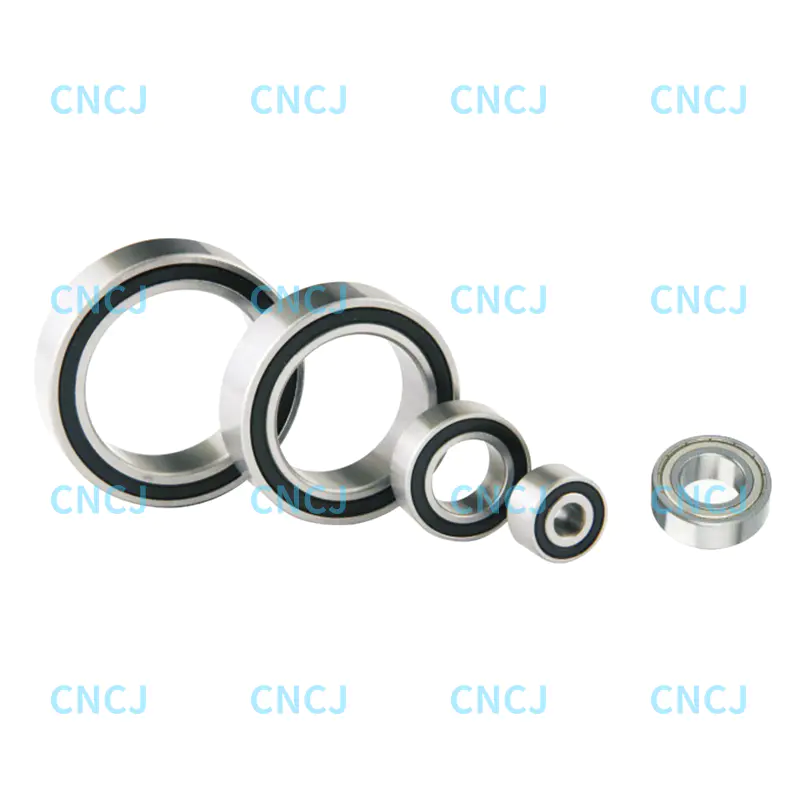
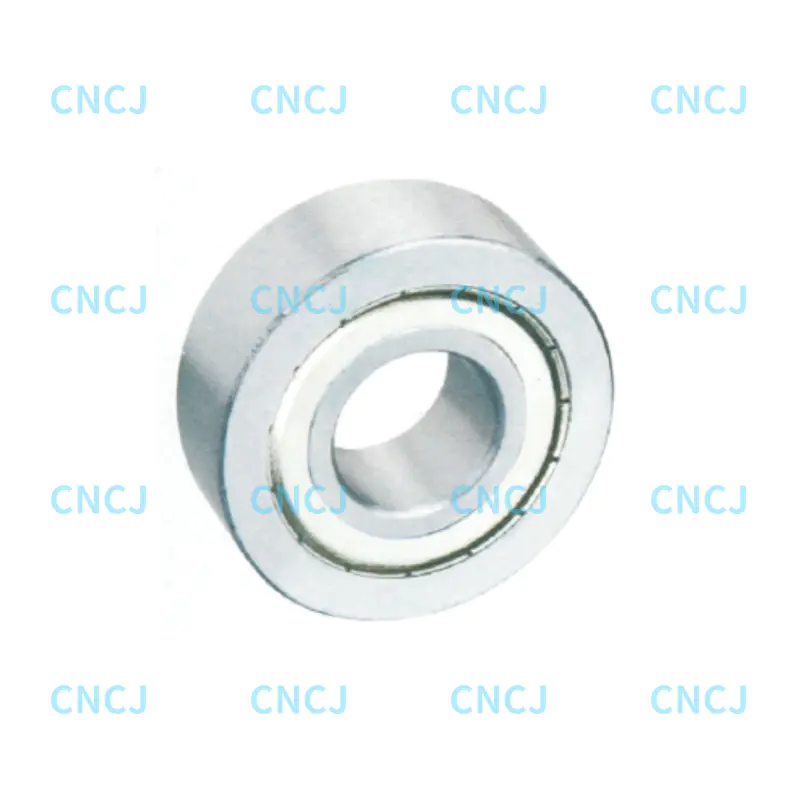
- Use high-quality seals (such as 2RS or ZZ) if the application environment contains fine particulates.
Frequently Asked Questions (FAQ)
Can double row angular contact bearings handle pure radial loads?
Yes, they can handle pure radial loads, but they are most efficient when supporting combined radial and axial loads. If the application is purely radial, a deep groove ball bearing might be more cost-effective unless high stiffness is required.
What is the typical contact angle for these bearings?
Most standard Double Row Angular Contact Ball Bearings feature a 32-degree contact angle, providing a balance between axial load capacity and radial stability.
How do I identify if I need a sealed or open bearing?
Open bearings are ideal for oil-bath lubrication systems. If your machine is exposed to the elements or requires a "set-and-forget" solution, sealed double row bearings are the superior choice to prevent contamination.
 English
 中文简体
中文简体 Deutsch
 Español