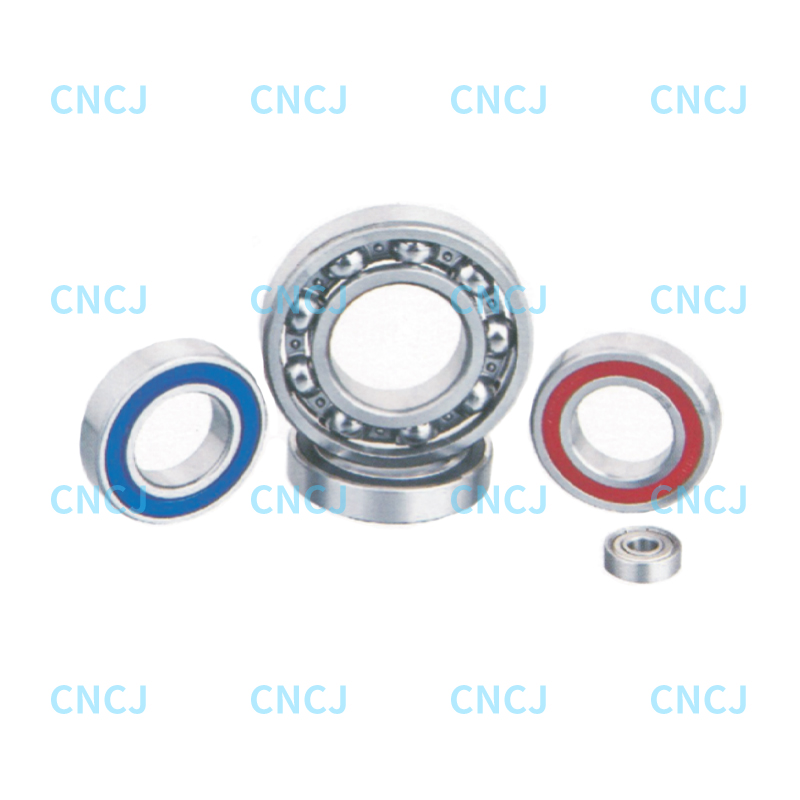
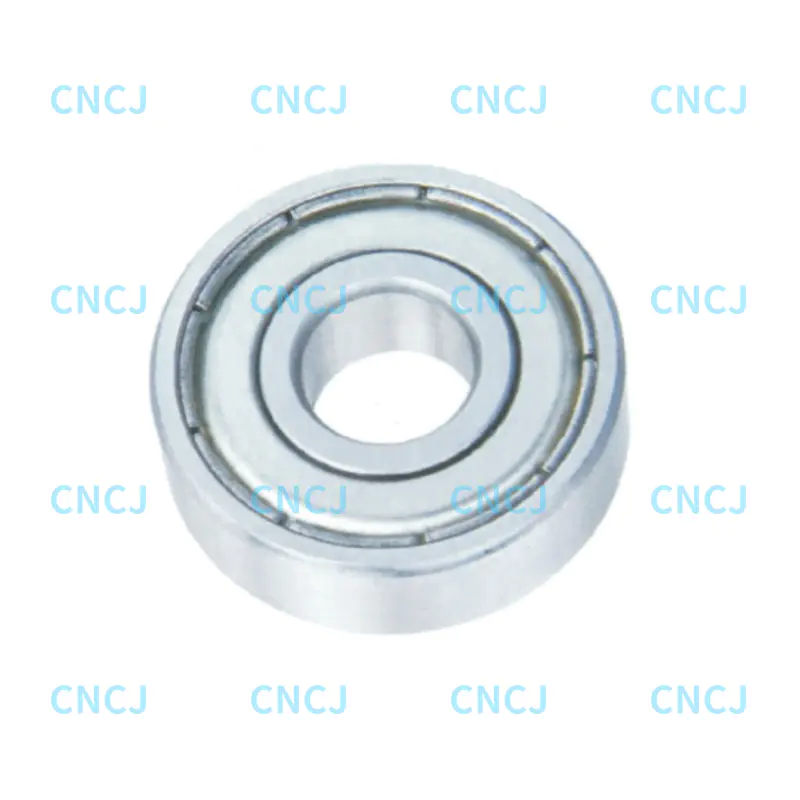
The Critical Role of Double Row Angular Contact Roller Bearings in Modern Industry
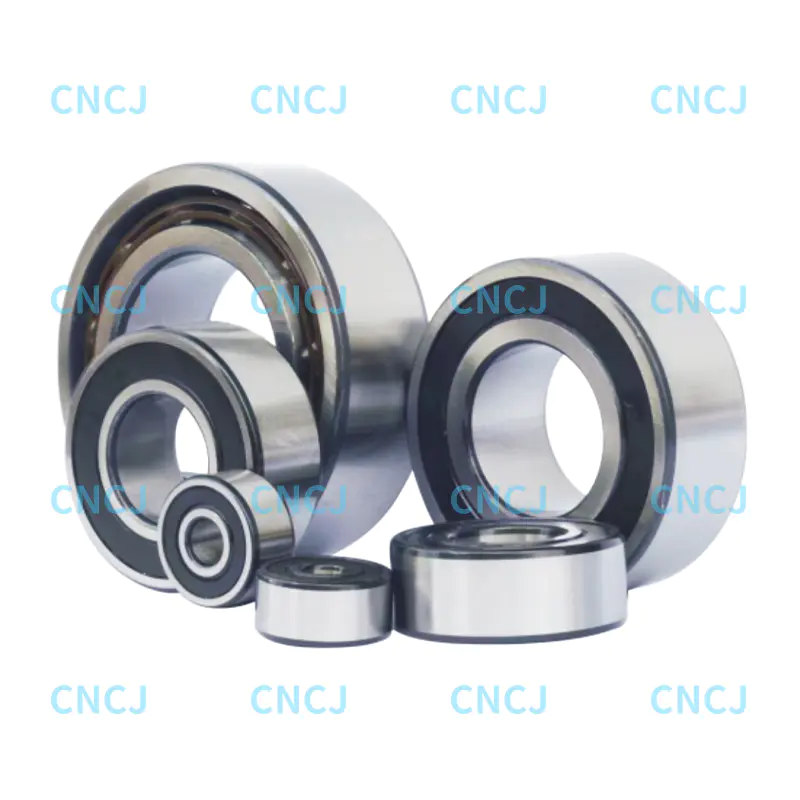
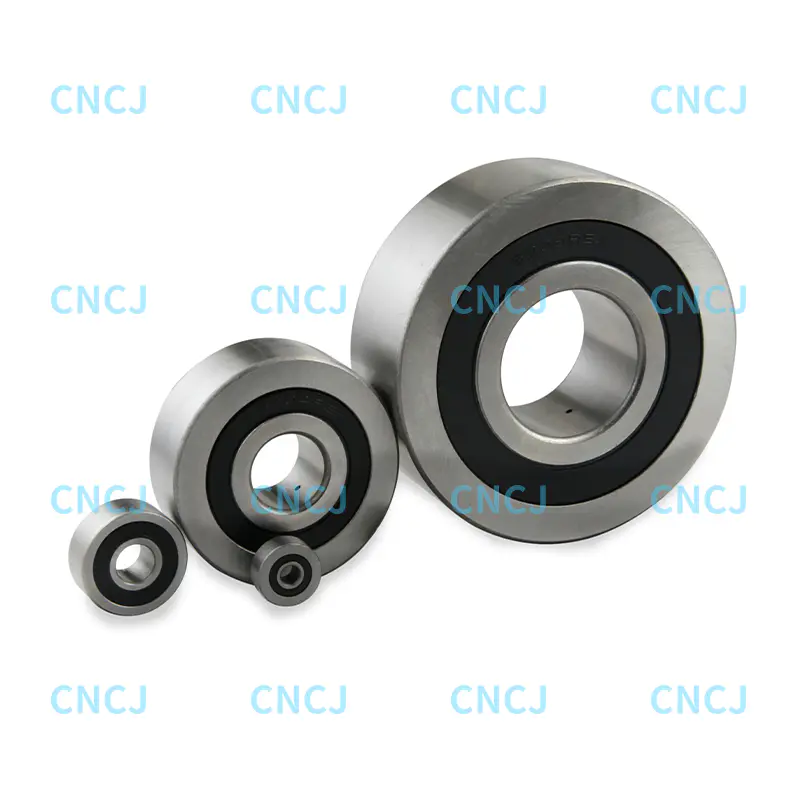
In the high-stakes environment of heavy industrial manufacturing, the demand for components that can withstand extreme mechanical stress is ever-increasing. The Double Row Angular Contact Roller Bearing has emerged as a fundamental solution for engineers seeking to balance high load-carrying capacity with precision movement. Unlike standard single-row options, the double-row design integrates two sets of rollers arranged in a back-to-back or face-to-face configuration within a single unit, providing a sturdier foundation for rotating shafts and complex machinery.
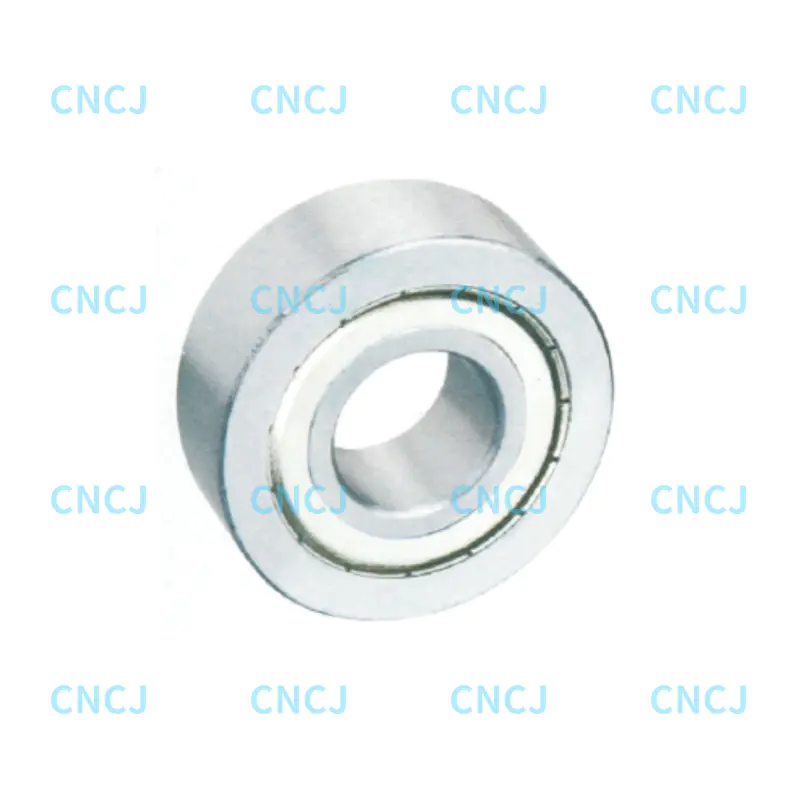
These bearings are specifically engineered to handle combined radial and axial loads simultaneously. By utilizing rollers instead of balls, they offer a larger contact area, which translates directly into higher rigidity and a significantly longer service life under heavy-duty conditions. Whether it is in a massive wind turbine or a high-speed CNC spindle, the Double Row Angular Contact Roller Bearing ensures that operational accuracy remains uncompromised, even when subjected to intense tilting moments and bi-directional thrust.
Why Choose Double Row Roller Bearings Over Traditional Ball Bearings?
A common question among procurement specialists is why the transition to Double Row Angular Contact Roller Bearings is necessary. The answer lies in the physics of contact. While ball bearings offer lower friction at ultra-high speeds, roller bearings distribute the load across a line rather than a point. This line contact allows the bearing to support up to 50% more load than a ball bearing of the same dimensions, making them the preferred choice for applications where equipment failure is not an option.
Key structural benefits include:
- Increased Axial Stiffness: The dual-row design naturally resists axial displacement, ensuring the shaft stays perfectly centered during high-torque operations.
- Bi-directional Load Handling: These bearings can take thrust from both directions, eliminating the need for a secondary "helper" bearing on the shaft.
- Compact Footprint: By housing two rows in one outer ring, manufacturers can reduce the overall axial length of the machine housing, leading to lighter and more efficient designs.
Comparative Performance Analysis: Double Row Solutions
When selecting a Double Row Angular Contact Roller Bearing, it is essential to understand the trade-offs between load capacity and speed. Most modern industrial series are optimized for specific environments, ranging from mining equipment to precision robotics. The following table provides a technical overview of how these bearings perform across different parameters compared to standard industrial benchmarks.
Table 1: Performance Matrix for Double Row Roller Bearings vs. Standard Bearings
| Feature |
Single Row Ball |
Double Row Roller |
Advantage Level |
| Radial Load Capacity |
Standard |
Extreme |
+40-60% |
| Axial Thrust Support |
One Direction |
Both Directions |
Superior |
| Shaft Rigidity |
Moderate |
Ultra-High |
High Stiffness |
Essential Maintenance for Prolonged Service Life
Despite their robust construction, the longevity of Double Row Angular Contact Roller Bearings is heavily reliant on "The Four Pillars of Maintenance": Lubrication, Alignment, Sealing, and Load Monitoring. In many heavy industries, improper lubrication accounts for nearly 40% of all bearing failures. For roller bearings, the lubricant must maintain a specific film thickness to separate the rollers from the raceways under pressure.
The Importance of Sealing Solutions
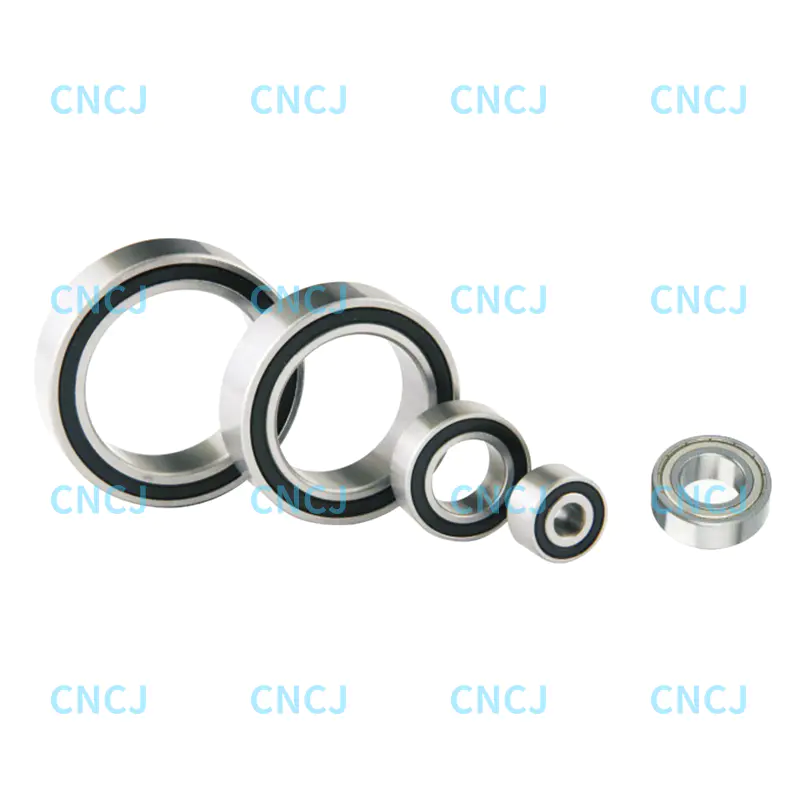
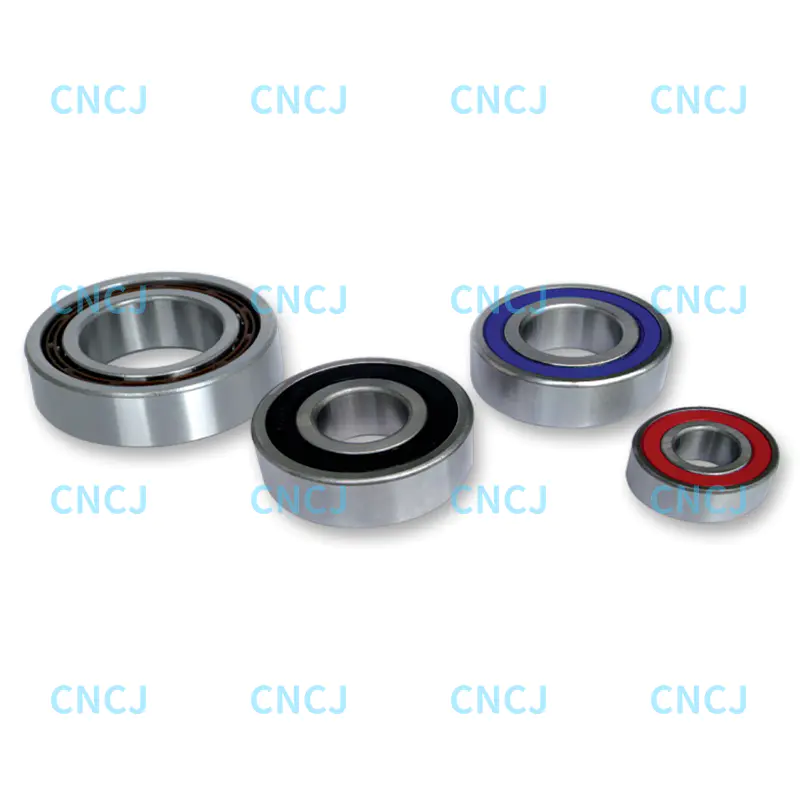
In environments where dust, metallic shavings, or moisture are present, choosing a sealed double row roller bearing is non-negotiable. Modern sealing technologies, such as the NBR rubber seals or high-temperature Viton variants, protect the delicate internal geometry from contamination. A single microscopic particle of grit can cause "spalling"—a surface fatigue that leads to total bearing seizure. Using pre-greased, sealed units often doubles the maintenance interval compared to open-type bearings in harsh conditions.
Applications: Where Precision Meets Power
The versatility of Double Row Angular Contact Roller Bearings makes them vital in several key sectors:
- Automotive Industry: Used extensively in wheel hub units to support the weight of the vehicle while allowing for high-speed rotation and cornering stability.
- Energy Sector: Wind turbine main shafts utilize these bearings to manage the unpredictable wind loads that cause significant tilting moments on the blades.
- Precision Engineering: Machine tool spindles require the extreme rigidity offered by double row rollers to ensure that cutting tools maintain sub-micron accuracy.
Conclusion: Investing in Reliability
Investing in high-quality Double Row Angular Contact Roller Bearings is not just a procurement decision; it is a commitment to operational efficiency. By selecting the correct contact angle and sealing configuration, businesses can reduce their Total Cost of Ownership (TCO) through reduced downtime and fewer replacement cycles. As industrial demands continue to evolve, these bearings remain the gold standard for combined load management and rotational precision.
FAQ: Frequently Asked Questions About Double Row Roller Bearings
How do I know if I should use a 25° or 35° contact angle?
A lower contact angle (e.g., 25°) is better for higher speeds and radial loads, while a higher contact angle (e.g., 35°) is optimized for applications with heavy axial thrust or where maximum axial stiffness is required.
Can these bearings be used at very high temperatures?
Standard bearings typically operate up to 120°C. For higher temperatures, you must specify heat-stabilized steel and high-performance synthetic lubricants to prevent the rings from expanding and seizing.
What is the difference between "sealed" and "shielded" versions?
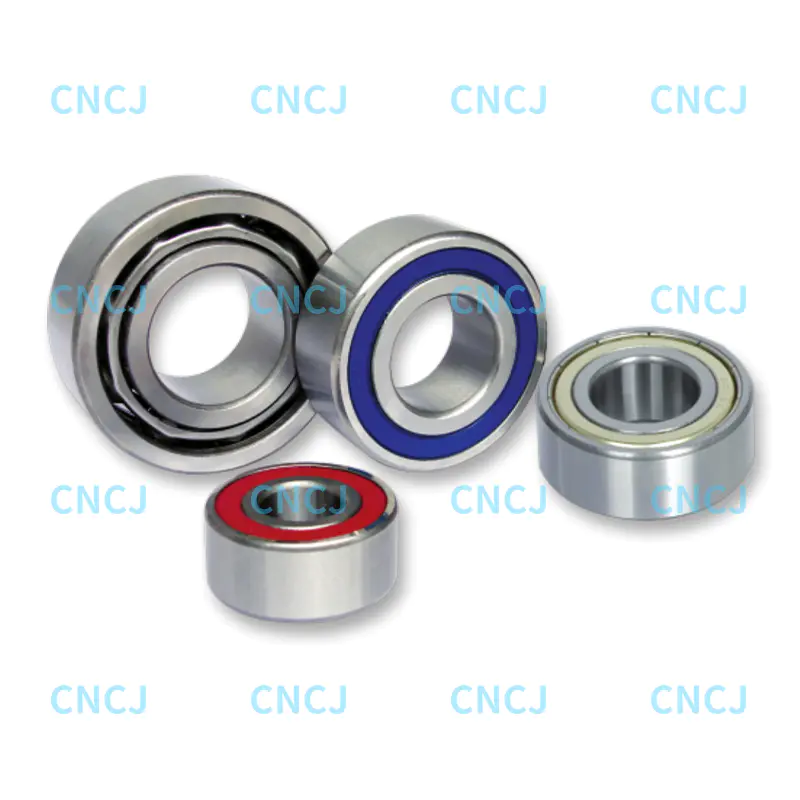
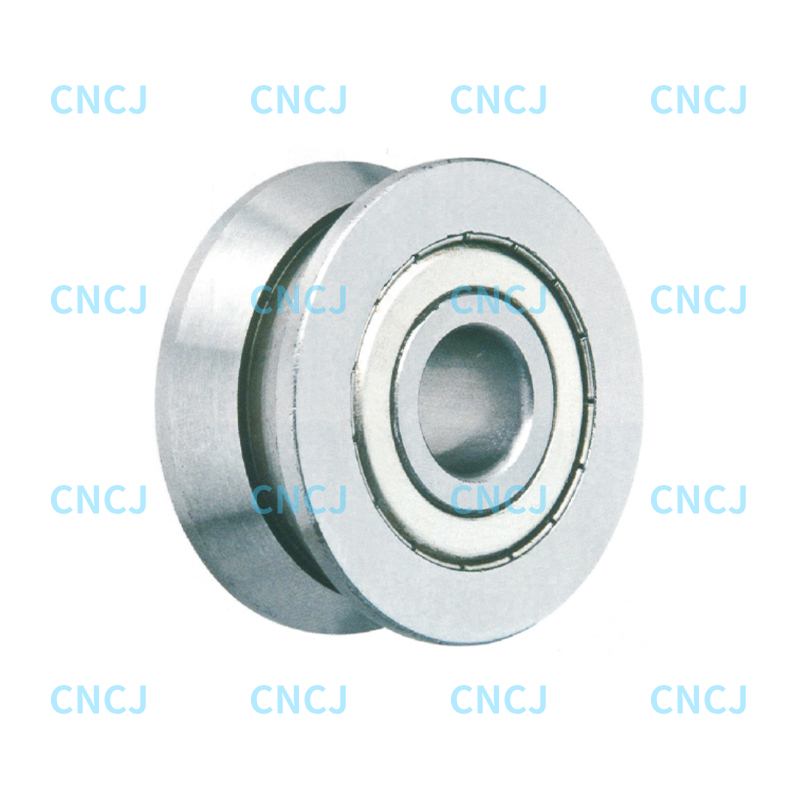
A shield (ZZ) is a non-contact metal plate that keeps out large debris but doesn't stop liquids. A seal (2RS) is a contact rubber lip that provides a much tighter barrier against moisture and fine dust, though it may slightly limit maximum RPM due to friction.
 English
 中文简体
中文简体 Deutsch
 Español