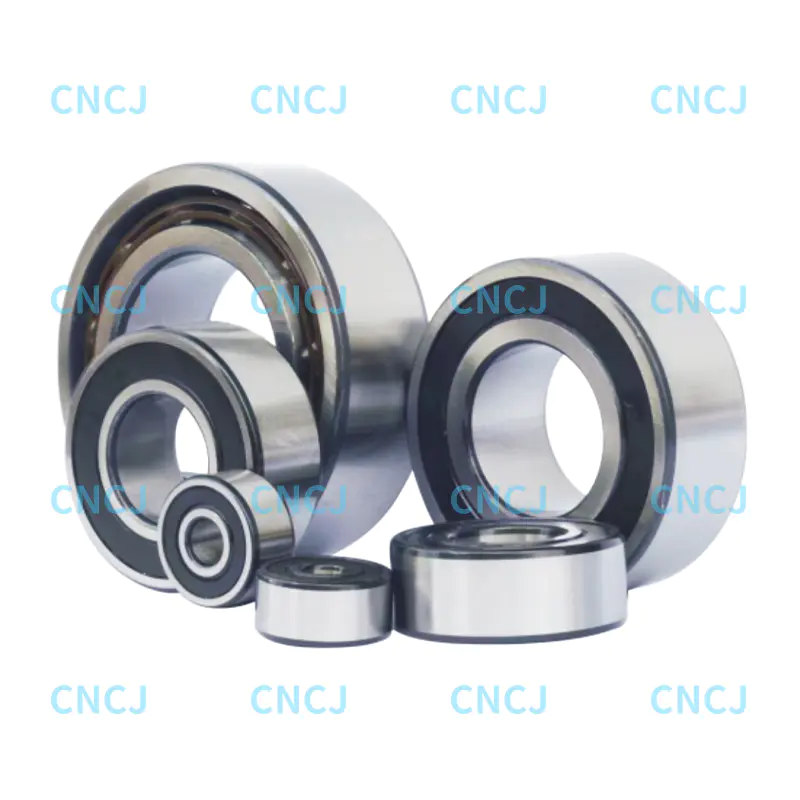
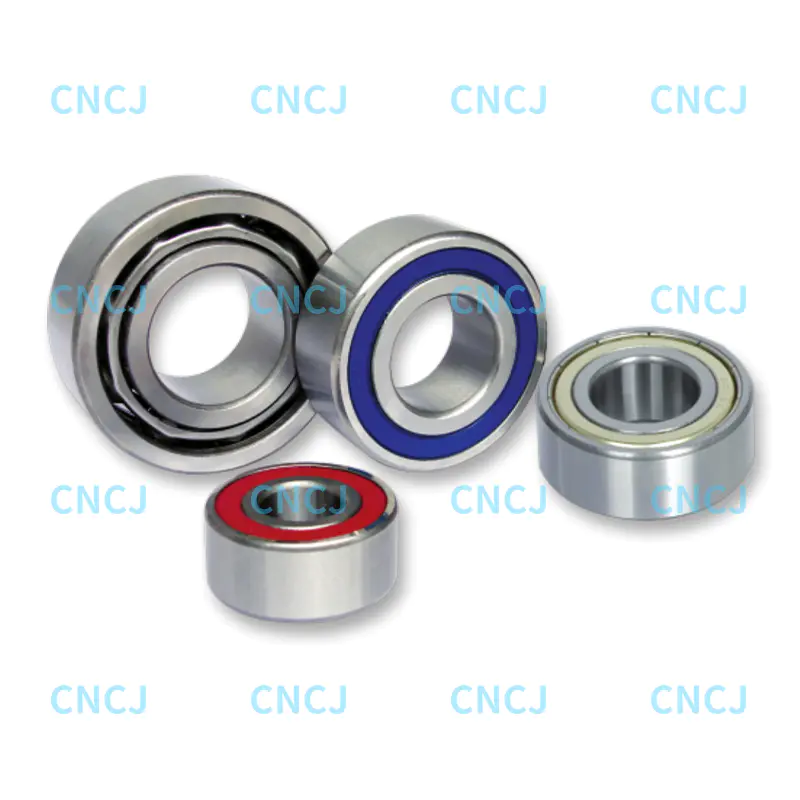
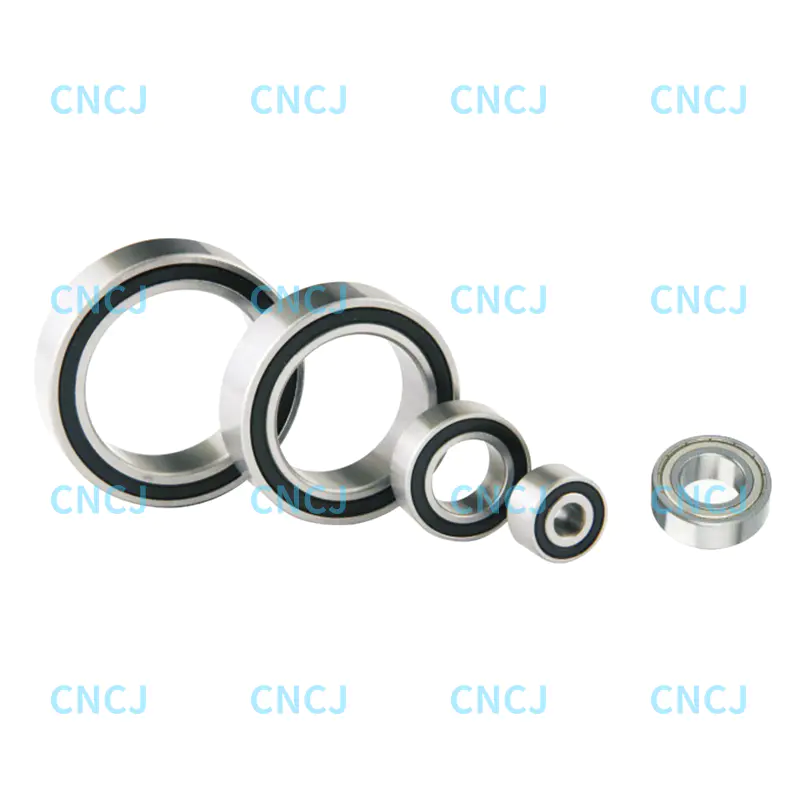
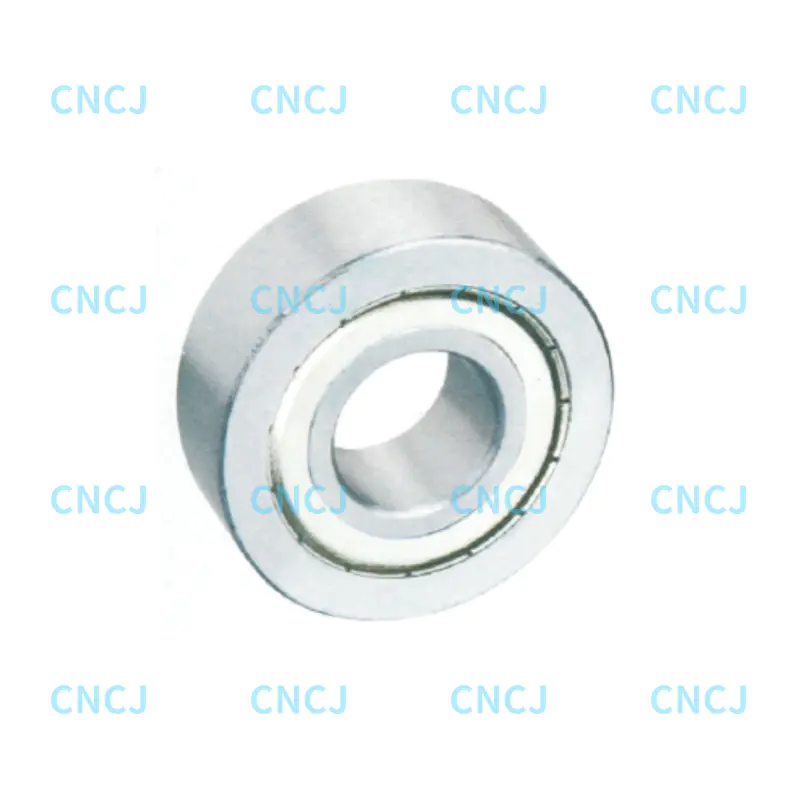
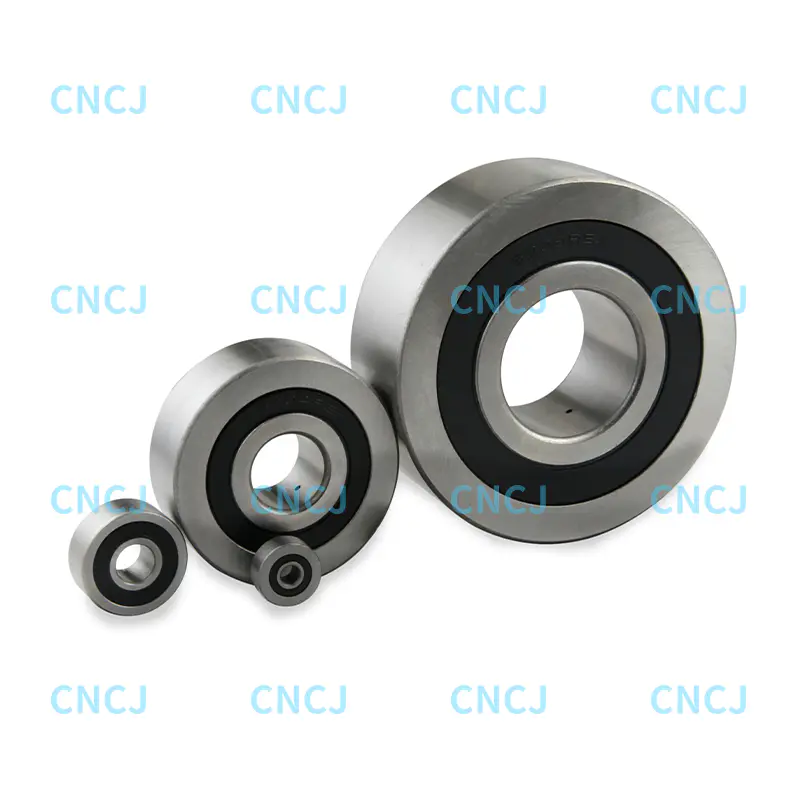
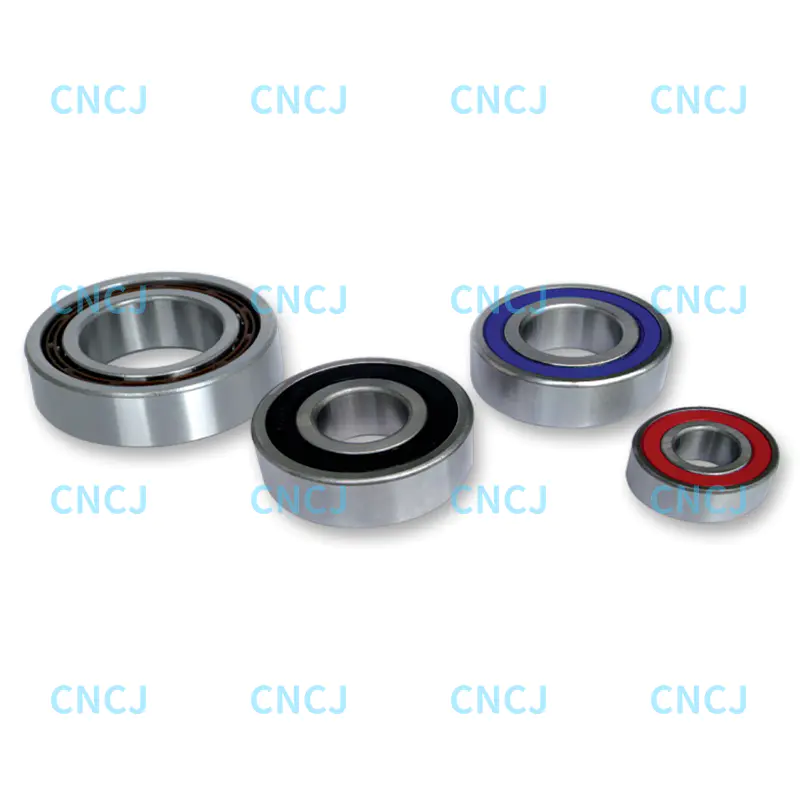
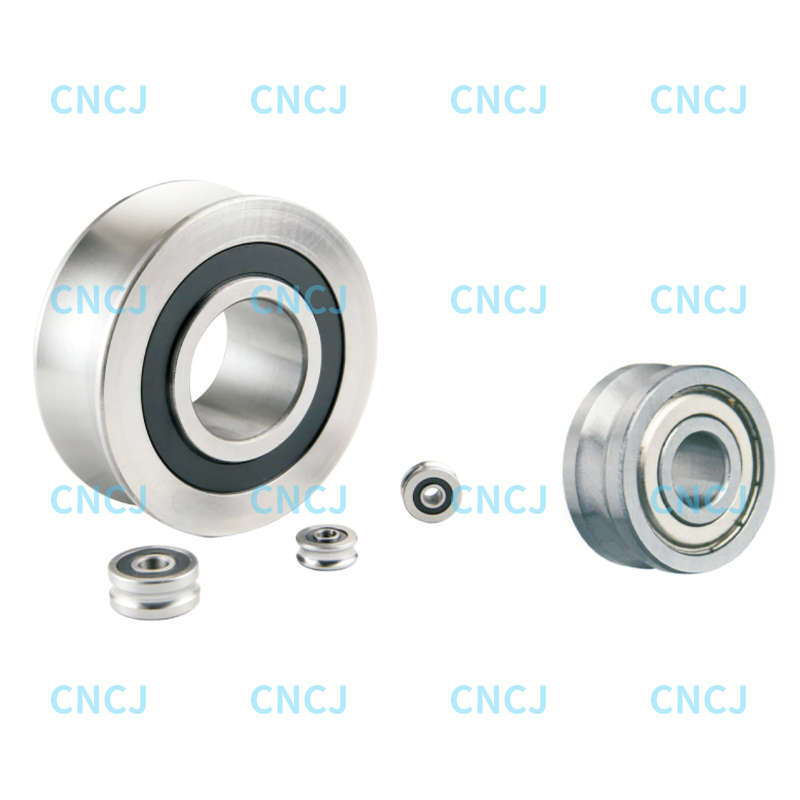
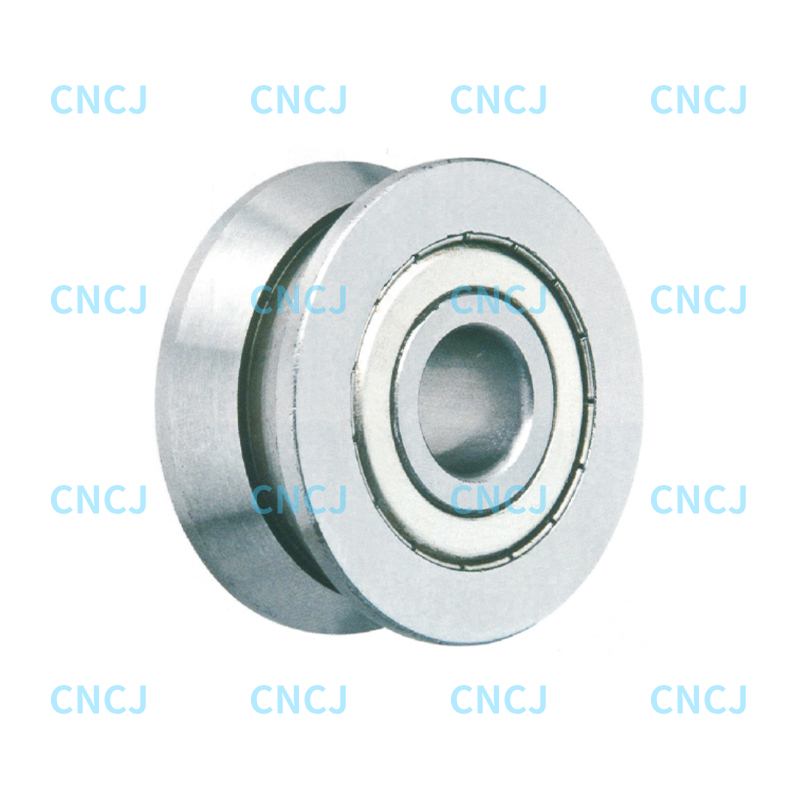
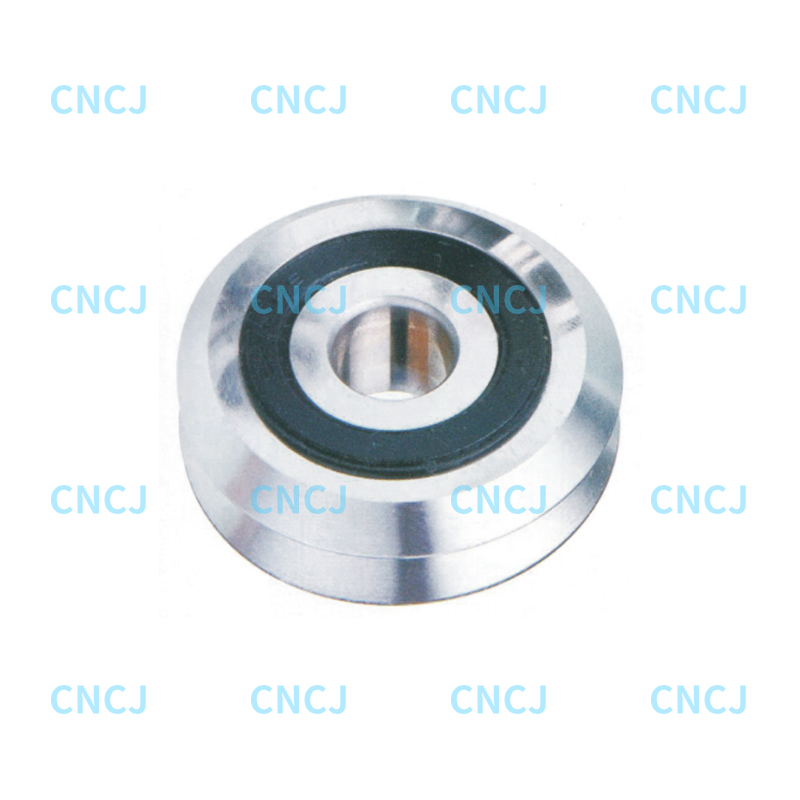
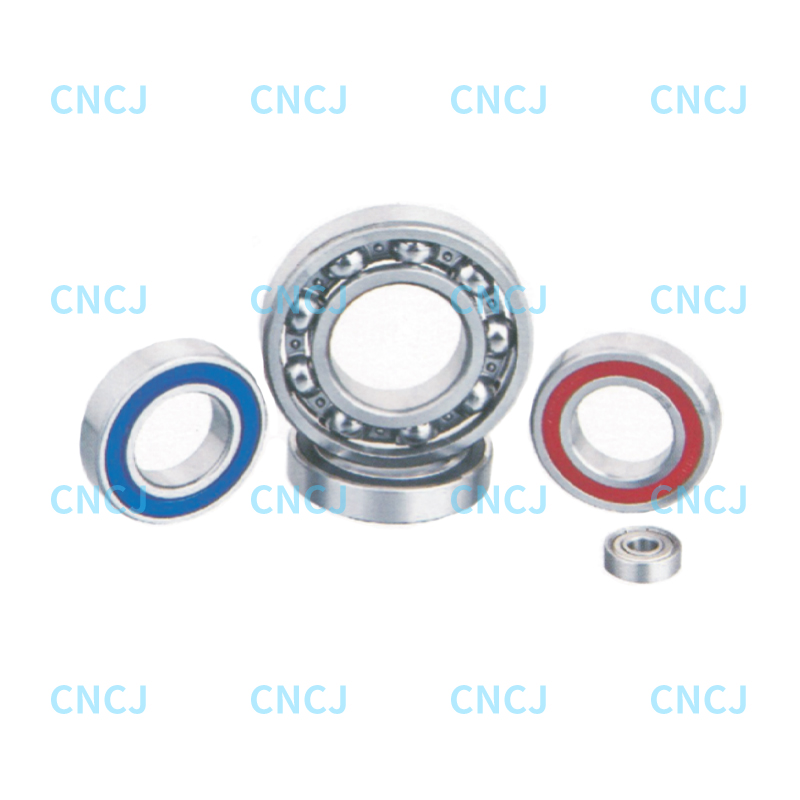
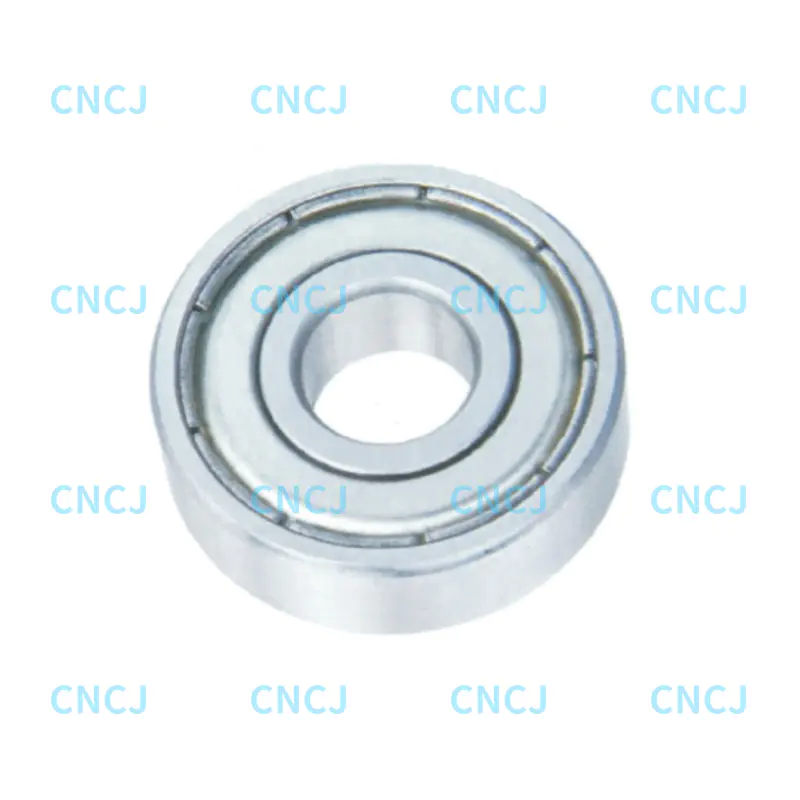
Double row ball bearings, as a common type of rolling bearing, are widely used in various industries such as machinery, automobiles, aerospace, and wind power generation. They consist of two rows of balls arranged side by side, capable of simultaneously bearing both radial and axial loads, providing stronger support and stability. So, how exactly do double row ball bearings affect equipment stability?
1. Basic Structure and Characteristics of Double Row Ball Bearings
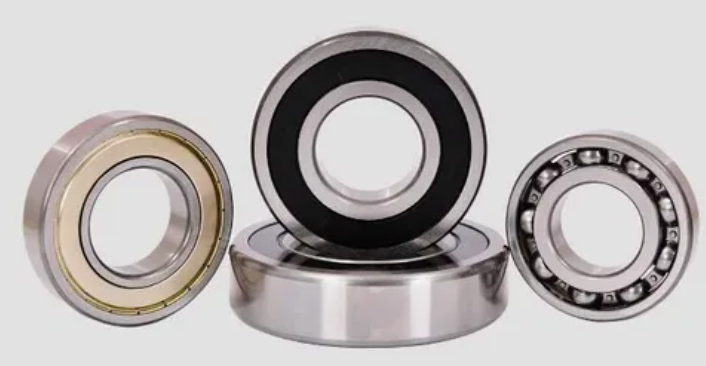
The structure of double row ball bearings is more complex than that of single row ball bearings. It consists of two rows of balls supported by a common inner and outer ring, capable of bearing loads in different directions. The main characteristics of double row ball bearings include:
High load capacity: Due to having two rows of balls, it can withstand higher radial and axial loads than single row bearings.
Simultaneous bearing of axial and radial loads: Double row ball bearings can distribute loads in multiple directions, thus improving equipment stability and reliability.
Strong adaptability: It can provide stable support under high load, high speed, and multi-directional operating conditions.
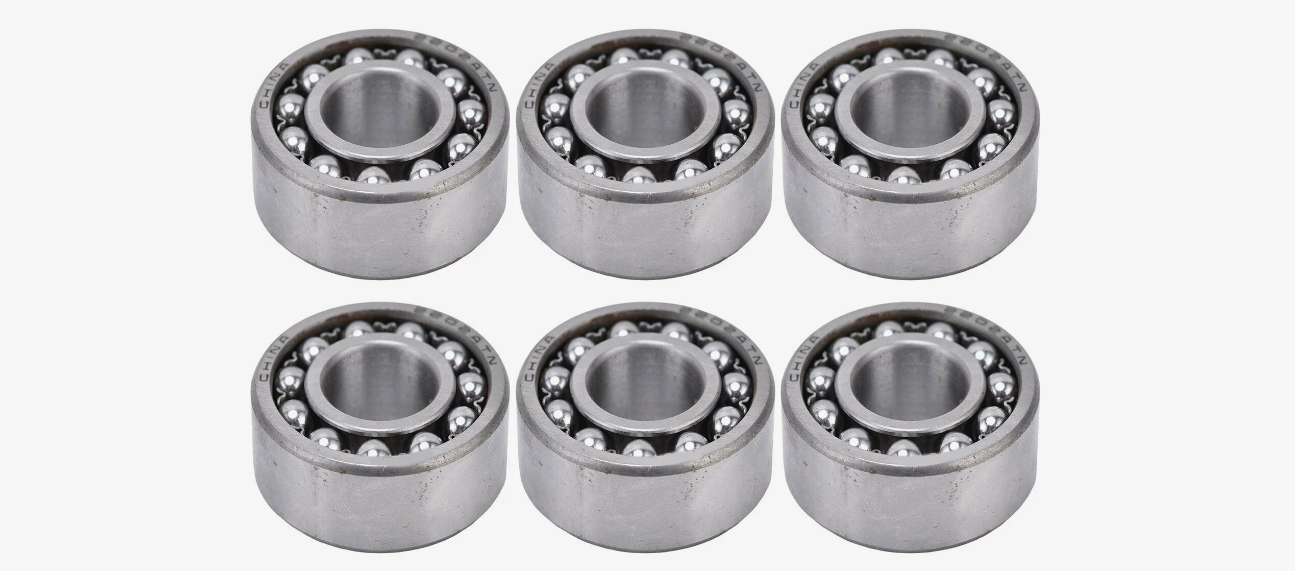
2. How Do Double Row Ball Bearings Improve Equipment Stability?
Double row ball bearings improve equipment stability in the following ways:
(1) Reducing axial vibration
Double row ball bearings have a strong axial load capacity, effectively reducing vibrations caused by changes in axial load during equipment operation. This is especially important for high-speed, high-load mechanical equipment such as electric motors, pumps, and fans. If the equipment experiences excessive axial vibration during operation, it will affect its stability, leading to premature failure or performance degradation. Double row ball bearings, by better distributing the axial load, reduce axial vibration and improve the smoothness and stability of equipment operation.
(2) Improving load distribution capacity
Traditional single row ball bearings can only withstand a certain load; exceeding this load capacity can easily lead to excessive wear or deformation of the bearing. Double row ball bearings, due to having two rows of balls, can simultaneously withstand larger radial and axial loads. For equipment that needs to withstand high loads (such as heavy machinery and automobile wheel hubs), double-row ball bearings can distribute larger loads, preventing equipment instability, increased noise, or vibration caused by excessive load. This effectively extends the service life of the equipment and ensures its long-term stable operation.
(3) Reduced Friction and Heat Accumulation
Friction and heat accumulation are key factors affecting equipment stability and lifespan. Through optimized design and the use of high-quality lubricating materials, double-row ball bearings maintain a low coefficient of friction even under high loads. This prevents excessive heat accumulation during operation, thus preventing problems such as bearing damage and lubricant degradation caused by overheating. Furthermore, lower friction reduces energy loss, allowing the equipment to operate more efficiently, contributing to improved overall stability and cost-effectiveness.
(4) Adaptation to Higher Operating Speeds
In some high-speed rotating equipment, the operating speed of the bearings directly affects equipment stability. Double-row ball bearings can maintain stable operation at higher operating speeds, reducing vibration or imbalance caused by high-speed rotation. For example, in electric tools, precision instruments, and aerospace equipment, double-row ball bearings can effectively support high-speed rotating components, reducing equipment vibration caused by excessive rotational speed, thereby improving the smoothness and stability of the equipment.
(5) Improved Equipment Symmetry and Symmetrical Load Capacity
Due to the symmetrical design of the ball rows, double-row ball bearings have a more even load distribution and can withstand loads in multiple directions. This symmetrical design effectively reduces displacement and vibration caused by asymmetrical loads during equipment operation, further improving equipment stability. For example, in precision machining equipment, double-row ball bearings ensure that mechanical components do not generate unbalanced forces during high-speed operation, thus reducing the risk of equipment instability.
3. Application Cases of Double-Row Ball Bearings
(1) Automotive Industry
In the automotive industry, double-row ball bearings are widely used in key components such as wheel hubs, drive shafts, and engines. Wheel hub bearings need to withstand both radial and axial loads from the wheels. Double-row ball bearings, by providing stronger load-bearing capacity, effectively improve the stability and durability of the wheel hub. At the same time, double-row ball bearings can reduce wheel vibration and noise, improving driving stability.
(2) Industrial Machinery and Equipment
In heavy machinery and industrial equipment, such as cranes, mining equipment, pumps, and compressors, double-row ball bearings provide stable support in high-load, high-speed operating environments. By optimizing the load distribution of the bearings and reducing instability caused by uneven load or vibration, these devices can operate more efficiently and stably, thereby reducing failure rates and improving production efficiency.
(3) Aerospace
Equipment in the aerospace field requires extremely high stability and precision. Due to their ability to provide stable support under high-speed and high-load conditions, double-row ball bearings have become critical components in aircraft engines, aircraft, and their components. They not only improve the operating precision of the equipment but also effectively prevent vibrations and instability generated during high-speed operation, thereby improving the overall performance and safety of the aircraft.
Through their unique design and structural advantages, double-row ball bearings can effectively improve equipment stability and reduce the effects of vibration, heat accumulation, and uneven load. In many high-load, high-speed operating devices, double-row ball bearings provide higher load-carrying capacity, better balance, and lower friction loss, thus enhancing the stability and reliability of the equipment.
 English
 中文简体
中文简体 Deutsch
 Español