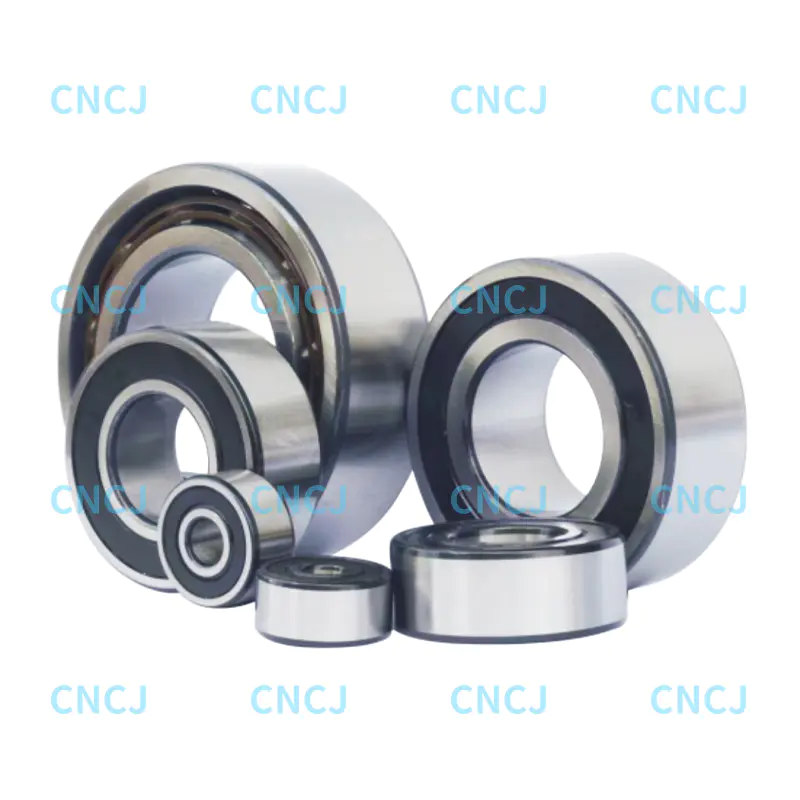
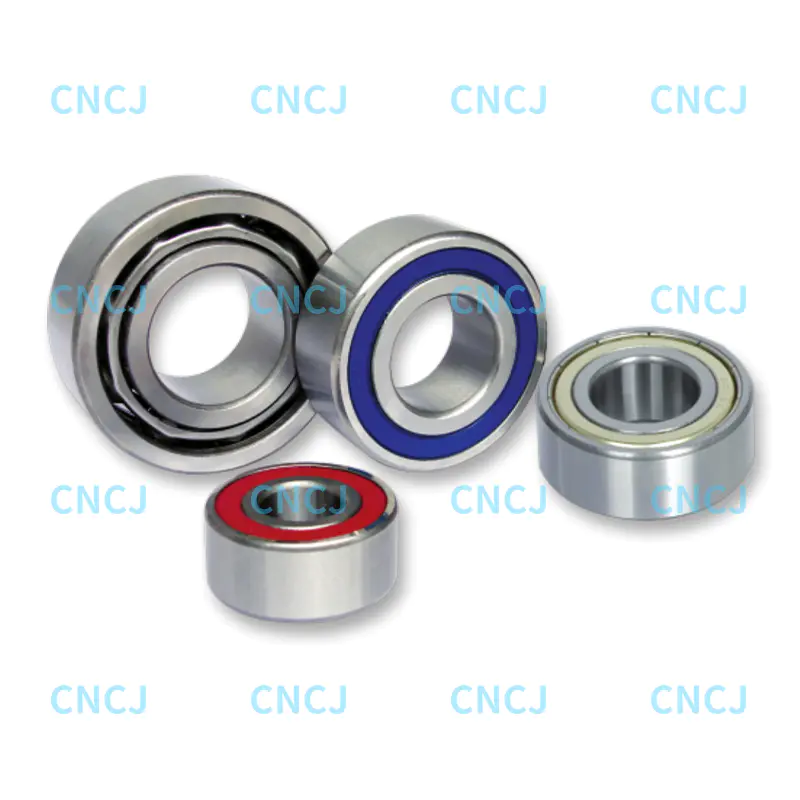
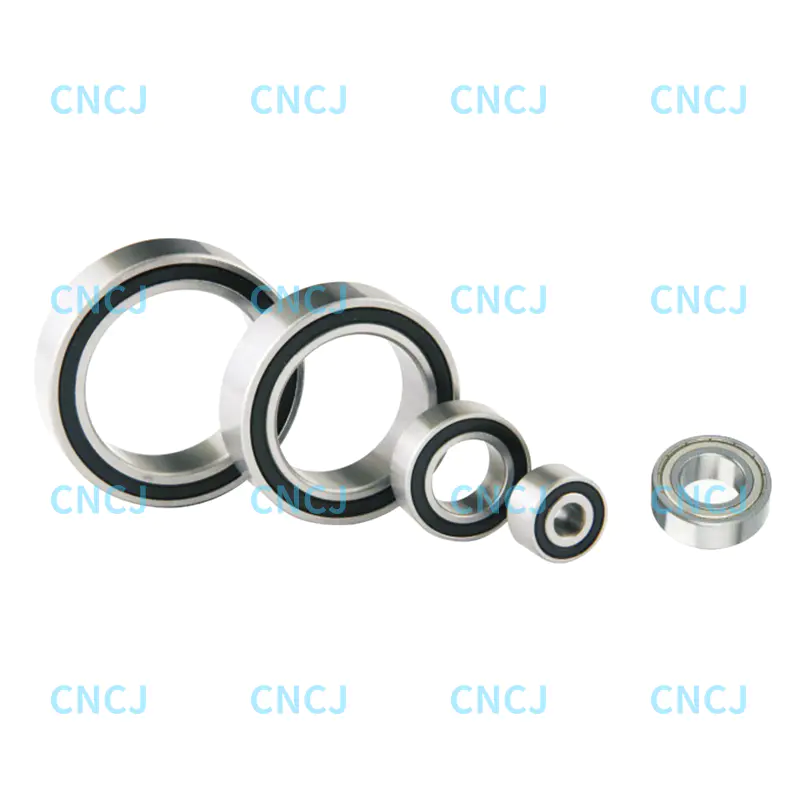
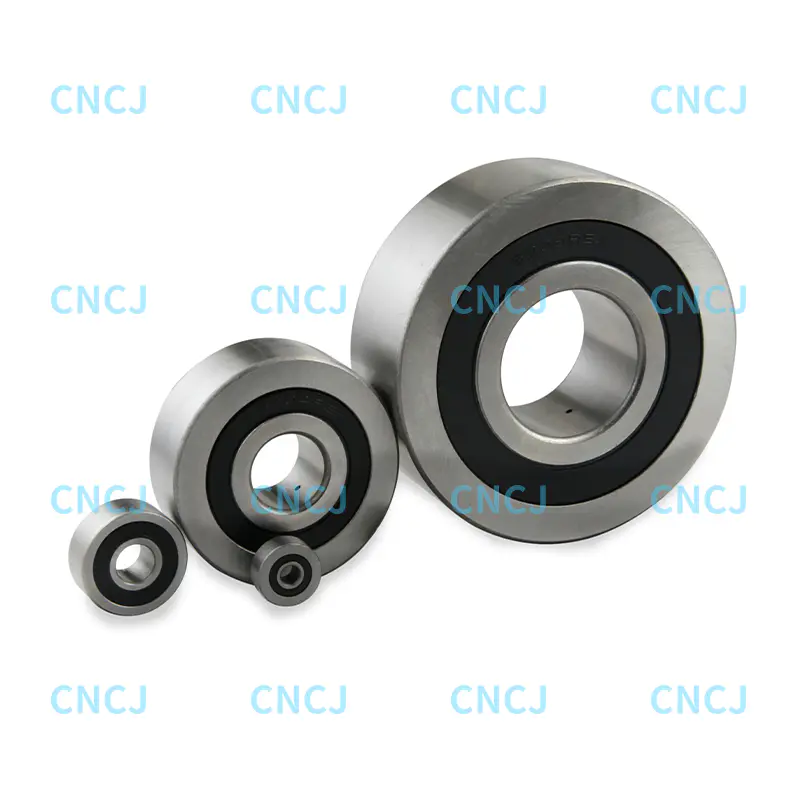
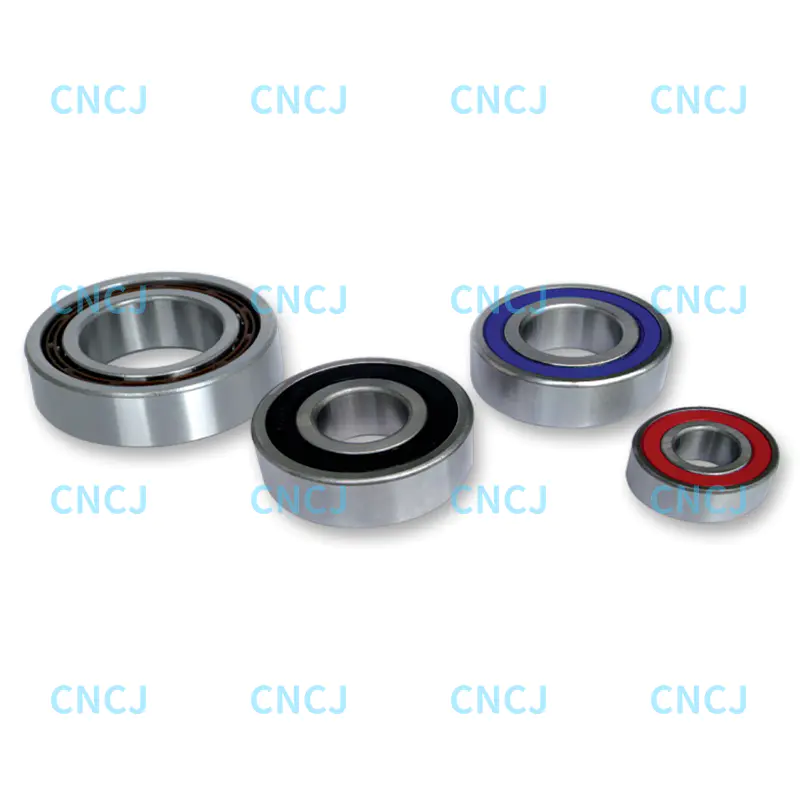
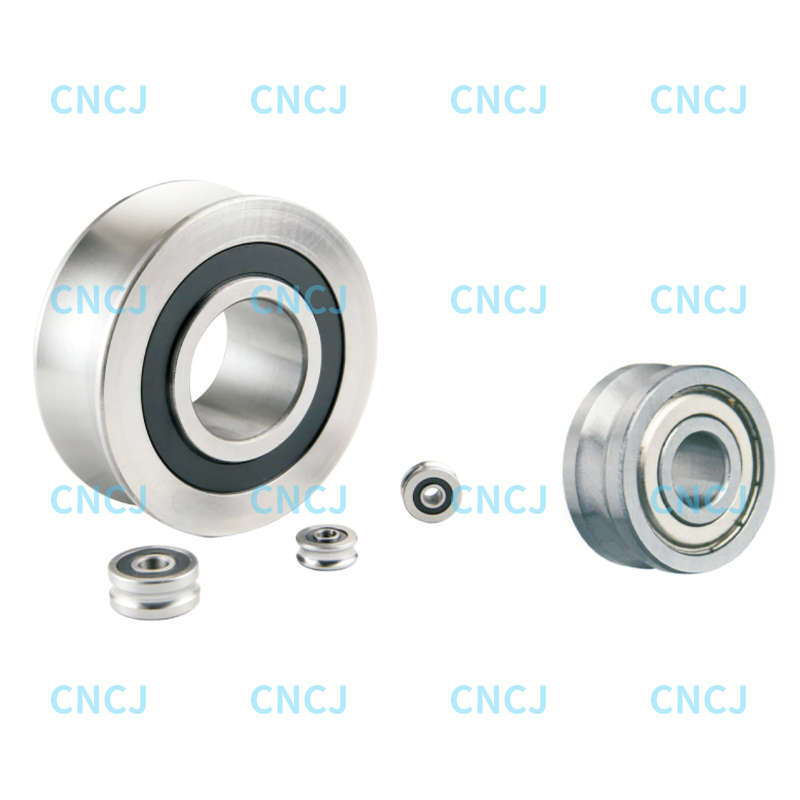
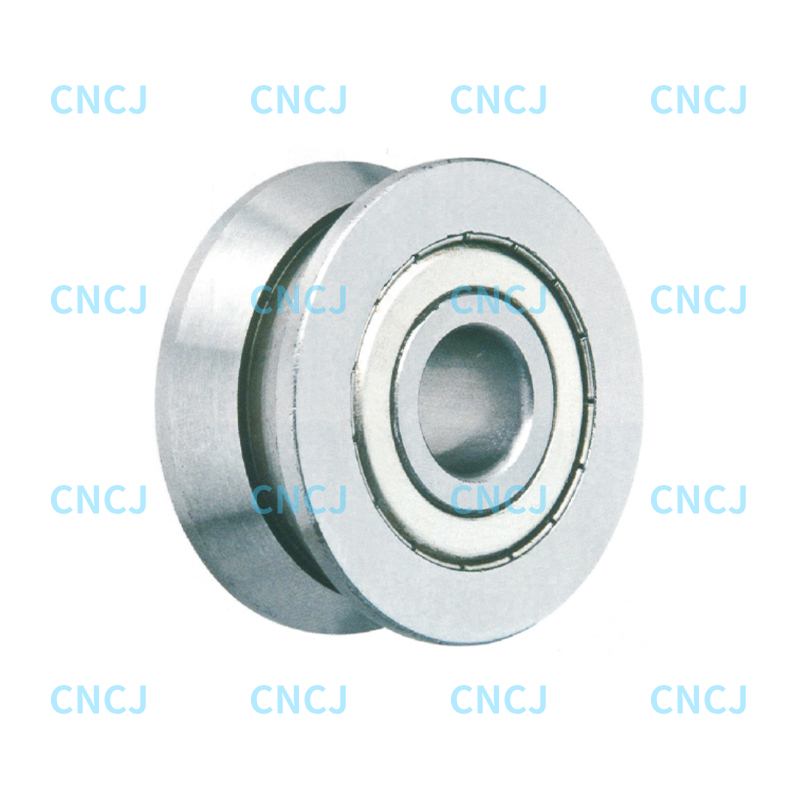
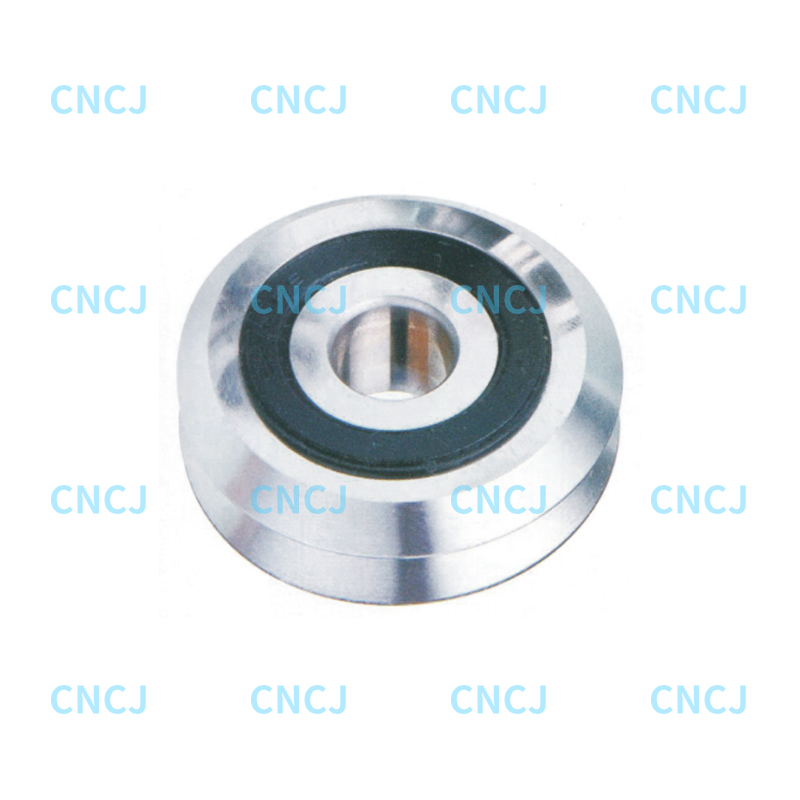
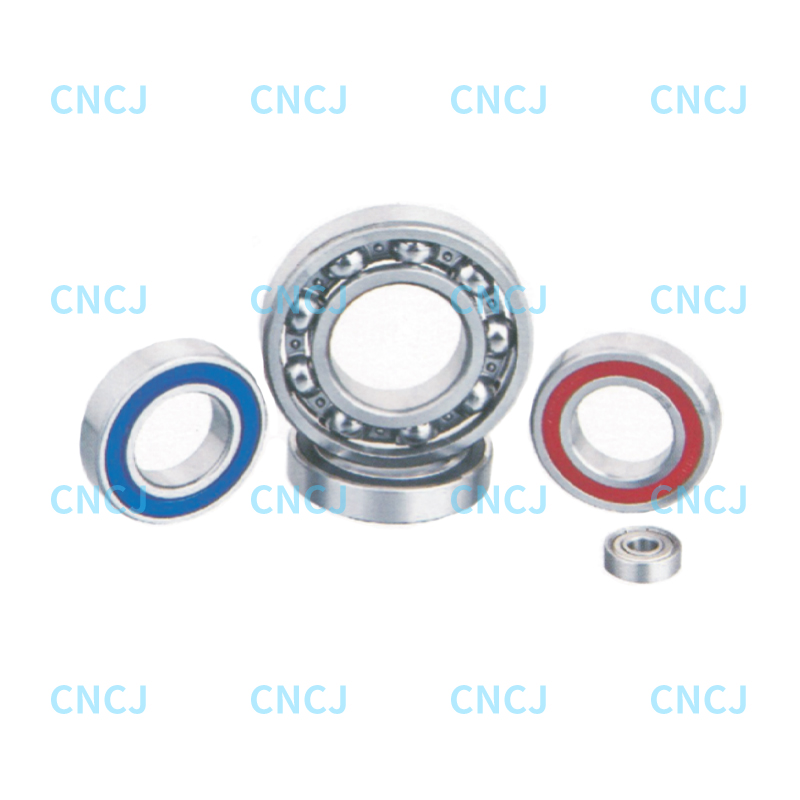
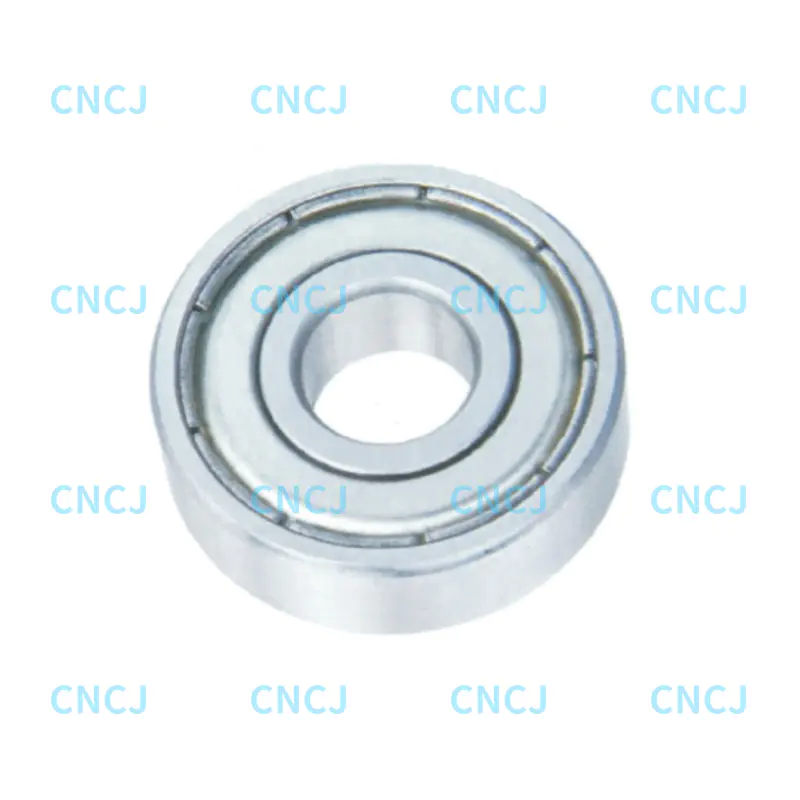
Double row angular contact roller bearings work by using two rows of tapered or cylindrical rollers arranged at a specific contact angle, allowing the bearing to support combined radial and axial loads from both directions simultaneously within a single compact unit. This dual-row, angled design distributes load across a wider contact surface than a single-row bearing can achieve, which is why these bearings are commonly selected for applications requiring both high rigidity and the ability to resist tilting moments under heavy or fluctuating loads. Engineering data commonly referenced in rotating machinery design shows that properly configured double row bearings can achieve significantly higher moment load capacity compared to single-row angular contact designs of similar size, making them well suited to applications where shaft stability under combined loading is critical.
How the Contact Angle Distributes Load
The defining feature of angular contact roller bearings is the specific angle at which the rollers contact the inner and outer raceways, and this angle is what allows the bearing to handle combined radial and axial forces rather than radial load alone.
Understanding Contact Angle Function
- The contact angle determines the ratio of radial to axial load capacity the bearing can support
- A larger contact angle increases axial load capacity while a smaller angle favors radial load capacity
- Load transmitted through the rollers follows a path along this angle from one raceway to the other
In Double Row Angular Contact Roller Bearings, this angled load path is duplicated across two roller rows, allowing the bearing to manage axial thrust from both directions rather than requiring a second bearing to handle the opposing thrust load.
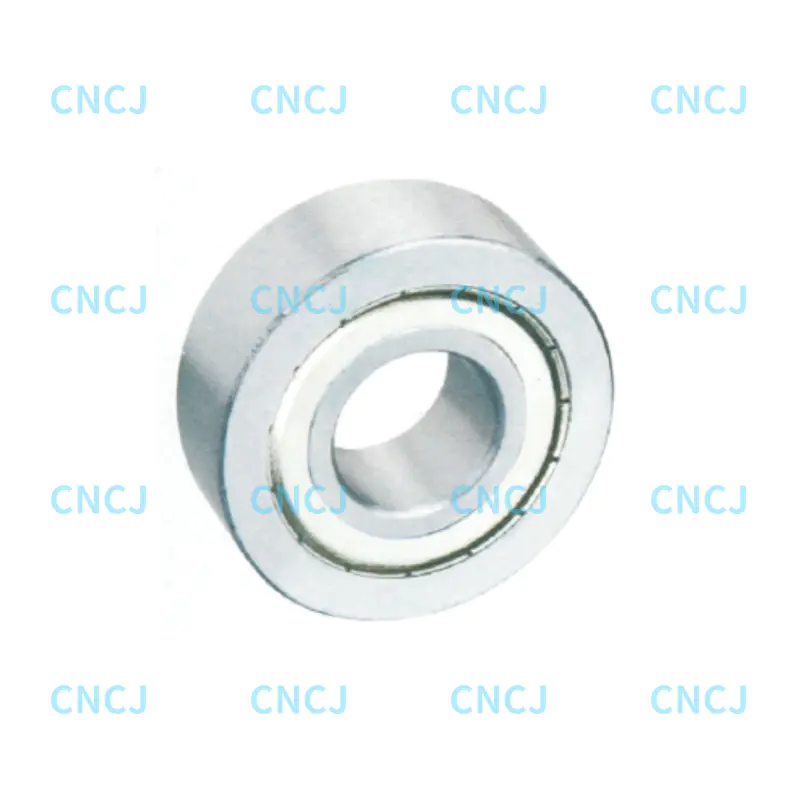
Why Two Roller Rows Improve Load Handling
Adding a second row of rollers fundamentally changes how the bearing distributes force compared to a single-row design, particularly when it comes to resisting tilting or moment loads applied to the shaft.
Single Row Versus Double Row Comparison
| Bearing Configuration |
Axial Load Handling |
Moment Load Resistance |
| Single row angular contact |
One direction only |
Lower |
| Double row angular contact |
Both directions |
Higher |
This dual-direction capability eliminates the need for a paired bearing arrangement in many applications, since a single double row unit can replace what would otherwise require two separate single-row bearings mounted in opposition.
How Rollers Transfer Load Between Raceways
The rolling elements themselves play a direct mechanical role in the bearing's working principle, converting sliding friction into rolling friction as the shaft rotates under load.
The Rolling Motion Process
- Load applied to the shaft transmits through the inner raceway to the rollers positioned at the designed contact angle
- Rollers rotate within a cage structure that maintains even spacing and prevents roller-to-roller contact
- Force continues through the rollers to the outer raceway, which transfers load into the surrounding housing
This rolling contact significantly reduces friction compared to plain sliding bearings, allowing the bearing to support heavy loads while maintaining smooth rotational movement and reduced energy loss during operation.
Rigidity and Its Role in Precision Applications
Rigidity refers to how little a bearing deflects under load, and double row angular contact roller bearings are specifically valued in applications where maintaining precise shaft position under varying load conditions is essential.
Why Rigidity Matters
In precision machinery such as machine tool spindles or rotary tables, even small amounts of bearing deflection can introduce inaccuracies in the finished workpiece, making the inherent rigidity of a properly preloaded double row bearing a critical performance factor.
The Role of Preload
Many double row angular contact bearings are manufactured with a built-in preload, which removes internal clearance between the rollers and raceways, further increasing rigidity and reducing the deflection that would otherwise occur under initial load application.
Handling Combined Radial and Axial Loads Simultaneously
One of the most practical advantages of this bearing type is its ability to manage radial and axial loads at the same time, which is common in real-world rotating machinery applications rather than loads acting in a single, isolated direction.
Real-World Combined Loading Scenarios
- Rotating shafts subject to both weight-bearing radial force and thrust from gear meshing
- Machine tool spindles experiencing cutting forces from multiple directions during operation
- Wind turbine and industrial gearbox applications where load direction shifts under varying operating conditions
Because the bearing handles these combined forces within a single compact assembly, equipment designers can often reduce overall shaft length and housing complexity compared to designs requiring multiple separate bearings for each load type.
Cage Design and Its Effect on Bearing Performance
The cage, which holds rollers in position and maintains even spacing between them, plays a supporting but important role in how smoothly the bearing operates under the working principle described above.
Cage Material and Design Considerations
Cage materials range from stamped steel to machined brass or engineered polymer, with material selection affecting how well the cage handles high-speed operation, temperature variation, and lubrication retention around the rolling elements.
Preventing Roller Skew
A well-designed cage helps prevent roller skew, a condition where rollers become slightly misaligned within their raceway path, which can otherwise increase friction and generate uneven wear across the roller surface over time.
Lubrication and Its Role in the Working Principle
Proper lubrication is essential to how double row angular contact roller bearings function reliably over time, since it reduces friction at the roller-to-raceway contact points and helps dissipate heat generated during operation.
Common Lubrication Methods
Grease lubrication is widely used for standard industrial applications due to its simplicity and long-term retention within the bearing assembly, while oil lubrication systems are often selected for higher-speed applications where more effective heat dissipation is required to maintain stable operating temperatures.
Applications Where This Bearing Type Is Commonly Used
Understanding the working principle helps explain why Double Row Angular Contact Roller Bearings are frequently specified in machine tool spindles, rolling mill equipment, wind turbine gearboxes, and other heavy machinery applications where combined radial and axial loading, along with high rigidity requirements, make this bearing configuration particularly effective compared to simpler single-row alternatives.
Who Should Consider This Bearing Configuration
Mechanical engineers and equipment designers working on applications involving combined radial and axial loading, particularly where shaft rigidity and precision positioning are important, should consider double row angular contact roller bearings as a strong candidate during the design phase. Industries involving heavy rotating machinery, precision manufacturing equipment, and applications with fluctuating load direction benefit most from the combined load handling and rigidity characteristics inherent to this bearing type's working principle.
 English
 中文简体
中文简体 Deutsch
 Español