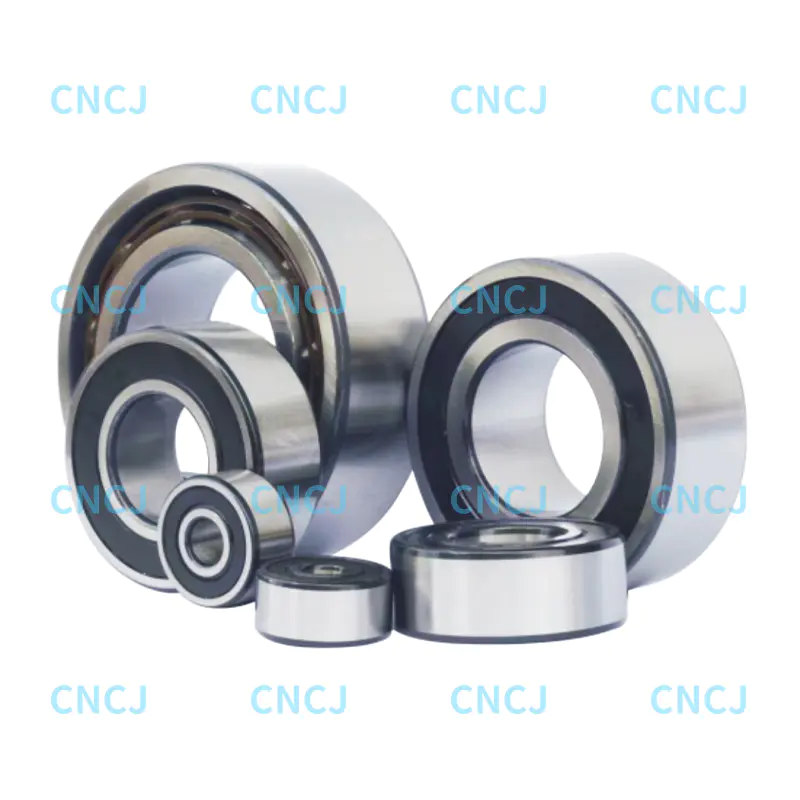
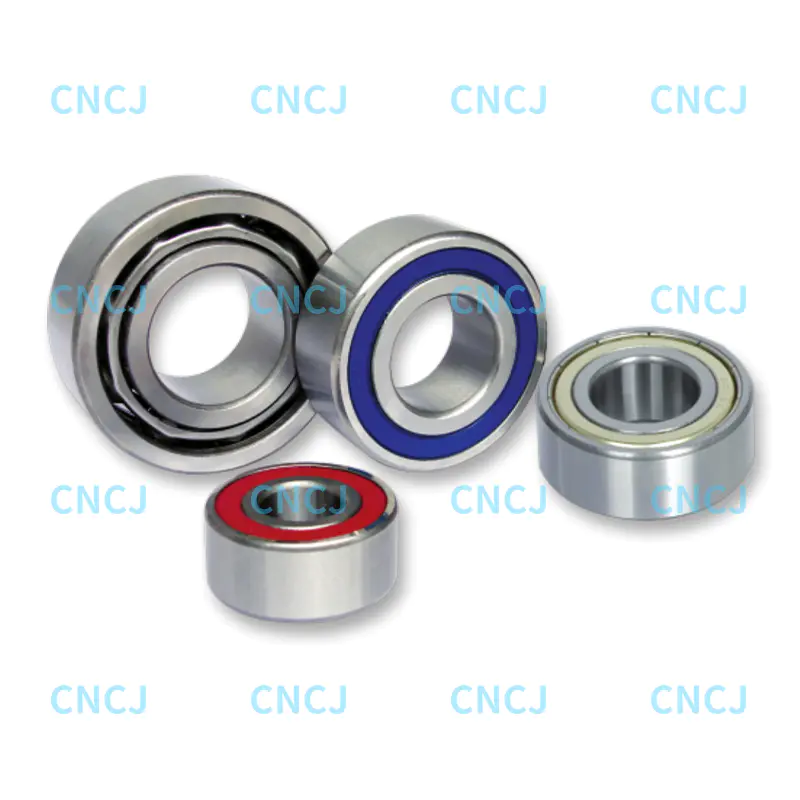
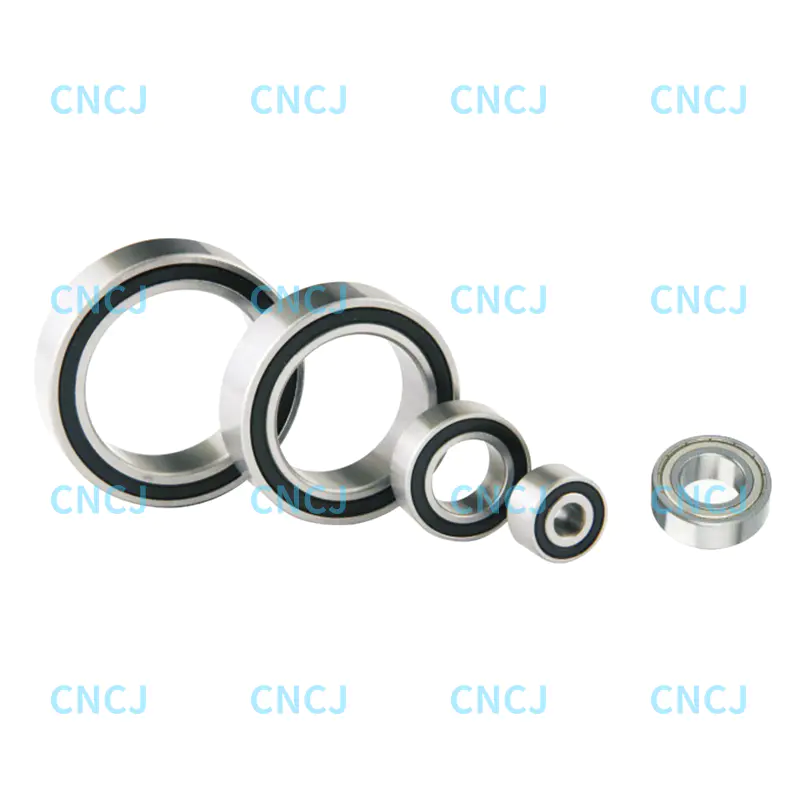
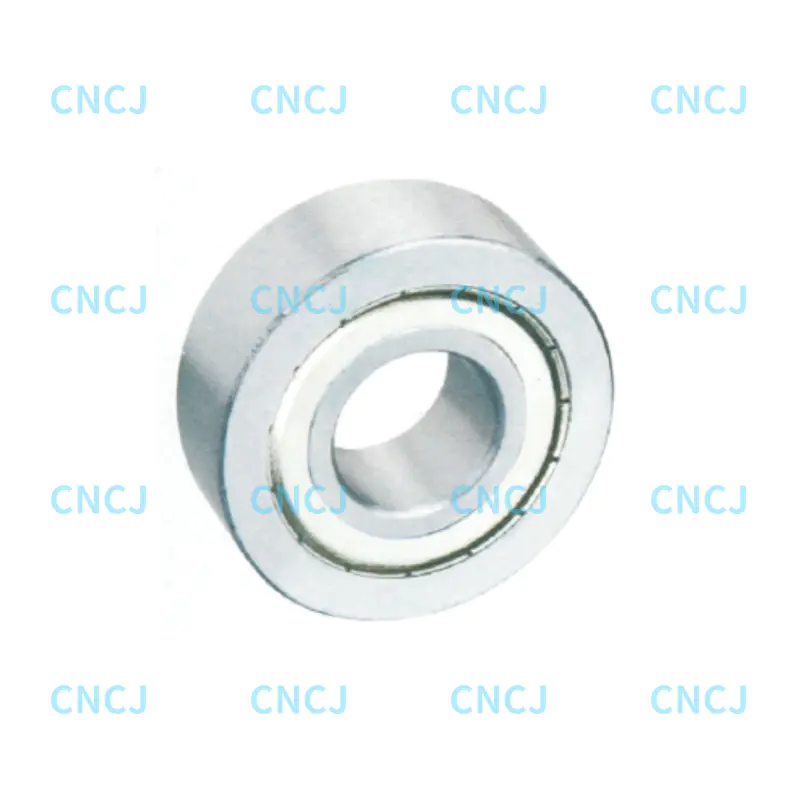
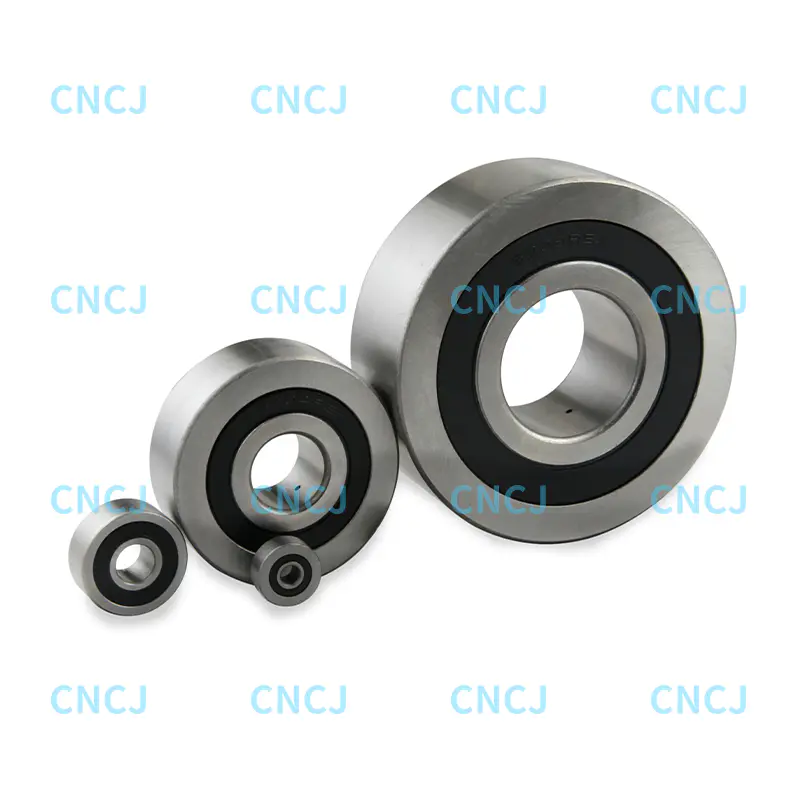
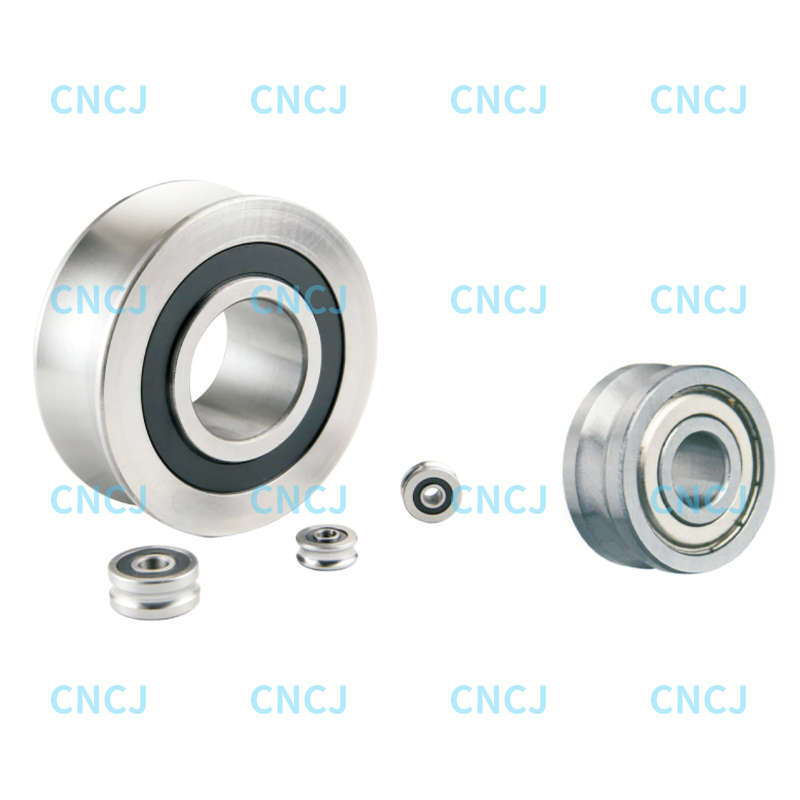
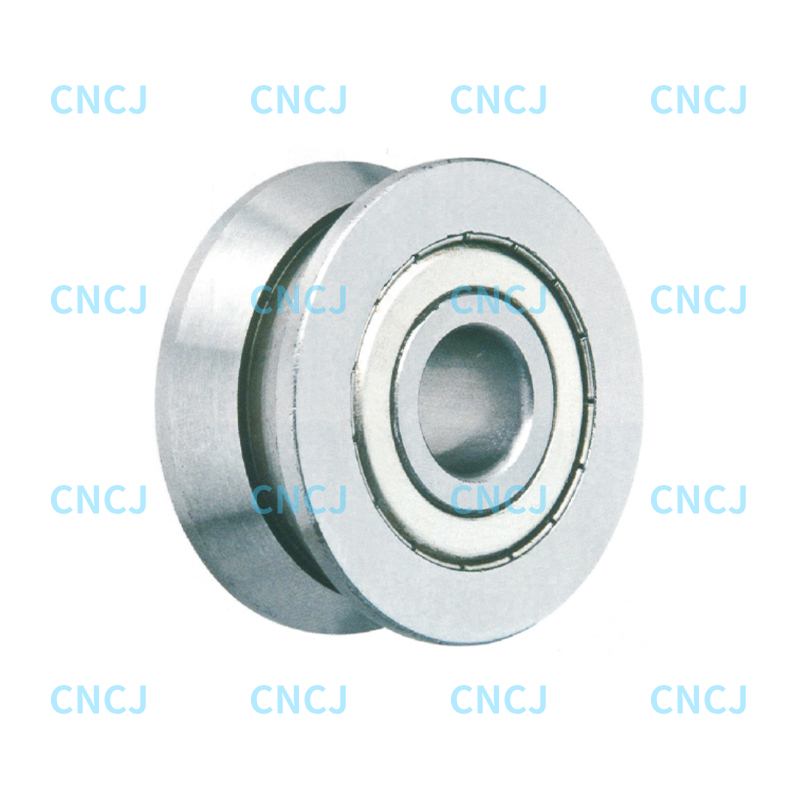
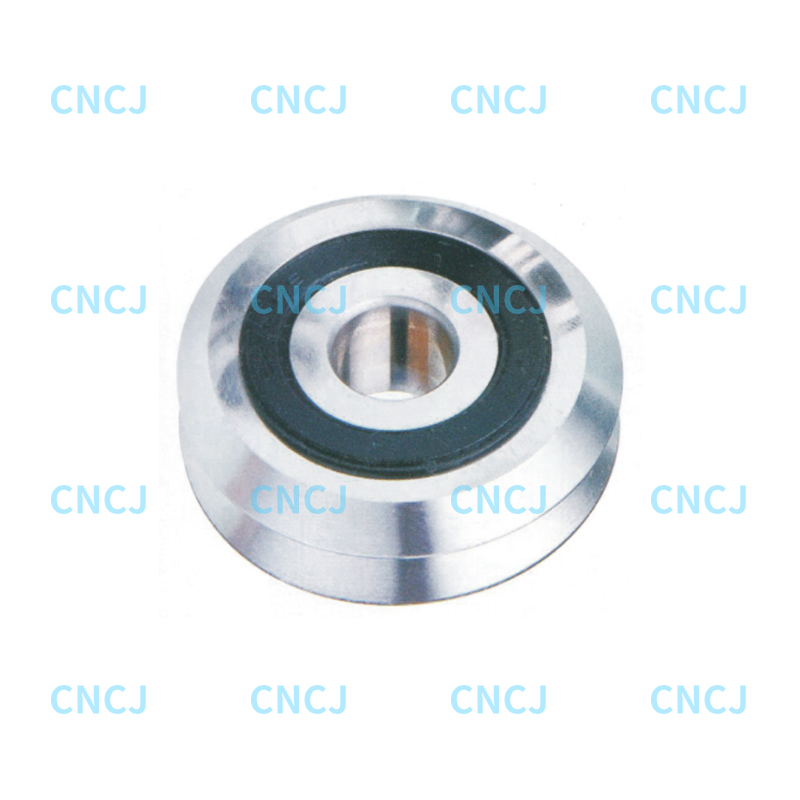
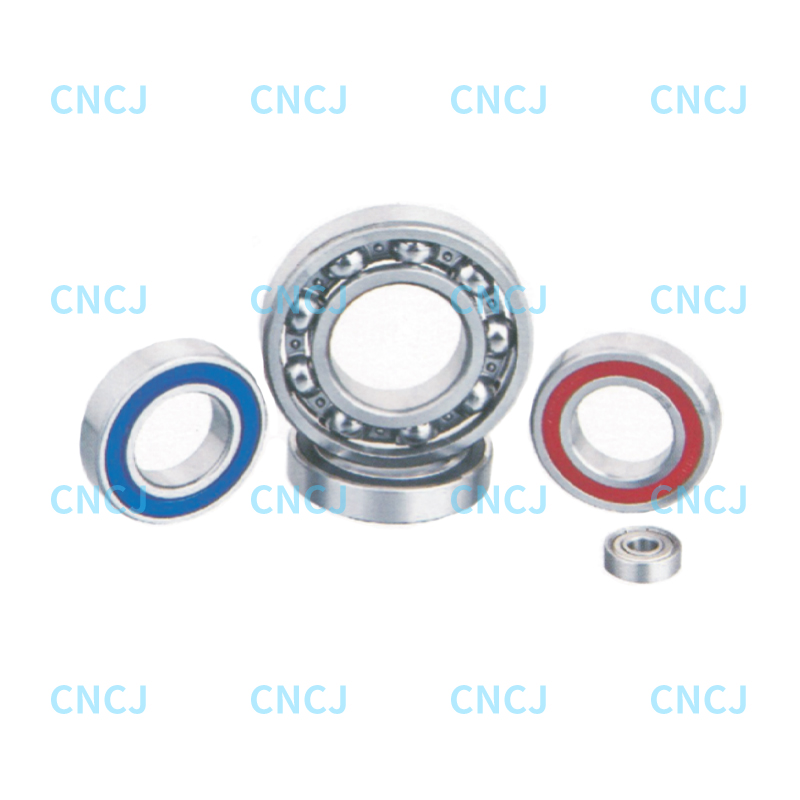
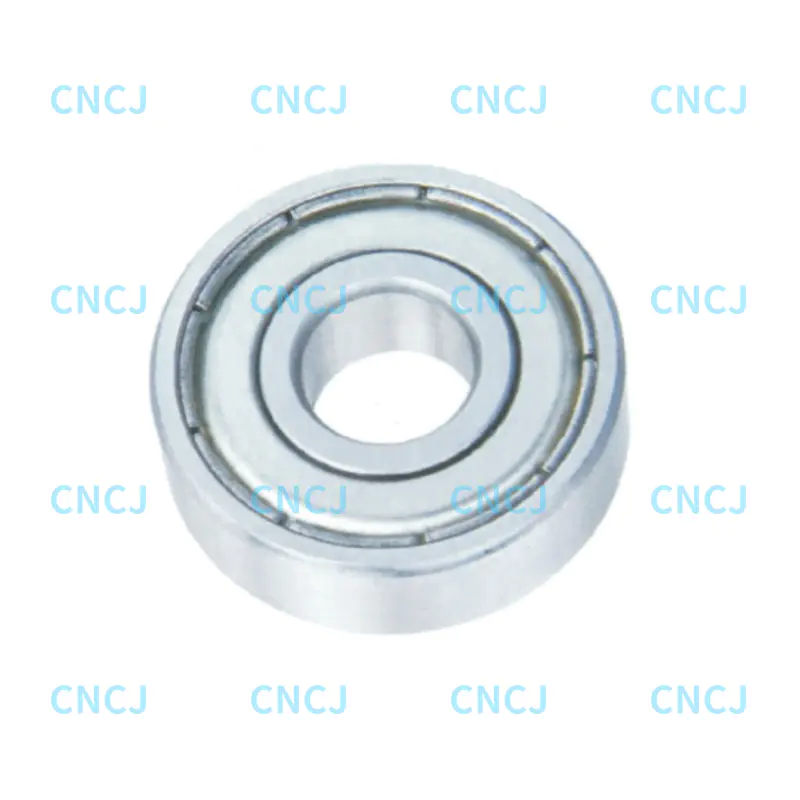
Choosing the right double row ball bearing comes down to matching load capacity, rotational speed requirements, sealing type, and precision class to the specific machinery application, rather than selecting based on bore size alone. Since double row ball bearings are designed to handle greater radial and moderate axial loads than single row equivalents, buyers need to evaluate the actual force conditions the bearing will experience in service, including any combined loading, misalignment tolerance, and expected operating speed. Bearing engineering references commonly used in mechanical design note that selecting an undersized bearing for the actual load condition is one of the most frequent causes of premature failure, making accurate load calculation the single most important step in the selection process before considering secondary factors like sealing or lubrication.
Calculating Load Requirements Accurately
Before comparing specific bearing models, establishing the actual radial and axial load conditions the bearing will experience is the foundational step that determines which size and configuration options are even viable candidates.
Key Load Calculation Factors
- Static load capacity, relevant for bearings experiencing load while stationary or at very low speed
- Dynamic load rating, which determines expected fatigue life under continuous rotating operation
- Combined radial and axial load conditions common in gearboxes, pumps, and rotating machinery applications
A properly selected Double Row Ball Bearing should have a dynamic load rating that comfortably exceeds the calculated operating load with an appropriate safety margin, rather than being sized to the minimum theoretical requirement without accounting for real-world load variation.
Matching Bearing Size to Shaft and Housing Dimensions
Beyond load capacity, the bearing's physical dimensions must correctly match the shaft bore diameter and housing bore requirements of the specific application being designed or serviced.
Key Dimensional Considerations
| Dimension |
Why It Matters |
| Bore diameter |
Must match the shaft diameter within specified fit tolerances |
| Outer diameter and width |
Must fit within the available housing space without modification |
Verifying these dimensions against existing equipment drawings or physical measurements before ordering helps avoid costly installation delays caused by incorrectly sized replacement bearings that do not fit the intended housing or shaft configuration.
Selecting the Right Sealing and Shielding Option
Environmental exposure conditions significantly influence which sealing configuration will provide the best protection against contamination while maintaining adequate lubrication retention over the bearing's service life.
Common Sealing Options
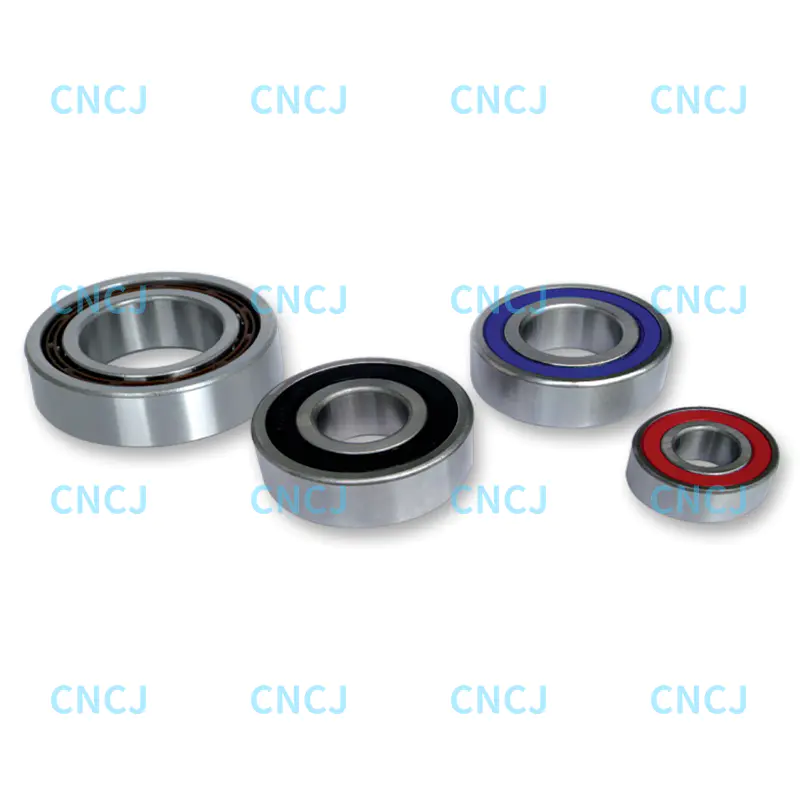
- Open bearings, suited to clean, controlled environments where external contamination risk is minimal
- Shielded bearings, offering basic protection against larger debris while allowing some airflow
- Sealed bearings, providing the highest protection against dust, moisture, and contaminants in harsher operating environments
Facilities operating equipment in dusty, humid, or washdown environments should prioritize sealed bearing configurations, since inadequate sealing is a common contributor to premature bearing failure from contamination-related wear in these conditions.
Considering Rotational Speed Requirements
Operating speed directly affects bearing selection, since different internal designs and lubrication approaches are better suited to high-speed applications compared to slower, heavier-load operating conditions.
Speed-Related Selection Factors
Bearings intended for higher rotational speeds typically require more precise manufacturing tolerances and appropriate lubrication viscosity to prevent excessive heat generation, while lower-speed, higher-load applications can generally tolerate broader manufacturing tolerances without compromising performance.
Checking Maximum Speed Ratings
Manufacturers publish maximum reference speed ratings for each bearing model, and confirming the intended application's operating speed falls comfortably within this rating helps prevent premature heat-related degradation of the lubrication and internal components.
Evaluating Precision Class for the Application
Precision class affects dimensional accuracy and rotational smoothness, and selecting the appropriate class depends on how critical tight tolerances are for the specific machinery application being designed.
Why Precision Class Matters
- Standard precision classes are generally adequate for general industrial machinery and equipment
- Higher precision classes support applications requiring tighter rotational accuracy, such as precision instruments or high-speed spindles
- Overspecifying precision class beyond application requirements increases cost without providing meaningful performance benefit
Matching precision class to actual application requirements, rather than defaulting to the highest available option, helps balance performance needs against reasonable procurement cost across a facility's full range of bearing applications.
Assessing Lubrication Requirements
Proper lubrication selection directly affects bearing performance and service life, with the right choice depending on operating temperature, speed, and maintenance accessibility for the specific installation.
Grease Versus Oil Lubrication
Grease lubrication is widely used for standard industrial applications due to its simplicity and long-term retention within the bearing assembly, while oil lubrication systems are often preferred for higher-speed applications requiring more effective heat dissipation to maintain stable operating temperatures.
Relubrication Interval Planning
For sealed bearings with factory-applied lubrication, confirming the expected service interval before relubrication or replacement becomes necessary helps facilities plan maintenance schedules accurately around the bearing's designed lubrication life.
Verifying Manufacturer Quality and Documentation
Beyond technical specifications, confirming the manufacturing quality and available documentation for a specific bearing supplier helps ensure consistent, reliable performance across production batches.
Quality Indicators to Look For
| Quality Factor |
Why It Matters |
| Dimensional tolerance consistency |
Ensures reliable fit and performance across multiple units |
| Material certification documentation |
Confirms steel quality meets stated load and fatigue performance specifications |
Requesting material certification and dimensional testing data for a Double Row Ball Bearing intended for critical machinery applications helps buyers confirm the product meets the performance standards required for reliable, long-term operation.
Who Should Prioritize Which Selection Criteria
Engineers designing new machinery should prioritize accurate load calculation and precision class selection from the earliest design stages, since these decisions are more difficult to revise once equipment is built. Maintenance teams sourcing replacement bearings for existing equipment should focus primarily on confirming exact dimensional match and appropriate sealing type for the operating environment, ensuring the replacement performs reliably under the same conditions the original bearing was designed to handle.
 English
 中文简体
中文简体 Deutsch
 Español