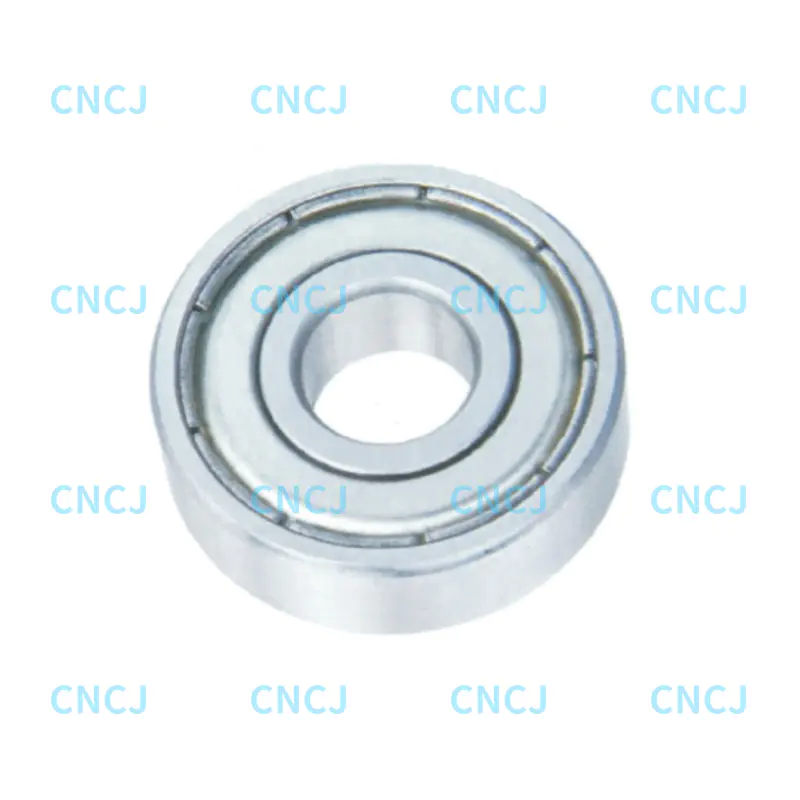
A conveyor drive at a foundry ran for eight months before the bearings failed. The original setup used rubber lip seals that pressed against the shaft. Abrasive dust worked its way under the lip, wore a groove into the shaft, and eventually contaminated the grease. Maintenance replaced the bearings twice before switching to a non contact labyrinth seal. The new seal had no rubbing parts, so it did not wear the shaft, and the tortuous path kept most of the dust out. That change extended bearing life to over three years.
Non contact labyrinth seals are not a universal fix. They work best when you need low friction, high speed, or long service life in a dirty but relatively dry environment. This article explains how they function, what design details matter, and where they fit in bearing selection.
What a Non Contact Labyrinth Actually Does
A labyrinth seal creates a long, winding gap between the rotating shaft and the stationary housing. Instead of a single straight clearance, the path zigzags through a series of grooves and ridges. Contaminants like dust, grit, or water mist must travel that path to reach the bearing. Each turn forces particles to change direction, and many drop out or lose momentum before they get through.
Because there is no physical contact between the seal parts, there is no sliding friction and no wear. That is the core advantage. It also means the seal does not generate heat, so it does not limit shaft speed the way a lip seal does. The trade off is that a labyrinth is not completely tight. It allows a small amount of leakage, and it cannot hold back a flood of liquid or fine powder under pressure. Think of it as a strong deterrent rather than an absolute barrier.
Why Bearings Benefit from Non Contact Labyrinth Seals
Bearings fail for two main reasons: loss of lubrication and contamination. Contact seals address contamination but add drag and wear. Labyrinth seals address contamination without those penalties. In practice, that means:
- Lower friction torque, which reduces power loss and heat generation.
- Higher permissible speed, often limited by bearing cage or lubrication rather than the seal.
- No elastomer to harden, crack, or swell, so the seal works over a wide temperature range.
- No rubbing wear, so maintenance intervals can be longer.
These benefits matter most in high speed motors, gearboxes, pumps, and rollers that run in dusty plants. They also matter in applications where the shaft surface cannot be hardened or where a lip seal would score the shaft.
Design Details That Determine Performance
A non contact labyrinth is only as good as its dimensions. Radial clearance is the most critical. Too tight, and the rotor may touch the stator during thermal growth or vibration. Too loose, and the seal loses effectiveness. For small and medium bearings, a radial clearance of 0.1 mm to 0.3 mm is common. Larger bearings may use 0.3 mm to 0.5 mm. Axial clearance should allow for thermal expansion without closing the gap.
The number of grooves also matters. A single groove helps, but three to five stages are typical for demanding environments. More stages mean a more tortuous path, but they also require more axial space. Groove shape can be square, triangular, or rounded. Square grooves are easier to machine and work well in most cases.
Material choice depends on the environment. Aluminum is light and easy to machine but can corrode in wet or chemical settings. Brass and stainless steel resist corrosion better. Some designs use polymer or PTFE inserts to reduce the chance of shaft damage if contact occurs.
Table 1: Comparison of common bearing sealing methods for rotating equipment.
| Feature |
Non Contact Labyrinth |
Contact Lip Seal |
Metal Shield (ZZ) |
| Friction |
Very low |
Moderate to high |
Low |
| Maximum speed |
Very high |
Limited by lip speed |
High |
| Dust exclusion |
Good for dry dust |
Very good |
Fair |
| Water resistance |
Poor to fair |
Good |
Poor |
| Wear on shaft |
None |
Can wear a groove |
None |
| Typical cost |
Higher |
Low |
Low |
Where Non Contact Labyrinth Seals Fit and Where They Do Not
Use a labyrinth when the environment is dusty, the speed is high, and liquid exposure is minimal or can be drained away. Typical examples include electric motors, gearboxes, conveyor pulleys, fans, blowers, and track rollers in industrial automation. They also work well in steel mills and paper machines where heat and speed make contact seals impractical.
Avoid a labyrinth when the bearing is submerged, exposed to washdown with high pressure water, or running at very low speed where a contact seal is simple and effective. Also avoid it if the available space is too small for a proper number of grooves. In those cases, a lip seal or a combination seal may be the better choice.
Selecting Bearings for Labyrinth Sealing
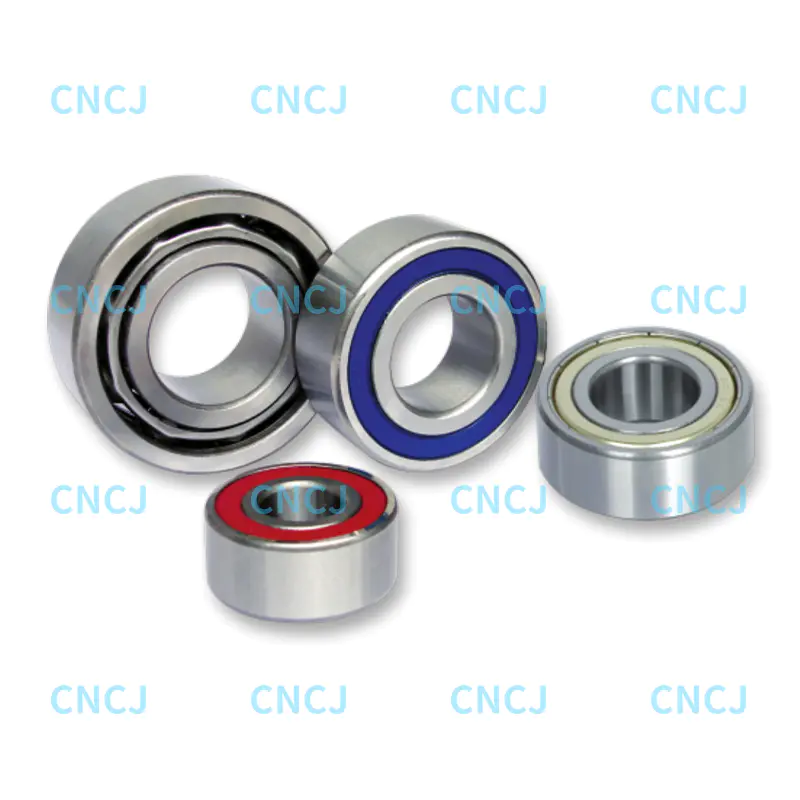
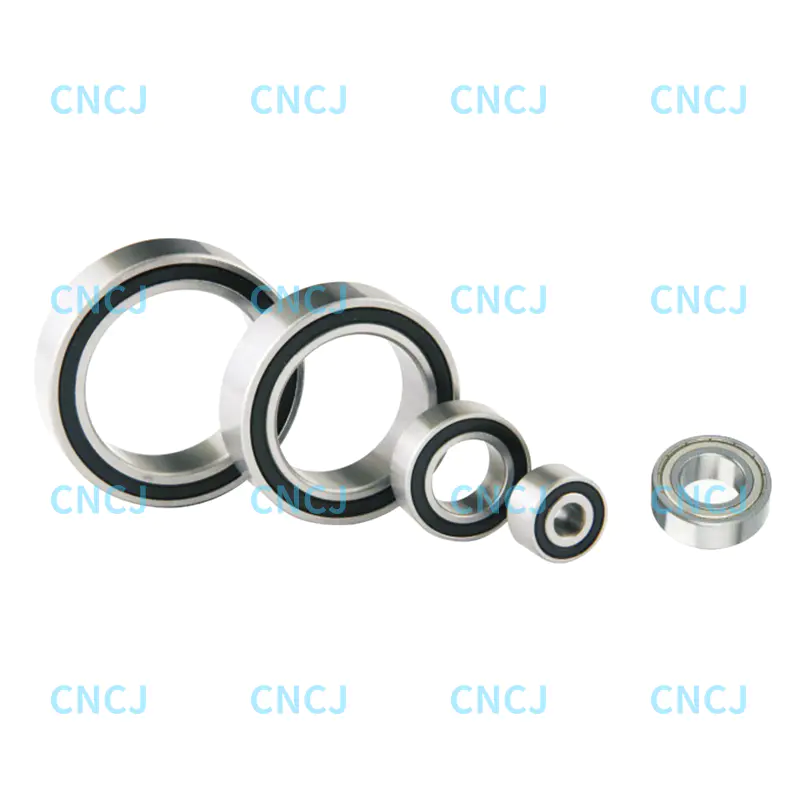
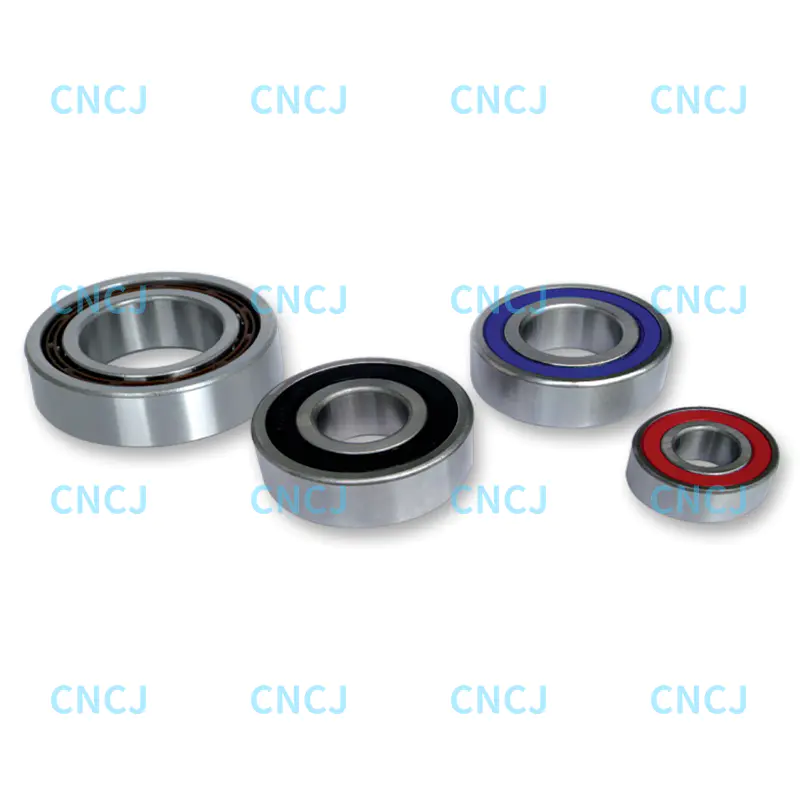
Many standard bearings can be used with a non contact labyrinth, but the housing and shaft must be designed for it. Deep groove ball bearings are a common choice because they handle radial and moderate axial loads and are available in sizes that fit labyrinth housings. For higher axial loads or combined loads, double row angular contact ball bearings offer a wider contact angle and better stiffness. Track rollers and linear guide rollers often use labyrinth seals because they run in dirty, high speed linear motion systems.
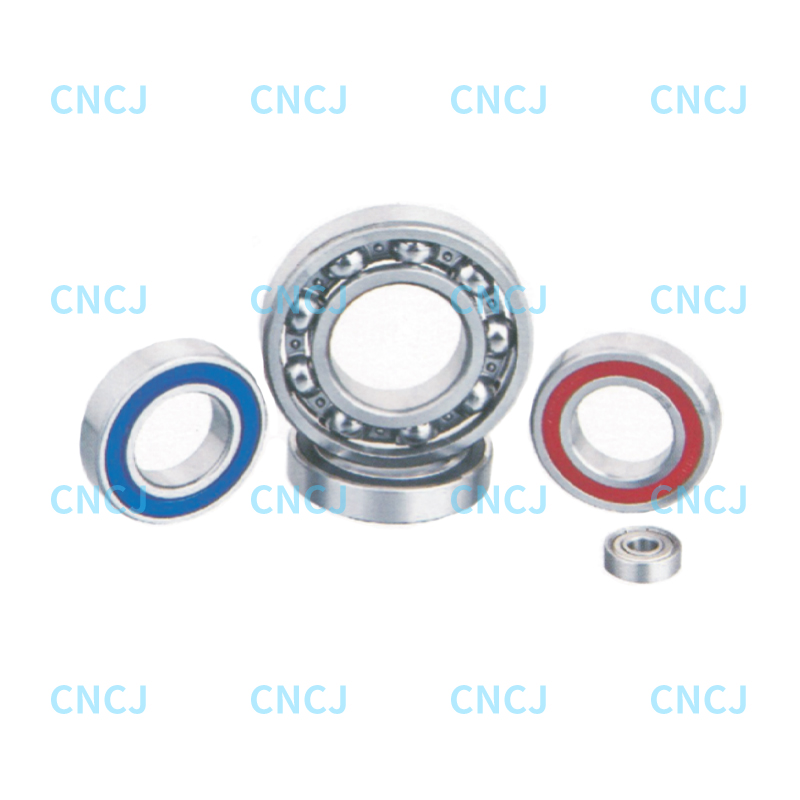 Deep Groove Ball Bearings for Labyrinth Seal DesignsExplore this bearing category when selecting standard bearings for non-contact labyrinth seals, with 42 and 43 series options for radial and moderate axial loads.View Product →
When you specify a bearing, decide whether the labyrinth will be integrated into the bearing or into the housing. Integrated seals save space but are replaced with the bearing. Housing seals can be serviced separately and may be more economical for large equipment. In both cases, the bearing bore and outside diameter tolerances must match the seal carrier. A runout of more than 0.05 mm can cause uneven clearance and reduce seal life.
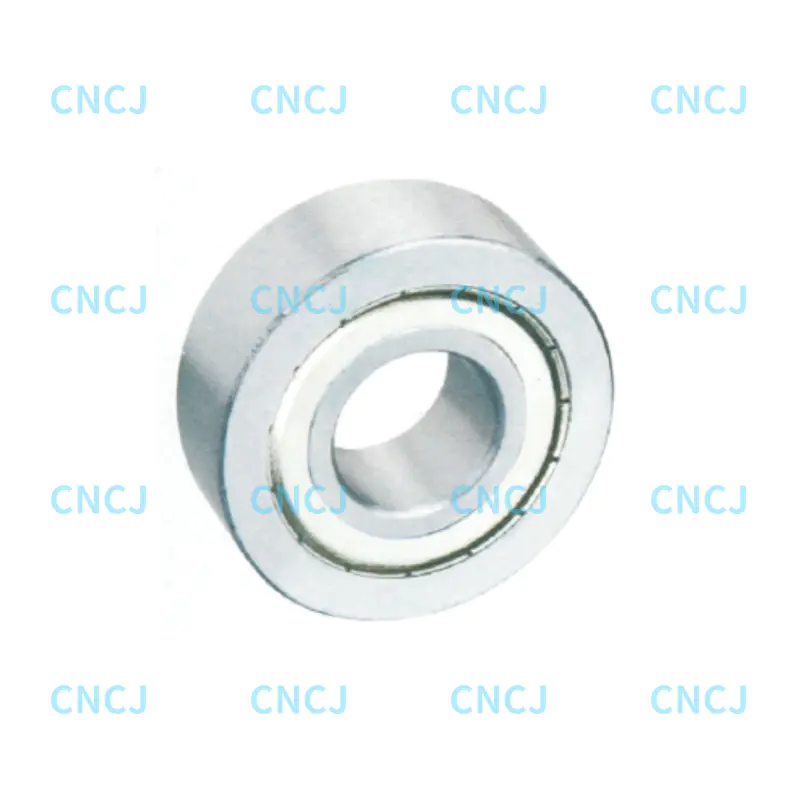
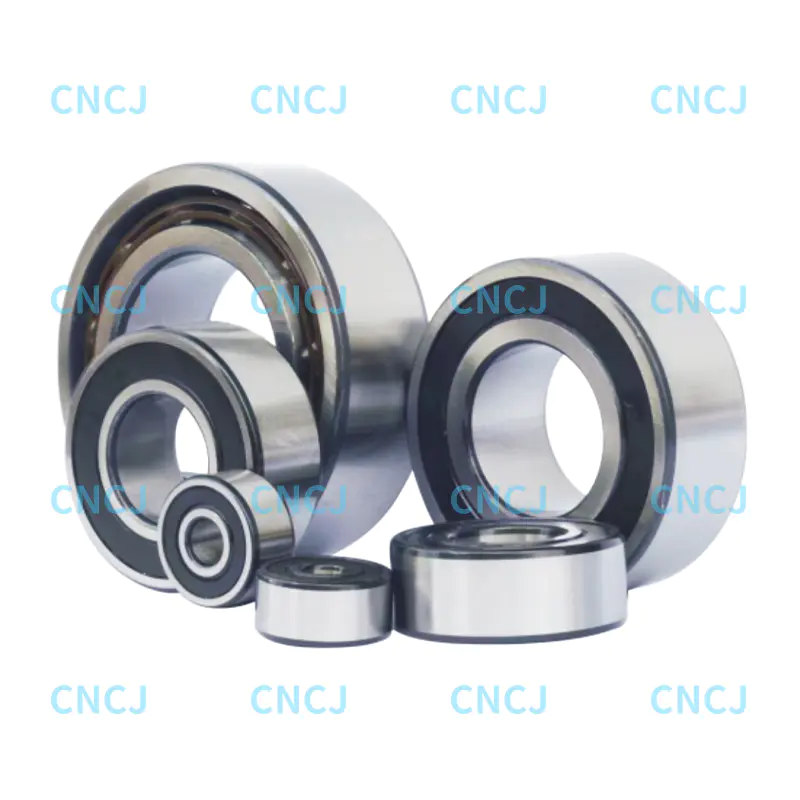 32, 33 Series Double Row Angular Contact Ball BearingsThis 32/33 series supports large radial and axial loads with high rigidity, suiting machine tool spindles, automotive components, and precision instruments.View Product →
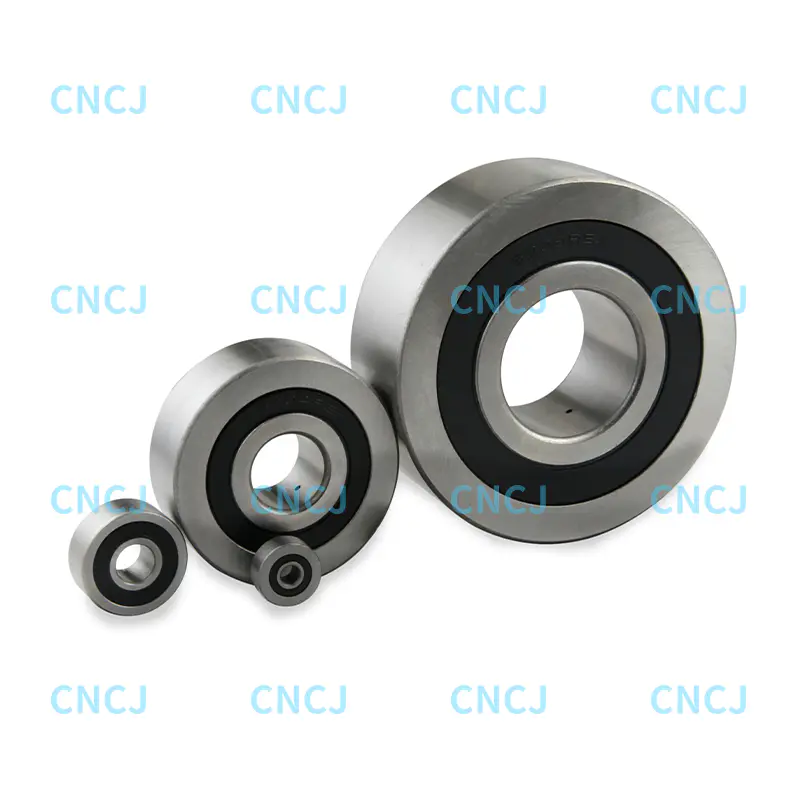
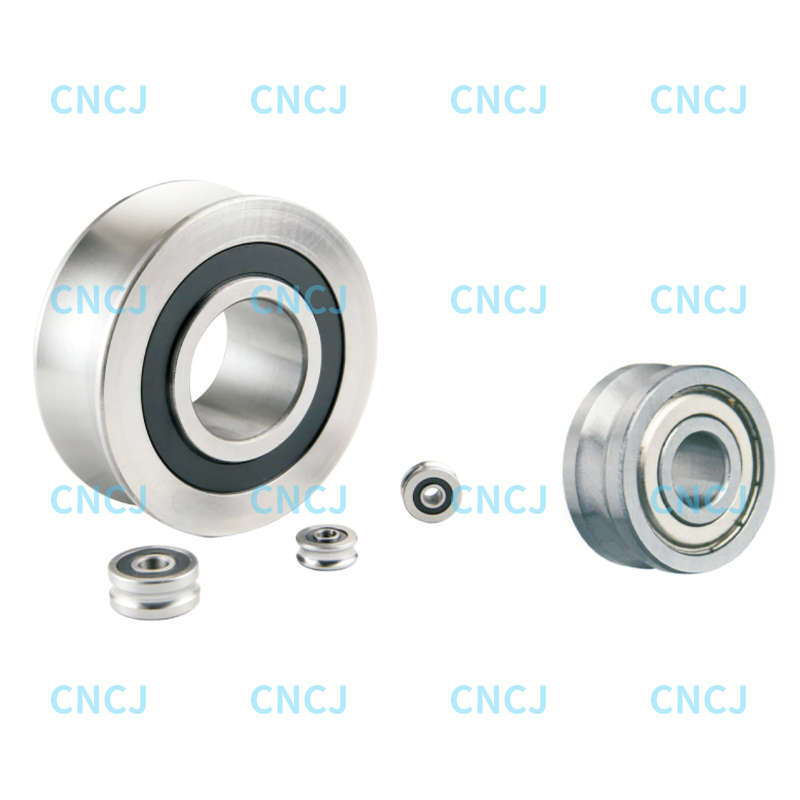
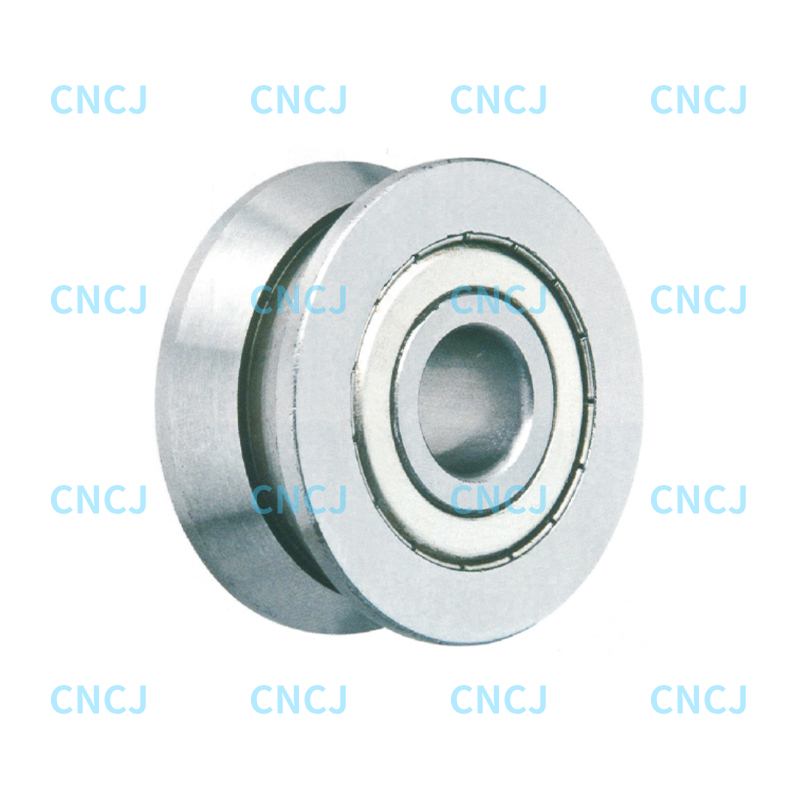
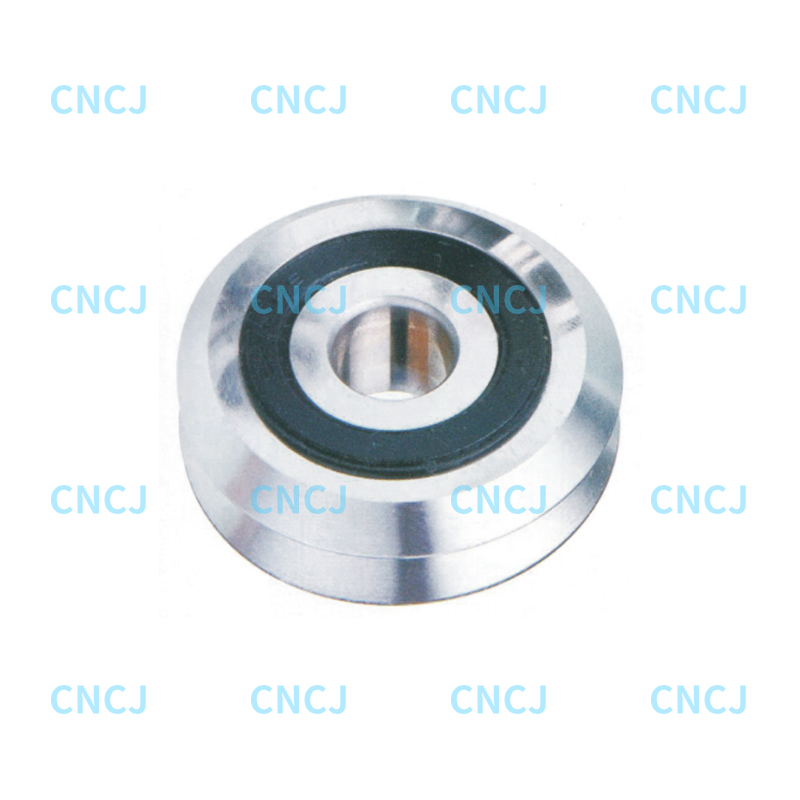
For track rollers and linear motion, the seal design often includes a metal labyrinth that shields the rolling elements from chips and dust. These rollers are used in machine tools, automated storage systems, and packaging lines. A non contact labyrinth helps them maintain smooth motion without the friction of a lip seal.
LFR Gothic Arch Groove Track RollersThese LFR track rollers use a Gothic arch groove for stress dispersion, stable high-speed or heavy-load running, and smooth linear motion in automation systems.View Product →
If you need application specific guidance, the article on choosing the right track roller bearing covers load, speed, and sealing trade offs in more detail.
Installation and Maintenance Practices
Even a well designed labyrinth can fail if it is installed poorly. Follow these steps:
- Clean the shaft, housing, and seal components before assembly. A single grain of sand can hold the seal open.
- Check radial and axial clearances with a feeler gauge or dial indicator. Record the values for future reference.
- Apply a light film of compatible grease to the labyrinth grooves to help trap dust during the first hours of operation.
- Ensure drain holes are open and point downward. Trapped liquid can flood the seal.
- After the first 100 hours, inspect the seal for wear or rubbing marks. Adjust alignment if needed.
During routine maintenance, do not spray high pressure water directly at the labyrinth. Use a soft brush or low pressure air to remove dust. If the seal is integrated into the bearing, replace the bearing when the seal is damaged.
Common Mistakes to Avoid
- Setting clearance too tight to improve sealing. This causes rubs, heat, and premature failure.
- Ignoring thermal growth. A shaft that grows 0.2 mm at operating temperature can close a cold clearance.
- Using a labyrinth in a flooded application. It will leak.
- Mixing grease types. Some greases separate and block the labyrinth path with oil or thickener.
- Forgetting a drain. Without drainage, water and oil can fill the grooves and carry contaminants inward.
Each of these issues is easy to prevent with a simple design review and a few measurements during assembly.
A non contact labyrinth seal is a practical way to protect bearings in high speed, dusty, or high temperature applications. It will not replace a contact seal in wet or submerged conditions, but where it fits, it reduces friction, avoids shaft wear, and extends bearing life. The key is to treat clearance, groove count, material, and drainage as a system rather than isolated details. When those elements match the application, the seal does its job quietly and for a long time.
 English
 中文简体
中文简体 Deutsch
 Español