Introduction to LR Series Track Rollers: Precision in Linear Guidance
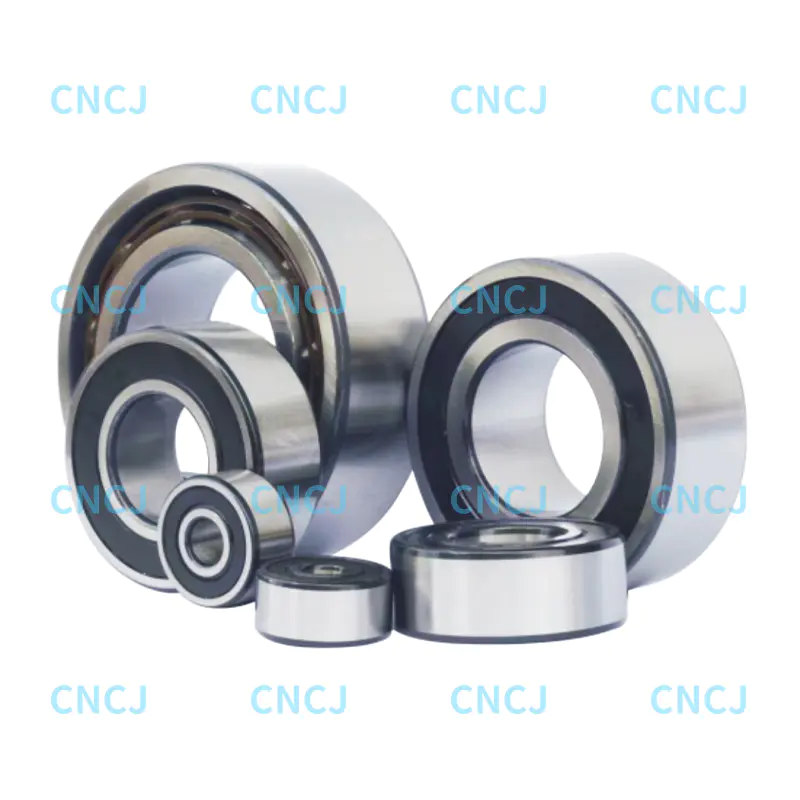
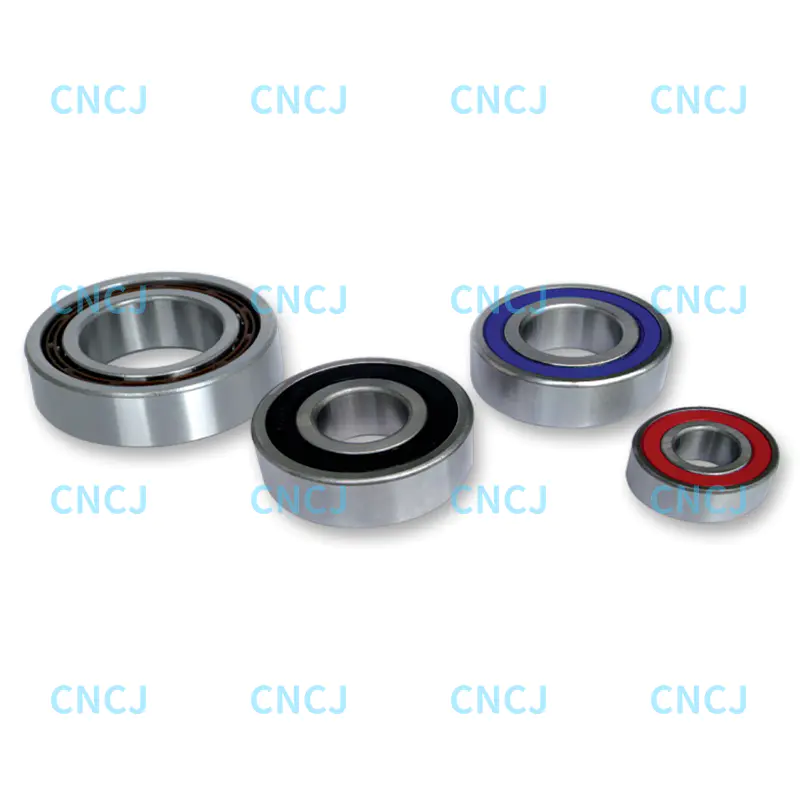
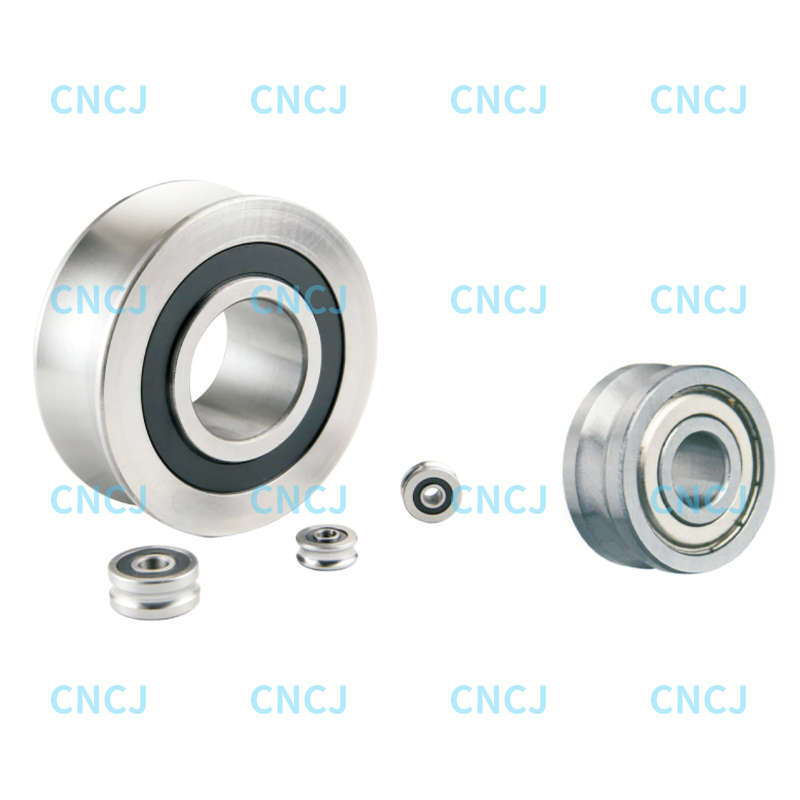
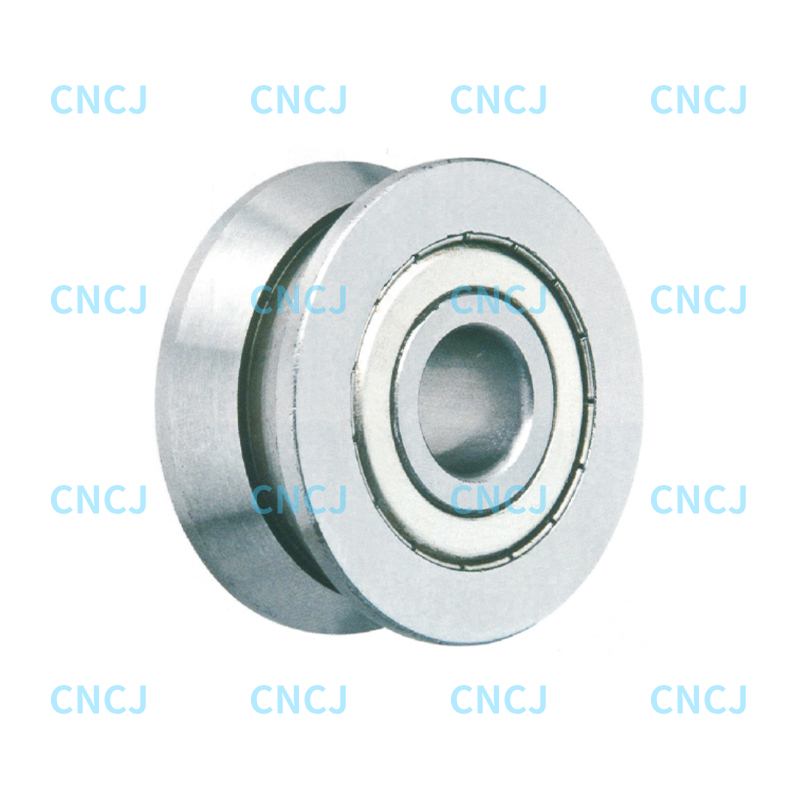
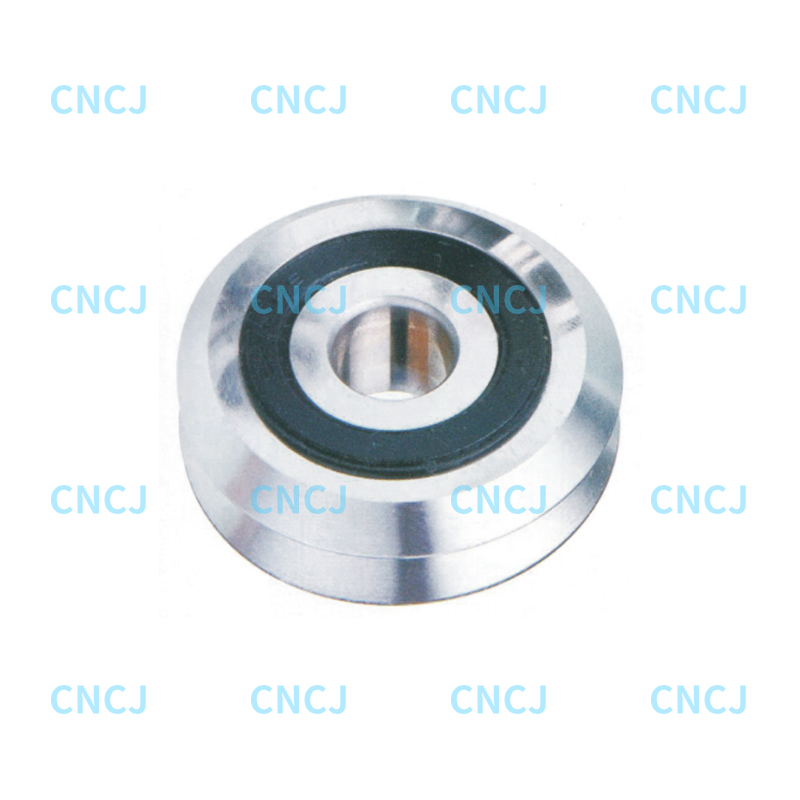
In the world of mechanical engineering and industrial automation, the LR series track roller represents a specialized class of ball bearings designed to run on all types of tracks. These components are critical for applications requiring high load-carrying capacity and smooth linear movement. Unlike standard deep groove ball bearings, track rollers with cylindrical or crowned outer rings feature a significantly thicker outer ring wall, allowing them to withstand high radial loads while effectively compensating for small misalignments and reducing edge stresses.
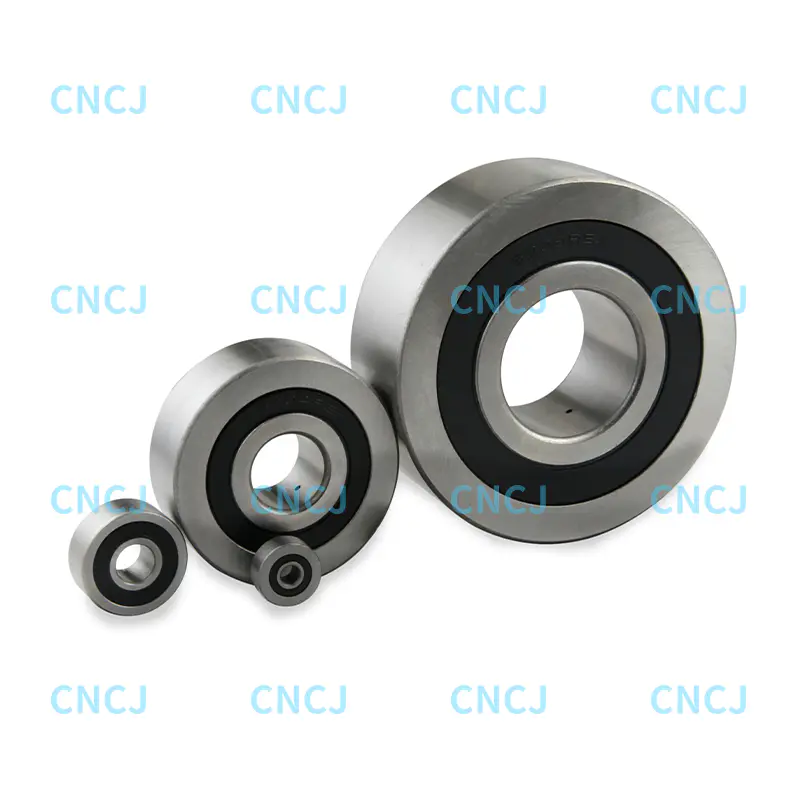
The LR series is engineered with a double-row internal design, similar to angular contact ball bearings, which provides superior stability. This internal geometry allows the roller to support not only heavy radial forces but also axial loads arising from slight misalignments or tilted running. For many engineers, selecting between a cylindrical or crowned profile is the first step in optimizing a machine's guidance system for longevity and performance.
Cylindrical vs. Crowned Outer Rings: Which One Do You Need?
The choice of outer ring profile is a frequent point of concern for buyers. Both designs serve specific functional purposes in industrial environments. Choosing the wrong profile can lead to premature track wear or bearing failure, so understanding the mechanical intent of each is vital for SEO and technical accuracy.
Cylindrical Outer Rings (Suffix X)
Track rollers with a cylindrical outer ring (often designated with the suffix 'X') are designed for applications where the track is perfectly flat and aligned. These provide a larger contact area, which maximizes the radial load distribution. However, they are sensitive to misalignment. If the roller tilts even slightly, "edge loading" occurs, which can significantly shorten the life of both the roller and the rail.
Crowned Outer Rings (Standard LR)
Standard LR series rollers typically come with a crowned (spherical) outer ring. The crown radius (often R=500mm) is engineered to prevent edge stresses if the roller runs at an angle relative to the track. This profile is the superior choice for long tracks where perfectly parallel alignment is difficult to maintain. By shifting the contact point toward the center of the raceway, crowned rollers reduce the "digging" effect on the track surface.
Technical Comparison and Load Specifications
Data-driven selection is key for high-performance machinery. The LR series is often compared to the standard 6000 series ball bearings, but the reinforced outer ring of the LR series provides up to 30% more resistance to deformation under heavy contact pressure. Below is a comparison of typical specifications found in the LR52 and LR53 series commonly used in industry.
Table 1: Comparative Data for LR Series Track Rollers
| Model Series |
Internal Design |
Radial Load Rating |
Typical Suffixes |
| LR2 series |
Single Row |
Moderate |
NPP, RR |
| LR52 series |
Double Row |
High |
2RS, KDD |
| LR53 series |
Double Row (Heavy) |
Very High |
NPPU, X |
Optimizing Lifespan: Sealing and Lubrication
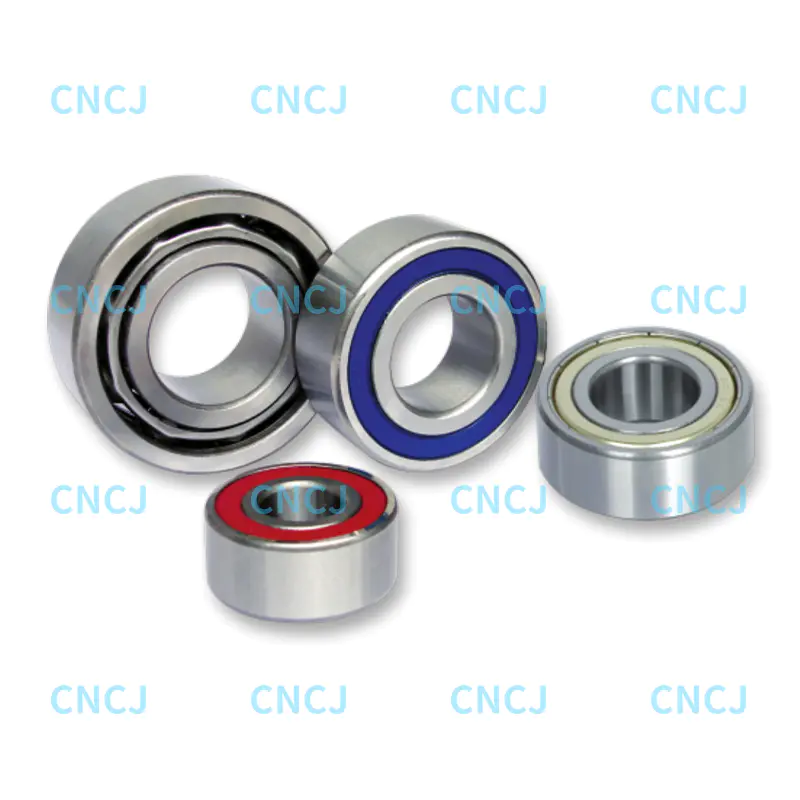
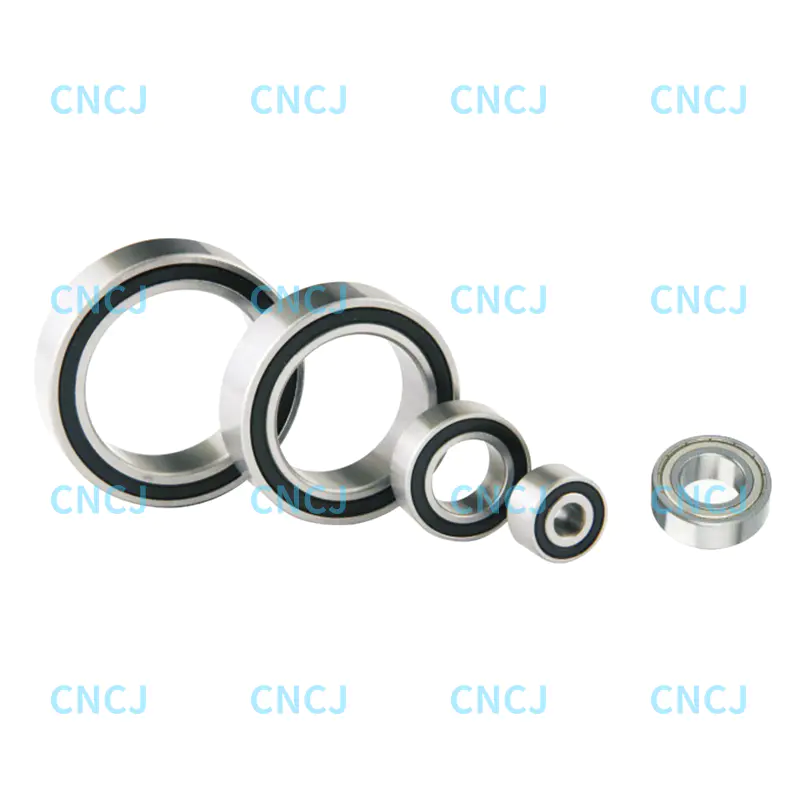
Track rollers are often exposed to harsh environments, including dust, metal chips, and moisture. To ensure a long operational life, effective sealing is mandatory. Most LR series track rollers come equipped with either contact seals (2RS/NPP) or non-contact shields (KDD/ZZ). In heavy-duty logistics or outdoor conveyor systems, NPP contact seals are highly recommended as they provide a physical barrier against contaminants, though they may slightly limit the maximum RPM compared to shielded versions.
Lubrication is another critical factor. These bearings are typically filled with high-quality lithium soap grease at the factory, making them "maintenance-free" under normal conditions. However, in high-cycle applications, the heat generated can degrade the grease. Monitoring the operating temperature (which should generally stay below 120°C for standard steel) is a constructive way to prevent sudden mechanical seizure.
Industrial Applications of LR Track Rollers
Where do you typically find Type LR track rollers? Their versatility makes them a staple in several sectors:
- Logistics and Warehousing: Used in palletizers, sorting systems, and automated storage and retrieval systems (ASRS) for smooth horizontal movement.
- Packaging Machinery: Essential for cam drives and conveyor tracks where high repetition and precision are required.
- Lifting Equipment: Found in mast rollers for forklifts and small cranes where bi-directional thrust needs to be managed.
Common Questions and FAQ (Frequently Asked Questions)
What is the meaning of the "NPP" and "KDD" suffixes in LR rollers?
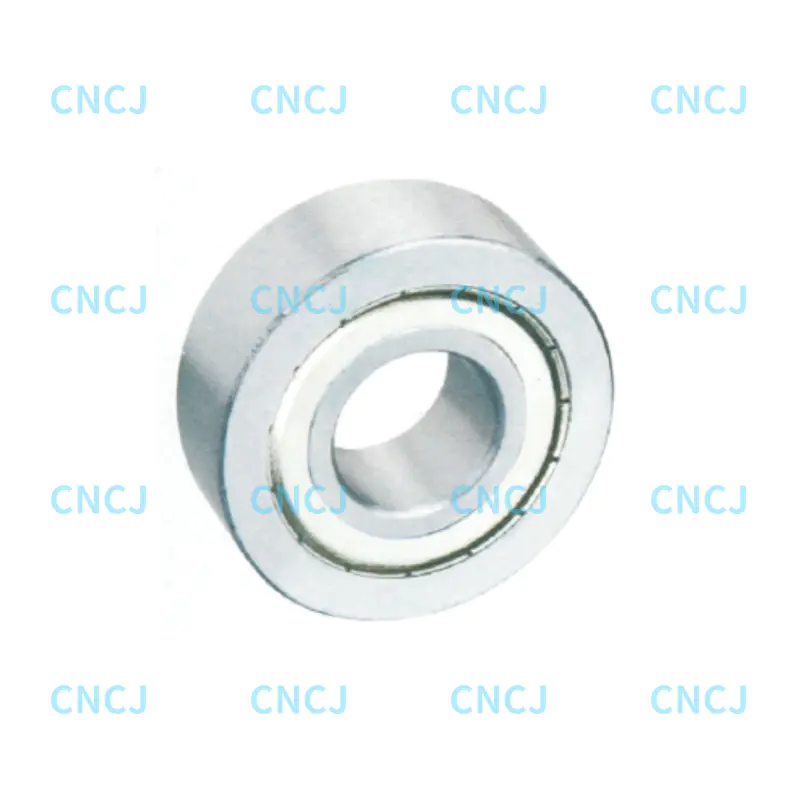
The NPP suffix indicates that the bearing has rubber contact seals on both sides, providing excellent protection against moisture and dust. The KDD (or ZZ) suffix refers to metal shields, which offer lower friction and are better suited for high-speed applications in clean environments.
Can I replace a crowned LR roller with a cylindrical 'X' roller?
Only if your track and shaft are perfectly aligned. If there is any structural deflection or misalignment, replacing a crowned roller with a cylindrical 'X' roller will likely result in increased track wear and a shorter bearing lifespan due to edge stress.
What material are these track rollers made of?
Standard LR track rollers are manufactured from high-carbon chromium bearing steel (GCr15). For food processing or corrosive environments, stainless steel versions (AISI 440C) are available to prevent rust and contamination.
How do I calculate the load capacity for my application?
It is important to differentiate between the basic dynamic load rating (C) and the effective radial load on the track. Because the outer ring is thick, the limiting factor is often the surface strength of the track rather than the internal bearing capacity. Always check the "Track Strength" data provided by the manufacturer.
 English
 中文简体
中文简体 Deutsch
 Español