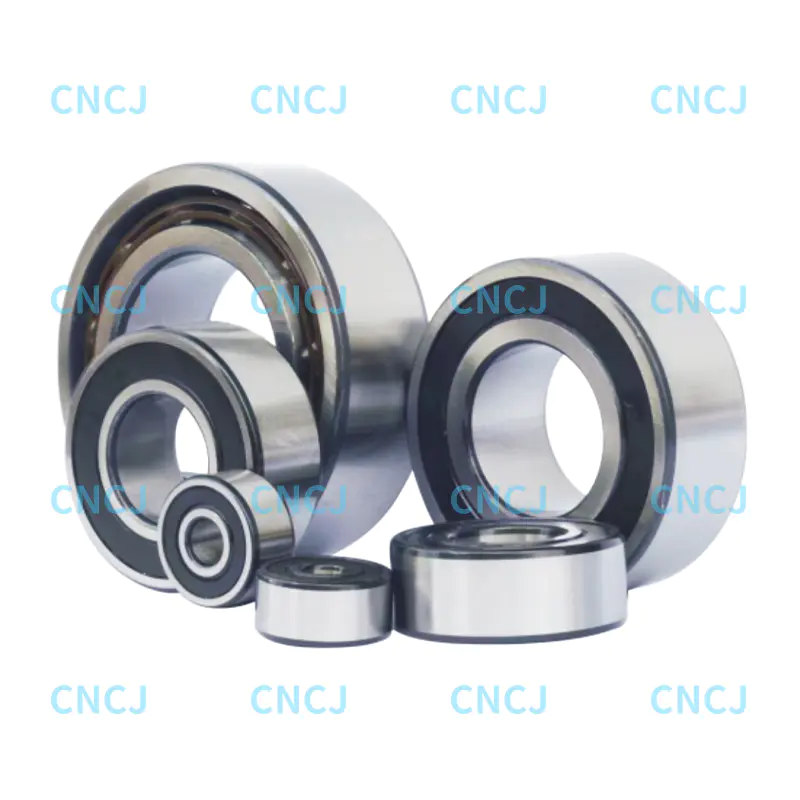
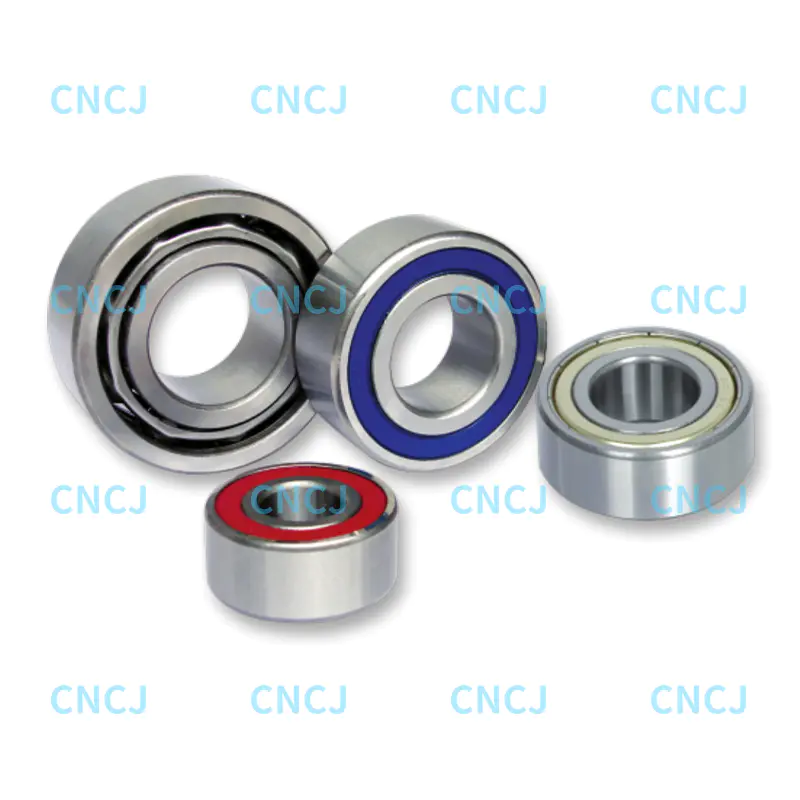
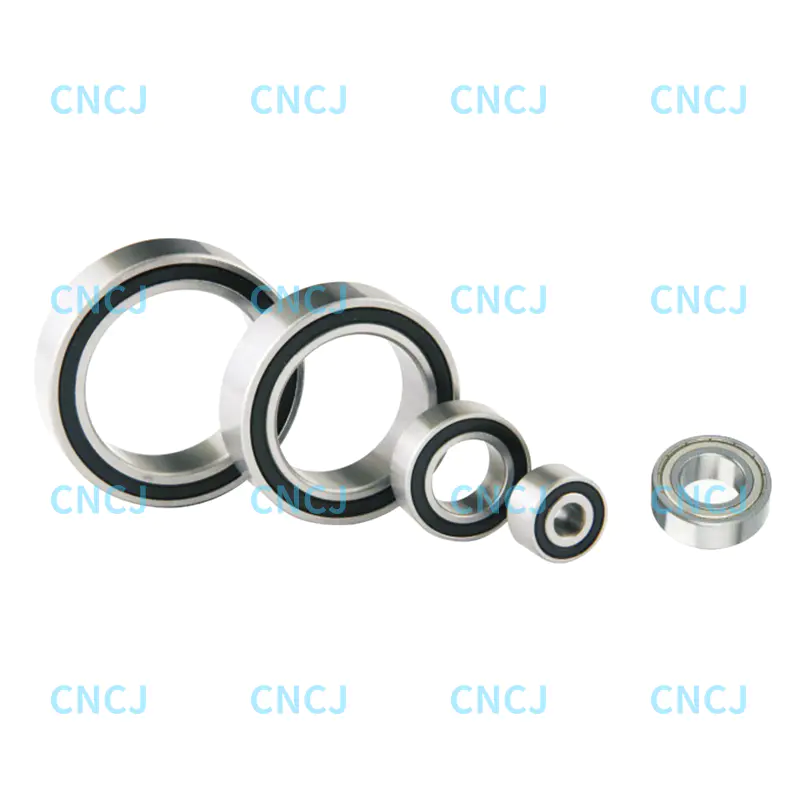
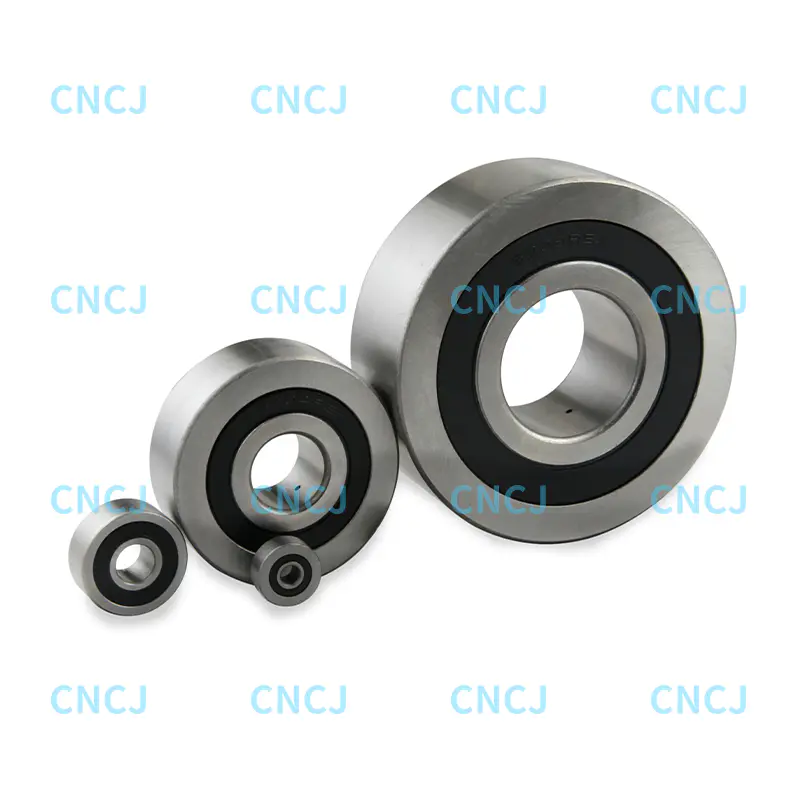
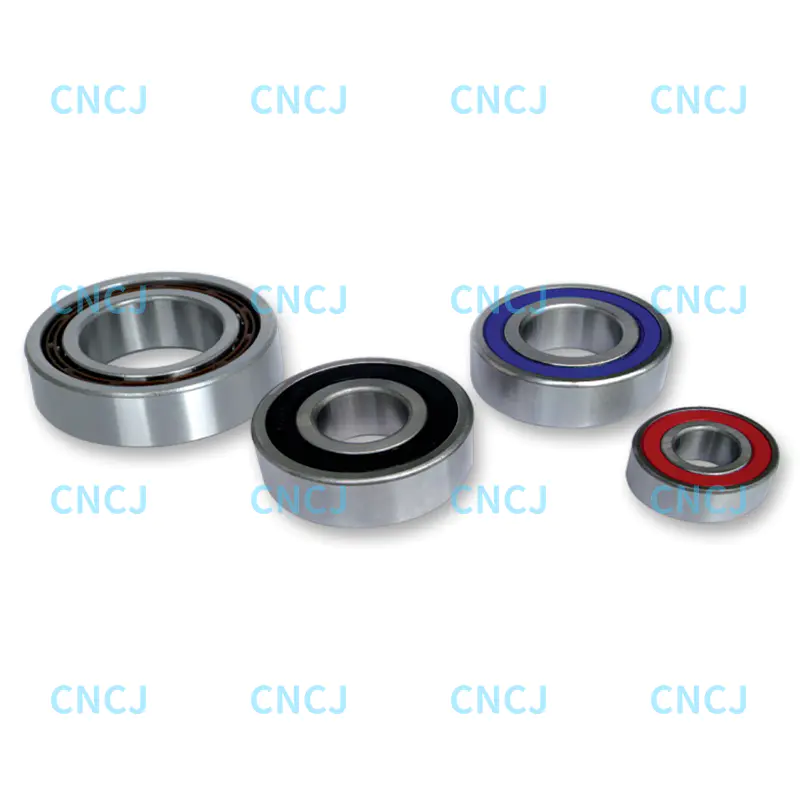
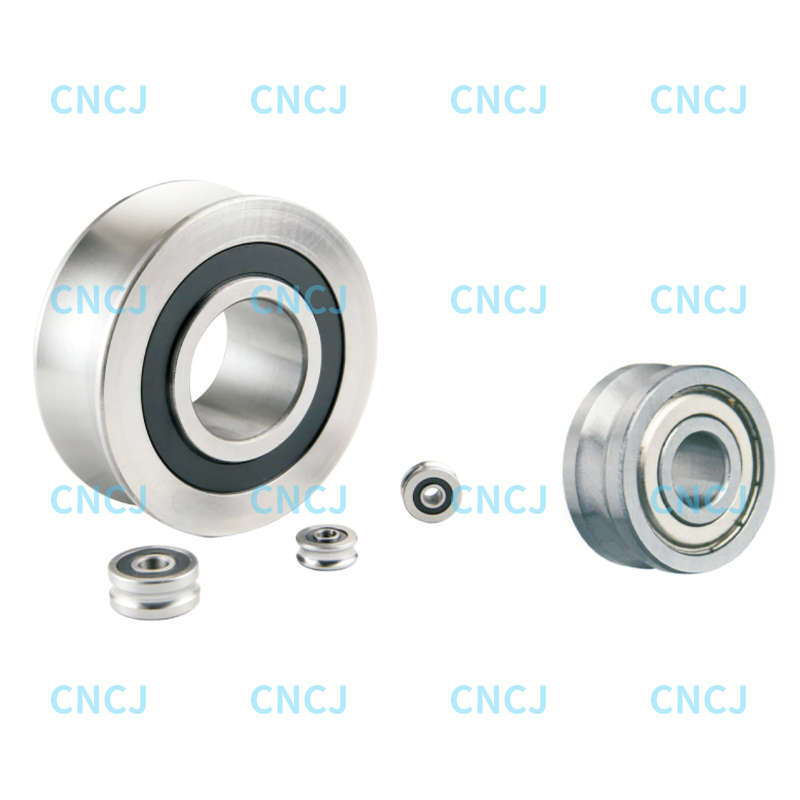
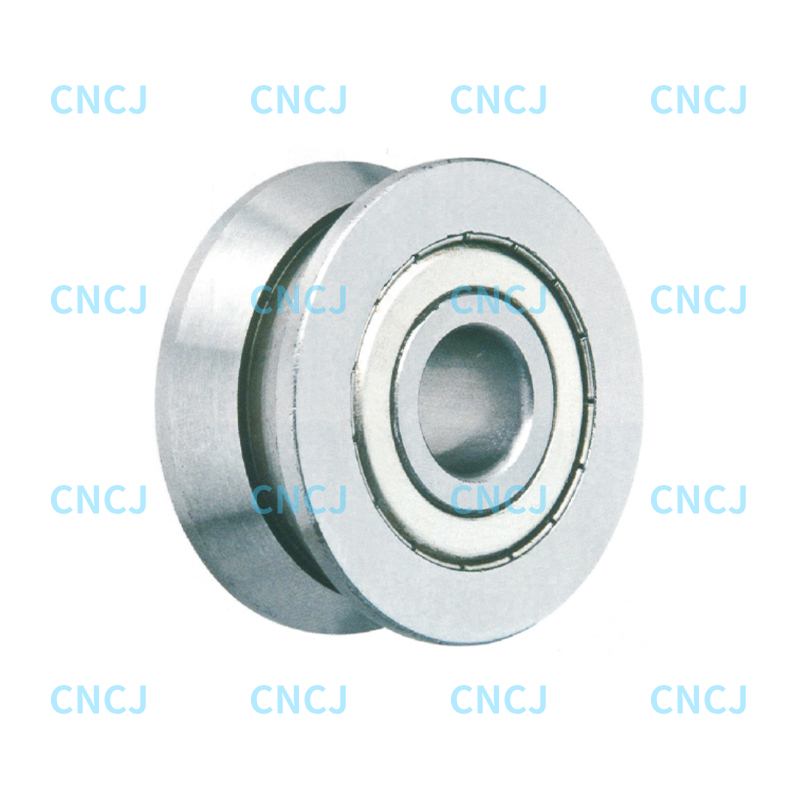
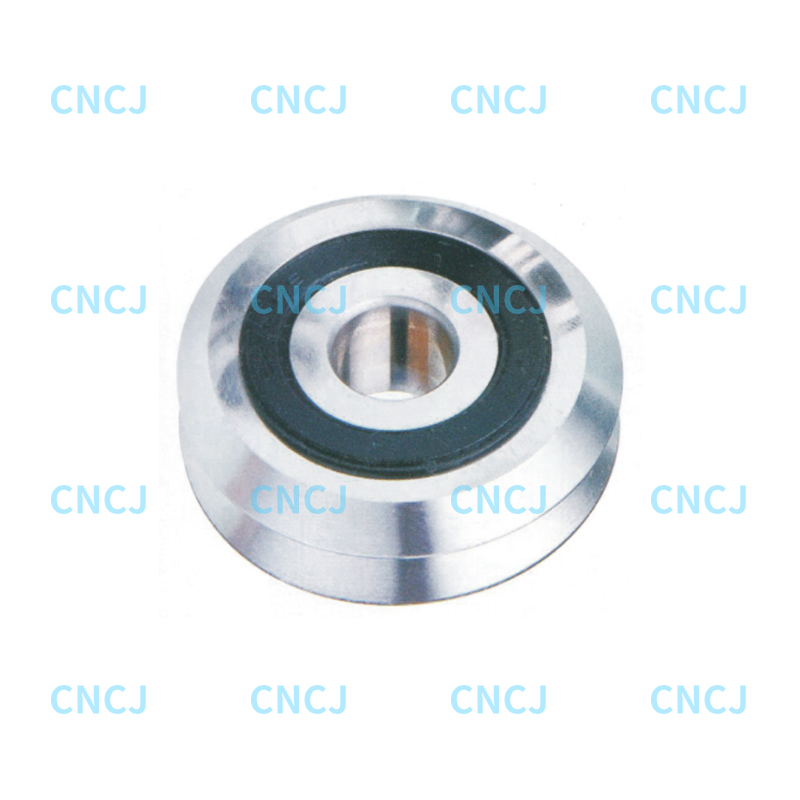
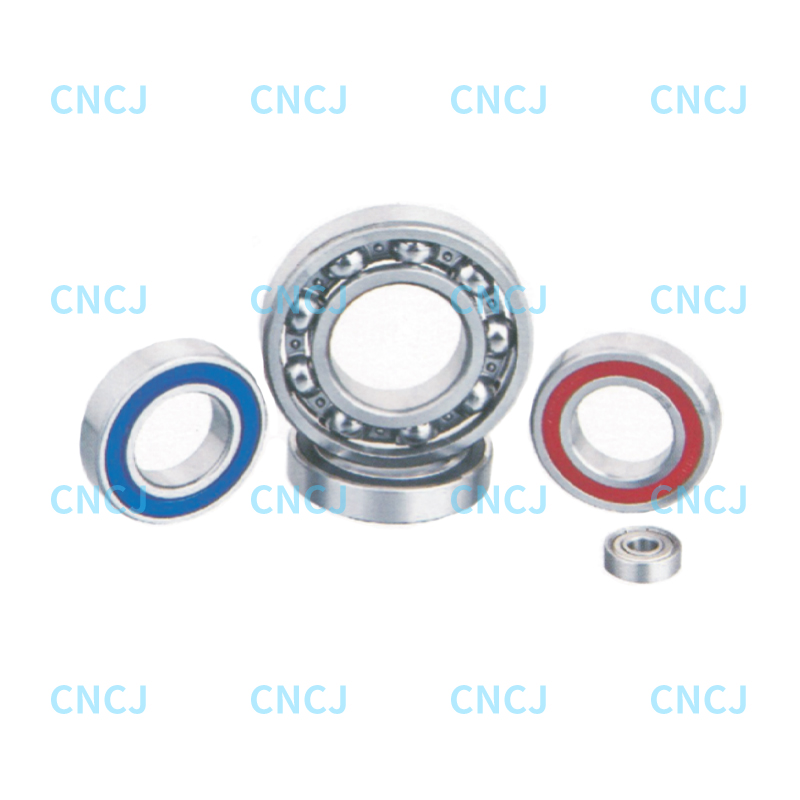
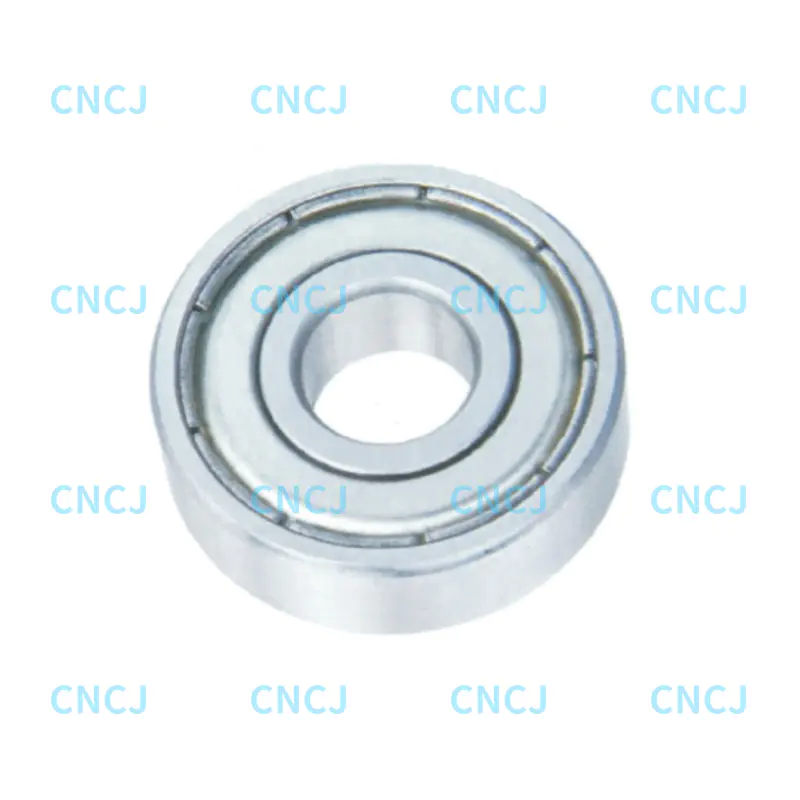
Double row angular contact roller bearings offer a combination of advantages that no other single bearing type fully replicates: simultaneous handling of high radial loads, bidirectional axial loads, and moment loads within a single, compact bearing unit. This multi-directional load capacity, combined with high stiffness, long service life, and reduced installation complexity, makes them one of the most versatile and cost-effective bearing solutions available for demanding industrial, automotive, and precision engineering applications.
In practical engineering terms, these bearings allow designers to replace two separate single-row bearings — or a combination of a radial bearing and a thrust bearing — with a single unit that occupies less axial space, requires less housing complexity, and delivers equal or superior combined load performance. The advantages span load capacity, running accuracy, system simplicity, and economic lifecycle value, all of which are explored in detail below.
Superior Combined Load Capacity in a Single Unit
The most fundamental advantage of double row angular contact roller bearings is their ability to carry combined loads — radial, axial, and moment — simultaneously and efficiently. This stems directly from the angular contact geometry: the contact angle between the rolling element, inner raceway, and outer raceway creates a load line that is inclined relative to the bearing axis, allowing force to be transmitted in both the radial and axial directions through a single rolling contact.
With two rows of rolling elements arranged in an opposed configuration, the bearing generates two such inclined load lines — one per row — pointing in opposite axial directions. This means:
- Axial forces acting in the positive shaft direction are reacted by one row, while axial forces in the negative direction are reacted by the other row — providing full bidirectional axial load capacity without any additional components
- Radial forces are shared across both rows, giving the bearing approximately double the radial load capacity of an equivalent single-row bearing of the same cross-section
- Moment (tilting) loads create differential axial forces on the two rows, which the opposed arrangement absorbs naturally — resisting shaft tilt without requiring a second bearing position
For example, a double row tapered roller bearing with a 30° contact angle and a 150 mm bore diameter may carry a dynamic radial load rating of 750 kN and an axial load rating exceeding 400 kN — performance figures that would require two separate bearings plus an additional thrust bearing to replicate using purely radial or purely axial bearing types.
High Rigidity and Stiffness for Precision Applications
Bearing stiffness — the resistance to elastic deflection under load — directly determines the positioning accuracy of any rotating shaft. In precision equipment such as machine tool spindles, coordinate measuring machines, and semiconductor manufacturing equipment, even micrometer-scale shaft deflections are unacceptable because they translate directly into dimensional errors in the finished product or measurement uncertainty in the instrument.
Double row angular contact roller bearings deliver high stiffness through two mechanisms working together:
Internal Preload
These bearings are manufactured and supplied with a defined internal preload — a compressive force applied to the rolling elements during assembly that eliminates all internal clearance. By operating with zero internal play, the bearing's elastic deflection under external load is dramatically reduced compared to a bearing with positive internal clearance. Preloaded double row angular contact ball bearings used in grinding machine spindles can achieve radial and axial stiffness values exceeding 200 N/µm, meaning a 200 N load produces only 1 micrometer of shaft displacement — a level of precision that enables surface finish tolerances of Ra 0.1 µm or better in precision grinding operations.
Wide Effective Load Spread
In back-to-back (X-arrangement) double row configurations, the two load lines diverge outward from the bearing centerline, creating a wider effective support span than the physical bearing width alone. This extended virtual span significantly improves resistance to moment loads and shaft tilt, contributing to the overall stiffness of the shaft system. In back-to-back arrangements, the effective moment arm can be 1.5 to 2 times greater than the actual bearing face-to-face width, providing superior tilting resistance without increasing the physical bearing envelope.
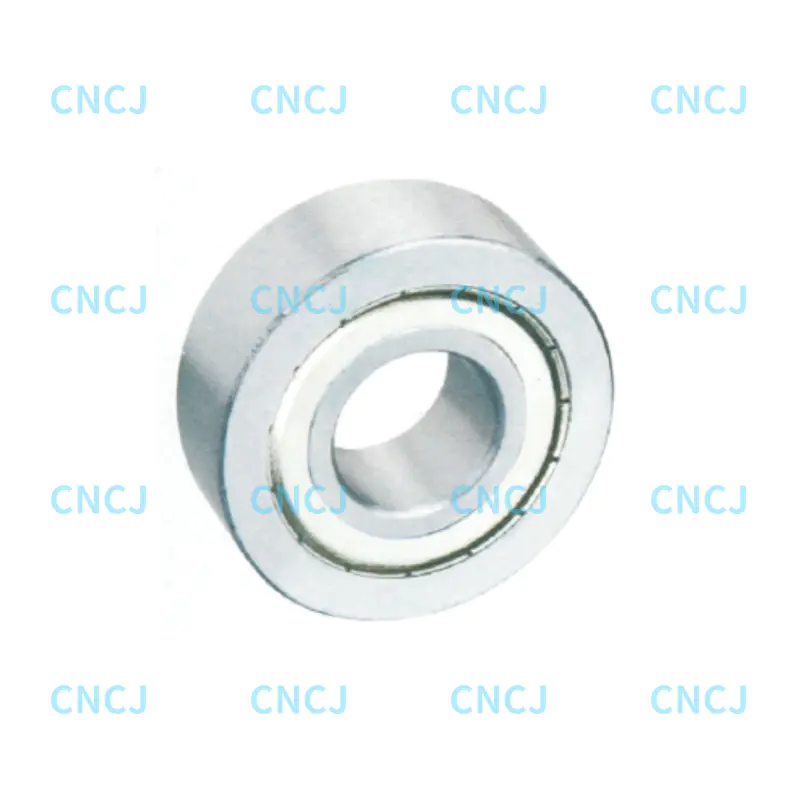
Compact Design That Saves Space and Reduces System Complexity
One of the most practically significant engineering advantages of double row angular contact roller bearings is their ability to replace multi-bearing arrangements with a single, compact unit. In traditional shaft designs, accommodating combined radial and axial loads often required separate bearing positions — for example, a cylindrical roller bearing for the radial load combined with a thrust bearing for the axial load, or two single-row angular contact bearings mounted in tandem or opposition.
Replacing such arrangements with a single double row bearing delivers measurable system-level benefits:
- Reduced axial shaft length: Eliminating one bearing position typically shortens the shaft by 30–60 mm, reducing shaft bending deflection between support points and decreasing the overall machine envelope
- Simplified housing design: A single bore in the housing replaces two separate bores with their individual tolerance requirements, reducing machining operations and housing cost
- Fewer sealing surfaces: Fewer bearing positions mean fewer potential lubricant leakage points and fewer seal components — reducing both part count and maintenance requirements
- Lower total system weight: In weight-sensitive applications such as aerospace or mobile machinery, the mass reduction from consolidating two bearing positions into one can be meaningful at the system level
In automotive wheel hub assemblies, for instance, the introduction of the integrated double row angular contact wheel bearing unit (Hub Bearing Unit) reduced the number of bearing components from approximately 100 individual parts in early separate-bearing designs to fewer than 10 in the modern unitized assembly — a 90% reduction in bearing-related part count with simultaneous improvements in sealing effectiveness and service life.
Long and Predictable Service Life
Double row angular contact roller bearings, when correctly selected, installed, and lubricated, offer service lives that compare favorably with any alternative bearing arrangement for combined-load applications. The theoretical service life is calculated using the standard L10 methodology — the number of operating hours or revolutions that 90% of a bearing population will reach or exceed before fatigue failure.
Several design features of these bearings contribute directly to long service life:
Line Contact in Roller Variants
Double row tapered roller and cylindrical roller angular contact bearings use line contact between the roller and raceway rather than the point contact geometry of ball bearings. Line contact distributes the applied load over a longer contact area, reducing Hertzian contact stress — the primary driver of surface fatigue. For equivalent bearing sizes, line contact roller bearings typically offer 2 to 4 times the dynamic load rating of ball bearings, translating directly into longer L10 life under the same applied load, or the ability to carry significantly heavier loads for the same calculated life.
Load Sharing Between Two Rows
Because radial loads are shared between two rows of rolling elements rather than concentrated in a single row, the peak contact stress at any individual rolling element contact is lower than in an equivalent single-row bearing carrying the full load. Lower contact stress translates exponentially into longer fatigue life according to bearing life theory — a 20% reduction in contact stress can extend L10 life by approximately 70% under the classical Lundberg-Palmgren fatigue model.
Elimination of Preload Loss from Mismatched Single-Row Pairs
When two separate single-row angular contact bearings are used as a pair, differential thermal expansion, housing bore tolerance variation, and installation errors can cause one bearing to carry a disproportionate share of the load — shortening the life of the overloaded unit. A factory-matched double row bearing eliminates this risk by ensuring both rows are precisely matched in terms of rolling element size, internal geometry, and preload during manufacture, guaranteeing balanced load sharing between rows throughout the bearing's service life.
Simplified Installation and Reduced Setup Time
Installing a pair of opposed single-row angular contact bearings requires careful attention to preload setting — the process of applying the correct compressive force to the rolling elements to achieve the desired internal clearance or preload level. This is typically done by adjusting a locknut, shim stack, or spacer ring while measuring shaft torque or bearing deflection, a process that requires skilled technicians, calibrated tools, and significant setup time.
Double row angular contact roller bearings eliminate this field preload setting requirement entirely. The preload is set during bearing manufacture to precise tolerances at the factory, using controlled grinding of the inner and outer rings to achieve the specified internal geometry. The installer simply mounts the bearing with the correct shaft and housing fits — the bearing arrives with its preload already built in and requires no further adjustment before the machine is put into service.
This manufacturing-integrated preload offers several practical advantages over field-adjusted setups:
- Consistent preload from unit to unit, regardless of installer skill level — eliminating the variability that causes premature failure when preload is set incorrectly in the field
- Faster installation — a single bearing replaces a two-bearing assembly procedure with its associated adjustment steps, reducing machine downtime during maintenance
- Reduced risk of assembly errors — with fewer components to install and no preload adjustment required, the opportunity for installation mistakes is significantly reduced
- Predictable performance from the first startup — the bearing operates at its specified stiffness and load capacity immediately, without a run-in period required to stabilize field-adjusted preload
Excellent Running Accuracy for Precision Machinery
Running accuracy — the ability of the bearing to maintain the shaft centerline at a precisely defined position throughout rotation — is a critical performance parameter in machine tools, measuring instruments, and any application where positional precision determines product quality or measurement validity.
Double row angular contact bearings are manufactured to dimensional accuracy standards defined by international standards organizations, with tolerance classes ranging from normal (PN) through increasingly precise grades. The most precise grades — equivalent to P4 and P2 accuracy classes — deliver running accuracy specifications that include:
- Radial runout (MPEW): As low as 2.5 µm for P4-class bearings with bore diameters up to 80 mm — enabling machine tool spindles to produce roundness errors below 0.5 µm in ground workpieces
- Axial runout (MPAS): As low as 2.5 µm for P4 class — critical for face-milling operations and precision grinding of flat surfaces where axial position consistency determines flatness tolerance
- Inner ring face runout (SD): Controlled to ensure that the shaft shoulder seating surface is perpendicular to the bearing axis, preventing misalignment-induced preload variation in precision assemblies
The two-row design contributes to running accuracy by averaging out the geometric imperfections of individual rolling elements across a larger rolling element population. With twice as many rolling elements in contact compared to a single-row bearing, the statistical averaging effect reduces peak-to-valley variation in the shaft position as individual rollers or balls pass through the load zone — producing smoother, more consistent rotation at all shaft speeds.
Ability to Accommodate Both Arrangement Types: Back-to-Back and Face-to-Face
A significant design flexibility advantage of double row angular contact roller bearings is that they are available in both back-to-back (X-arrangement) and face-to-face (O-arrangement) internal configurations — and in some designs, the arrangement can be tailored to specific application requirements by the manufacturer.
Table 1: Comparison of Back-to-Back and Face-to-Face Configurations in Double Row Angular Contact Bearings
| Property |
Back-to-Back (X-Arrangement) |
Face-to-Face (O-Arrangement) |
| Load line orientation |
Diverge outward (wider virtual span) |
Converge inward (narrower virtual span) |
| Moment load resistance |
Excellent — superior to face-to-face |
Moderate — lower than back-to-back |
| Thermal expansion sensitivity |
Increases preload as shaft heats up |
Reduces preload as shaft heats up |
| Shaft misalignment tolerance |
Lower — more sensitive to angular errors |
Higher — more forgiving of misalignment |
| Typical applications |
Gearbox output shafts, heavy spindles, axle hubs |
Pump shafts, applications with housing tolerance variation |
This configuration flexibility means that a single bearing type — the double row angular contact roller bearing — can be optimized for the specific thermal, loading, and alignment conditions of each application, simply by selecting the appropriate internal arrangement. No other bearing type offers this level of application-specific tailoring within a single product family.
High Speed Capability in Ball Bearing Variants
Double row angular contact ball bearings — which use balls as rolling elements rather than tapered or cylindrical rollers — combine the combined load capacity advantages described above with the speed capability characteristic of ball bearings. Point contact between balls and raceways generates lower rolling friction than line contact, enabling these bearings to operate at significantly higher speeds.
High-precision double row angular contact ball bearings with 15° contact angles can operate at limiting speeds exceeding 15,000 RPM in grease-lubricated configurations, and above 25,000 RPM with oil-air lubrication systems. This speed capability, combined with their combined load handling, makes them uniquely suitable for high-speed precision spindle applications where both axial thrust (from cutting tool forces or belt pull) and the requirement for micron-level runout accuracy must be satisfied simultaneously.
The speed advantage over roller-based alternatives is substantial. A double row tapered roller bearing of the same bore diameter may have a limiting speed of 3,000–5,000 RPM, while the equivalent double row angular contact ball bearing can run at 3 to 5 times that speed — making the ball variant the unambiguous choice for spindle applications and other high-speed rotating equipment where combined loads are present.
Reliable Performance Under Fluctuating and Shock Loads
Many industrial applications do not operate under steady, constant loads — they experience fluctuating forces, impact loads, and sudden overloads that can rapidly damage bearings with inadequate dynamic capacity. Double row angular contact roller bearings, especially tapered roller variants, offer exceptional resilience under these conditions.
The line contact geometry of roller-type double row angular contact bearings allows them to withstand short-duration peak loads that may be 2 to 3 times the bearing's rated dynamic load capacity without permanent raceway deformation — a capability defined by the bearing's static load rating (C0). This resilience is critical in applications such as:
- Jaw and cone crushers, where feed material of variable hardness causes sudden impact load spikes on the main shaft bearing
- Rolling mills during billet entry, when the sudden engagement of the workpiece creates a step change in roll separating force
- Vehicle wheel hub bearings during kerb strikes or pothole impacts, where the wheel experiences a vertical shock load many times the static wheel load
- Industrial gearboxes during motor startup, when transient torques can briefly exceed the continuous rated torque by factors of 3 to 7
The preloaded internal geometry also provides an advantage under fluctuating loads: because there is no internal clearance that must be taken up before load is transmitted, the bearing responds instantly to load changes without the impact that occurs when a clearance-fitted bearing's rolling elements suddenly come into contact after previously running unloaded.
Cost Efficiency Over the Full System Lifecycle
While double row angular contact roller bearings typically have a higher unit purchase price than single-row bearings of the same bore size, a full lifecycle cost analysis consistently shows that the total cost of ownership is lower when a double row unit replaces a multi-bearing arrangement. The economic advantages accumulate across several cost categories:
Table 2: Lifecycle Cost Comparison — Double Row Angular Contact Bearing vs Equivalent Multi-Bearing Arrangement
| Cost Category |
Double Row Angular Contact (Single Unit) |
Equivalent Multi-Bearing Arrangement |
| Bearing purchase cost |
Higher per unit |
Lower per unit, but 2+ units needed |
| Housing machining cost |
Lower — single bore required |
Higher — two or more precision bores |
| Installation labor |
Lower — single installation, no preload adjustment |
Higher — multiple bearings, preload setting required |
| Maintenance interval |
Longer — factory-matched preload remains stable |
Shorter — periodic preload re-adjustment may be needed |
| Downtime per replacement |
Lower — single swap, no adjustment |
Higher — multiple bearings to replace and adjust |
| Spare parts inventory |
Single part number to stock |
Multiple part numbers, higher inventory cost |
Studies of total cost of ownership in industrial maintenance environments consistently show that bearing failure-related downtime costs typically exceed the cost of the bearing itself by a factor of 10 to 100 in production-critical equipment. The longer service life, more consistent preload, and simpler replacement procedure of double row units therefore yield disproportionately large savings in the downtime cost category — making them the more economical choice even when the unit price is higher than alternative arrangements.
Wide Range of Available Sizes and Precision Grades
Double row angular contact roller bearings are manufactured across an exceptionally wide range of sizes — from miniature instrument bearings with bore diameters below 10 mm used in precision gyroscopes and aerospace actuators, to massive slewing ring bearings with outer diameters exceeding 4 meters used in wind turbine yaw systems and large radar antenna drives. This comprehensive size range means the design advantages of the double row angular contact concept are accessible to virtually any engineering application, regardless of scale.
Within each size range, these bearings are also available in multiple precision grades:
- Normal (PN) grade: Standard industrial applications — gearboxes, pumps, general machinery — where running accuracy is secondary to load capacity and cost
- P6 grade: Improved accuracy for higher-speed or moderate-precision applications such as electric motor shafts and light machine tool drives
- P5 grade: High precision for machine tool spindles and precision gearboxes; radial runout typically below 5 µm
- P4 grade: Extra-high precision for grinding machine spindles and precision measuring equipment; radial runout as low as 2.5 µm for smaller sizes
- P2 grade: Ultra-precision for coordinate measuring machines, precision lathes, and scientific instruments; radial runout below 1 µm for small bore sizes
This graded precision availability means engineers can match the bearing accuracy level exactly to the application's requirements — paying for precision where it is needed and selecting standard grades where it is not, optimizing both performance and cost simultaneously.
Thermal Stability and Performance Across Wide Temperature Ranges
Industrial applications subject bearings to a wide range of operating temperatures — from arctic mining operations at -50°C to furnace-adjacent steel plant equipment at elevated temperatures, and from cryogenic pump bearings in liquefied gas handling to jet engine accessory gearboxes at over +150°C. Double row angular contact roller bearings can be manufactured and treated to operate reliably across these extremes.
Standard bearing steel (52100 chrome steel) maintains adequate hardness and fatigue resistance up to approximately 120°C. For higher temperature service, heat-stabilized bearings (designated S1 through S4 treatment classes) are available, extending continuous operating temperature capability to:
- S1 treatment: Stable up to 150°C — suitable for high-temperature gearboxes and pump bearing housings
- S2 treatment: Stable up to 200°C — for drying equipment, heated process machinery, and hot rolling mill adjacent positions
- S3 and S4 treatments: Stable up to 250°C and 300°C respectively — for the most thermally demanding industrial environments
For low-temperature applications, bearings manufactured from stainless steel or specially treated carbon steel with low-temperature-rated cage materials and lubricants can operate reliably at temperatures down to -60°C or below, maintaining adequate toughness in the steel components and fluidity in the lubricant film to prevent starvation and cold-start wear.
 English
 中文简体
中文简体 Deutsch
 Español